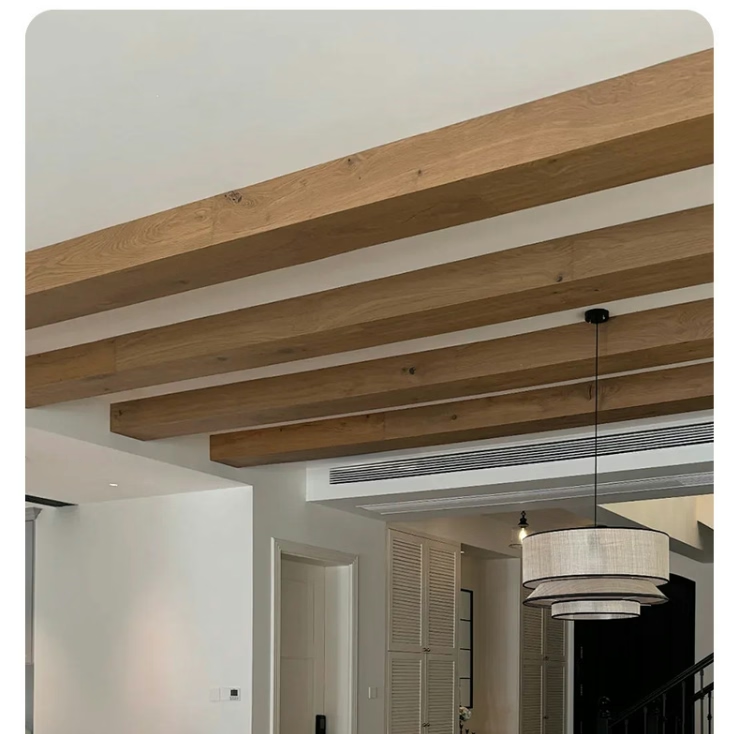
Shopping malls compete intensely for consumer attention and spending in an environment transformed by e-commerce competition. Physical retail must offer experiences that online shopping cannot replicate—sensory engagement, immediate gratification, and social experience that digital channels cannot provide. Architectural design contributes significantly to these experiential advantages, with ceiling treatments providing opportunities to create memorable environments that draw shoppers into prolonged visits.
Ceiling beams in mall environments serve multiple purposes beyond pure aesthetics. They organize vast interior spaces into navigable zones, create visual interest that reduces perceived monotony, and establish brand identities for individual retailers and the mall as a whole. The material selection for these applications must satisfy demanding commercial requirements while delivering the visual quality that shopping environments demand.
Large-Scale Application Considerations
Mall interiors present scale challenges that residential and small commercial applications do not encounter. Ceiling heights often exceed thirty feet, spanning multiple stories of atrium space. Square footage runs into hundreds of thousands in regional malls. Material selections must perform reliably across these demanding scales.
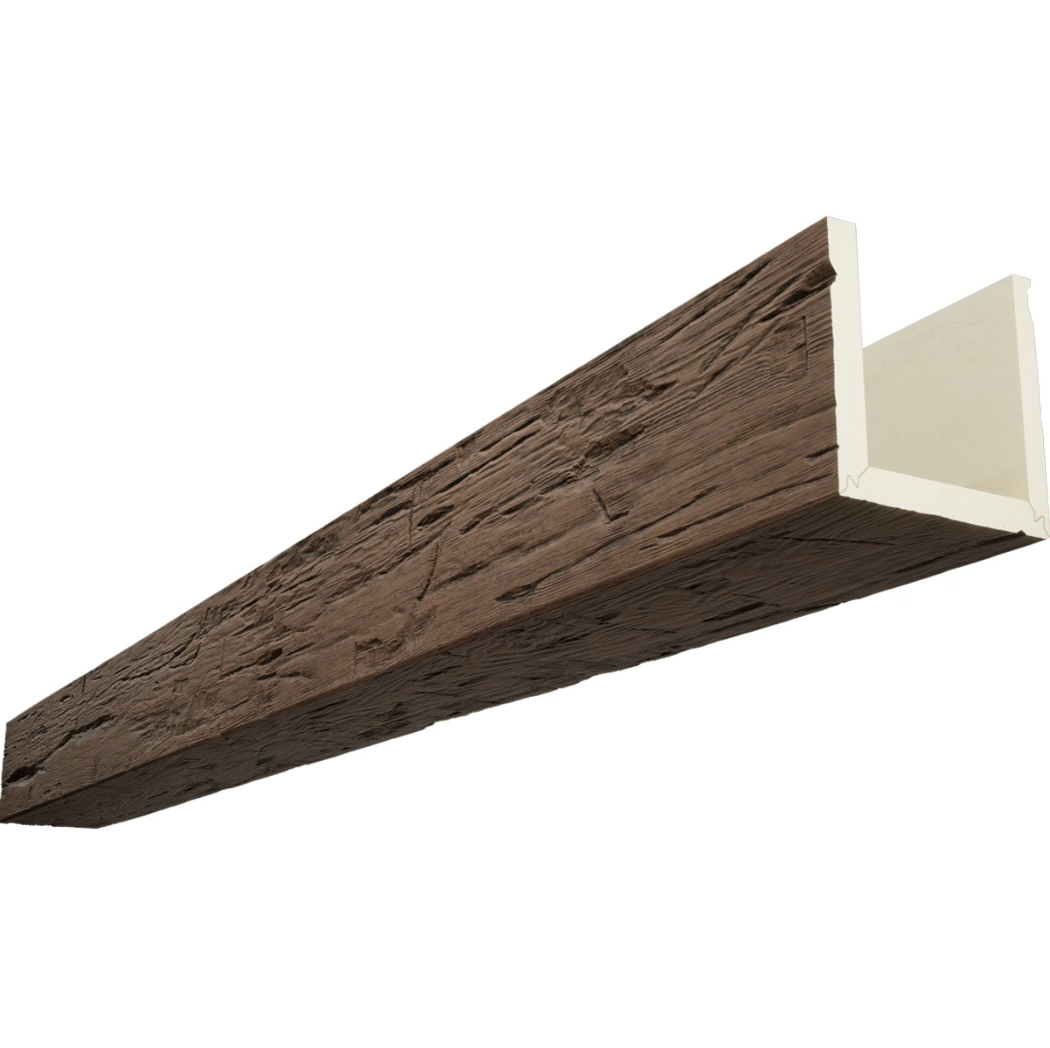
Polyurethane faux wood beams scale effectively to large installations, with products available in dimensions suitable for even the most dramatic mall atriums. The material's light weight simplifies handling of large pieces that would require substantial equipment if constructed from solid timber. This practical advantage enables architectural ambitions that structural weight would otherwise limit.
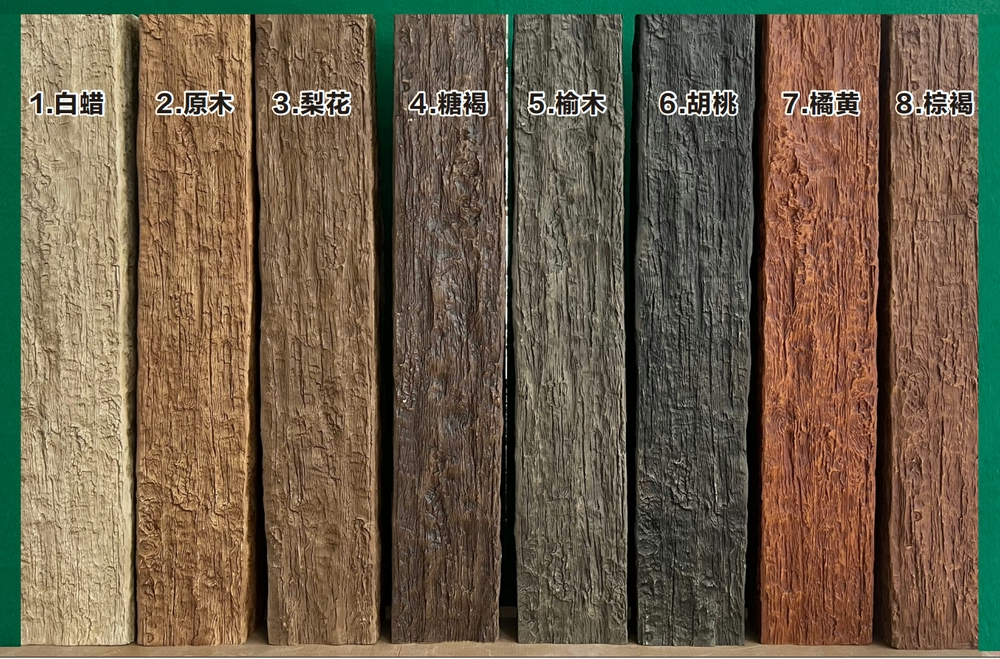
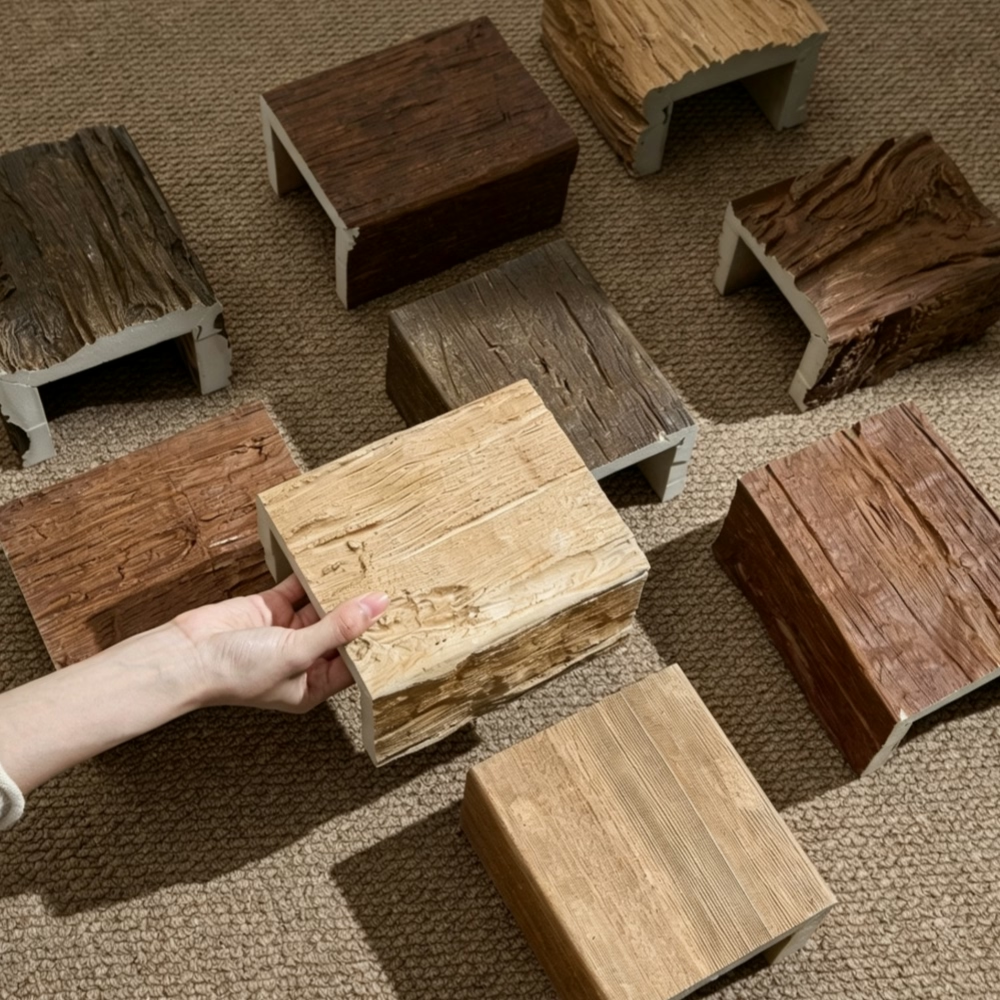
The consistency of manufactured polyurethane also benefits large-scale applications. Natural wood beams of substantial dimension often exhibit variation—color differences between pieces, grain pattern inconsistencies, occasional defects that require selection and rejection. Factory-produced faux beams offer consistent quality across unlimited quantities, simplifying specification and installation planning.

Traffic Endurance and Maintenance
Malls experience continuous foot traffic that places significant demands on interior materials. Thousands of daily visitors generate dust, debris, and the general wear that high-traffic commercial spaces accumulate. Ceiling materials must maintain appearance despite these conditions while supporting the rigorous cleaning protocols large retail environments require.
Polyurethane beam surfaces accept standard commercial cleaning products without degradation. The sealed, non-porous finish does not absorb the soil and stains that would permanently affect natural wood or other porous materials. This cleanability supports the frequent, thorough cleaning that maintains the pristine appearance shoppers expect from premium retail environments.
The durability of quality polyurethane means beams maintain surface quality despite occasional contact from tall displays, maintenance equipment, or the general friction of commercial traffic. Unlike materials that show wear through scratching, denting, or finish damage, polyurethane beams continue looking fresh year after year.
Acoustic Management in Large Spaces
Mall acoustics present significant challenges created by vast interior volumes, hard surface materials, and the concentrated noise of large numbers of visitors. Untreated spaces become chaotically noisy during peak periods, creating environments that feel overwhelming and shorten shopping duration.
Ceiling beam installations contribute to acoustic management through the dimensional profile that scatters sound reflections. Beams break up large, parallel surfaces that would otherwise create harsh echo and reverberation, distributing sound energy more evenly throughout the space.
For particularly challenging acoustic environments, beams can be combined with additional acoustic treatment—hanging baffles, wall panels, and strategic sound-absorbing surfaces. The beams themselves contribute to acoustic performance while maintaining the warm, natural aesthetic that distinguishes designed spaces from utilitarian boxes.
Design Theme Integration
Major malls often develop specific design themes that create memorable environments rather than generic retail boxes. These themes might reference regional character, architectural heritage, or brand positioning that differentiates the mall from competitors. Ceiling beam selection should reinforce these thematic directions.
Themed environments require materials that support the design narrative rather than contradicting it. Beams with appropriate textures, finishes, and proportions contribute to cohesive thematic expression. The ceiling treatment should feel native to the design concept rather than an obviously commercial addition.
Seasonal theming for holidays and promotional events can incorporate beam installations that complement temporary decorations. The consistent presence of quality beams provides backdrop against which seasonal elements appear, creating continuity between permanent architecture and temporary enhancements.
Wayfinding and Zone Definition
Large malls require wayfinding systems that help visitors navigate from parking to desired retailers without confusion or frustration. Ceiling treatment contributes to these systems through visual landmarks and zone differentiation that operate beneath conscious awareness.
Beam configurations can establish distinct visual character for different mall zones—food court areas, anchor tenant vicinities, specialty retail sections, family entertainment zones. This differentiation helps visitors understand where they are in the mall while creating visual variety that maintains interest throughout extended visits.
Consistent beam treatment throughout common areas provides design continuity that links separate zones into coherent mall experience. Visitors understand they remain in the same mall despite different retailer offerings, with the ceiling treatment providing this architectural continuity.
Energy and Lighting Integration
Mall lighting systems consume significant energy and require regular maintenance across large numbers of fixtures. Ceiling beam integration should complement these systems rather than complicating fixture placement or access.
Beam arrangements that accommodate linear lighting fixtures create integrated ceiling designs where structure and illumination work together. LED strip lighting installed on beam undersides provides ambient illumination that reduces the number of overhead fixtures required while creating warm, inviting atmosphere.
Accessible fixture placement ensures maintenance teams can service lighting efficiently across the vast mall interior. Beams positioned to avoid blocking fixture access, or designed with maintenance access in mind, support operational efficiency that keeps the mall looking its best.
Investment Returns for Mall Operators
Mall development and renovation requires substantial capital investment that must generate returns through tenant attraction, visitor traffic, and extended shopping duration. Design elements that enhance the shopping experience contribute to these returns through competitive differentiation and customer loyalty.
Ceiling beams deliver significant visual impact relative to their material and installation cost. The architectural transformation achievable with beam installations exceeds what modest investment would suggest, creating spaces that feel premium without requiring the extreme expense that authentic timber or complex custom fabrication would demand.
The durability of quality polyurethane beams protects mall operator investment through sustained appearance quality that minimizes renovation cycles. Spaces that remain attractive for decades without the refreshment that less durable materials require maintain competitive positioning and tenant satisfaction that support ongoing success.
Technical References
ASTM standards cited in every specification
Test Data
Lab results from internal testing program
Updated 2026
Reviewed against current product specs