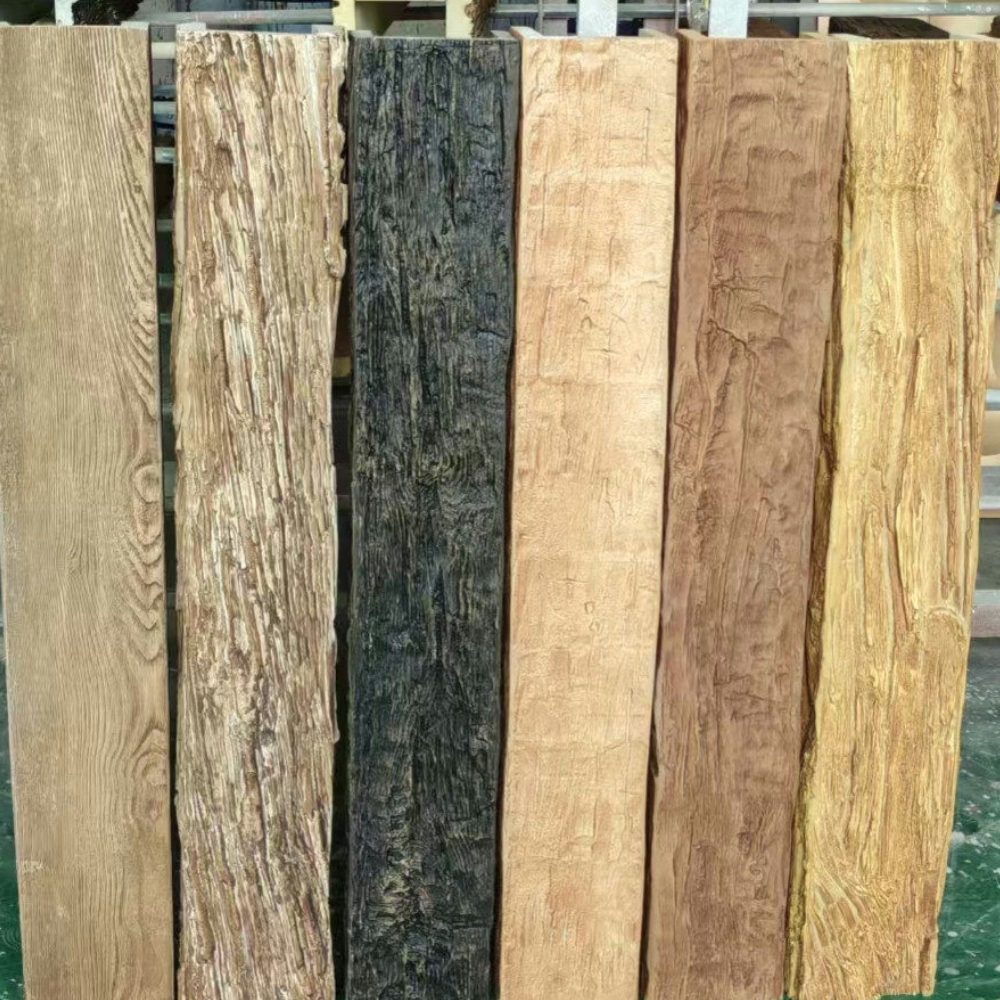
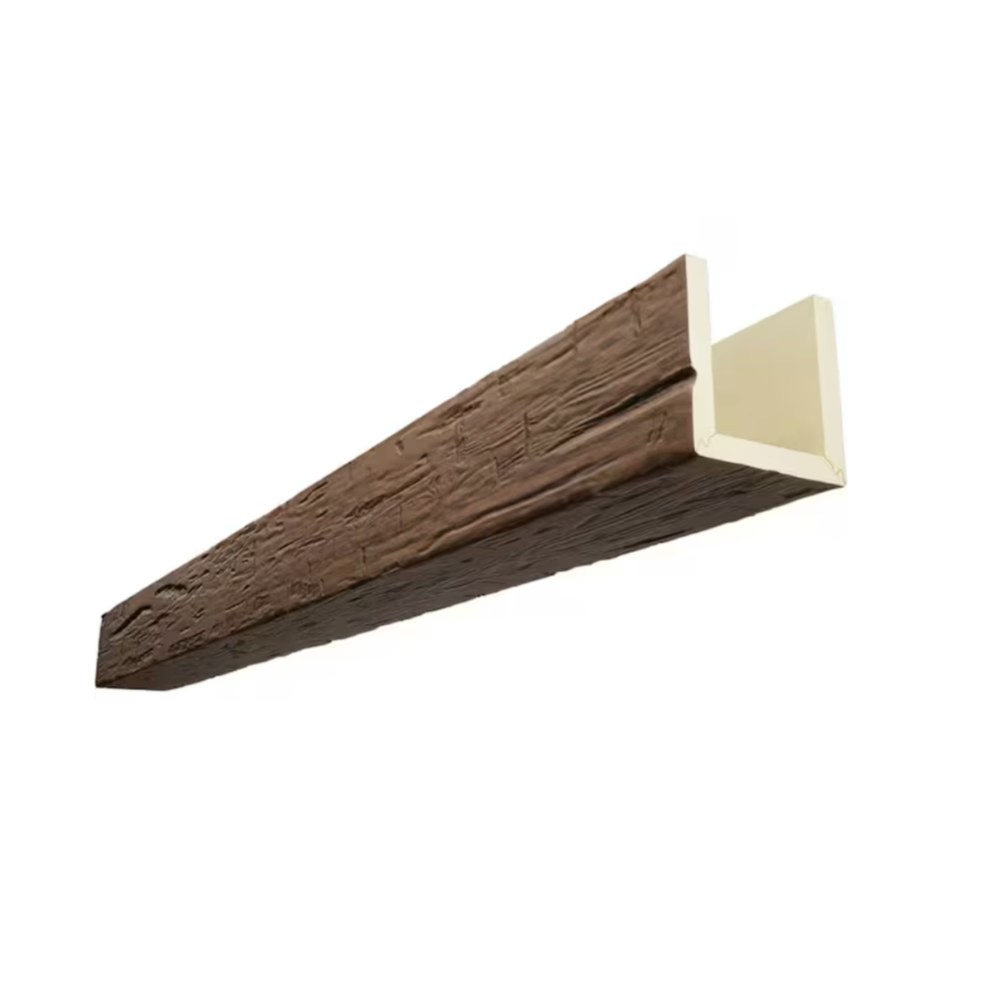
Ceiling beams represent the most common application for polyurethane faux products, but their versatility extends well beyond horizontal overhead installation. The material's workability, light weight, and attractive appearance enable creative applications that bring architectural character to walls, furniture, and functional built-ins throughout interiors. These alternative applications multiply the design value of beam selection, allowing homeowners to extend aesthetic benefits throughout their spaces.
Thinking beyond ceiling installation opens possibilities that conventional beam applications cannot address. A single room might feature beams on the ceiling, support brackets for floating shelves, a faux beam mantel, and decorative corbels—all unified through consistent material and finish selection. This comprehensive approach creates cohesive design language that scattered applications cannot achieve.
Shelf Support and Floating Shelf Systems
Polyurethane beams serve as excellent supports for heavy-duty shelving, particularly in spaces requiring substantial load capacity. The material accepts hardware mounting while providing the visual weight that genuine wood would offer, creating shelf systems that appear more substantial than simple bracket supports.
In home offices and libraries, beam-supported shelving provides storage for extensive book collections while contributing architectural character that generic shelving systems lack. The beams create visual anchors that organize wall space while supporting the substantial weight of reference materials and decorative objects.
Kitchen applications use beam supports for open shelving above islands or cooktops, creating storage that feels crafted rather than utilitarian. The warmth of wood appearance balances the practical nature of kitchen storage, softening what might otherwise feel purely functional.

Beam-Style Room Dividers
Open floor plans often lack the spatial definition that traditional room divisions provide. While open sightlines support contemporary aesthetics, specific functional zones sometimes benefit from visual separation without the permanent walls that would interrupt flow.
Freestanding beam panels create partial dividers that suggest room boundaries without fully enclosing spaces. These dividers work well in studio apartments, home office areas within larger rooms, or play spaces requiring some visual separation from adjacent living areas.
Suspended beam installations create overhead division that defines spaces below without blocking sightlines or light flow. This approach works particularly well in dining areas adjacent to living spaces, where overhead beam definition suggests functional separation while maintaining the spatial connection open plans provide.
Window Beam Headers and Architectural Framing
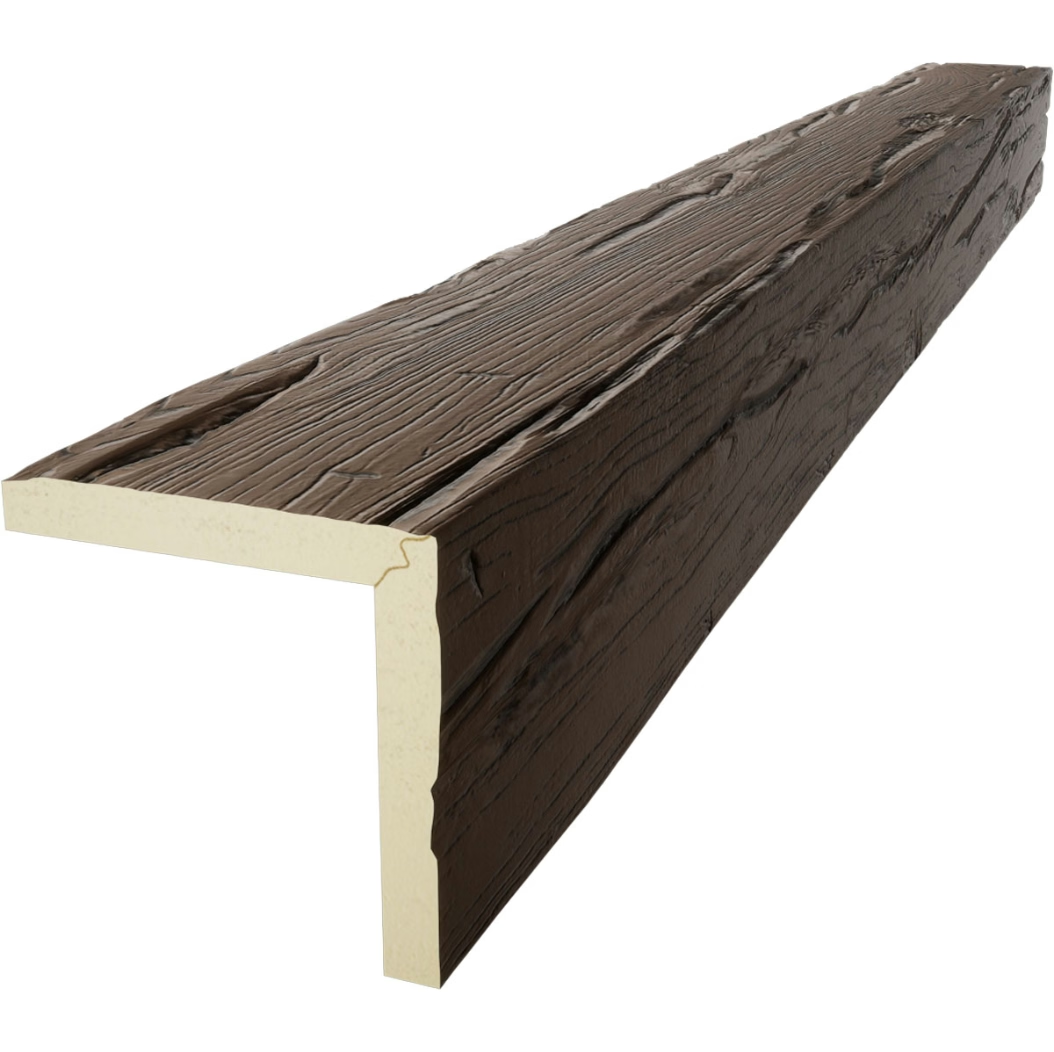
Windows in rooms with substantial beam installations might benefit from beam-style headers that extend the ceiling design language to window treatment. These architectural elements create visual frames around windows that integrate them into the overall design rather than treating them as isolated openings.
Beam headers also serve functional purposes in some applications, adding structural appearance to windows that might otherwise feel undersized for the wall or ceiling scale. The additional visual weight balances window proportions relative to surrounding architecture.
In new construction, beam-style window framing can be designed into the structure from the beginning, creating integrated architectural details that appear native to the building rather than retrofitted additions.
Faux Beam Mantels and Fireplace Surrounds
Fireplace mantels represent natural applications for beam-style design, bringing the warmth and character of wood appearance to focal points that benefit from substantial visual presence. Polyurethane mantels offer advantages over natural wood in fireplace-adjacent applications where heat exposure creates concerns.
Heat from fireplaces affects materials differently depending on composition. Natural wood can dry, crack, or become fire hazard when positioned too close to heat sources. Polyurethane mantels engineered for fireplace applications handle normal heat exposure without degradation, maintaining appearance despite proximity to fires.
The material also accepts the painting and finishing treatments that fireplace surrounds often require for code compliance. Heat-resistant finishes ensure the mantel maintains its appearance despite the thermal cycling that fireplace operation creates.
Decorative Corbels and Brackets
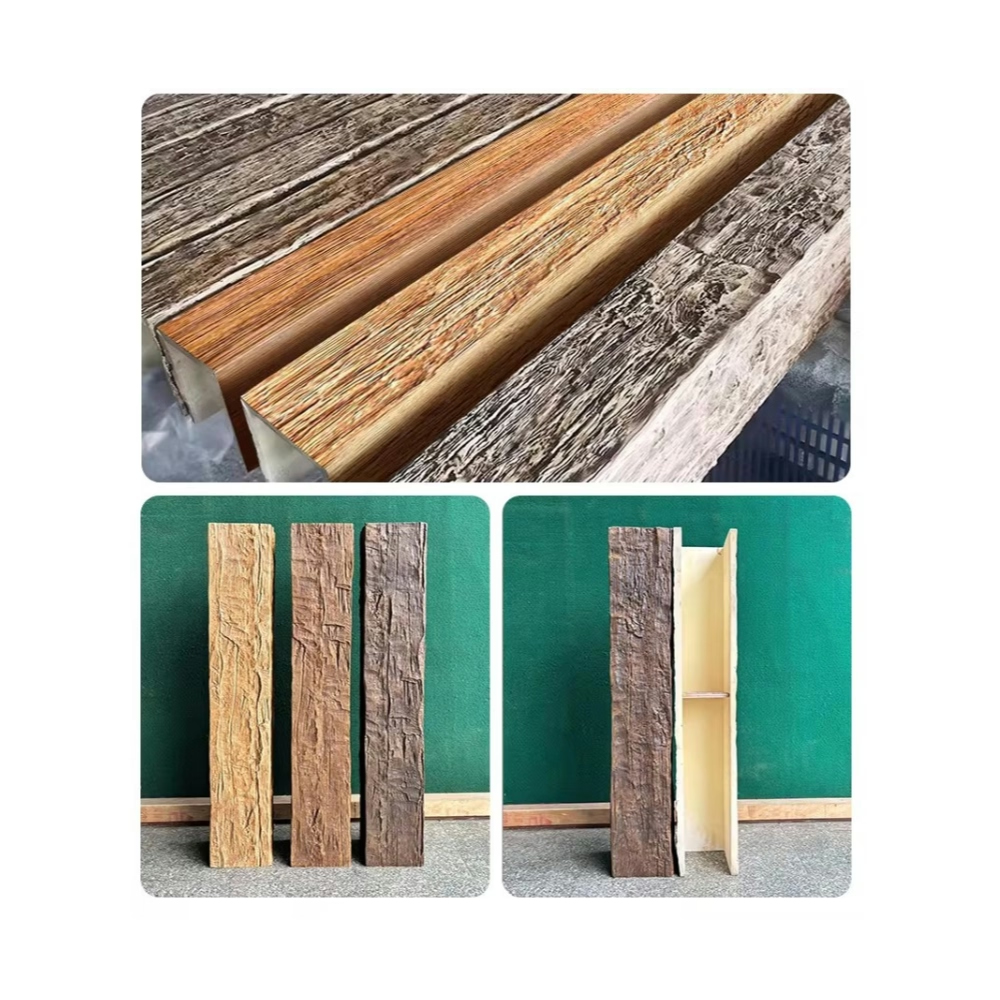
Support corbels and decorative brackets serve both structural and aesthetic purposes throughout interiors. These smaller-scale applications extend beam material into trim and detail work, creating comprehensive design implementation.
Kitchen islands benefit from corbel supports that add visual weight to counter overhangs, creating the appearance of substantial support without the floor space genuine corbels would require. The beam material continues the architectural language established by ceiling beams elsewhere in the home.
Bedroom headboards incorporating beam-style panels create architectural bed treatments that coordinate with ceiling beams in adjacent spaces. This comprehensive approach creates cohesive design throughout interconnected rooms.
Built-In Entertainment Centers
Custom built-in furniture presents opportunities for beam-style detail that extends architectural character to functional elements. Entertainment centers, bookcases, and storage systems can incorporate beam-style headers, frame elements, and support features that unify furniture with ceiling treatment.
Built-in entertainment centers positioned beneath ceiling beams might include beam-style mantels that create unified fireplace-and-entertainment focal points. The continuous beam language from ceiling through mantel creates architectural statement that furniture alone cannot achieve.
Custom library installations featuring beam-style headers and shelving supports create comprehensive built-in design that transforms entire walls into architectural features. This approach works particularly well in formal living rooms or home offices where substantial built-ins justify the investment.
Outdoor Beam Applications Beyond Pergolas
While pergolas represent the most obvious outdoor beam application, other exterior uses extend the design language to patios, covered porches, and outdoor living spaces. These applications bring interior design continuity to outdoor environments.
Outdoor beam-style columns support covered patio roofs while providing the warm aesthetic that encourages outdoor use. The weather-resistant properties of quality polyurethane beams ensure these applications maintain appearance despite environmental exposure.
Gazebo and cabana construction incorporates beam elements that create sheltered outdoor rooms. The material's light weight simplifies construction while the durability ensures these structures remain attractive season after season.
Technical References
ASTM standards cited in every specification
Test Data
Lab results from internal testing program
Updated 2026
Reviewed against current product specs