
The boutique hospitality and retail sectors occupy a distinctive market position. These establishments promise personalized experiences that mass-market competitors cannot replicate. Ceiling decoration through PU faux wood beams supports this positioning perfectly, adding architectural character that justifies premium pricing while reinforcing brand identity.
Understanding the Boutique Aesthetic
Boutique spaces succeed by creating emotional connections with visitors. Every design element either supports or undermines this objective. Generically finished ceilings with exposed infrastructure communicate budget constraints rather than curated excellence. Beams transform vast overhead spaces into designed environments that reward attention and encourage social sharing.
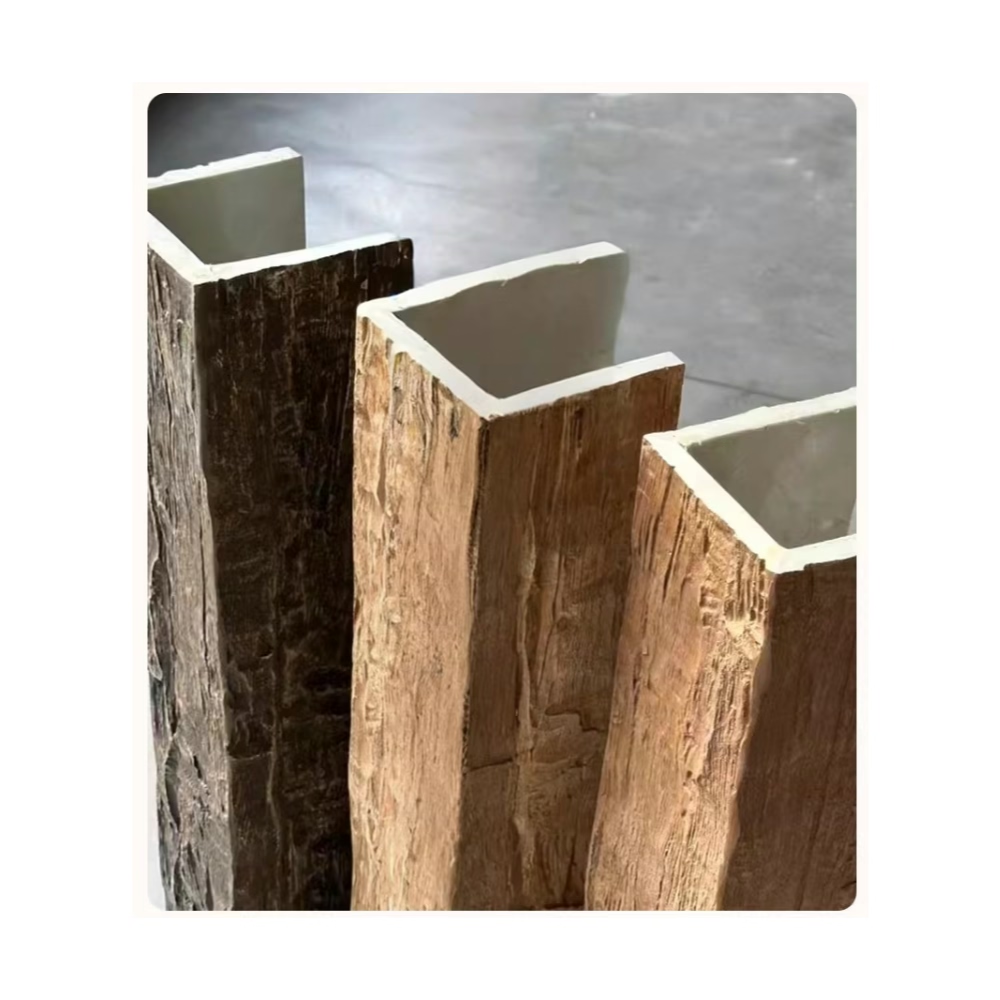
The materials and finishes selected for beam installations communicate brand values to observant visitors. Weathered reclaimed timber aesthetics suggest authenticity and environmental consciousness. Polished contemporary profiles convey innovation and sophistication. Each choice broadcasts messages beyond words, connecting with target demographics through visual language they may not consciously articulate.
Boutique operators face pressure to differentiate within increasingly crowded markets. Chain competitors possess greater resources for comprehensive renovations. Strategic beam installations offer high-impact differentiation at fractions of the cost required for complete overhauls. A single well-executed ceiling transformation can reposition an entire space within competitive landscapes.
Material Advantages for Commercial Applications
Polyurethane faux beams deliver practical benefits that genuine timber cannot match in commercial contexts. The material's consistent quality eliminates variations that might require on-site adjustment or create visible imperfections. Commercial installations demand reliability that natural materials cannot guarantee due to inherent variability.
Cleaning and sanitation requirements in hospitality and retail environments demand materials that withstand repeated maintenance. PU beams accept standard cleaning products without damage, preserving finish quality through countless cleaning cycles. This durability translates directly to maintained appearance over years of service, protecting your initial investment through sustained visual appeal.
Fire safety regulations affect commercial spaces differently than residential properties. Quality faux beam manufacturers offer fire-rated options that satisfy building codes for commercial applications. These certifications enable installation in locations where genuine timber might trigger additional safety requirements or prohibit installation entirely.

Design Approaches for Different Boutique Contexts
Fashion retail boutiques benefit from beam installations that complement merchandise presentation without competing for attention. Consider lighter finishes that brighten selling spaces while adding architectural interest. Strategic beam placement can define merchandise zones within open floor plans, guiding customer movement through curated shopping experiences.
Spas and wellness centers require different approaches that emphasize relaxation and escape. Darker timber tones create intimate environments that promote rest and rejuvenation. Beam installations that incorporate soft indirect lighting within beam cavities enhance the therapeutic atmosphere while adding practical illumination.
Boutique restaurants and cafes achieve warmth through beam selections that reinforce culinary themes. Rustic beam designs complement farm-to-table narratives, while modern profiles support contemporary dining concepts. The ceiling becomes another design layer that immerses guests in complete dining experiences.
Coordinating Beams With Existing Architectural Elements
Successful ceiling installations consider how beams interact with walls, lighting, and other permanent features. Determine whether beams should harmonize with existing finishes or create deliberate contrast that emphasizes the new architectural layer. Each approach offers distinct advantages depending on overall design objectives.
Integrating beams with recessed lighting requires careful planning that accounts for both aesthetic and practical concerns. Light fixtures installed within beam configurations create dramatic focal points but demand electrical coordination. Alternatively, surface-mounted fixtures positioned between beams maintain flexibility while achieving complementary illumination.
Window placements and natural light patterns influence beam orientation and spacing. Beams perpendicular to prominent windows create dynamic shadow patterns throughout the day. This interaction between natural light and architectural elements adds life to spaces that static installations cannot achieve.

Installation Planning for Operational Continuity
Commercial renovation requires scheduling that minimizes business disruption. Beam installations offer advantages here as well, typically completing within compressed timelines that allow faster return to normal operations. Surface-mounting methods avoid the dust and debris associated with traditional construction approaches.
Coordinate installation timing with business cycles. Retail operations might schedule installations during inventory transitions or traditionally slower periods. Hospitality venues can arrange work between guest room turnovers or during seasonal low-demand periods. Advance planning preserves revenue while achieving design objectives.
Communicate with staff and regular customers about upcoming improvements. Transparency builds anticipation and demonstrates ongoing investment in the experience you provide. Consider preview events or soft openings that celebrate completed renovations while generating word-of-mouth publicity.
Budget Allocation and Return Expectations
Allocate beam installation budgets alongside other capital improvements, understanding the unique positioning value these elements provide. Unlike furniture or fixtures that wear out over time, quality beam installations maintain their contribution to space aesthetics indefinitely. This longevity improves return on investment calculations significantly.
Track relevant metrics following installation completion. Customer dwell time, average transaction values, and satisfaction scores may shift following environmental improvements. These data points validate design investments and inform future improvement decisions across multiple locations if you operate expanded operations.
Consider the competitive implications of inaction. When comparable establishments invest in environmental improvements, their enhanced positioning affects your relative appeal. Beam installations represent competitive maintenance as much as proactive improvement, protecting your market position within evolving consumer expectations.
Selecting Qualified Installation Partners
Commercial beam installation demands experienced contractors who understand both the materials and the business environment. Seek installers with portfolios demonstrating commercial project experience, particularly within your specific sector. Previous work in similar contexts ensures familiarity with relevant challenges and solutions.
Verify insurance coverage and licensing appropriate for commercial projects. Your business insurance may not cover contractor activities, requiring additional coordination to protect against liability. Professional installers carry appropriate coverage and can provide documentation for your records.
Request detailed project timelines and contingency plans. Commercial installations must account for factors that residential projects might overlook, including business hours, customer access, and operational logistics. Professional installers plan proactively for these considerations rather than discovering challenges during execution.
Technical References
ASTM standards cited in every specification
Test Data
Lab results from internal testing program
Updated 2026
Reviewed against current product specs


