
The foyer occupies a unique position in residential design, serving as both practical transition space and symbolic threshold. It announces household style before visitors proceed further, creating expectations that influence how remaining spaces are perceived. Thoughtful foyer design with faux wood beams establishes architectural presence that distinguishes homes from comparable alternatives.
Understanding Foyer Functions
Foyers accommodate remarkably diverse activities despite often modest dimensions. Family members transition between outside and inside worlds, exchanging outdoor gear for indoor comfort. Packages arrive and depart. Brief conversations occur between household members heading in different directions. These practical functions must coexist with aspirational design intentions.
Successful foyer design accommodates these functions without allowing practicality to overwhelm aesthetics. Beam installations add visual interest that elevates functional spaces beyond mere utility. The key lies in recognizing foyer multipurpose nature and designing installations that enhance rather than impede daily activities.
Visitors judge homes by spaces they first encounter. A well-designed foyer suggests similar attention throughout remaining areas, priming positive expectations. Conversely, neglected entryways create doubt about what follows, potentially undermining impressions that take substantial effort to build elsewhere.
Scale and Proportion in Entry Design
Foyer dimensions vary dramatically across housing types. Grand foyers in estate homes present different challenges than modest entries in apartments or townhouses. Beam installation must respond to actual proportions rather than idealized representations that ignore spatial constraints.
High ceilings offer opportunities for substantial beams that command attention. These installations create drama appropriate for welcoming spaces, establishing architectural presence immediately upon entry. Consider how beam scale relates to door heights, stair tread dimensions, and other proportional elements that establish spatial relationships.
Compact entryways require restraint in beam selection. Oversized beams crowd already-limited overhead space, creating压抑 rather than grandeur. More modest installations with careful detailing achieve elegance appropriate to smaller scales. Sometimes a single well-chosen beam makes stronger statements than elaborate installations that overwhelm.

Design Styles and Their Foyer Applications
Traditional and transitional homes suit classic beam profiles with substantial presence. These styles favor beams that suggest structural authenticity, complete with corbels, braces, and architectural detailing that references historical precedents. The goal involves creating rooms that feel established rather than recently decorated.
Farmhouse and cottage aesthetics embrace simpler beam treatments that suggest honest construction without excessive ornament. Painted finishes, often in white or cream, brighten compact entryways while adding textural interest. These applications favor beams that contribute warmth without dominating already-informal spaces.
Contemporary and modern homes require beam selections aligned with current design sensibilities. Clean profiles, minimal detailing, and restrained color palettes serve these interiors better than rustic or traditional options. Modern foyer beams might appear almost architectural, adding form and shadow without obvious timber references.
Practical Integration With Daily Life
Busy households demand that entryway design accommodate rapid transitions without constant organization effort. Beam installations should not interfere with functional elements like coat hooks, seating benches, or shelving systems that support daily routines. Plan comprehensively to ensure beauty serves practical purposes rather than opposing them.
Consider how deliveries and large items move through entryways. Beam installations at standard heights rarely interfere with furniture delivery, but unusual configurations might create obstacles. Visualize the largest items that typically pass through your entryway and ensure beam heights accommodate comfortable passage.
Lighting integration affects foyer usability significantly. Adequate illumination for keying locks, reading addresses, and identifying dropped items requires thoughtful fixture placement. Beams can support pendant fixtures, accent lighting, or simply frame recessed fixtures appropriately. Plan illumination before finalizing beam positions.

Material Performance in Entry Conditions
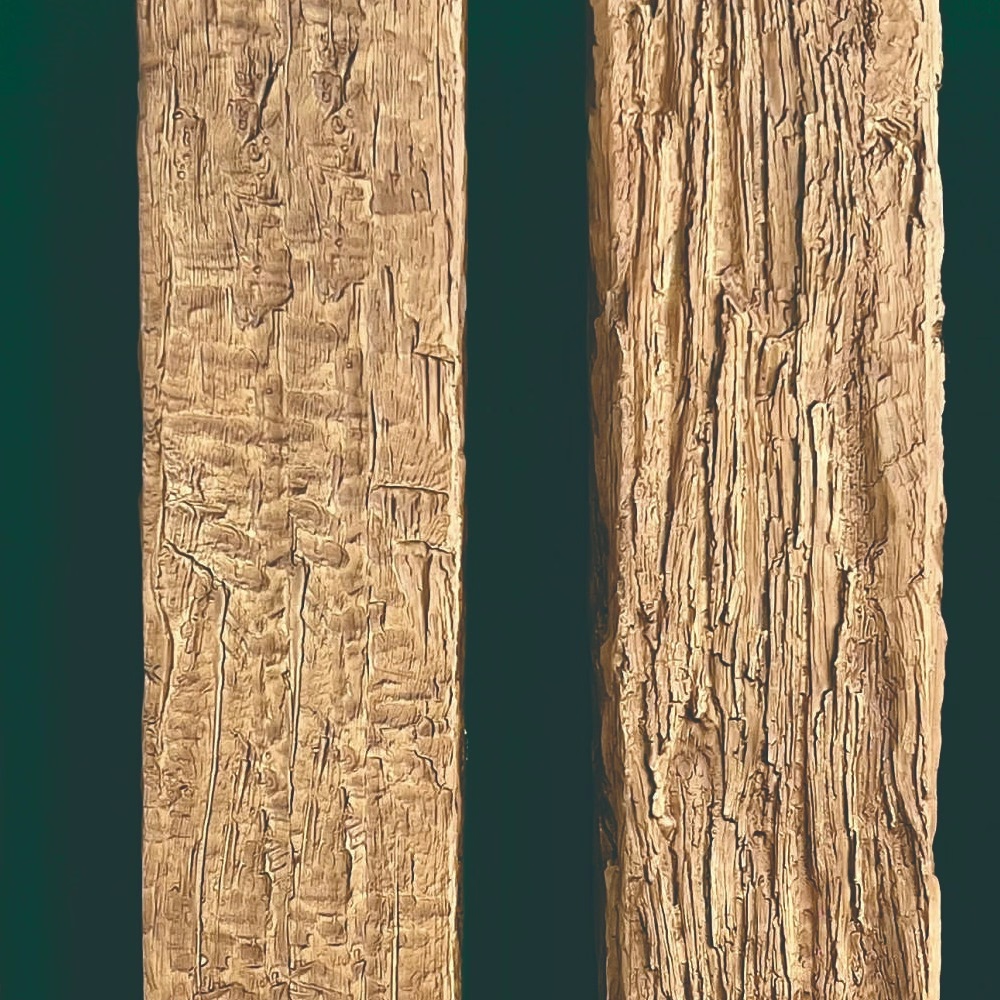
Entryways face environmental challenges unlike other interior spaces. Temperature fluctuations as doors open and close, moisture from wet footwear, and dirt accumulation from outdoor activity all affect materials. PU faux beams handle these conditions well, resisting moisture damage and accepting cleaning without surface degradation.
Unlike genuine timber, polyurethane won't absorb moisture that leads to warping, swelling, or finish deterioration. This performance advantage proves particularly valuable in entryways where water exposure occurs regularly during rainy seasons or winter months. The practical benefits complement aesthetic advantages.
Consider wear patterns in high-touch areas near beam installations. While beams themselves resist damage, adjacent surfaces might show wear from luggage, strollers, or pet traffic. Design installations that account for realistic household activity rather than idealized conditions that ignore daily realities.
Creating Welcoming Atmosphere
Beyond pure aesthetics, entryways should establish emotional welcome that greets residents and guests alike. The transition from public outside world to private domestic space benefits from atmospheric design that signals arrival and comfort. Beams contribute warmth that softer materials cannot match.
Color temperature affects perceived welcome substantially. Warm wood tones create inviting atmospheres that cooler alternatives cannot achieve. This psychological effect occurs below conscious awareness but influences mood and impression nonetheless. Choose beam finishes that contribute to desired emotional qualities.
Scent associations also shape entryway experience. While beams don't generate fragrance directly, they complement other sensory elements that contribute to welcome. Coordinated design considers how visual elements relate to acoustics, lighting, and other environmental factors that collectively establish atmosphere.
Investment and Property Value Considerations
Entryway improvements generate returns through multiple mechanisms. Daily enjoyment by household members provides immediate quality-of-life returns. Enhanced impressions for visitors strengthen personal and professional relationships that extend beyond pure aesthetics. Property value increases potentially multiply returns upon eventual sale.
Comparable properties without designed entryways sell for less than those featuring architectural detail. This differential validates entryway investment even from purely financial perspectives. The modest cost of beam installation potentially generates returns exceeding initial expenditure through enhanced sale prices.
Consider entryway design when planning other home improvements. Comprehensive renovation planning ensures that beam installations coordinate with flooring updates, wall finishes, and lighting improvements. This coordination achieves more cohesive results than piecemeal approaches that miss synergy opportunities.
Professional Versus DIY Installation
Entryway installations range from straightforward to complex depending on beam scale, mounting conditions, and coordination requirements. Assess your skills honestly before attempting DIY installation. Errors prove particularly visible in entryways due to their role as first impressions.
Professional installers bring experience with common challenges and reliable solutions. Entryways present specific complications including door frame coordination, stair integration, and lighting fixture adaptation. Professional installers have encountered these situations previously and know efficient approaches.
Budget for professional installation when uncertainty exists about your ability to achieve desired results. The cost difference between professional and DIY approaches often proves less than the value lost through visible installation errors. Entryways reward quality craftsmanship more than most spaces.
Technical References
ASTM standards cited in every specification
Test Data
Lab results from internal testing program
Updated 2026
Reviewed against current product specs


