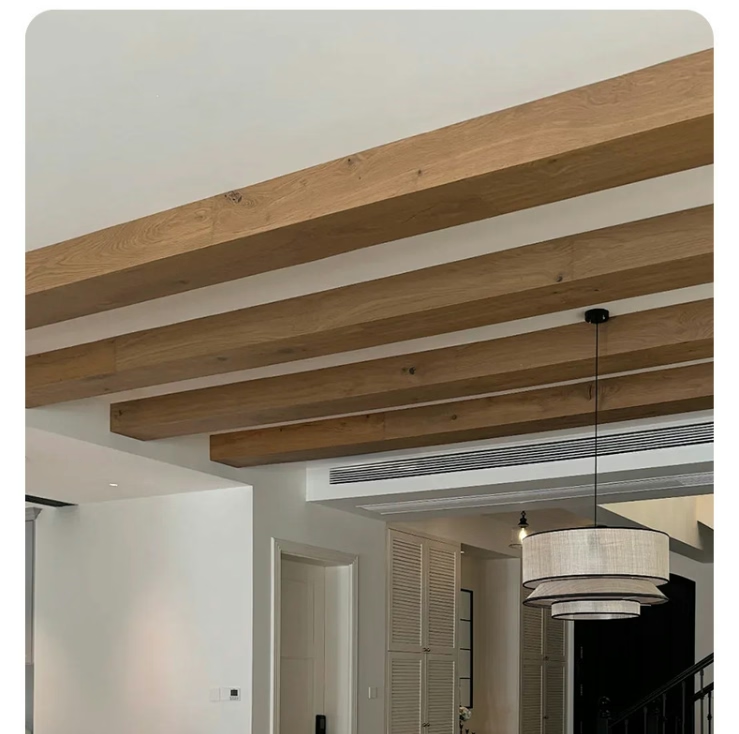
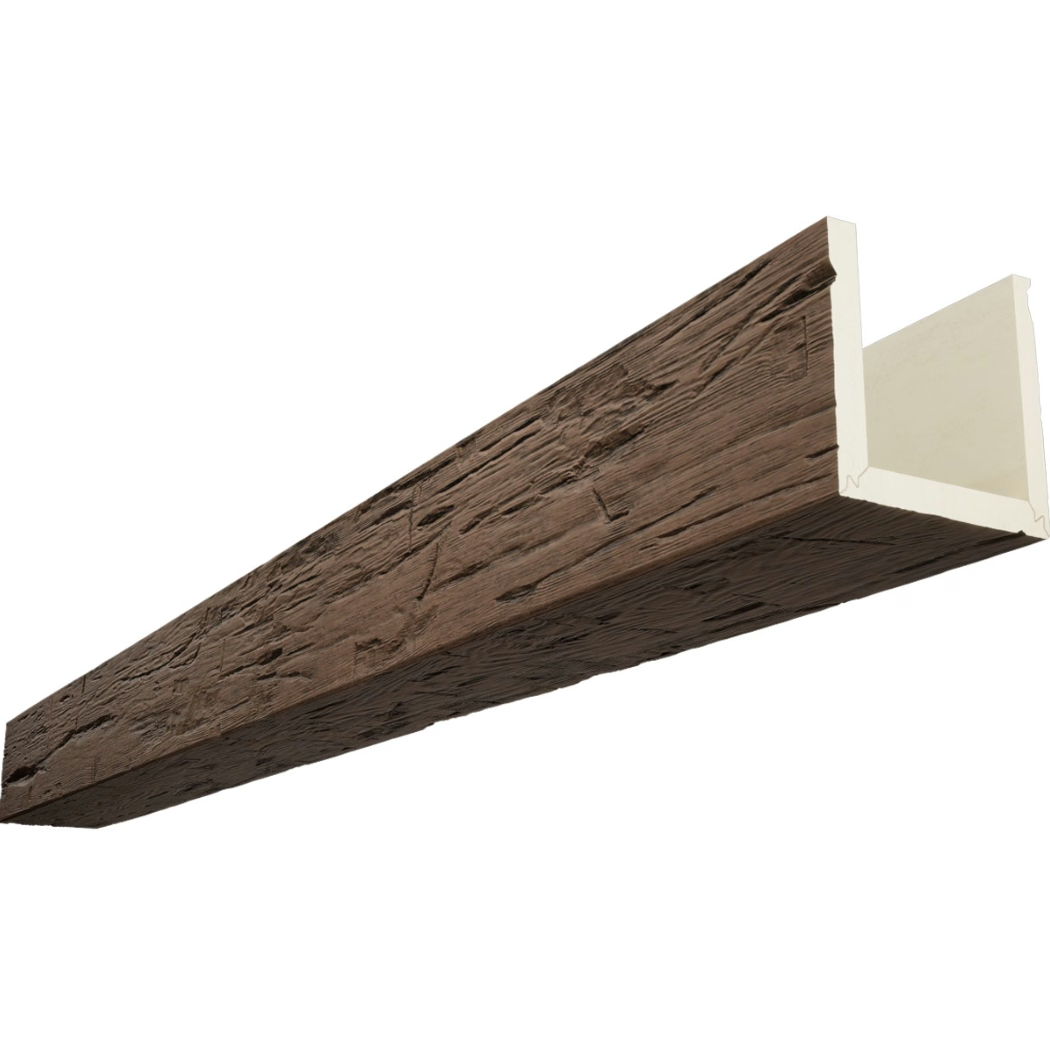
Event venues face relentless pressure to differentiate themselves in competitive markets. Couples planning weddings, corporations organizing conferences, and individuals celebrating milestones all seek distinctive settings that transform ordinary gatherings into unforgettable experiences. Ceiling architecture provides powerful differentiation opportunity, and PU faux wood beams deliver the visual impact that makes venues memorable.
The Venue Differentiation Challenge
Venue selection involves emotional decision-making alongside practical logistics. Brides visualize their celebration in spaces that inspire, while event planners seek environments that reflect their clients' brand values. Spaces featuring architectural interest capture attention and bookings that generic alternatives struggle to secure.
Beyond initial attraction, venues must photograph well for social sharing and future marketing. Events generate thousands of images shared across platforms, serving as continuous marketing for venues. Ceiling elements visible in these images contribute significantly to perceived venue quality and booking appeal.
Faux wood beams offer particular advantages for venues seeking distinctive positioning. The warmth and character these elements provide cannot be achieved through paint or wallpaper alternatives. The architectural authenticity that beams suggest elevates entire spaces without requiring structural modification or extended renovation timelines.
Load Capacity and Safety Considerations
Venues must prioritize safety while delivering aesthetic ambition. Unlike genuine timber, PU beams impose minimal load requirements on supporting structures. This characteristic enables installation in buildings where structural timber would trigger expensive reinforcement or prove entirely impractical.
Event venues host diverse activities including dance floors, suspended decorations, temporary stages, and lighting rigs. Planning beam installations should account for these varied uses. Professional installers specify appropriate mounting systems that accommodate expected loads while maintaining safety margins.
Building codes for assembly venues impose specific requirements that affect material selection and installation approach. Fire ratings become essential considerations for spaces hosting large gatherings. Quality faux beam manufacturers provide documentation supporting code compliance, enabling installations that satisfy regulatory requirements.
Flexibility for Varied Event Types
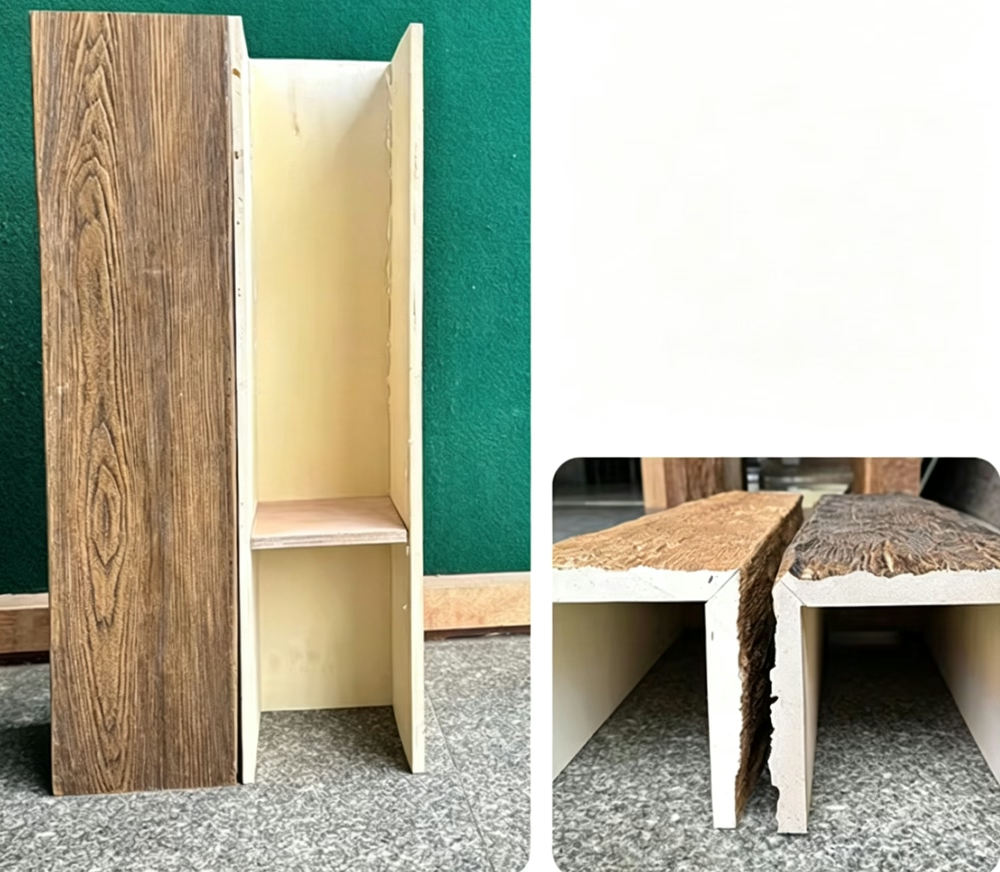
Versatile venues serve broader markets and maintain higher utilization rates. Beam installations should support this versatility rather than limiting event types or styling options. Consider how different events interact with ceiling architecture when planning installations.
Wedding receptions often feature hanging installations including florals, chandeliers, and draping. Beams provide perfect mounting points for these decorative elements, adding architectural interest while serving practical purposes. Plan attachment provisions that accommodate varied decorative approaches.
Corporate events might require projection surfaces, speaker systems, or temporary signage. Beam installations should coordinate with these technical requirements rather than creating obstacles. Professional planning identifies potential conflicts and specifies solutions that accommodate diverse event needs.
Acoustic Performance Enhancement
Event venues must manage acoustics for speeches, music, and general conversation. Ceiling treatments significantly affect acoustic properties, making beam installations part of overall acoustic strategy. Consider how beam materials and arrangements influence sound quality throughout spaces.
Unlike hard reflective surfaces that create echo and reverberation, beam installations can incorporate acoustic materials that improve sound quality. Working with acoustic consultants during planning ensures installations support rather than compromise audio performance.
Background noise from HVAC systems, traffic, and adjacent activities affects event experience significantly. Beam installations can incorporate sound-absorbing materials that reduce these disturbances, creating more comfortable environments for focused events and intimate conversations.

Lighting Design Integration
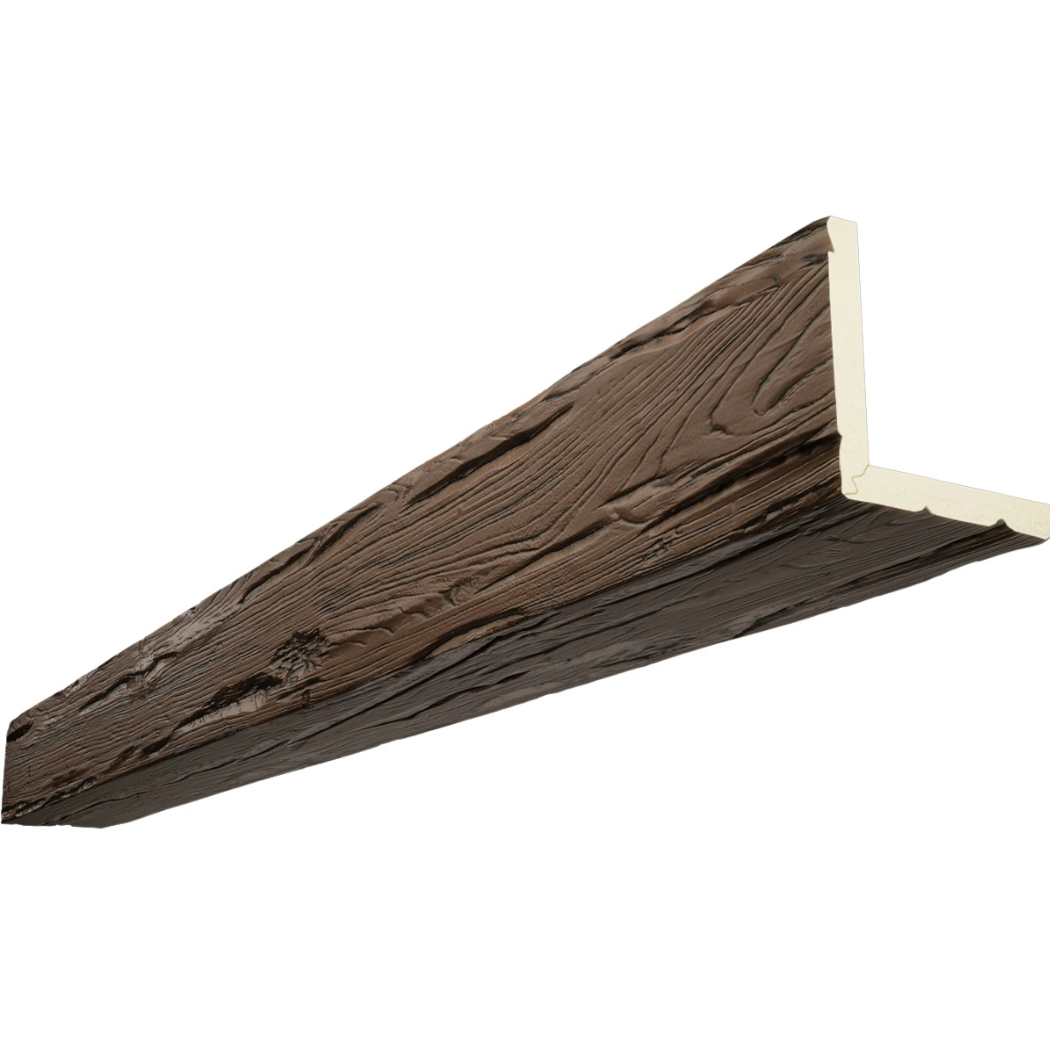
Event venues rely heavily on lighting to establish atmosphere and highlight architectural features. Beam installations should integrate with lighting schemes rather than existing as isolated design elements. This integration creates cohesive environments that photography captures beautifully.
Uplighting beams creates dramatic effects that define spaces after dark. Color-changing lighting enables venues to transform appearance for different events, maximizing versatility without physical modification. Plan electrical provisions and mounting positions that accommodate these lighting approaches.
Daylight conditions vary throughout the year, affecting how spaces appear during daytime events. Beam selections should perform well across this range, maintaining visual appeal regardless of natural light availability. Professional consultation helps identify selections that achieve consistent impact.
Aesthetic Coordination With Event Styling
Venue architecture establishes foundations that event stylists build upon. Beam installations should provide flexible backdrops that complement diverse design approaches rather than demanding specific styles. This neutrality increases venue appeal across broader market segments.
Rustic and bohemian events pair naturally with weathered timber aesthetics. Modern minimalist celebrations benefit from clean-lined beams that contribute warmth without overwhelming contemporary design. The same beams serve multiple aesthetics when styled appropriately, maximizing venue flexibility.
Consider how beams photograph alongside common event elements including floral arrangements, table settings, and wedding parties. Installations should frame these elements harmoniously rather than competing for attention. Professional event designers appreciate venues that support their creative work rather than demanding compromise.
Weather and Environmental Considerations
Indoor-outdoor venues present unique challenges for material selection. Spaces with operable walls, natural ventilation, or significant environmental exposure require materials that tolerate conditions. PU beams handle temperature variation and humidity fluctuation without damage that genuine timber would experience.
Seasonal variations affect venues with limited climate control. Summer heat, winter cold, and shoulder-season transitions all affect material performance. Quality faux beams maintain appearance and structural integrity across these ranges, providing reliable performance regardless of seasonal conditions.
Exterior applications adjacent to indoor spaces might require additional consideration. Pool enclosures, covered patios, and similar transitional spaces benefit from beam installations that complement interior architecture while tolerating exterior exposure. Select products designed for these applications rather than interior-only materials.
Maintenance for High-Volume Operations
Event venues experience intensive use that accelerates wear on all surfaces. Beam installations must withstand this use while maintaining appearance that justifies premium pricing. PU materials provide advantages through durability that reduces maintenance demands.
Establish cleaning protocols appropriate for event venue conditions. Decorative installations, catering activities, and guest behavior all introduce soil and potential damage. Regular cleaning maintains appearance while preventing buildup that becomes difficult to address.
Periodic inspection ensures mounting systems remain secure despite continuous use. Vibration from music, guest activity, and equipment operation all stress attachments over time. Professional maintenance includes inspection and adjustment that prevents failures that could prove dangerous or costly.
Technical References
ASTM standards cited in every specification
Test Data
Lab results from internal testing program
Updated 2026
Reviewed against current product specs