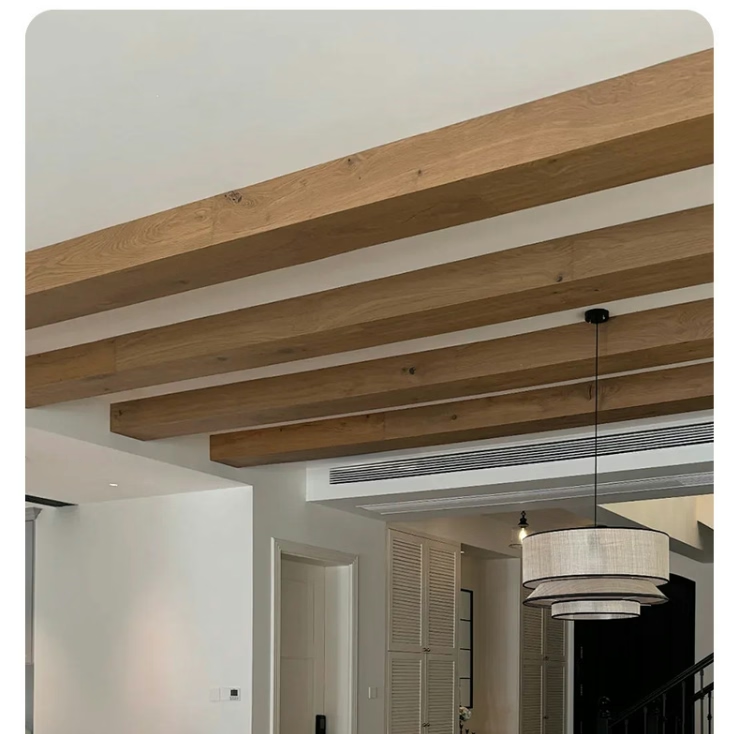
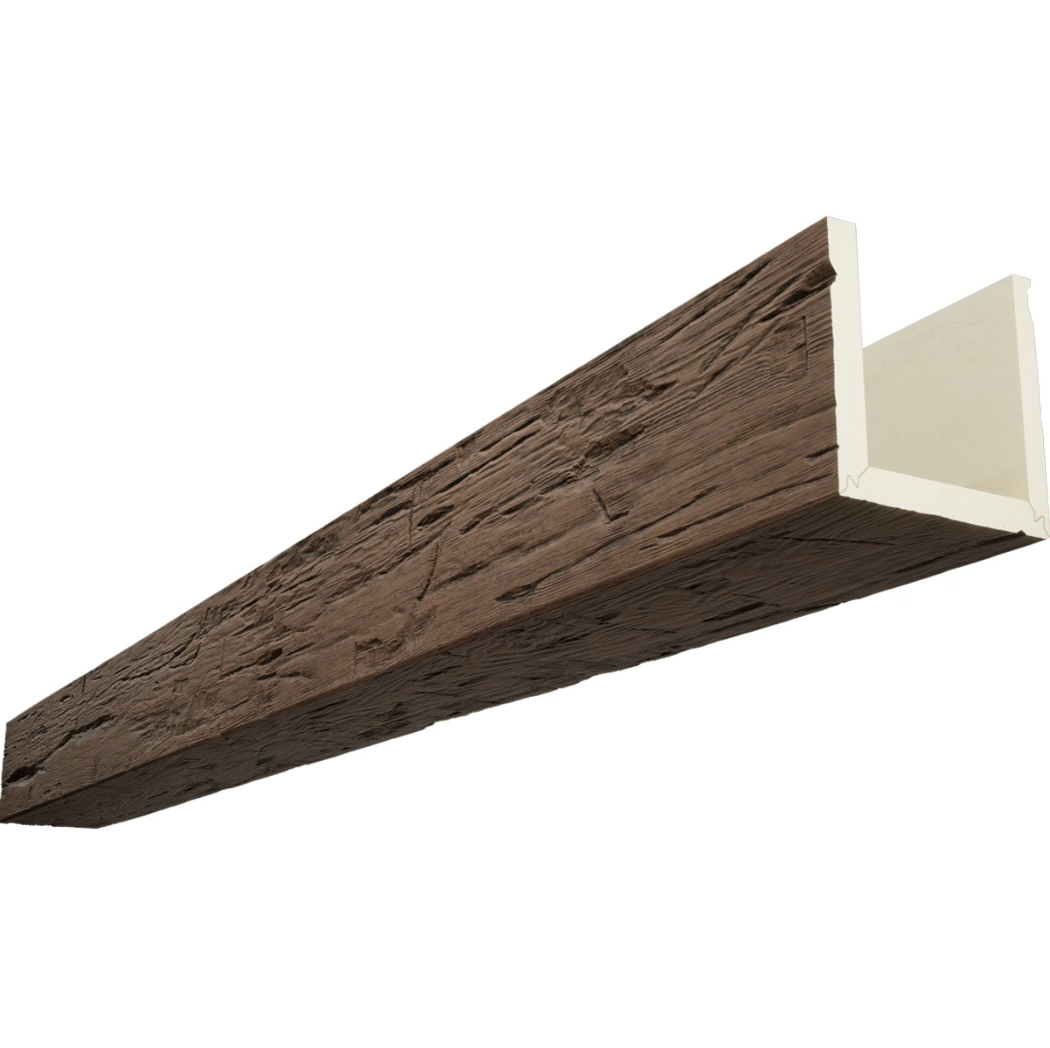
Hospitality competition intensifies constantly as travelers encounter increasingly diverse accommodation options. Budget chain hotels compete on price while luxury properties differentiate through distinctive experiences that justify premium rates. Ceiling architecture represents an underutilized opportunity for hospitality operators seeking competitive advantages that guests remember and share.
The Hospitality Differentiation Opportunity
Guest room design has evolved significantly from standardized templates that prioritized efficiency over experience. Today's travelers expect environments that photograph well, feel distinctive, and create memorable stays. Properties failing to meet these expectations lose ground to competitors investing in guest experience enhancement.
Ceiling treatments distinguish properties more effectively than wall and floor modifications that guests encounter in every room. Standard room configurations rarely feature architectural ceiling detail, making beam installations powerful differentiators. A guest checking into a beam-ceilinged room experiences immediate evidence of premium positioning that reinforces rate justification.
Beyond initial impression, ceiling architecture affects how spaces feel during stays. Beams add warmth and character that transforms standard hotel rooms into destinations rather than mere sleeping arrangements. This enhanced experience generates positive reviews that drive future bookings through word-of-mouth and platform recommendations.
Practical Benefits for Hospitality Operations
Hotel renovation presents unique challenges that faux beam installations address effectively. Room turnaround must proceed rapidly to minimize occupancy losses. Faux beams install faster than genuine timber alternatives, reducing out-of-service time during upgrades. Surface-mounting methods avoid the disruption and dust associated with traditional construction.
Maintenance requirements in hospitality environments exceed those in residential contexts. Housekeeping teams clean rooms efficiently, and materials must tolerate frequent attention without damage. PU beams accept standard cleaning products and resist the wear that genuine timber experiences from regular cleaning cycles.
Guest room durability proves essential for properties hosting diverse travelers with varied behaviors. Accidental impacts, luggage contact, and cleaning equipment all challenge surface materials. Faux beams resist this abuse while maintaining appearance, protecting renovation investments through sustained visual quality.
Design Approaches for Different Hotel Positions
Luxury boutique hotels benefit from substantial beam installations that reinforce artisanal positioning. These properties promise distinctive character that mass-market competitors cannot replicate. Beams contribute authentic architectural detail that supports this narrative, making luxury positioning credible rather than merely asserted.
Upscale select-service hotels might deploy more modest beam treatments that add sophistication without overwhelming efficient room configurations. These properties balance premium positioning with operational efficiency, requiring beam selections that enhance without complicating housekeeping or guest experience.
Extended-stay properties benefit from residential aesthetics that help guests feel at home during longer visits. Beam installations add domestic warmth that distinguishes these properties from temporary housing alternatives. The architectural detail creates permanence that extended-stay guests particularly appreciate.

Guest Room Application Strategies
Bedroom ceilings typically receive priority attention for beam installations. These spaces set the tone for overnight stays, and architectural detail here establishes premium positioning before guests engage with other room areas. Consider how beams photograph from the bed perspective, as this angle dominates guest photography.
Bathroom ceilings present opportunities for unexpected luxury that delights guests. Steam and moisture in bathroom environments make faux beams attractive through moisture resistance that genuine timber cannot provide. These surprising details create memorable moments that guests specifically mention in reviews.
Closet and dressing areas might seem unlikely beam locations, yet these utilitarian spaces benefit from architectural attention. Beams in walk-in closets create boutique dressing room atmospheres that distinguish properties offering extended-stay amenities. Small details aggregate into comprehensive premium experiences.
Coordinating With Hospitality Lighting
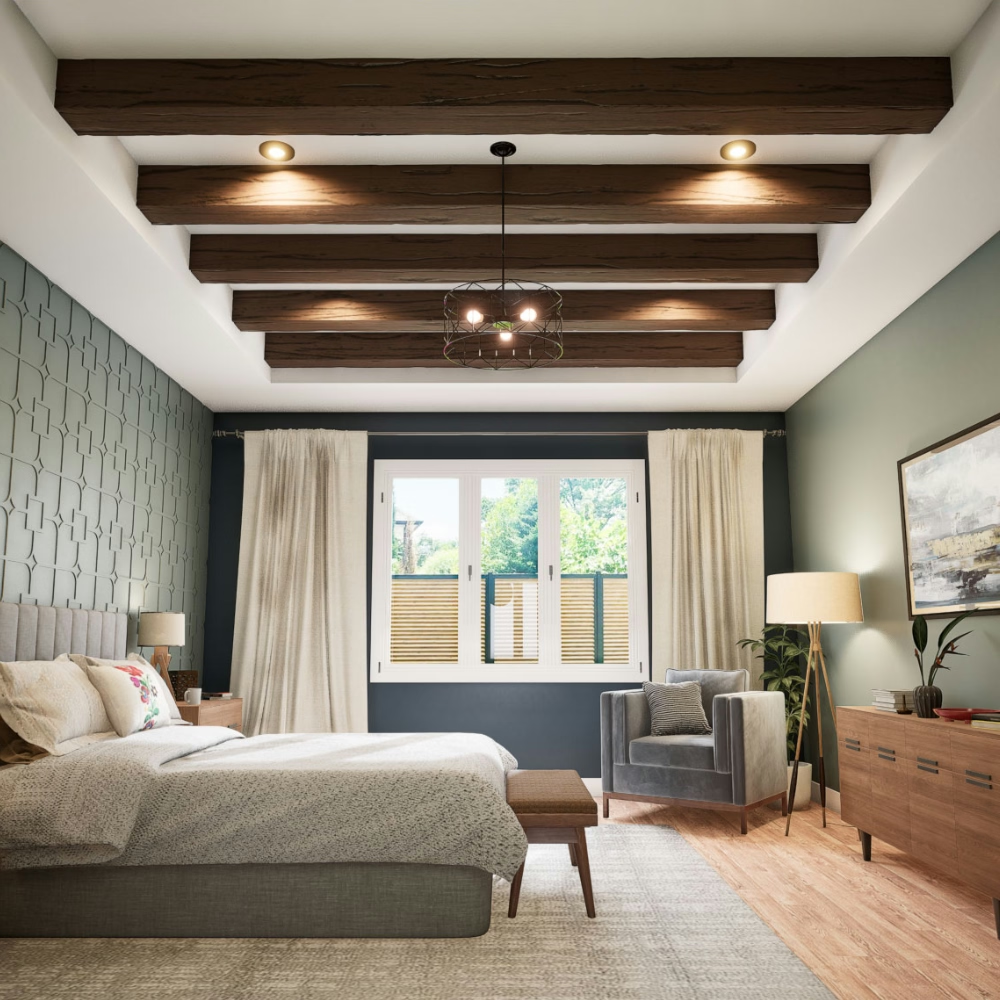
Hospitality lighting design balances ambiance with functionality, requiring fixtures that serve practical needs while contributing to designed atmospheres. Beam installations should integrate with these lighting schemes, providing mounting opportunities or shadow effects that enhance illumination design.
Bedside reading lamps typically mount on walls or feature pendant installations that beam positions should accommodate. Plan beam spacing to frame these fixtures appropriately, creating compositional relationships rather than arbitrary placements. Professional lighting design optimizes these relationships during renovation planning.
Consider how housekeeping and maintenance staff interact with lighting systems during beam installation. Fixtures must remain accessible for bulb replacement and cleaning without compromising beam appearance. Design installations that accommodate operational realities rather than ignoring them.
Brand Consistency Across Properties
Hospitality operators managing multiple properties require design consistency that establishes brand identity while accommodating local variations. Beam selections should support this balance, offering standard options that create brand recognition alongside customization opportunities that respect property uniqueness.
Color palettes and finish selections establish brand visual language that repeat guests recognize across properties. Standard beam specifications ensure new installations match existing properties, maintaining brand consistency as portfolios expand or renovate. Document specifications comprehensively for future reference.
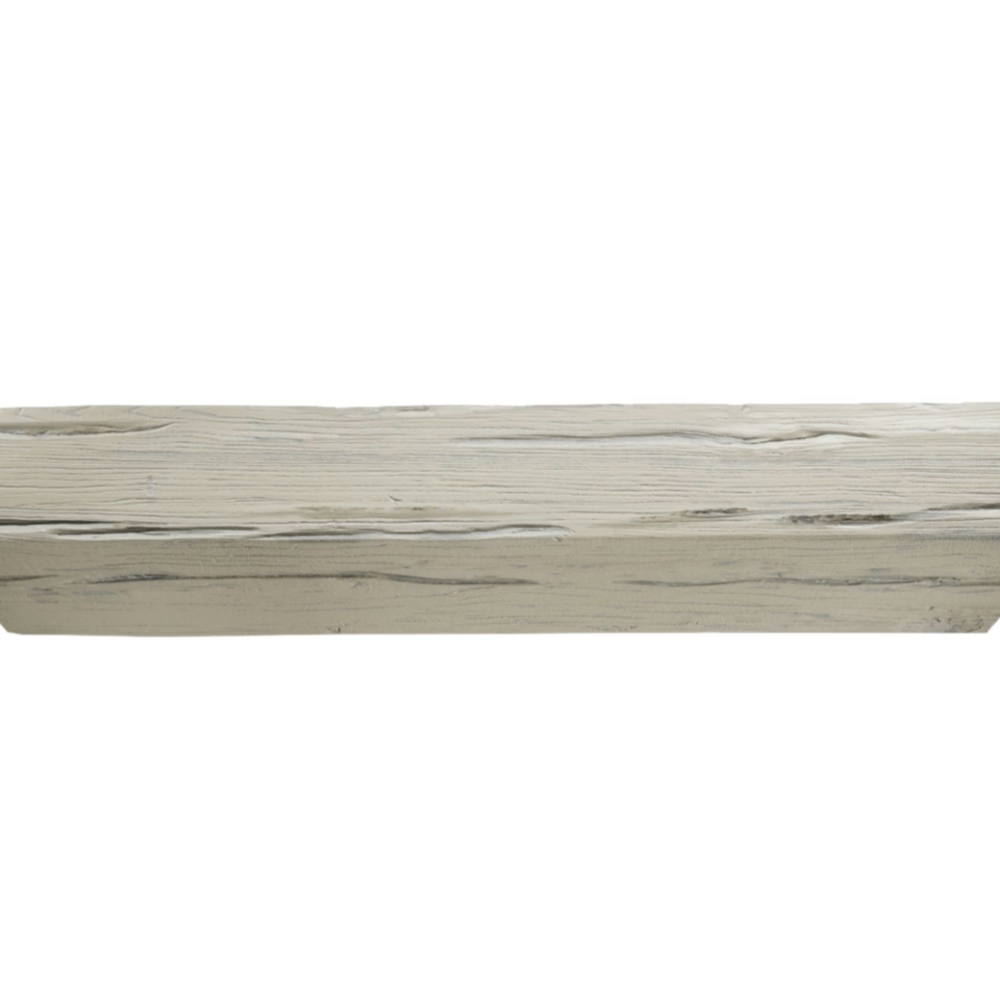
Local market positioning might require property-specific approaches within brand guidelines. A beachfront property might feature lighter beam finishes that complement coastal aesthetics while mountain properties employ darker tones. These variations within brand frameworks accommodate market positioning while maintaining recognizable brand identity.
Investment Analysis for Hospitality Operators
Room rate premiums achievable through renovation depend on competitive market positioning and property quality level. Beam installations contribute to premium positioning that supports rate increases, though the exact premium depends on comparable alternatives and guest demographic characteristics.
Occupancy impact from renovation affects financial calculations significantly. Faster installation reduces out-of-service time and associated revenue loss. Calculate installation timelines against realistic occupancy scenarios to understand actual financial implications of renovation timing.
Long-term maintenance savings from durable faux beams improve investment returns compared to materials requiring frequent replacement. Genuine timber demands periodic refinishing, insect treatment, and structural attention that faux alternatives avoid entirely. These operational savings compound over property holding periods.
Technical References
ASTM standards cited in every specification
Test Data
Lab results from internal testing program
Updated 2026
Reviewed against current product specs