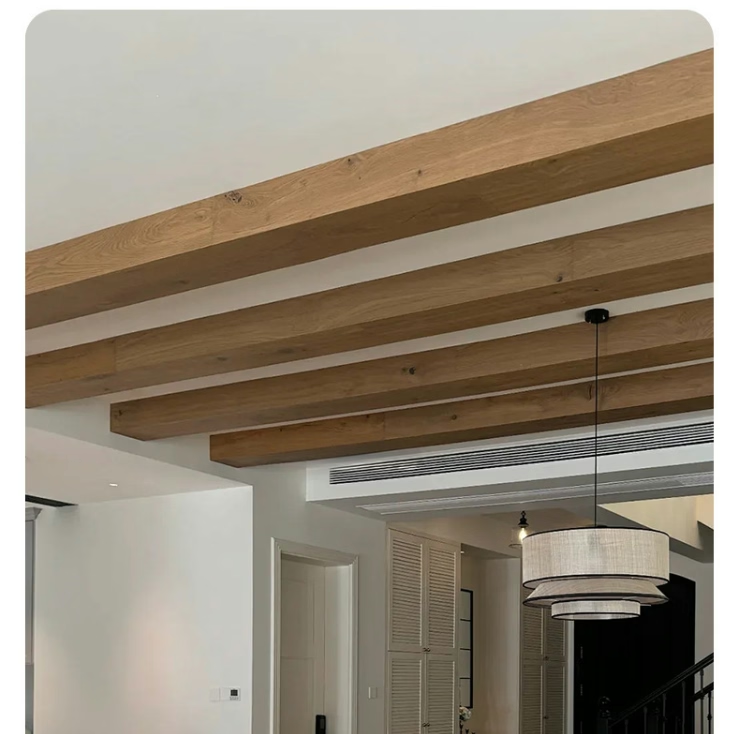
Hospitality success depends on understanding what guests remember and share. Beyond comfortable beds and convenient locations, distinctive design elements create experiences worth discussing with friends and posting on social platforms. Ceiling architecture provides powerful differentiation opportunity that properties rarely exploit fully, leaving competitive advantages unclaimed.
What Guests Actually Notice
Travelers form impressions through sensory experiences that operate below conscious awareness. Ceiling details register during room entry before attention consciously focuses on overhead architecture. This subliminal perception influences mood and satisfaction without guests articulating specific design elements.
Review analysis reveals consistent themes in guest feedback mentioning design features. Warmth, character, and visual interest appear repeatedly in descriptions of memorable stays. These qualities beam installations provide more efficiently than alternative approaches that require more maintenance or replacement over time.
Social media activity documents what guests consider worth sharing publicly. Room photographs shared across platforms consistently feature distinctive design elements including ceiling details. Properties lacking these features miss opportunities for organic marketing that generates booking interest without advertising expense.
Styling Strategies for Guest Room Appeal
Guest room styling must accommodate diverse traveler preferences while maintaining distinctive positioning. Beam selections should provide flexible backdrops that complement rather than dictate room styling approaches. Neutral foundation elements support broader appeal than highly styled alternatives that limit market segments.
Color coordination requires attention during beam specification. Warm wood tones create welcoming atmospheres that photograph consistently across lighting conditions. Cooler finishes might clash with common bedding and soft goods, creating visual conflict that undermines designed intentions.
Consider how beams interact with window treatments and curtain placements. These elements share visual territory near ceiling lines, requiring coordination that prevents awkward overlaps or competing visual weight. Professional interior design ensures harmonious relationships between ceiling and window elements.
Material Performance in Hospitality Contexts
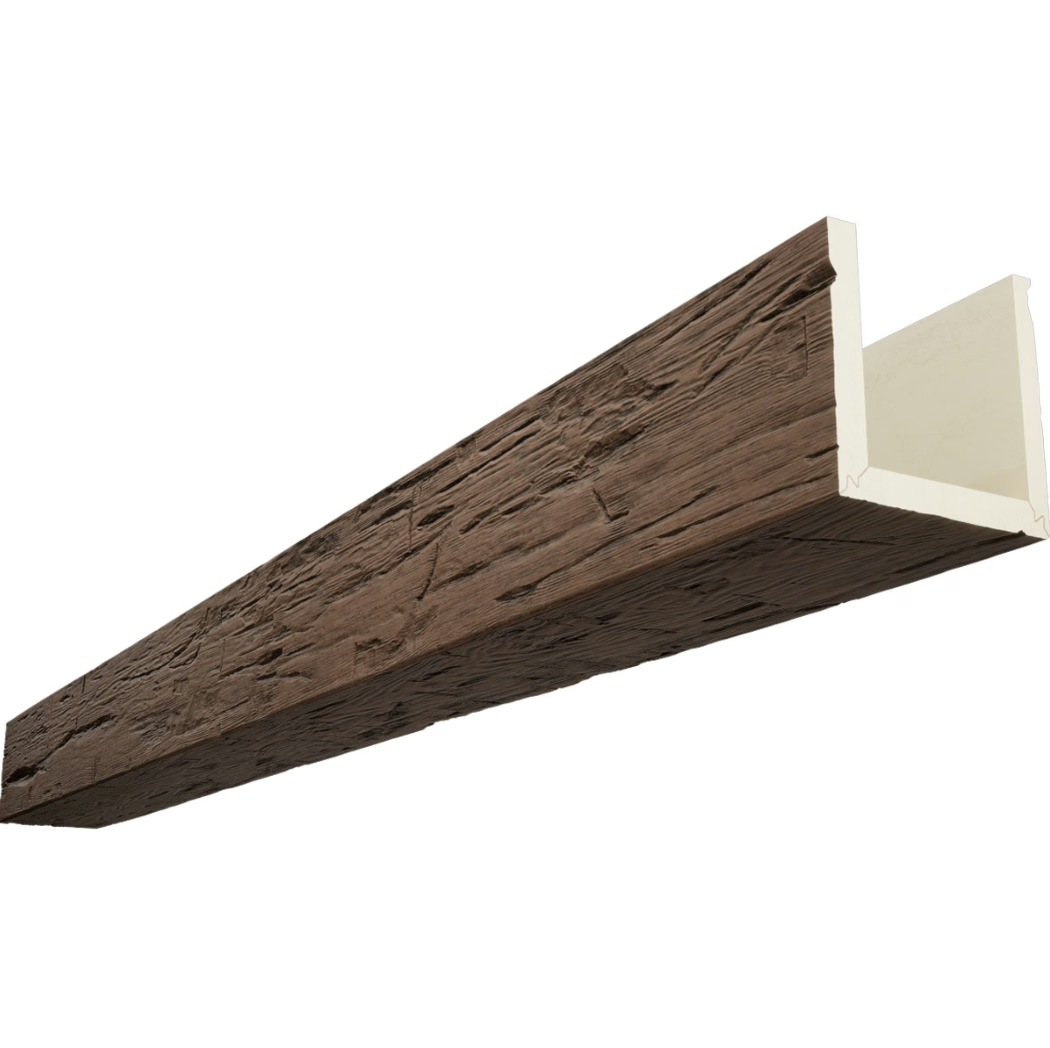
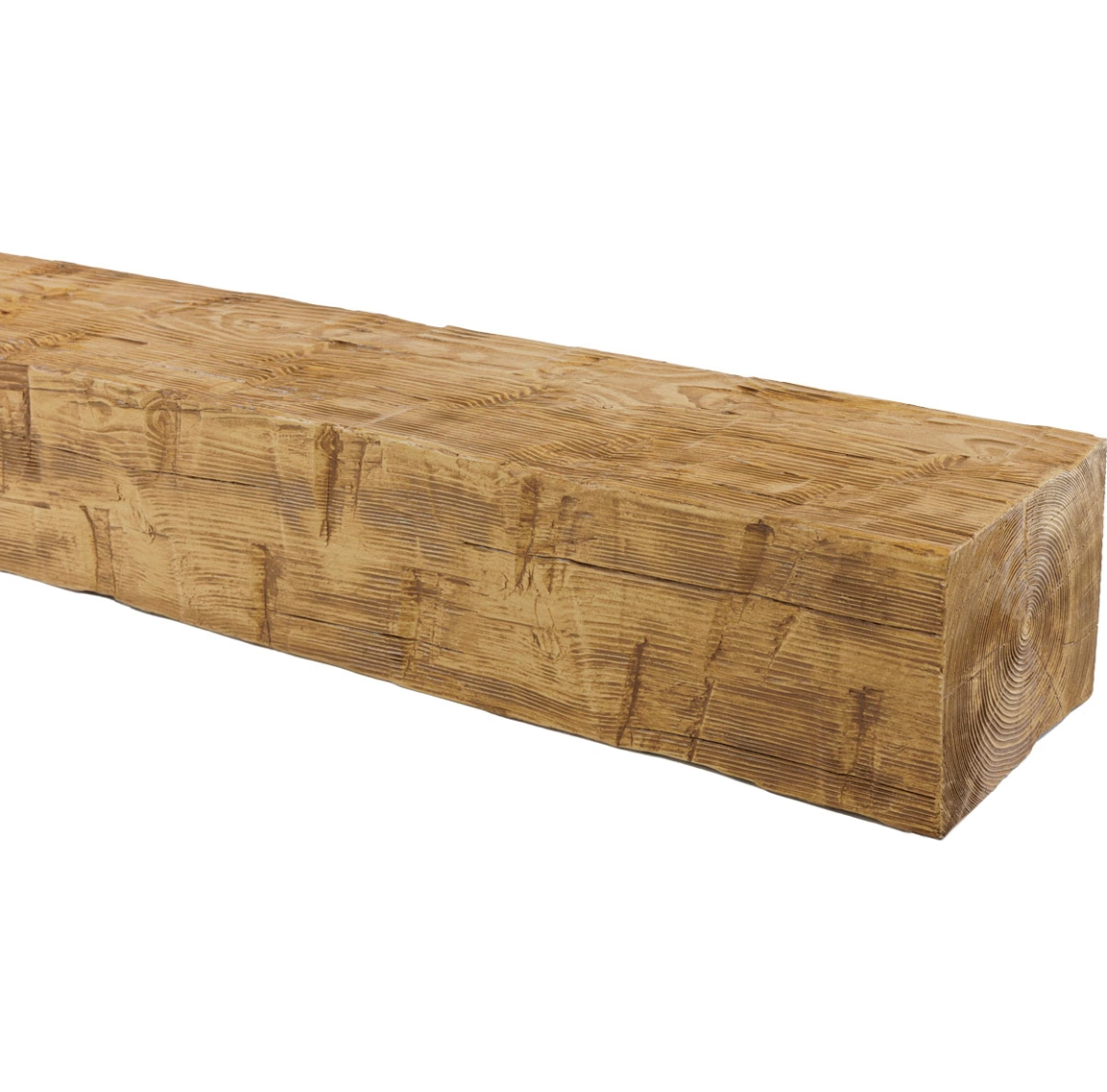
Hotel rooms experience conditions that challenge many materials. Humidity from bathroom usage, temperature fluctuations from climate control cycling, and UV exposure through windows all stress surface materials over time. Faux beams handle these conditions without the maintenance demands genuine timber requires.
Cleaning frequency in hospitality environments far exceeds residential contexts. Housekeeping teams work efficiently, using products and methods designed for rapid turnover. Materials must tolerate this treatment without surface degradation or appearance changes that compromise designed aesthetics.
Stain resistance matters in hospitality applications where accidental spills and contact occur regularly. PU beam surfaces resist staining from common hospitality challenges including hair products, beverages, and cosmetics. This practical performance protects designed appearance through years of intensive use.

Photography and Marketing Integration
Professional room photography drives booking decisions across all travel segments. Ceiling details visible in these images significantly influence perceived room quality, making beam installations marketing investments beyond their design contributions. Plan installations with photography in mind.
Natural light photography reveals beam textures and colors most accurately. Schedule professional photography during optimal daylight conditions that showcase ceiling architecture effectively. Artificial lighting creates shadows and color shifts that might misrepresent finished appearance.
Marketing copy should reference ceiling features specifically, drawing attention to design investments that justify premium positioning. Properties describing "architectural ceiling details" or "warm timber-inspired ceilings" create expectations that beam installations fulfill, reinforcing premium rate justification.
Guest Experience Enhancement
Beyond visual appeal, ceiling architecture affects spatial perception and psychological comfort. Beams add visual weight that makes oversized rooms feel more intimate and purposeful. This spatial optimization improves guest comfort during extended stays when rooms might otherwise feel cavernous.
Acoustic properties improve subtly with beam installations that break up large ceiling expanses. Echo and reverberation reduce in beam-treated rooms, creating more comfortable environments for conversation, work, and rest. These practical improvements complement aesthetic contributions.
Temperature perception also responds to ceiling design. Darker beam finishes absorb heat that lighter ceilings reflect, creating subtle warming effects appropriate for certain climates or seasons. Consider how beam selection might complement heating and cooling strategies in different property locations.
Operational Considerations for Property Managers
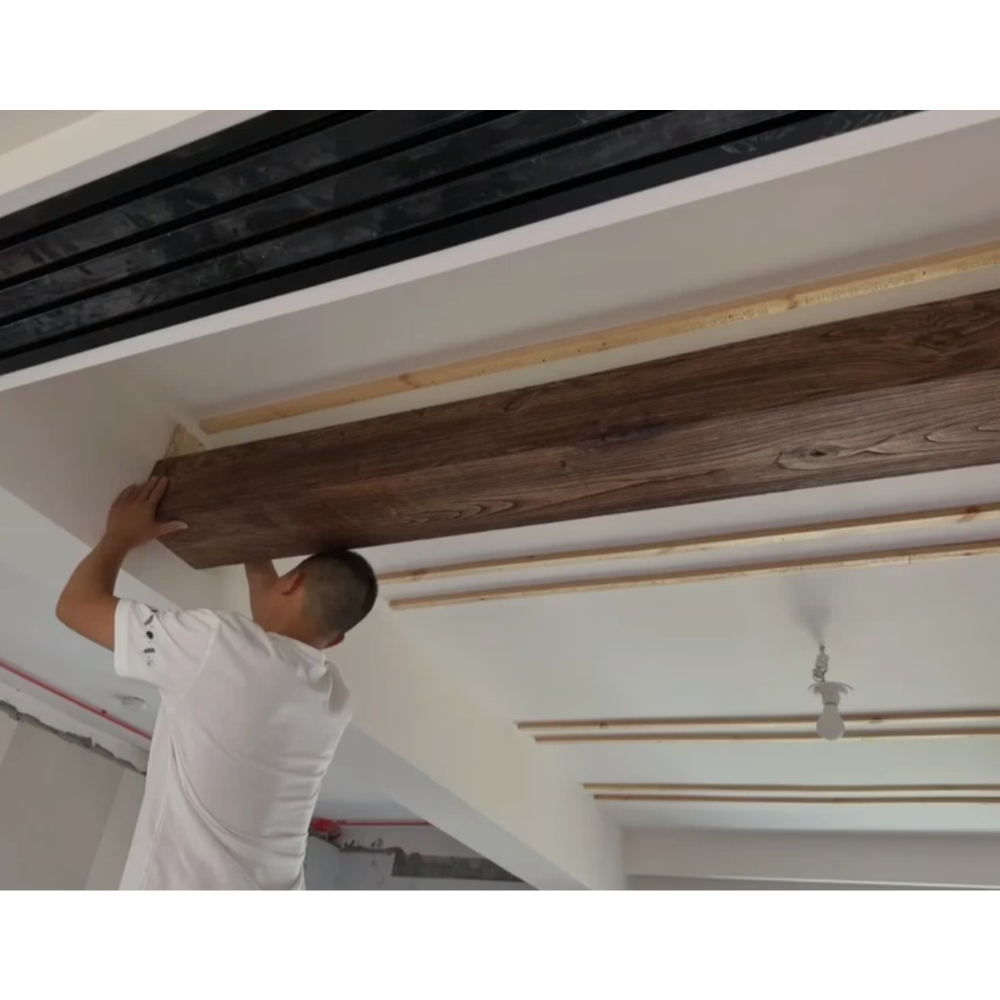
Housekeeping training should address beam maintenance specifically, ensuring staff understand appropriate cleaning methods and products. While PU beams tolerate standard cleaning, certain abrasive products or techniques might affect surface appearance over time. Clear guidance protects renovation investments.
Inspection protocols should include beam condition assessment during regular room checks. Loose attachments or surface damage can develop over time, particularly in high-traffic properties. Early identification enables prompt repair before issues compromise guest experience or require costly remediation.
Vendor relationships matter for ongoing maintenance and future expansion. Establish relationships with installers who understand hospitality requirements including rapid response and minimal disruption. These partnerships support sustained quality across property portfolios.
Competitive Positioning Through Design
Market analysis should inform beam installation decisions that affect competitive positioning. Properties competing primarily on price rarely justify premium design investments, while those targeting experience-focused travelers benefit substantially from distinctive architecture. Match investment levels to market positioning accurately.
Review monitoring reveals how guests perceive design investments compared to competitors. Properties with beam installations that outperform comparable alternatives validate design investment strategies. Conversely, markets where guests prioritize other features might require different improvement approaches.
Future competitive landscape planning should anticipate how design investments age over typical property holding periods. Timeless beam selections maintain relevance longer than trendy alternatives, protecting investments through sustained competitive positioning. Professional design consultation helps identify selections that age gracefully.
Technical References
ASTM standards cited in every specification
Test Data
Lab results from internal testing program
Updated 2026
Reviewed against current product specs