
Bars and nightlife venues compete intensely for attention in saturated markets. Successful establishments create atmospheres that transcend simple drinking, offering experiences worth seeking out and sharing socially. Ceiling architecture provides powerful differentiation opportunity that many operators overlook, leaving distinctive positioning unrealized.
Bar Atmosphere and Guest Experience
Nightlife success depends on emotional response that transcends beverage transactions. Guests choose venues based on atmosphere, social signaling, and memorable experience potential. Design elements that contribute to these qualities deserve priority attention from operators seeking competitive advantages.
Ceiling visibility affects guest perception throughout visits. Unlike walls that conversation partners observe selectively, ceilings occupy peripheral vision continuously. Architectural interest overhead creates constant atmospheric presence that floor and wall treatments cannot match. This ambient impact influences mood and behavior in ways guests rarely articulate.
Photography frequency at bars and restaurants has increased dramatically with social media adoption. Guests document experiences constantly, creating visual records that reach far beyond actual visitors. Ceiling details visible in these images determine whether venues earn organic promotion through shared content or remain invisible in crowded feeds.
Modern Bar Design Aesthetic Considerations
Contemporary bar design favors clean lines and intentional minimalism over ornate traditional approaches. Beam selections should align with current aesthetic sensibilities rather than borrowing from rustic or vintage vocabularies that date quickly. The goal involves timeless architecture that sustains appeal across design trend cycles.
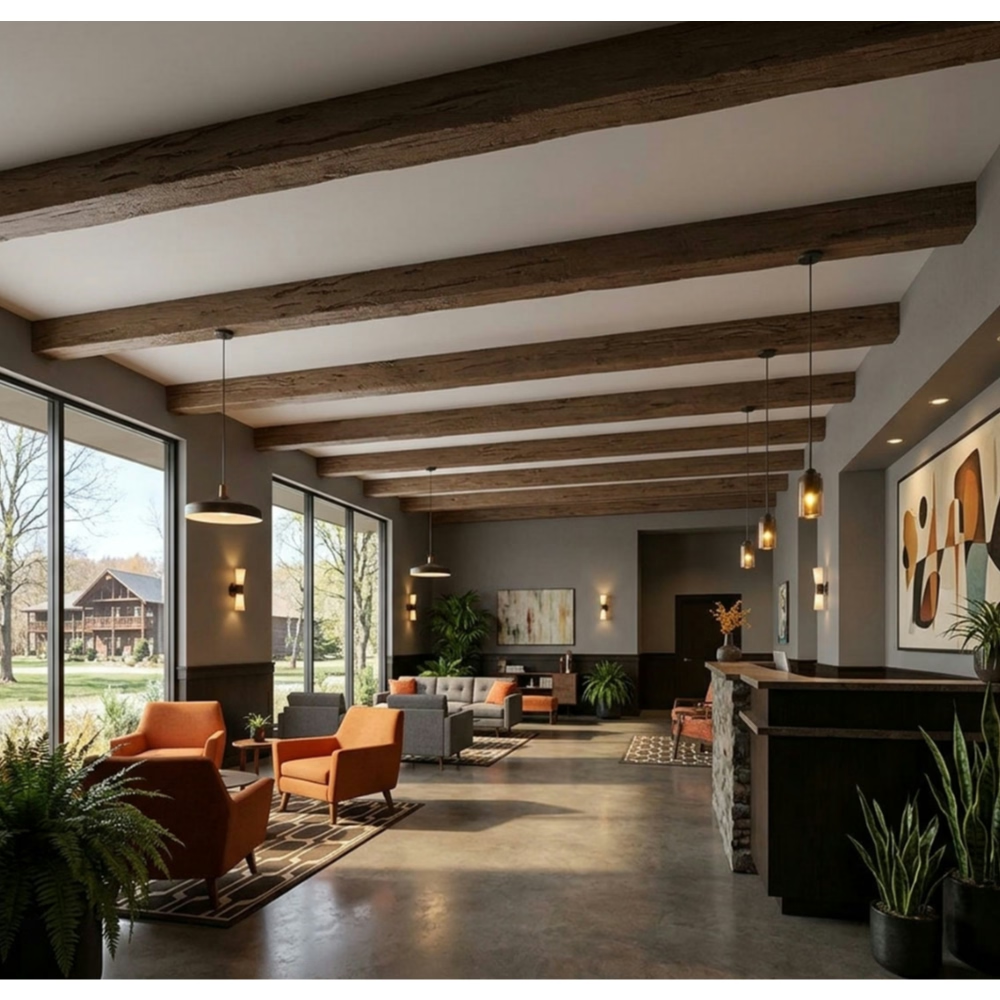
Industrial and warehouse conversions represent popular bar typologies that suit beam installations particularly well. These spaces typically feature exposed infrastructure, high ceilings, and substantial square footage that beam treatments can anchor effectively. The authenticity these spaces promise aligns naturally with architectural beam aesthetics.
Minimalist approaches increasingly dominate bar design in urban markets. Strategic single-beam installations create focal points without overwhelming sparse interior schemes. These restrained applications prove more effective than elaborate treatments that compete with cocktail presentations and social activity.
Strategic Placement for Maximum Impact
Bar ceilings offer opportunities for targeted impact rather than comprehensive coverage. High-visibility zones near bars, seating areas, and entry points merit priority attention. Secondary areas can receive less elaborate treatment, concentrating visual investment where it generates maximum return.
Back bar areas deserve particular consideration given their prominence in photography and guest sightlines. Beam installations here frame beverage displays and bartending activity, creating composed scenes that photograph exceptionally well. These installations benefit from their relationship with already-architectural back bar structures.
Ceiling sections above prominent seating deserve complementary treatment that coordinates with back bar emphasis. Creating visual hierarchy that guides attention toward primary focal points requires thoughtful placement. Professional design consultation optimizes these relationships for specific spatial configurations.
Material Performance in Nightlife Environments
Bars present challenging conditions for interior materials. Late-night activity, alcohol exposure, and cleaning schedules stress surfaces continuously. Faux beams handle these conditions without the vulnerability genuine timber exhibits, maintaining appearance through years of intensive use.
Moisture resistance proves particularly valuable in bar environments where drinks spill regularly and humidity fluctuates with door opening during warm evenings. PU materials won't swell, warp, or stain from liquid exposure that damages natural wood alternatives. This practical advantage reduces maintenance requirements significantly.
Impact resistance matters in spaces where elbows, glasses, and various objects occasionally contact overhead surfaces. Staff moving quickly during busy service periods might contact beams accidentally. Faux materials tolerate these impacts without visible damage that would require repair attention.

Lighting Integration for Nighttime Drama
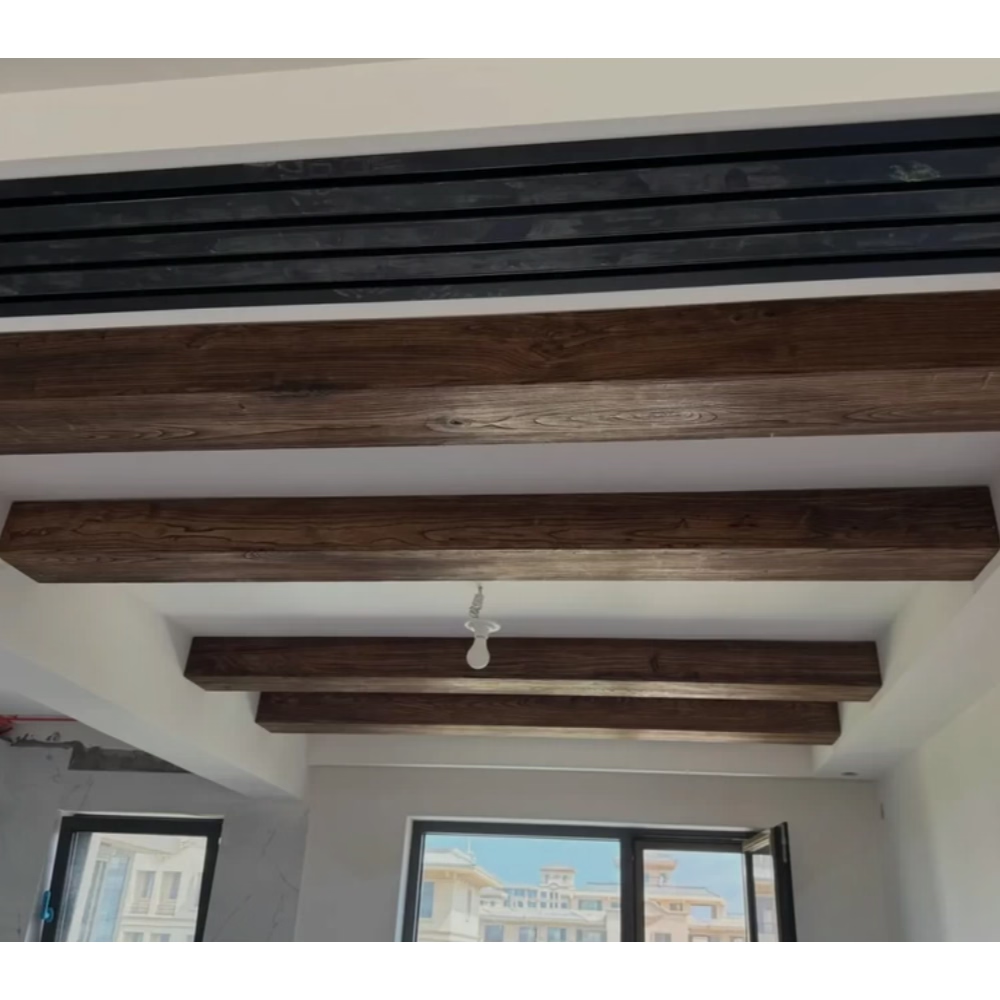
Bars operate primarily during evening hours when artificial lighting dominates spatial perception. Beam installations should perform specifically well under the lighting conditions bars actually experience rather than assuming daylight relevance. Test samples under actual bar lighting before finalizing specifications.
Uplighting creates dramatic pools of light that define spatial zones and establish atmosphere. Color-changing systems enable venue transformation for different events or evening phases, maximizing versatility without physical modification. These lighting approaches require coordination during beam planning to achieve optimal effects.
Pendant fixtures positioned between beams add intimate illumination at seating heights. This layered approach creates visual depth that flat ceilings cannot achieve, transforming standard spaces into designed environments. Consider how these fixtures photograph alongside beams in social content.
Branding Through Ceiling Architecture
Bar branding extends beyond logos and signage into spatial identity that guests experience viscerally. Beam installations contribute to this identity through material selection, arrangement style, and finish characteristics. These elements communicate brand personality before verbal communication occurs.
Upscale cocktail lounges benefit from refined beam selections that suggest sophistication without ostentation. Sleek profiles, premium finishes, and thoughtful placement reinforce positioning that justifies premium pricing. Guests should feel the attention to detail that distinguishes venues from casual alternatives.
Casual neighborhood bars might employ warmer, more approachable beam treatments that welcome diverse clientele. These selections support community gathering functions that distinguish local venues from destination establishments. Match architectural character to actual brand positioning rather than aspirational styling.
Acoustic Considerations for Conversation
Bars must balance energetic atmosphere with functionality for conversation. Excessive reverberation makes communication difficult, undermining the social function bars serve. Ceiling treatments affect acoustic properties, making beam installation part of overall acoustic strategy.
Beam arrangements can incorporate acoustic panels that reduce unwanted reflection while maintaining aesthetic objectives. These combinations address practical requirements without compromising designed appearance. Professional acoustic consultation during planning prevents costly remediation after construction completes.
Music systems in bars require careful acoustic consideration to function properly. Beam installations that interfere with speaker placement or create problematic reflections affect audio quality throughout spaces. Coordinate with audio professionals during design phases to achieve optimal results.
Maintenance for High-Traffic Operations
Late-night operations make daytime maintenance challenging, requiring efficient protocols that minimize disruption. Beam surfaces should tolerate standard bar cleaning products and methods without requiring special attention. This practical consideration protects designed appearance through ongoing operations.
Establish inspection routines that identify any developing issues before they become problems. Vibration from music systems, accidental impacts, and settling all stress beam installations over time. Professional maintenance includes attention to these factors that preserve designed quality.
Technical References
ASTM standards cited in every specification
Test Data
Lab results from internal testing program
Updated 2026
Reviewed against current product specs


