
Coffee culture has evolved into visual culture where cafes compete as much on Instagram potential as beverage quality. Customers seek environments that feel worth visiting and sharing, creating marketing value through organic social content. Ceiling architecture provides powerful visual interest that transforms ordinary spaces into destinations worth documenting.
The Instagram Effect on Cafe Design
Social media documentation has fundamentally altered how cafes must approach interior design. Spaces that photograph well generate exposure that traditional advertising cannot match in cost efficiency. This organic marketing opportunity makes design investment essential rather than optional for serious cafe operators.
Ceiling details appear prominently in cafe photography due to camera angles and shooting positions. Customers capturing flat-lay beverage images inevitably include overhead context that either supports or undermines aesthetic intentions. Beams provide visual interest that elevates these common photographs, creating shareable content consistently.
Beyond photography, social proof through reviews and check-ins influences venue selection for younger demographics. Spaces featuring distinctive design elements attract attention that generic alternatives cannot generate. Beam installations contribute to this distinctive character that drives customer acquisition.
Aesthetic Approaches for Different Cafe Concepts
Specialty coffee shops targeting serious coffee enthusiasts might favor minimal aesthetic approaches that let beverage quality dominate. Beams in these contexts should complement rather than compete, adding warmth without distracting from coffee experience. Subtle installations support positioning without undermining core proposition.
All-day cafes serving diverse customer segments require more versatile aesthetics that accommodate varied use cases. Breakfast crowds, remote workers, afternoon social gatherings, and evening events all create different atmosphere requirements. Beam selections should provide flexible foundations that support multiple applications.
Instagram-focused venues might prioritize dramatic installations that maximize photographic impact. These establishments succeed through visual appeal rather than coffee excellence, requiring beam selections optimized for documentation and sharing. Understand your actual value proposition before selecting aesthetic approaches.
Color and Finish Selection
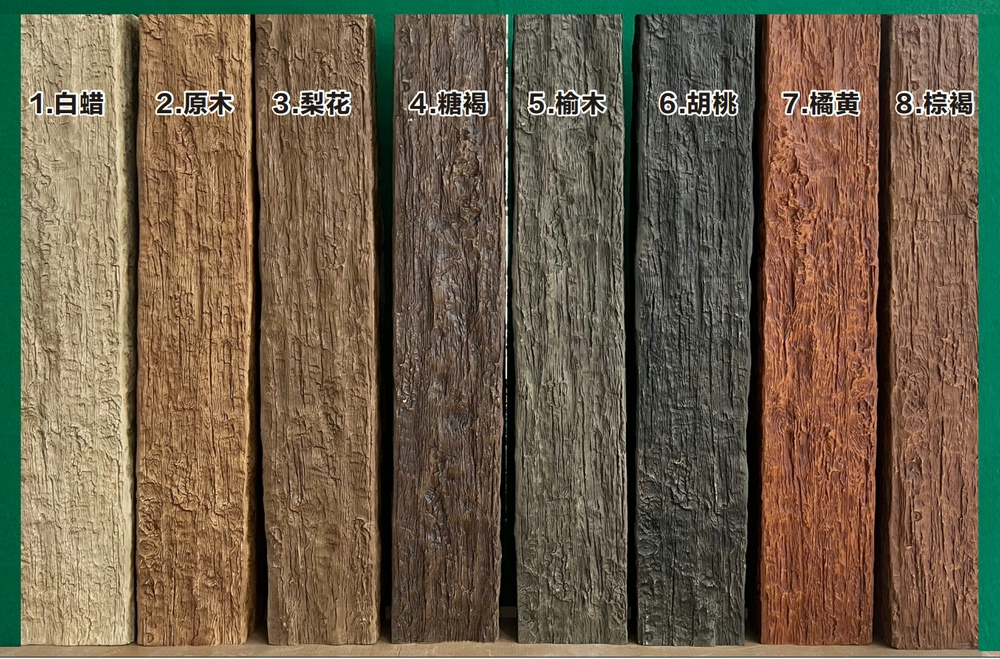
Warm wood tones photograph exceptionally well under the natural and artificial lighting common in cafes. These finishes create the cozy atmosphere that encourages lingering, supporting per-customer revenue generation that latte-art competitors depend upon. Cooler or grayer finishes might feel less inviting despite appearing modern.
Consider how beam finishes interact with menu boards, packaging, and merchandise that share visual space. Coordinated color relationships create cohesive environments that feel designed rather than assembled. Disconnected selections create visual confusion that undermines aesthetic objectives.
Painted finishes offer alternatives for cafes seeking specific color coordination. White beams brighten compact spaces effectively while maintaining architectural interest. Colored beams might support brand identity or seasonal decoration themes. Evaluate how these options photograph under actual conditions.
Layout Integration With Seating Zones
Cafe layouts typically feature distinct zones serving different customer needs. Window seating, communal table areas, and intimate corners all present different ceiling conditions and usage patterns. Beam installations should respond to these variations appropriately.
Window seating zones benefit from beams that frame views and add warmth to naturally lit areas. These prominent positions warrant careful placement that photographs well from both interior and exterior viewpoints. Consider how these installations appear in window reflections as customers photograph beverages.
Communal seating areas accommodate diverse groups and activities. Beam installations should support these varied uses without creating awkward obstacles for large group gatherings. Plan sightlines and spatial flow to ensure beams enhance rather than impede operational efficiency.

Lighting Coordination for Ambiance
Cafes require layered lighting that serves multiple functions throughout operating hours. Morning light differs dramatically from afternoon and evening conditions. Beam installations should perform across this range, maintaining appeal regardless of time or natural light availability.
Pendant fixtures suspended from beams add intimate illumination at table heights while maintaining visual connection to ceiling architecture. These combinations create depth that flat ceilings cannot achieve, establishing the designed environment that distinguishes cafes from quick-service alternatives.
Accent lighting positioned to highlight beam texture adds dramatic effect during evening hours. This specialized illumination transforms spaces for different dayparts, enabling venues to shift atmosphere without physical modification. Plan electrical provisions during initial installation to enable these possibilities.
Material Selection for Food Service Environments
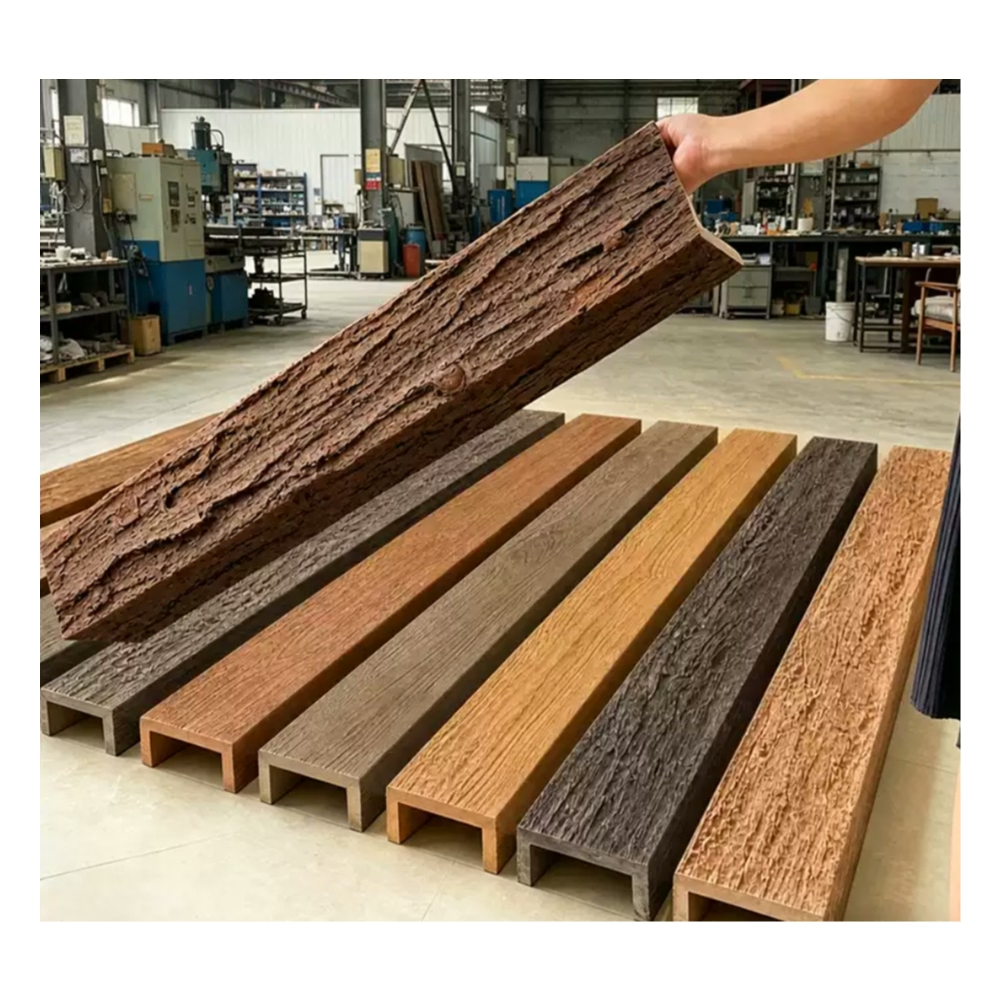
Health regulations in food service require surfaces that tolerate cleaning and sanitation protocols. Beam installations near food preparation areas must accept appropriate cleaning products without surface degradation. PU materials provide this tolerance while maintaining appearance through intensive maintenance.
Steam and moisture from espresso machines and brewing equipment affect nearby surfaces regularly. Spaces with significant beverage preparation activity require materials that won't absorb moisture or develop mold concerns. Faux beams handle these conditions without the vulnerability genuine timber exhibits.
Customer behavior introduces additional challenges including accidental spills, sticky hands, and various contacts that stress surfaces. The durability of quality faux beams handles this abuse while maintaining designed appearance. This practical performance protects renovation investments through sustained visual quality.
Staff Workflow Considerations
Cafes feature complex operational patterns that design must accommodate. Servers carrying trays, customers navigating with laptops, and cleaning staff with equipment all interact with physical spaces. Beam installations should support rather than impede these activities.
Consider clear heights that accommodate servers carrying multiple cups overhead. Beams positioned too low create collision risks that endanger staff and damage installations. Professional installation accounts for realistic operational conditions rather than idealized scenarios.
Maintenance access for lighting fixtures and HVAC systems requires planning that accommodates ongoing operations. Beam arrangements should not prevent bulb replacement or filter changes that occur regularly. Design for accessibility that minimizes operational disruption.
Seasonal and Promotional Flexibility
Successful cafes refresh environments periodically to maintain customer interest and generate social content. Beam installations should support this flexibility through neutral foundations that accommodate seasonal decoration without requiring replacement.
Holiday periods and special events create opportunities for themed decoration that beams can support through appropriate mounting provisions. String lights, greenery, and various seasonal elements attach more easily to designed mounting points. Plan these provisions during initial installation.
Pop-up events and collaborative promotions increasingly feature in cafe marketing strategies. Beam installations should accommodate temporary modifications that support these activities without permanent alteration. This flexibility maximizes venue utilization across diverse opportunities.
Technical References
ASTM standards cited in every specification
Test Data
Lab results from internal testing program
Updated 2026
Reviewed against current product specs


