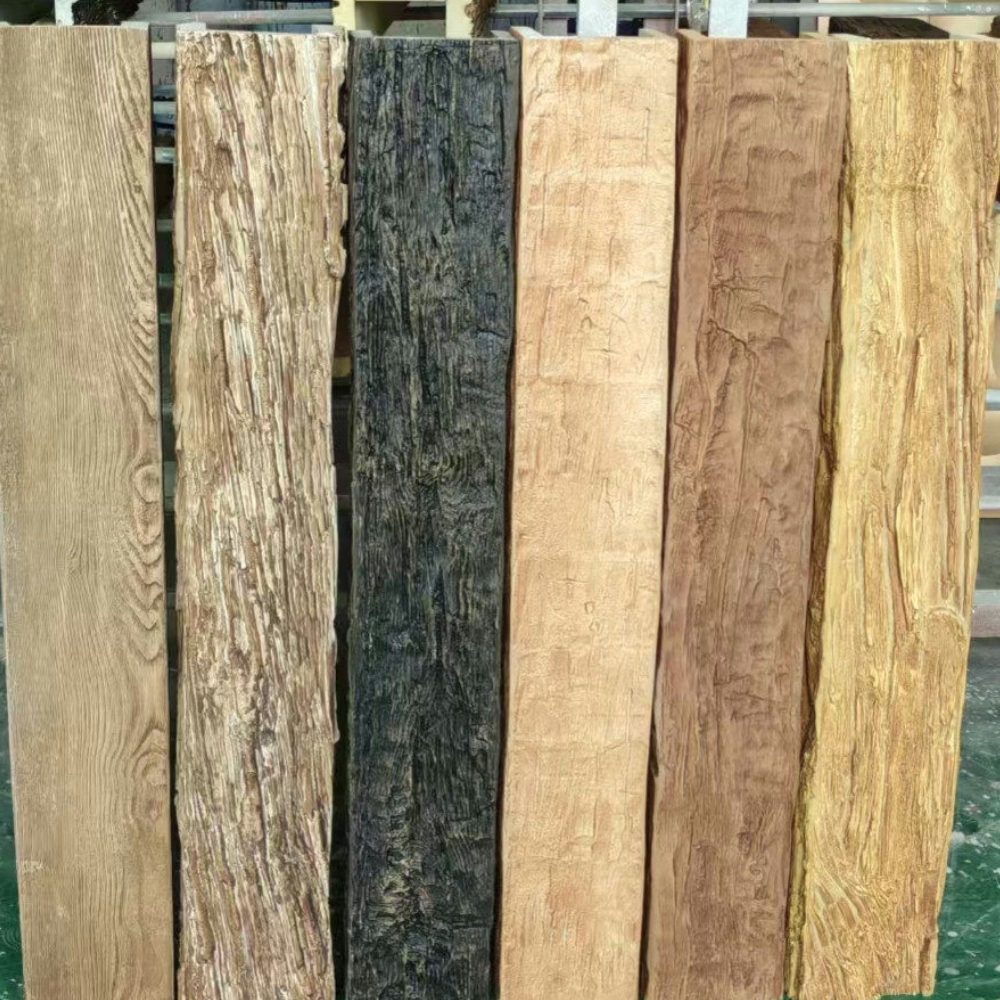
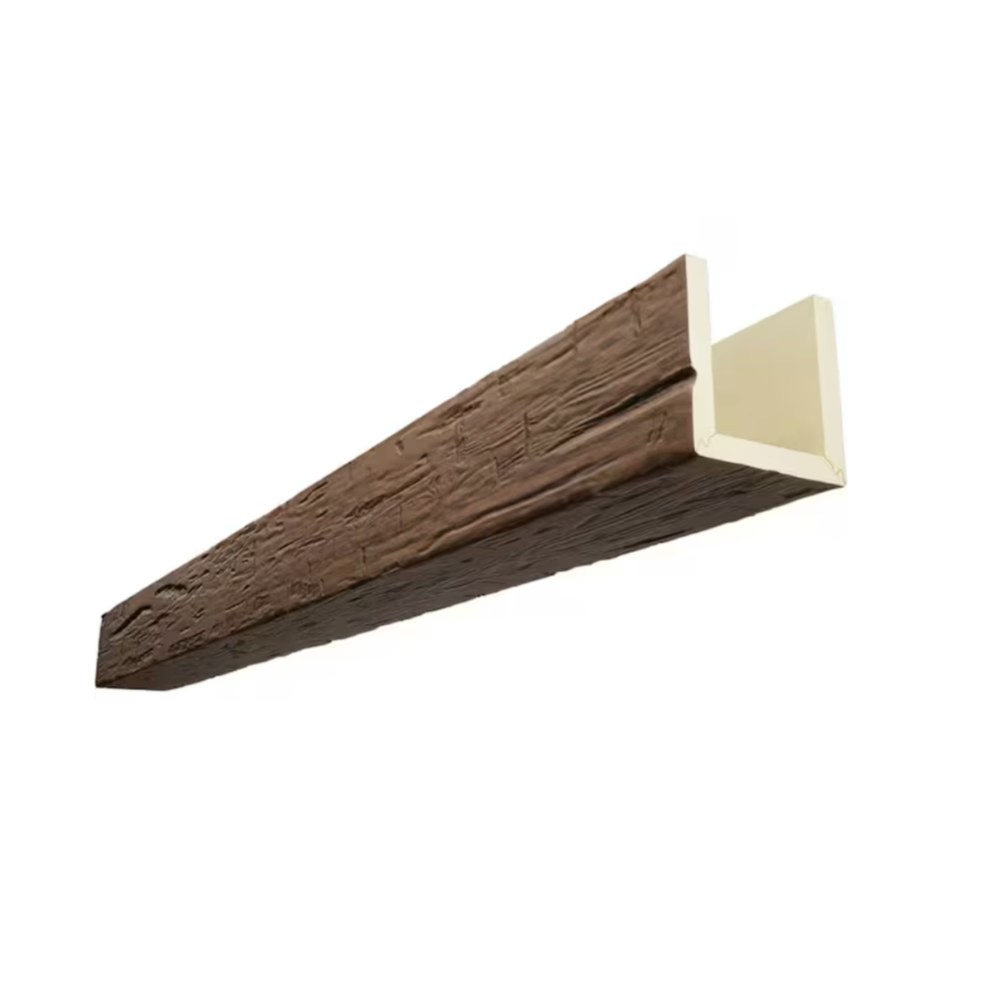
Modern architecture has long prioritized horizontal planes and minimal ornamentation, leaving ceilings often neglected in design attention. Yet overhead surfaces offer substantial opportunity for architectural interest that contemporary spaces desperately need. PU faux wood beams provide exactly the right balance, adding warmth and character while respecting the clean aesthetic that modern design demands.
The Modern Ceiling Opportunity
Contemporary interiors favor open plans, clean lines, and deliberate restraint. These qualities create sophisticated environments that photograph beautifully but can feel cold and unwelcoming during daily habitation. The challenge involves introducing warmth without compromising the aesthetic discipline that defines modern design.
Beams address this challenge directly. Natural wood tones introduce organic warmth that cannot be achieved through color alone. The texture and depth beams provide create visual interest without the ornamentation modern design explicitly rejects. This balance makes beams ideal architectural elements for contemporary spaces.
Ceiling treatments affect spatial perception dramatically. Vast overhead planes can feel cavernous and impersonal without visual anchors. Beams create scale reference and psychological grounding that makes modern spaces feel inhabited rather than merely occupied.
Defining Modern Beam Aesthetics
Modern design demands restraint that rustic or traditional beam styles violate. The goal involves architectural contribution through form and shadow rather than texture and ornament. Clean profiles with minimal detail achieve this objective more effectively than elaborate alternatives.
Profile selection determines architectural impact substantially. Simple rectangular sections with clean edges contribute contemporary qualities that detailed moldings cannot match. The absence of ornamentation becomes ornamentation through deliberate restraint.
Scale matters in modern contexts where proportion relationships define success. Beams must relate appropriately to room dimensions, furniture scale, and human presence. Overscaled beams overwhelm modern interiors while underscaled elements disappear into vast ceiling expanses.
Material and Finish Selection
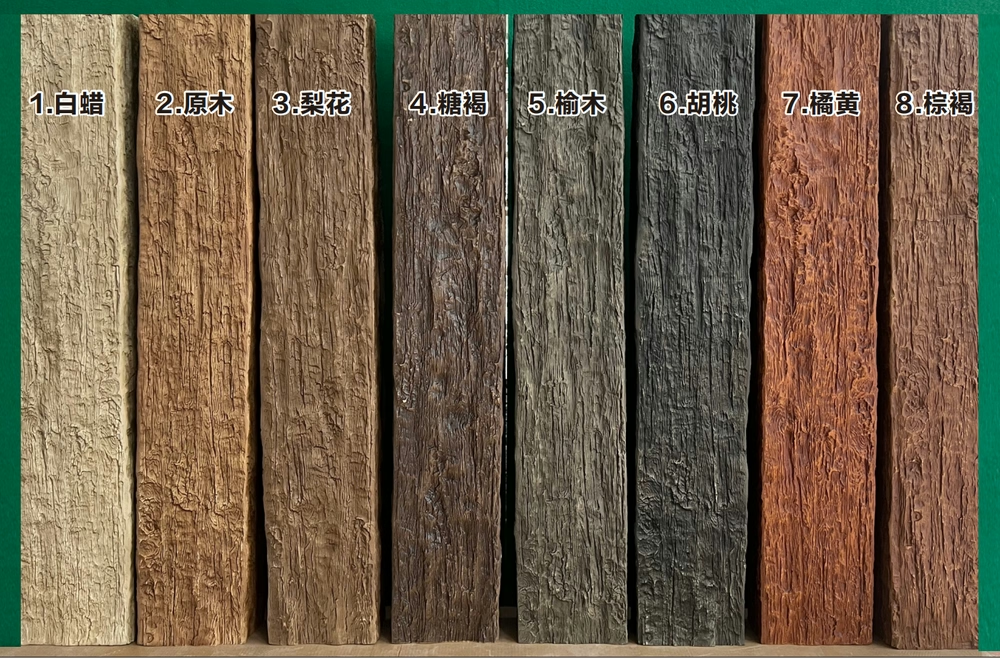
Modern spaces favor neutral finishes that coordinate rather than compete with surrounding elements. Light wood tones in matte finishes contribute warmth without introducing color that might conflict with diverse design elements. These selections support rather than dictate interior styling approaches.
Texture management proves essential for modern beam applications. Subtle grain patterns that read as authentic without appearing obviously timber-like work best. Overly pronounced texture suggests rustic applications incompatible with contemporary aesthetics. Professional guidance helps identify selections that achieve intended effects.
Painted beams in ceiling-matching colors create architectural interest through shadow and form alone. These applications maintain visual continuity while introducing the dimensional variation that prevents flatness. The restraint such applications demonstrate aligns perfectly with modern design principles.
Integration With Contemporary Architecture
Modern homes often feature architectural elements that beam installations must coordinate with. Exposed concrete, steel accents, and glass features all present context that beams should complement. Professional design considers these relationships comprehensively.
Structural elements including steel beams and support columns might already exist in contemporary spaces. Faux beams can frame or complement these elements, creating cohesive compositions that acknowledge existing architecture. This coordination prevents disconnected installations that feel arbitrary rather than intentional.
Mechanical systems in contemporary buildings require careful consideration. HVAC ductwork, recessed lighting, and home automation infrastructure all occupy ceiling space. Beam installations should work with these systems rather than creating obstacles that compromise functionality.

Lighting Design for Contemporary Spaces
Modern lighting emphasizes clean fixtures and deliberate illumination rather than elaborate chandeliers or decorative treatments. Beams should integrate with these principles, providing mounting opportunities for simple pendants or accommodating recessed fixtures between beam positions.
The interaction between beams and lighting creates shadow patterns that animate ceiling surfaces throughout the day. Natural light shifting across beam surfaces creates subtle movement that keeps spaces feeling alive. Plan beam orientation relative to window positions to maximize this effect.
Linear lighting systems positioned within beam configurations create dramatic effects appropriate for contemporary interiors. These installations require coordination during planning but deliver impact that surface-mounted fixtures cannot achieve. Professional electrical planning ensures clean integration.
Spatial Planning and Proportion
Modern spaces often feature high ceilings that require generous beam proportions to achieve visual presence. Measure actual ceiling heights and calculate appropriate beam dimensions that maintain proportional relationships. Professional consultation helps identify these relationships accurately.
Room proportions influence beam arrangement significantly. Long narrow spaces benefit from beams running perpendicular to length, creating visual narrowing that improves spatial perception. Square rooms might accommodate cross-beam arrangements or single dominant installations depending on specific characteristics.
Furniture arrangement should influence beam positioning to create compositional relationships between overhead and floor-level elements. Beams above dining tables, kitchen islands, or seating areas establish visual connections that organize spaces effectively. Plan beam placement with actual furniture locations in mind.
Maintenance for Contemporary Lifestyles
Modern interiors often prioritize low-maintenance materials that preserve designed appearance with minimal effort. Faux beams provide this performance, accepting standard cleaning without special treatment. The practical advantages complement aesthetic contributions.
Dust accumulation affects beams in all spaces, but modern interiors with clean finishes reveal particles more visibly. Establish cleaning routines appropriate for actual conditions, particularly in urban environments where air quality affects dust rates. Quality faux beams tolerate regular cleaning without surface degradation.
Surface damage from impacts or contact requires different considerations than genuine timber. While faux materials resist damage effectively, any repairs should match original finishes precisely. Maintain documentation of product specifications to enable accurate touch-up or replacement if needed.
Investment Considerations
Modern ceiling design through beam installation represents investment in spatial quality that affects daily life substantially. The transformation from flat ceiling to designed environment improves how spaces function and feel, generating returns through enhanced living experience.
Property value increases accompany quality beam installations in contemporary homes. Distinctive ceiling architecture differentiates properties in competitive real estate markets, potentially generating returns exceeding initial investment. Professional installation ensures results that achieve intended impact.
Technical References
ASTM standards cited in every specification
Test Data
Lab results from internal testing program
Updated 2026
Reviewed against current product specs