
Coffered ceilings represent one of architecture's most enduring decorative treatments, employed in everything from ancient Roman basilicas to contemporary residences. The geometric relief created by intersecting beams adds dimensional interest that flat ceilings cannot achieve, transforming rooms through shadows and scale that create immediate architectural presence.
Understanding Coffered Ceiling Design
Coffers function as architectural details that organize ceiling surfaces into defined geometric units. The repeating pattern creates rhythm that establishes visual order across previously undifferentiated surfaces. This organization makes vast ceilings feel composed rather than accidental, lending sophistication that enhances any room type.
Traditional coffered ceilings employed substantial timber beams that created deep shadows and dramatic relief. Modern interpretations might employ shallower profiles that achieve similar effects at reduced scale. The key principle involves grid-like organization that introduces architectural language beyond plain surface treatment.
Contemporary applications adapt classical precedents for modern sensibilities. Clean-lined coffer geometry without excessive ornamentation aligns with current aesthetic preferences. The fundamental principle of organized ceiling relief remains constant while stylistic expression evolves.
Benefits of Faux Materials for Coffered Applications
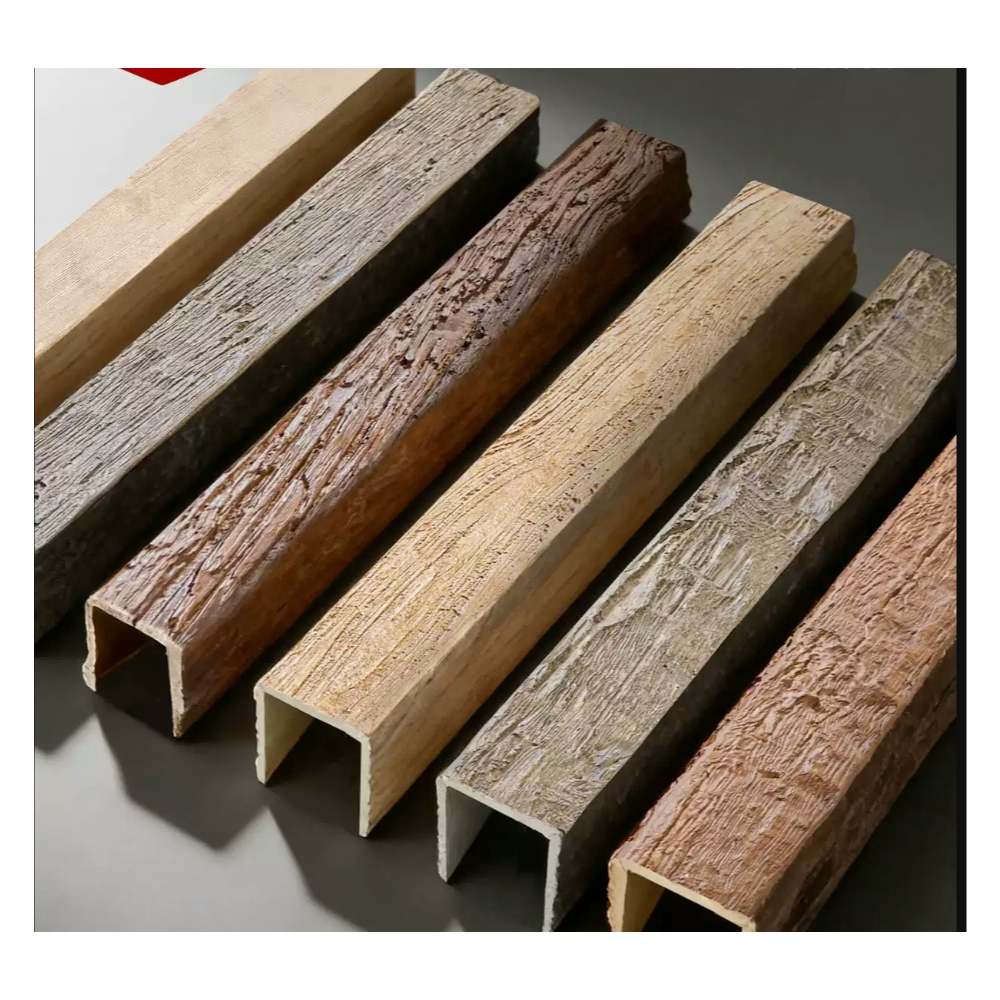
Genuine timber coffered ceilings require substantial structural support and skilled craftsmanship that dramatically increase project costs. Faux beam alternatives achieve comparable visual impact at fractions of the expense, making sophisticated ceiling architecture accessible to broader audiences.
Lightweight polyurethane enables coffered installations without ceiling reinforcement that genuine timber demands. This practical advantage expands application possibilities to properties where structural limitations would preclude traditional approaches. The democratization of design opportunity represents significant value.
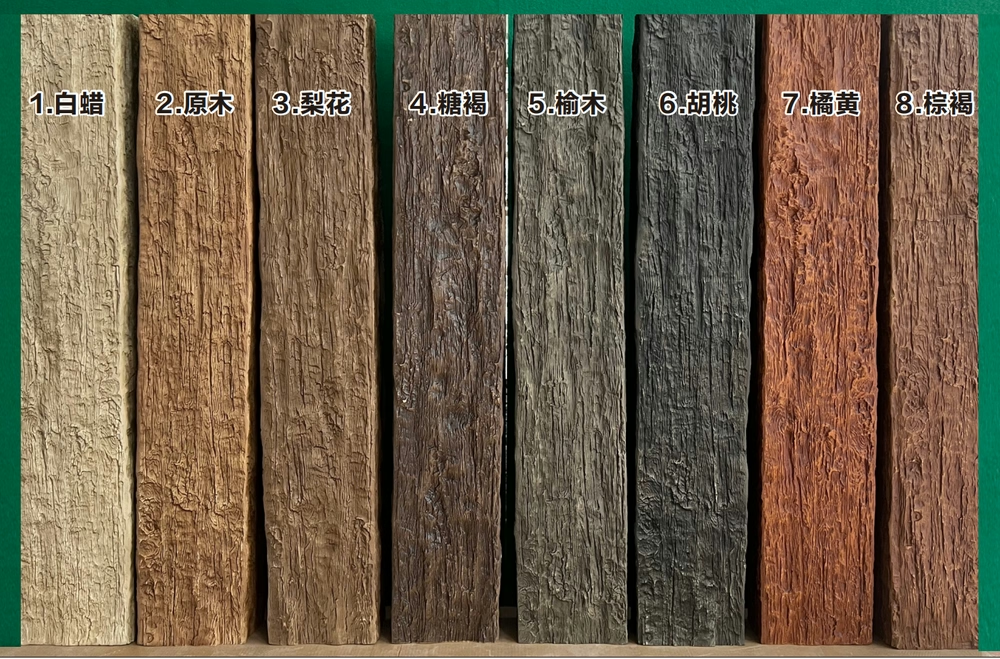
Factory-finished faux beams ensure consistent quality across large installations where natural timber variation might create visible inconsistencies. Coffered grids spanning substantial ceiling areas benefit from this uniformity, achieving clean geometric results that hand-finished timber struggles to match.
Grid Configuration Options
Classic coffered grids employ square configurations with consistent spacing throughout ceiling surfaces. This traditional approach creates formal environments appropriate for dining rooms, libraries, and other spaces benefitting from classical architectural expression. The grid establishes order that supports these room functions.
Rectangular coffer arrangements accommodate room proportions more flexibly than square alternatives. Elongated rooms benefit from proportions that maintain consistent visual rhythm while respecting actual spatial dimensions. This flexibility enables effective coffering in rooms where square grids would feel awkward.
Non-traditional arrangements experiment with proportion and spacing for contemporary applications. Larger central coffers surrounded by smaller perimeter units create focal emphasis. Asymmetrical configurations serve similar purposes in modern interiors that reject formal traditional approaches.
Modern Adaptations of Classical Forms
Contemporary coffered ceilings often simplify classical ornamentation while maintaining fundamental geometric structure. Clean profiles with minimal detail achieve modern aesthetic objectives that ornate traditional alternatives might violate. The restraint demonstrates sophisticated design understanding.
Inset lighting within coffer recesses creates dramatic effects impossible with traditional construction. These installations add illumination layers that animate ceiling surfaces throughout day and evening. The combination of architectural form and functional lighting delivers impact that either element alone cannot achieve.
Mixed-material coffering introduces unexpected elements that modernize classical precedents. Metal inserts, mirrored surfaces, or painted finishes within coffer recesses create visual interest that pure timber approaches cannot match. These variations demonstrate contemporary creativity while respecting classical foundation principles.

Room Selection and Scale Considerations
Not all rooms suit coffered ceiling installation equally. Spaces with consistent proportions and adequate height accommodate these treatments best, while irregular rooms or low ceilings might receive treatment better suited to simpler beam applications. Professional assessment helps identify appropriate applications.
Formal living rooms, dining spaces, and master bedroom suites often benefit most from coffered treatments. These rooms typically feature proportions that support grid configurations and functions that appreciate formal architectural expression. The investment delivers returns in enhanced room quality that justifies expenditure.
Compact rooms require scaled coffering that doesn't overwhelm limited spaces. Smaller coffers with closer spacing maintain architectural interest without creating visual crowding. The key involves matching coffer scale to room dimensions for proportional relationships that enhance rather than oppress.
Installation Planning and Execution
Coffered ceiling installation requires precision that affects final appearance significantly. Grid alignment must remain consistent across entire ceiling surfaces, with any deviation immediately visible. Professional installation ensures this precision through careful measurement and experienced execution.
Surface preparation affects installation quality substantially. Existing ceiling conditions must support mounting systems that maintain alignment throughout. Professional installers assess these conditions and specify appropriate preparation that ensures lasting results.
Electrical coordination requires advance planning that integrates lighting within coffer design. Recessed fixtures positioned within coffer recesses demand accurate placement that coordinates with grid geometry. This planning prevents compromises that undermine either architectural or lighting objectives.
Finishing and Detailing
Coffered ceiling finish selection affects both aesthetic impact and practical performance. Natural wood tones create warmth that painted alternatives cannot match, but painted coffers offer color coordination flexibility that natural finishes sacrifice. Evaluate these trade-offs against specific project requirements.
Transitions between coffers and surrounding ceiling require careful detailing that maintains clean geometric lines. These intersections occur repeatedly throughout installations, making any imperfection multiply across entire ceiling surfaces. Quality installation ensures consistent detailing that preserves designed geometry.
Ceiling medallions and decorative elements might integrate with coffered designs in traditional applications. These additions require coordination that modern interpretations might reject. Determine appropriate styling level during planning rather than discovering mismatches during installation.
Cost Considerations and Value
Coffered ceiling installation represents significant investment that should generate commensurate returns through enhanced room quality and property value. Faux materials substantially reduce costs compared to genuine timber alternatives, making sophisticated ceiling architecture economically practical for more projects.
Compare coffered installation costs against alternative ceiling treatments that deliver comparable impact. The unique architectural quality coffering provides cannot be replicated through paint, wallpaper, or simpler beam applications. This distinctiveness justifies premium positioning within overall design budgets.
Long-term value includes reduced maintenance compared to genuine timber alternatives. No periodic refinishing, insect treatment, or structural inspection required, generating ongoing savings that improve lifetime value calculations. The initial investment spreads across years of maintenance-free service.
Technical References
ASTM standards cited in every specification
Test Data
Lab results from internal testing program
Updated 2026
Reviewed against current product specs


