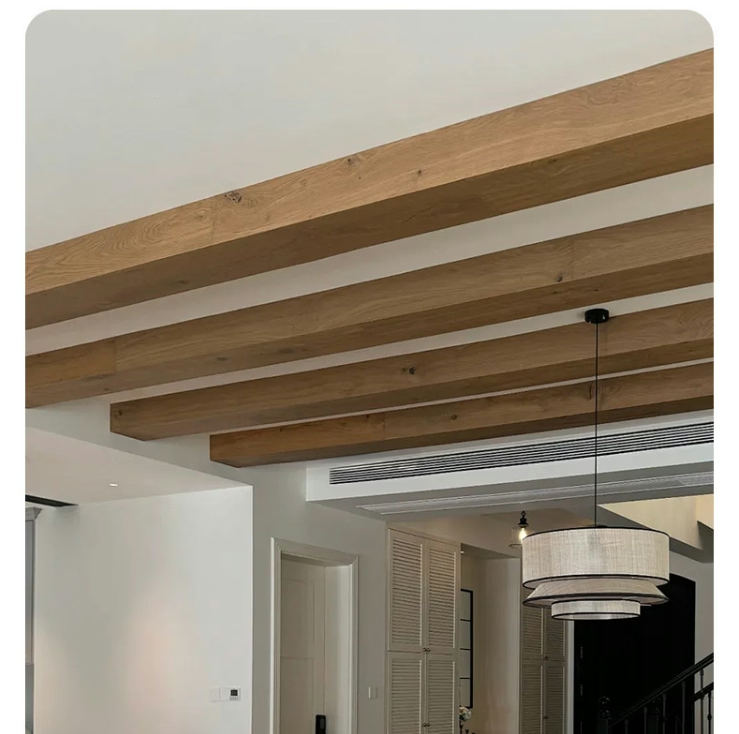
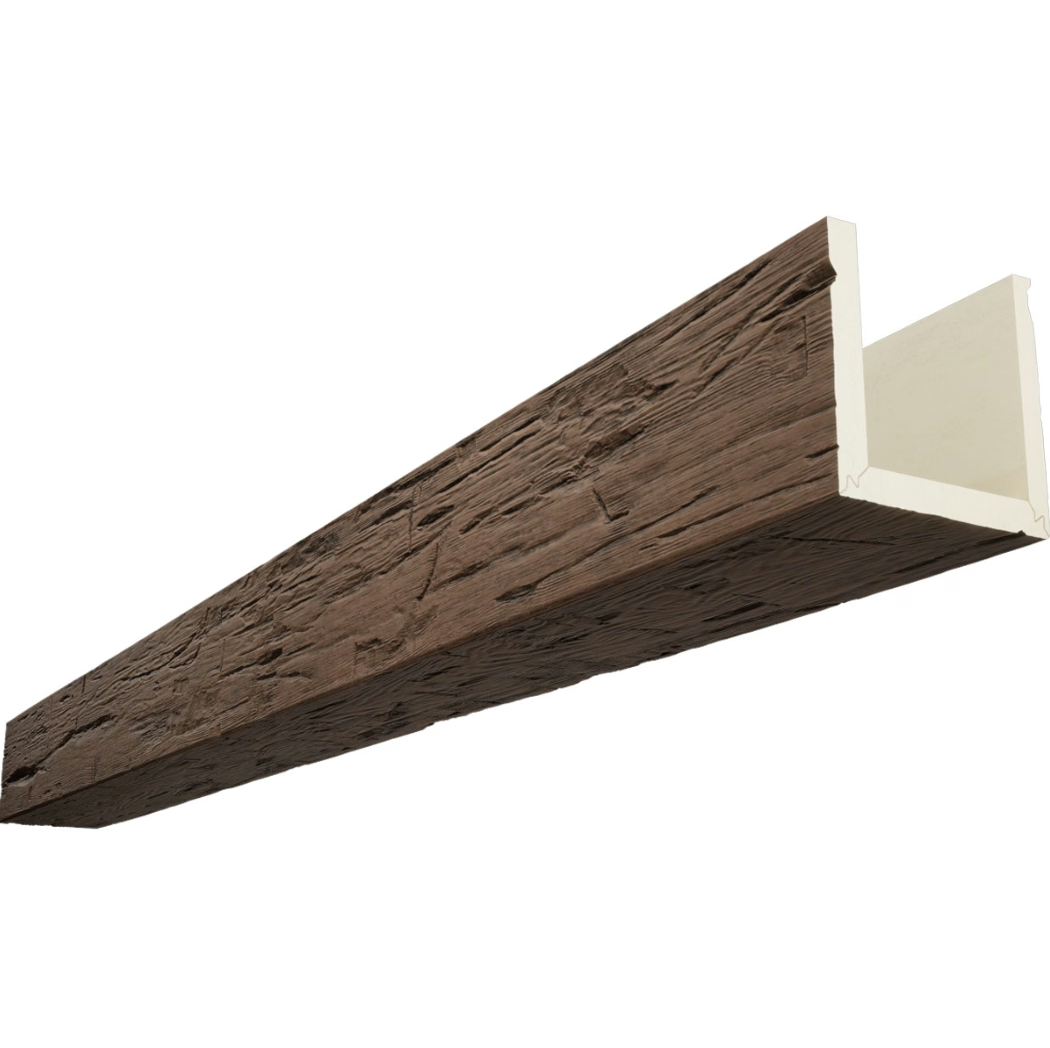
Modern hotel design operates at the intersection of functionality and aspiration. Properties must serve practical needs efficiently while creating emotional experiences that justify premium positioning. Ceiling architecture provides powerful tool for achieving both objectives, yet many modern hotels neglect overhead opportunities in favor of wall and floor treatments that guests encounter more frequently.
Contemporary Hotel Design Priorities
Today's travelers arrive with expectations shaped by social media and peer recommendations. Spaces that photograph beautifully generate organic marketing that paid advertising cannot replicate. Design decisions must consider documentation potential alongside functional performance, making ceiling treatments essential rather than optional.
Minimalism dominates current hospitality aesthetics, creating challenges for traditional architectural details. Beams must contribute warmth and character without violating the clean restraint modern design demands. This balance requires careful selection and restrained application that delivers impact through quality rather than quantity.
Brand consistency across properties poses additional challenges for hospitality operators. Beam specifications should support recognizable brand identity while accommodating property variations that local markets require. Documented standards ensure new installations match existing properties, maintaining brand coherence as portfolios expand.
Guest Experience Enhancement
First impressions form within seconds of room entry, with ceiling details registering before conscious attention focuses on overhead architecture. This subliminal perception influences mood and satisfaction in ways guests rarely articulate. Beam installations contribute positive impressions that enhance perceived room quality.
Spatial perception responds to ceiling treatment substantially. Flat modern ceilings can feel institutional and unwelcoming, undermining sleep quality and overall satisfaction. Beams add visual warmth that makes spaces feel residential rather than hotel-generic, supporting the home-away-from-home positioning many properties pursue.
Photography habits have made ceiling visibility increasingly significant. Guests document rooms constantly, sharing images that reach audiences far beyond actual visitors. Ceiling details visible in these images influence booking decisions that drive future occupancy. Properties lacking photographic interest miss this organic marketing opportunity.
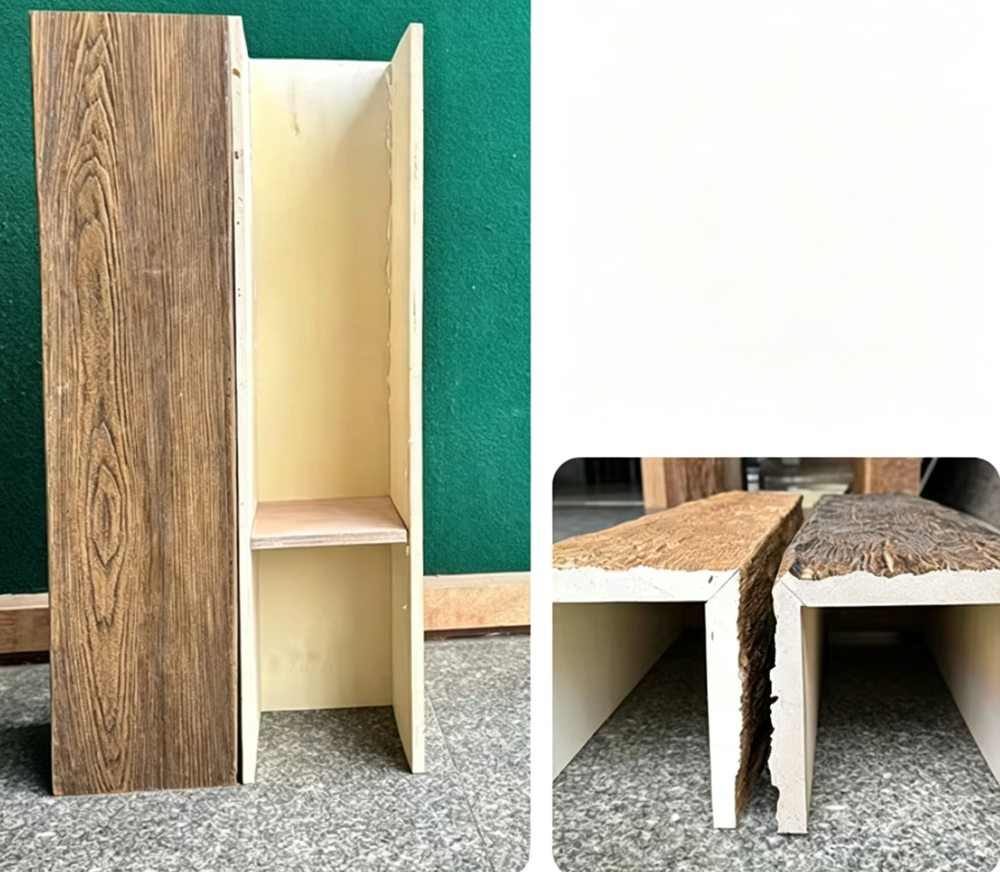
Material Selection for Hospitality Applications
Hotel environments challenge materials through intensive use and frequent maintenance. Housekeeping teams work under time pressure that precludes special treatment for delicate surfaces. Beam materials must tolerate standard cleaning protocols without requiring attention that slows operational efficiency.
Moisture resistance proves essential for hospitality applications where humidity fluctuates and accidental spills occur regularly. PU faux beams handle these conditions without the swelling, warping, or staining that genuine timber experiences. This practical advantage reduces maintenance requirements and extends renovation lifespans.
Durability against impacts and wear affects long-term appearance substantially. Hotels host diverse guests with varied behaviors, some more considerate than others. Materials that maintain appearance despite abuse protect renovation investments through sustained visual quality. Professional material selection identifies options appropriate for specific hospitality contexts.
Design Approaches by Property Type
Boutique hotels benefit from distinctive beam treatments that reinforce unique positioning. These properties promise experiences unavailable at chain alternatives, requiring design elements that embody this differentiation. Substantial beam installations contribute character that mass-market competitors cannot replicate easily.
Select-service hotels balance premium positioning with operational efficiency. Beam installations should enhance without complicating housekeeping or requiring excessive maintenance. Restrained applications that add sophistication rather than demanding attention suit these contexts better than elaborate treatments.
Extended-stay properties serve guests occupying rooms for weeks or months rather than nights. Residential aesthetics that support longer habitation benefit these properties, with beam installations adding domestic warmth that distinguishes extended-stay from temporary alternatives.

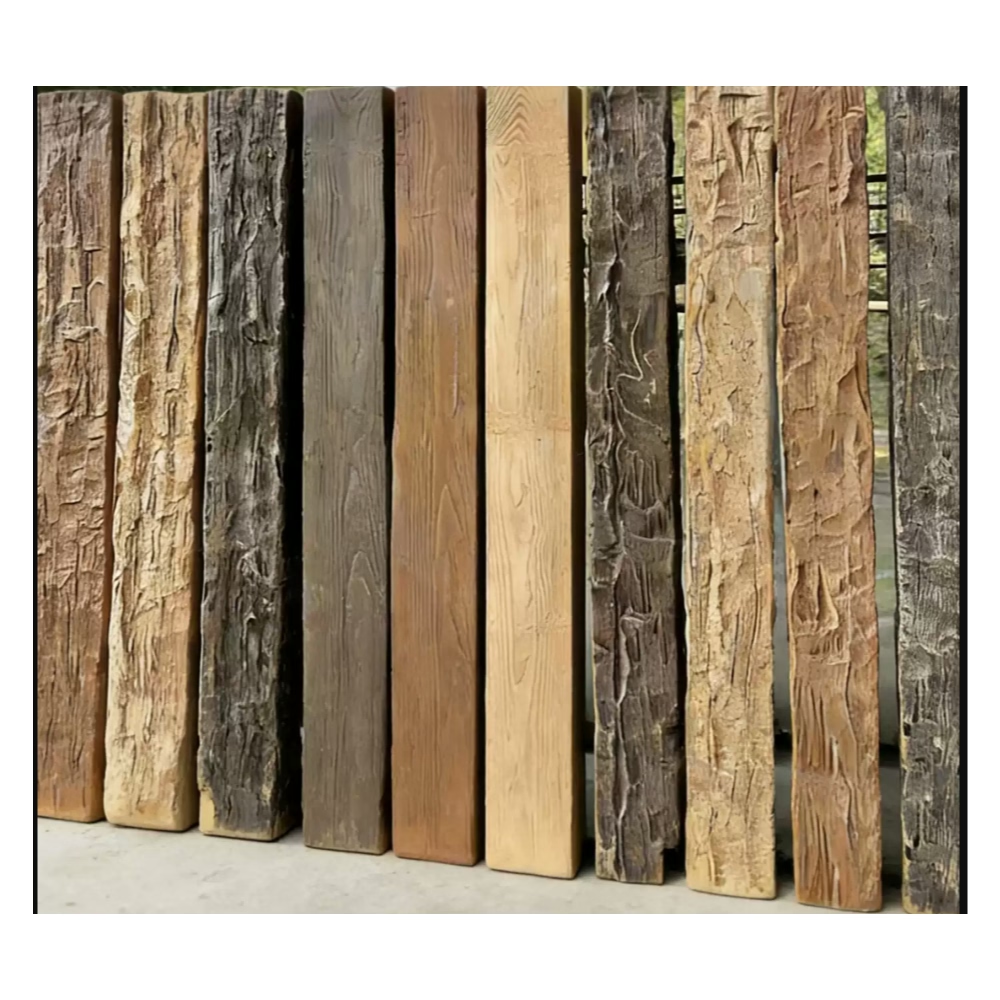
Lighting Integration for Hospitality
Hospitality lighting balances ambiance creation with practical functionality. Guests need adequate illumination for tasks while operators want atmospheric spaces that photograph well and create positive impressions. Beam installations should integrate with these lighting schemes rather than creating obstacles.
Guest room lighting typically features overhead fixtures supplemented by task lighting at bedsides and desks. Beam arrangements should frame these fixtures appropriately, creating compositional relationships that enhance rather than complicate illumination design. Professional lighting coordination ensures optimal integration.
Corridor and common area lighting presents different challenges than guest rooms. Higher ceilings, different furniture arrangements, and distinct functional requirements all affect beam application. Consider these variations when planning installations across diverse property areas.
Operational Considerations
Hotel renovation must minimize disruption to ongoing operations. Room out-of-service time directly affects revenue, making installation efficiency essential. Faux beam installations complete faster than traditional alternatives, reducing occupancy losses during upgrade projects.
Housekeeping training should address beam maintenance specifically. Staff should understand appropriate cleaning products and techniques that preserve appearance without requiring special attention. Clear protocols protect renovation investments through consistent maintenance practices.
Vendor relationships matter for hospitality properties requiring ongoing support. Establish connections with installers who understand hospitality requirements including rapid response capability and minimal operational disruption. These partnerships support sustained quality across property lifecycles.
Competitive Positioning Strategy
Market analysis should inform beam installation decisions that affect competitive positioning. Properties competing on price rarely justify premium design investments, while experience-focused hotels benefit substantially from distinctive architecture. Match investment levels to actual market positioning.
Review monitoring reveals guest perception of design investments. Properties with beam installations that outperform comparable alternatives validate design investment strategies. Conversely, markets where guests prioritize other features might require different improvement approaches.
Future competitive landscape planning should anticipate how design investments age. Timeless beam selections maintain relevance longer than trendy alternatives, protecting investments through sustained competitive positioning. Professional design consultation identifies selections that age gracefully.
Technical References
ASTM standards cited in every specification
Test Data
Lab results from internal testing program
Updated 2026
Reviewed against current product specs