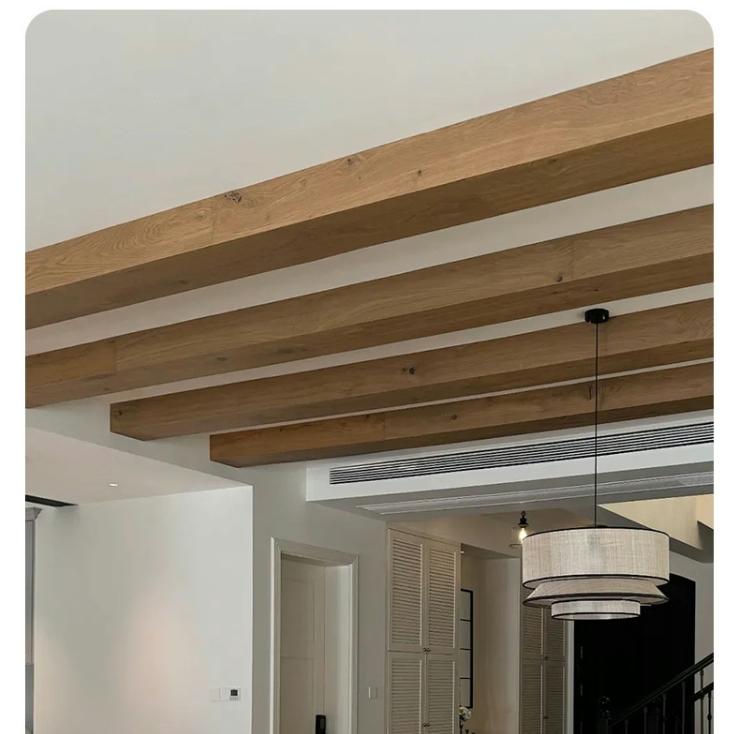
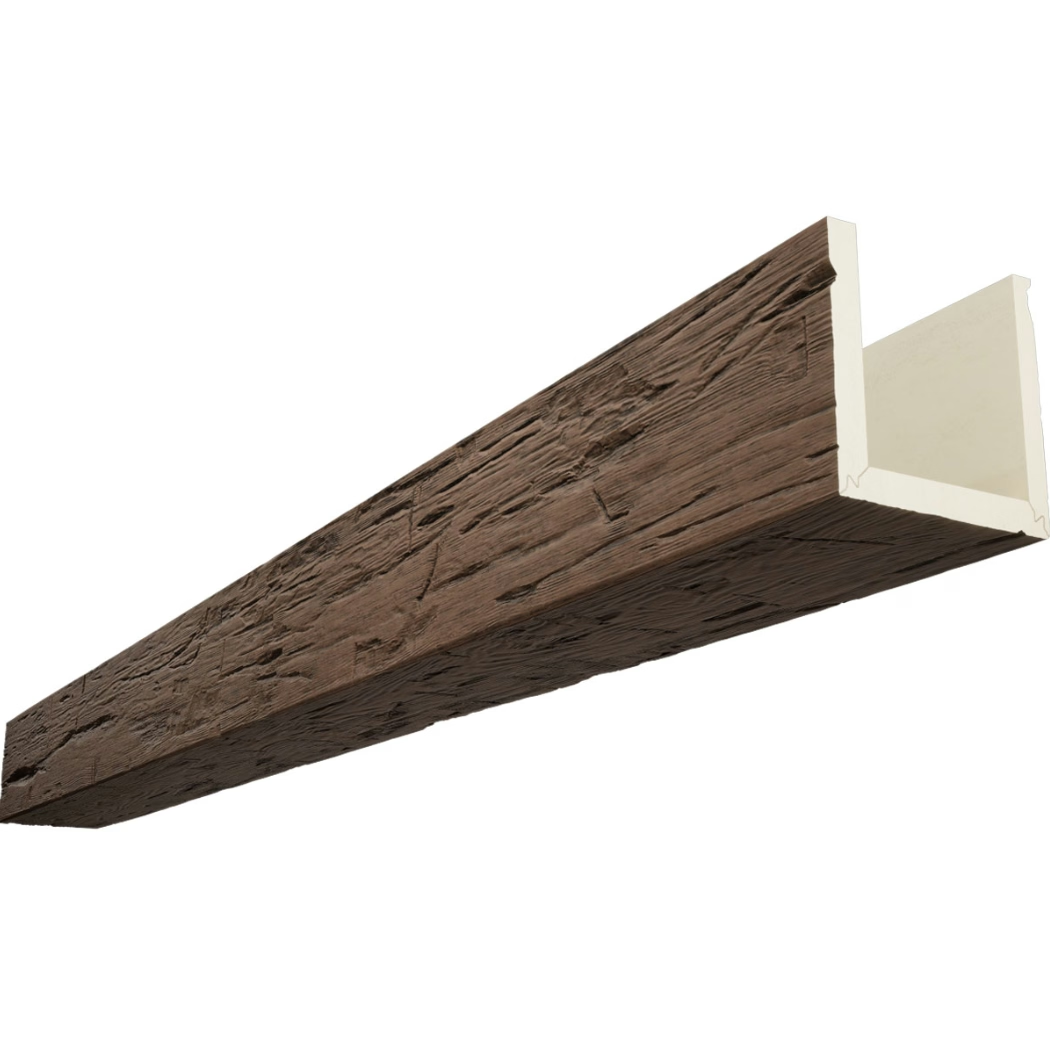
Restaurant success depends on creating environments where diners linger, return, and recommend. Beyond food quality and service excellence, atmospheric design shapes perceptions that influence satisfaction and word-of-mouth. Bar areas particularly benefit from thoughtful ceiling treatment, as these social hubs set tone for overall dining experience.
Restaurant Atmosphere and Guest Behavior
Dining research consistently demonstrates that environmental factors affect spending behavior significantly. Guests linger longer, order more, and tip generously in environments they perceive as premium. Ceiling architecture contributes to this perception through visual interest that signals attention to detail and investment in guest experience.
Bar areas serve different functions than dining spaces, requiring design approaches that support social interaction and relaxed consumption. Ceiling treatments should establish warmth and intimacy appropriate for these activities while maintaining visual connection to adjacent dining areas. This balance requires careful design consideration.
Social media documentation has made restaurant photography increasingly important for marketing success. Images shared across platforms reach audiences far beyond actual diners, creating organic promotion that traditional advertising cannot match in cost efficiency. Bar areas feature prominently in these images, making ceiling design marketing investment as well as aesthetic improvement.
Design Approaches for Different Restaurant Concepts
Upscale dining establishments require refined beam treatments that reinforce premium positioning. These properties serve clientele expecting sophisticated environments that justify higher price points. Beam selections should demonstrate quality and attention to detail that aligns with culinary excellence.
Casual dining venues balance comfort with practicality, requiring beam selections that add warmth without demanding excessive maintenance or clean-up attention. Durable materials that tolerate the more intensive use casual establishments experience suit these contexts better than delicate alternatives.
Fast-casual and quick-service restaurants increasingly invest in design that elevates perception beyond price-point expectations. Beam installations in these contexts create Instagram-worthy environments that generate social sharing while maintaining operational efficiency. The investment delivers marketing returns through organic promotion.
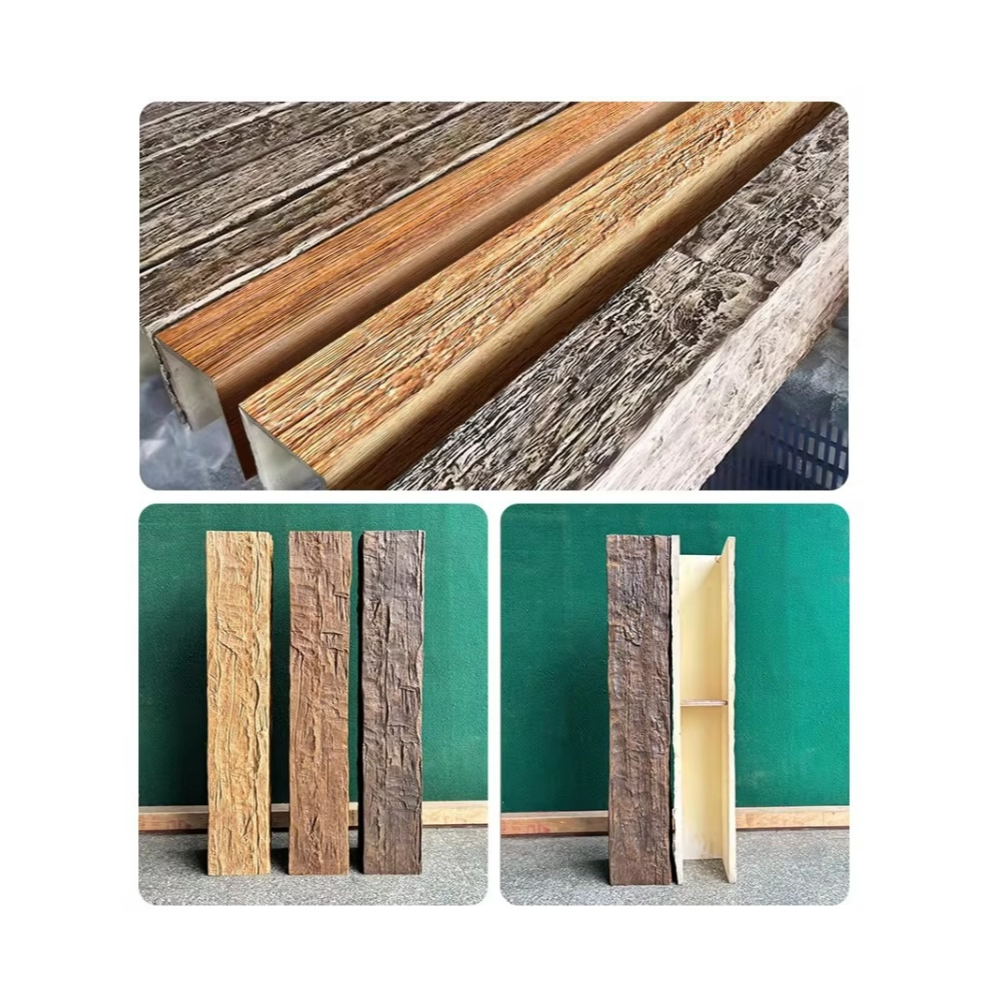
Bar Area Specific Considerations
Bartenders require adequate clear height for service activities including glass retrieval, shaker work, and tray carrying. Beam installations must respect these operational requirements, maintaining sufficient clearance for comfortable service without collision risk. Professional installation accounts for realistic bar operations.
Back bar areas merit particular design attention given their prominence in customer sightlines and photography. Beam installations here frame beverage displays and create composed scenes that photograph exceptionally well. These high-visibility positions warrant careful placement that maximizes aesthetic contribution.
Bar seating areas accommodate guests engaged in both drinking and conversation. Ceiling treatments should support these activities through adequate lighting and acoustic properties that enable conversation without excessive effort. Beam arrangements affect these conditions substantially, requiring comprehensive planning.
Material Performance in Food Service
Restaurant environments present challenging conditions for interior materials. Grease vapor, humidity fluctuation, and intensive cleaning all stress surfaces regularly. Beam materials must tolerate these conditions without degradation that compromises designed appearance.
Moisture resistance proves particularly valuable near bar areas where spills and condensation occur constantly. PU beams handle this exposure without the swelling, warping, or staining that genuine timber experiences. This practical advantage reduces maintenance requirements significantly.
Cleaning protocols in food service require materials that accept frequent attention without surface damage. Standard cleaning products used in restaurants should not affect beam finishes or appearance. Establish maintenance routines appropriate for actual restaurant conditions.

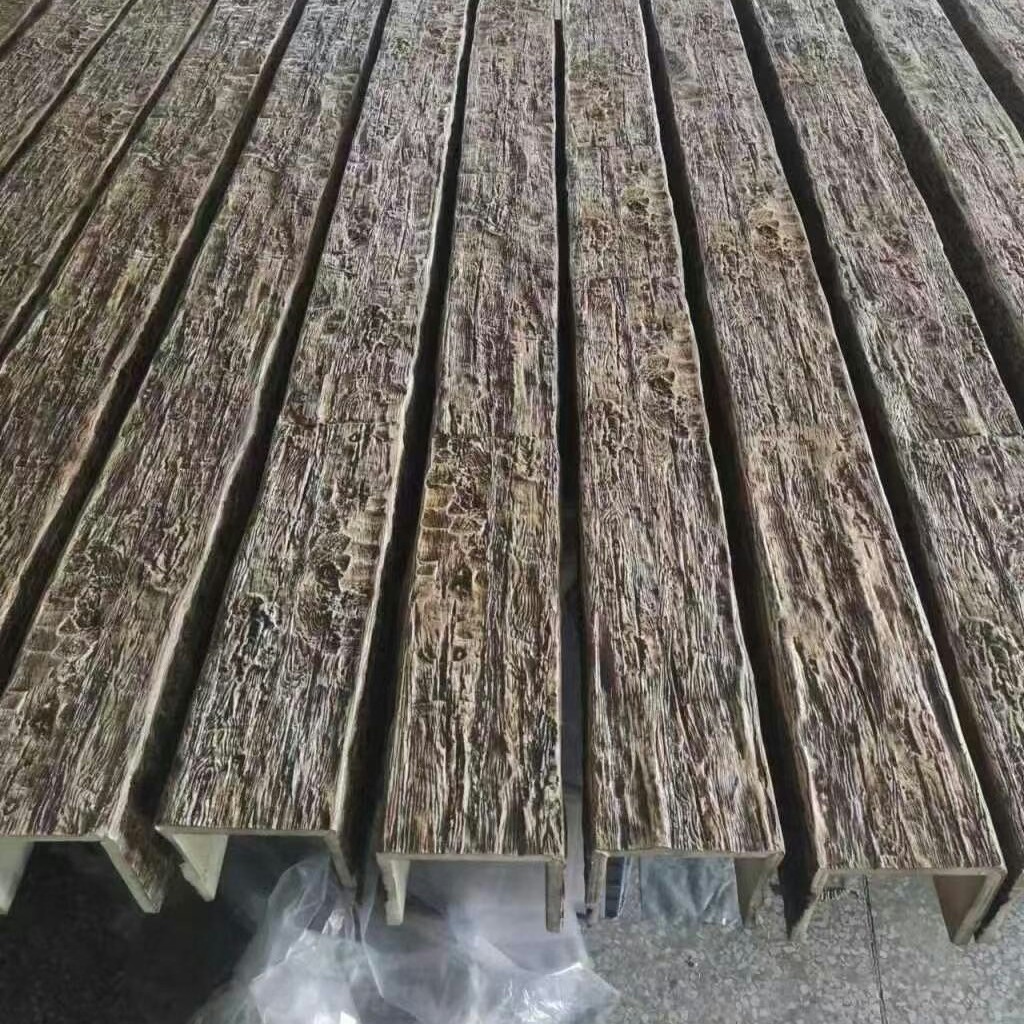
Lighting Integration for Ambiance
Restaurant lighting establishes atmosphere that defines dining experience. Beam installations should integrate with these lighting schemes, providing mounting opportunities or shadow effects that enhance overall illumination design. Professional coordination ensures optimal results.
Pendant fixtures positioned above bar tops add intimate illumination that encourages lingering. These installations require coordination with beam positioning to create harmonious compositions. Consider how fixtures photograph alongside beams in social content.
Accent lighting within beam configurations creates visual interest during evening hours when restaurants operate primarily under artificial illumination. Color temperature and intensity affect how beams appear, requiring selection appropriate for actual lighting conditions.
Acoustic Considerations for Conversation
Restaurant acoustics significantly affect guest experience and satisfaction. Excessive noise makes conversation difficult, undermining the social dining experience that encourages longer visits and higher spending. Ceiling treatments interact with acoustic properties, requiring consideration during beam planning.
Beam arrangements can incorporate acoustic materials that reduce unwanted reflection while maintaining aesthetic objectives. These combinations address practical requirements without compromising designed appearance. Professional acoustic consultation prevents costly remediation.
Music systems in restaurants require careful acoustic consideration to function properly. Beam installations that interfere with speaker placement or create problematic reflections affect audio quality throughout spaces. Coordinate with audio professionals during design phases.
Seasonal and Event Flexibility
Successful restaurants refresh environments periodically to maintain customer interest and generate repeat visits. Beam installations should support this flexibility through neutral foundations that accommodate seasonal decoration without requiring permanent modification.
Holiday periods and special events create opportunities for themed decoration that beams can support through appropriate mounting provisions. String lights, greenery, and various seasonal elements attach more easily to designed mounting points. Plan these provisions during initial installation.
Private events including corporate gatherings, birthday celebrations, and rehearsal dinners require venue flexibility that beam installations should support. These applications generate significant revenue for many restaurants, making accommodation of event requirements valuable.
Investment and Return Analysis
Restaurant design investment generates returns through enhanced customer experience, increased spending, and improved word-of-mouth. Beam installations contribute to these outcomes while differentiating venues in competitive markets. Calculate expected returns against investment costs during planning.
Occupancy impact from renovation affects financial calculations. Faster installation reduces out-of-service time and associated revenue loss. Calculate installation timelines against realistic revenue scenarios to understand actual financial implications.
Long-term maintenance savings improve investment returns substantially. Faux beams require no refinishing, insect treatment, or structural attention that genuine timber demands. These operational savings compound over venue operating periods.
Technical References
ASTM standards cited in every specification
Test Data
Lab results from internal testing program
Updated 2026
Reviewed against current product specs