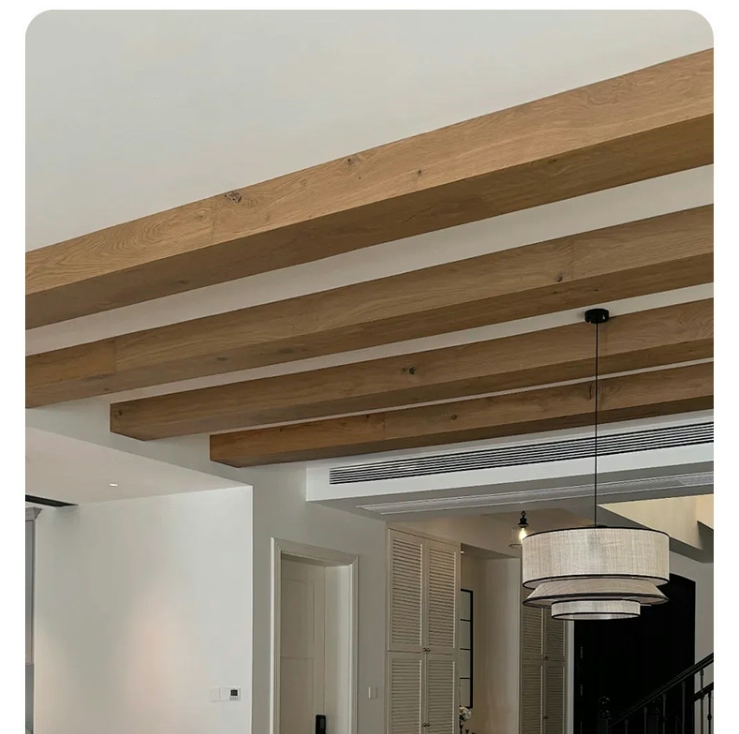
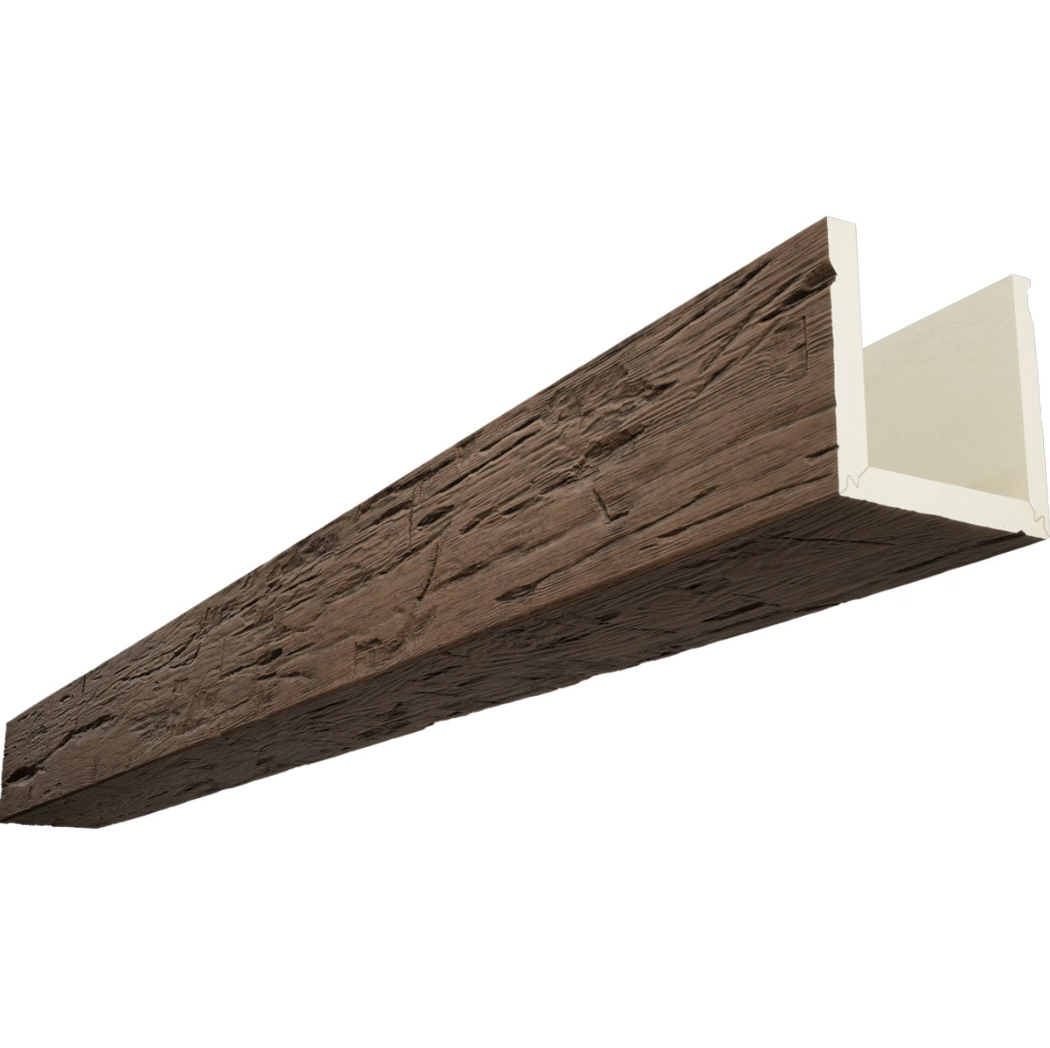
Professional photography studios must create environments that serve photographic requirements while providing comfortable spaces for client interactions. Ceiling design affects both considerations substantially, influencing light quality, acoustic properties, and the overall atmosphere that affects creative work. PU faux wood beams offer advantages that serve studio requirements particularly well.
Photography Studio Requirements
Photographic quality depends heavily on environmental conditions including light, color, and surface reflection. Ceiling surfaces contribute significantly to overall lighting characteristics, making material selection essential for consistent results. Beams must perform as intended across diverse photography applications.
Color accuracy matters for commercial and editorial work where precise color rendering determines project success. Ceiling materials should provide neutral backgrounds that don't introduce color casts into reflected light. Testing with actual photography equipment helps verify performance before committing to installations.
Surface texture affects how beams photograph themselves as well as how they influence overall lighting. The interaction between beam texture and photographic lighting creates effects that might either enhance or undermine intended results. Professional consultation identifies selections appropriate for specific studio applications.
Backdrop Considerations
Many studios use dedicated backdrop systems rather than shooting against existing surfaces. However, ceiling elements visible in edge-of-frame areas affect image composition substantially. Beams appearing at frame edges contribute to overall image quality in ways that dedicated backdrops cannot replicate.
Natural wood tones create warmth that flatter skin tones and enhance product photography. These color characteristics serve diverse applications from portrait to lifestyle content. Beam selection should consider the most common work types studios produce.
Textured ceilings add visual interest to images that plain surfaces cannot achieve. This textural quality provides background options that enhance creative possibilities without requiring additional set construction. Studios benefit from ceiling architecture that expands rather than limits creative approaches.
Lighting System Integration
Photography studios rely on artificial lighting that ceiling treatments must accommodate. Softboxes, umbrellas, and other modifiers position at various heights relative to ceiling surfaces. Beam installations should provide adequate clearance for common configurations without limiting positioning options.
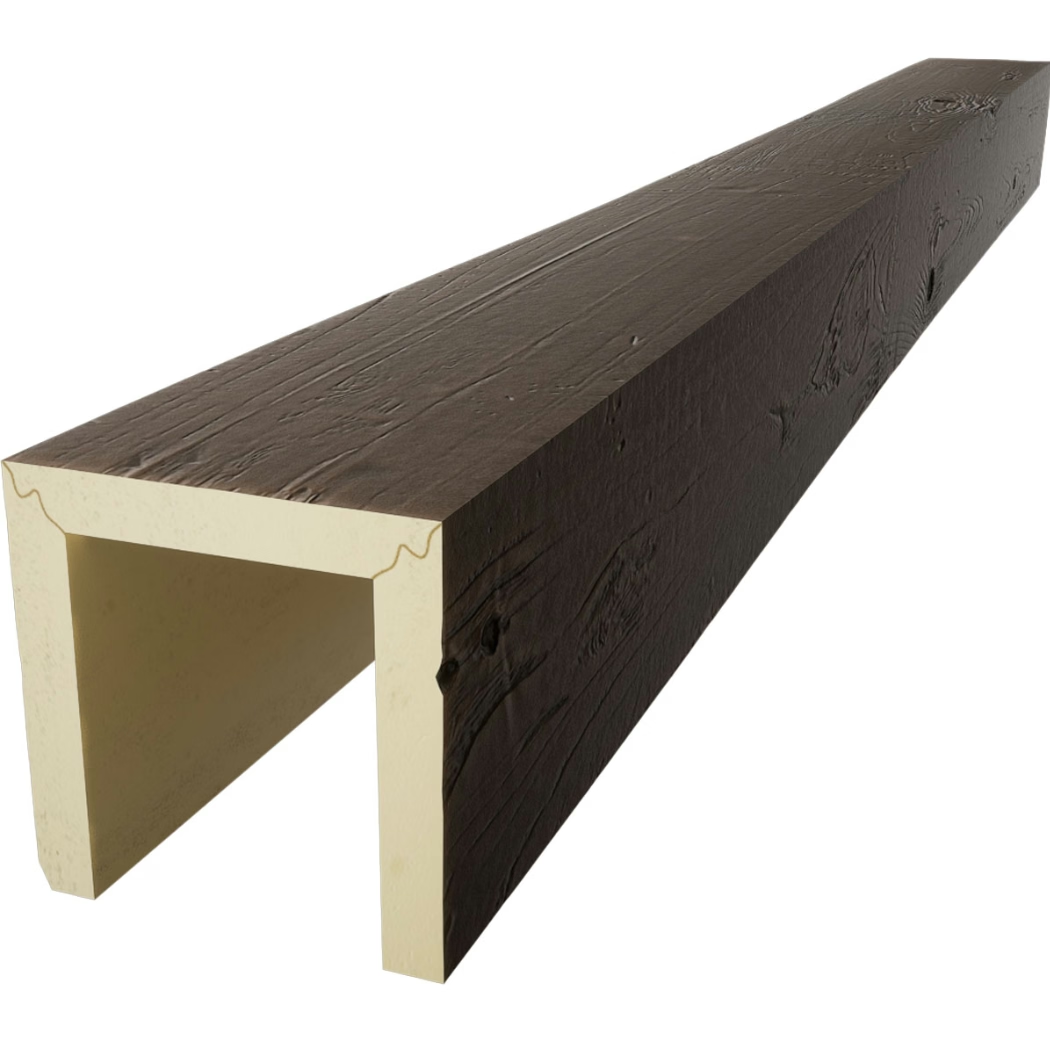
Continuous lighting systems operate for extended periods, generating heat that affects nearby materials. PU beams tolerate temperature variation without the vulnerability genuine timber exhibits. This practical advantage prevents damage that could occur with inappropriate material selection.
Light stands and rigging systems require ceiling attachment points in many studio configurations. Beam installations should coordinate with these requirements, providing appropriate mounting opportunities or ensuring compatibility with ceiling conditions between beams.
Client Experience Considerations
Photography sessions often involve extended time in studio environments. Client comfort affects creative output and overall satisfaction with studio services. Ceiling architecture contributes to atmosphere that either supports or undermines comfortable working conditions.
Warmth and character introduced by beams create welcoming environments that put clients at ease. Spaces lacking architectural interest can feel sterile and uncomfortable, particularly during extended portrait or fashion sessions. Beam installations transform these spaces into environments that enhance rather than impede creative work.
Acoustic properties affect conversation quality between photographers and clients during sessions. Poor acoustics make communication difficult, potentially affecting creative direction and overall session quality. Beam arrangements should consider acoustic performance alongside visual appearance.

Material Performance in Studio Environments
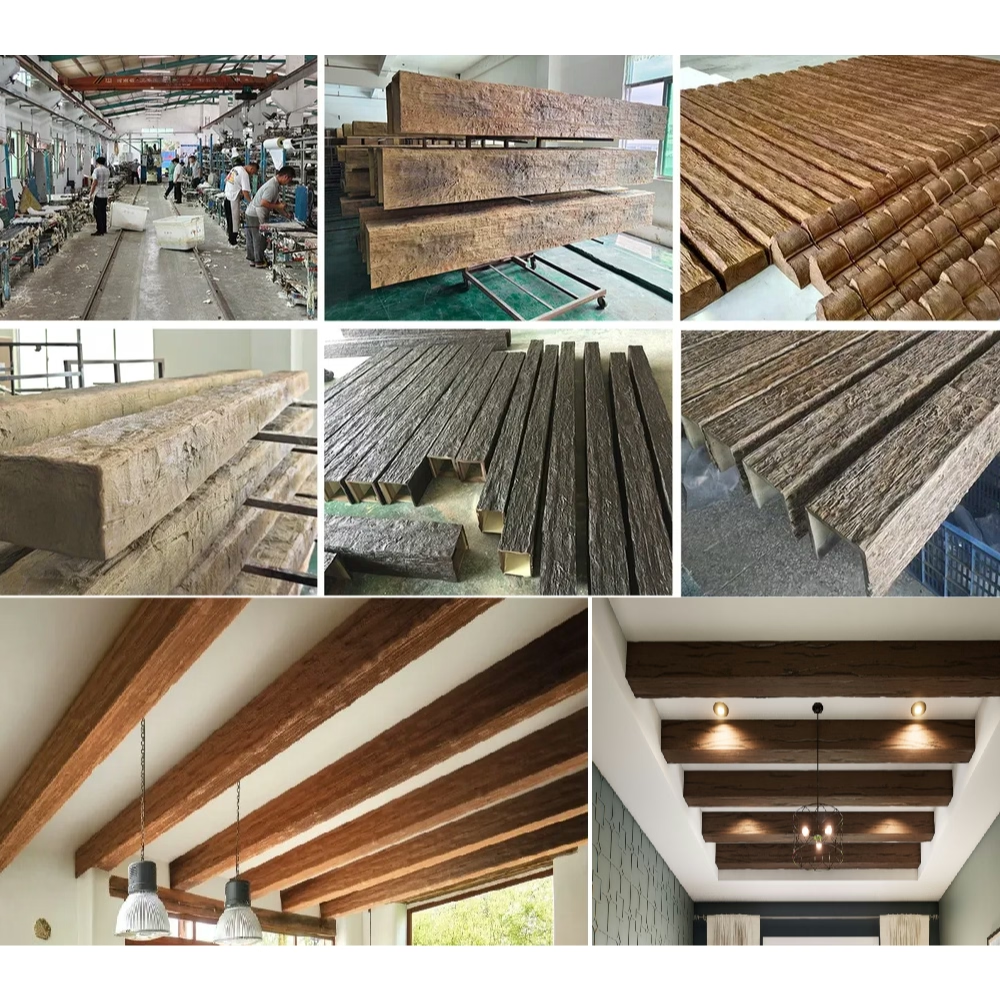
Photography studios experience unique conditions affecting material performance. Equipment generates heat and vibration while frequent cleaning maintains professional appearance. Beam materials must tolerate these conditions without degradation that compromises designed quality.
Static electricity concerns in studio environments might affect certain materials. PU beams don't generate the static that some synthetic materials produce, preventing dust attraction that could affect appearance over time. This practical advantage maintains clean appearance with reduced maintenance effort.
Reflective properties of beam materials affect how they interact with photographic lighting. Some finishes might create unwanted reflections when bright lights strike ceiling surfaces. Testing under actual studio conditions helps identify any issues before full installation.
Versatility for Multiple Use Cases
Professional studios often serve diverse client needs requiring varied shooting conditions. Ceiling treatments should support flexibility that accommodates portrait, product, fashion, and commercial work without requiring constant reconfiguration. Neutral beam installations provide this versatility more effectively than highly styled alternatives.
Natural daylight studios require ceiling treatments that complement rather than conflict with available natural light. Beam selections should perform well under diverse lighting conditions throughout the day. Testing across different times reveals potential issues before commitment.
Video production increasingly supplements still photography in professional studios. Ceiling materials affect video quality through reflection, texture visibility, and acoustic properties. Selections should serve both still and motion applications effectively.
Professional Installation Requirements
Photography studios require precise installation that maintains consistent appearance across ceiling surfaces. Any misalignment or inconsistency becomes visible in images, particularly with wide-angle lenses that emphasize architectural elements. Professional installation ensures this precision.
Electrical coordination requires attention during beam planning. Outlet positions, junction boxes, and lighting track must coordinate with beam placement. Professional installers understand these requirements and plan accordingly.
Access considerations affect ongoing studio operations during installation. Studios cannot operate during construction, making efficient installation essential for minimizing business disruption. Plan installation schedules that accommodate client commitments and project deadlines.
Investment Value for Studio Operators
Professional studio design represents significant investment that should generate returns through enhanced capabilities and client satisfaction. Beam installations contribute to environments that attract premium clients willing to pay for quality. The investment delivers returns through both improved pricing and increased volume.
Property value considerations affect studio operators who might relocate or sell operations over time. Distinctive ceiling architecture differentiates properties in competitive markets, potentially generating returns exceeding initial investment. Professional installation ensures results that achieve intended impact.
Competitive positioning in saturated markets requires differentiation that beam installations provide. Studios with designed environments attract clients seeking quality over price, supporting premium positioning that generates sustainable business models.
Technical References
ASTM standards cited in every specification
Test Data
Lab results from internal testing program
Updated 2026
Reviewed against current product specs