Elegance in interior design rarely announces itself. The most refined spaces achieve their impact through restraint, proportion, and thoughtful detail rather than dramatic gestures. When ceiling beams enter the design conversation, the temptation toward bold, overscaled statements can undermine the subtle sophistication that elegant interiors require. Low-profile PU faux beams address this challenge directly, offering the texture and architectural interest of exposed timber while respecting the proportional relationships that define refined spaces.
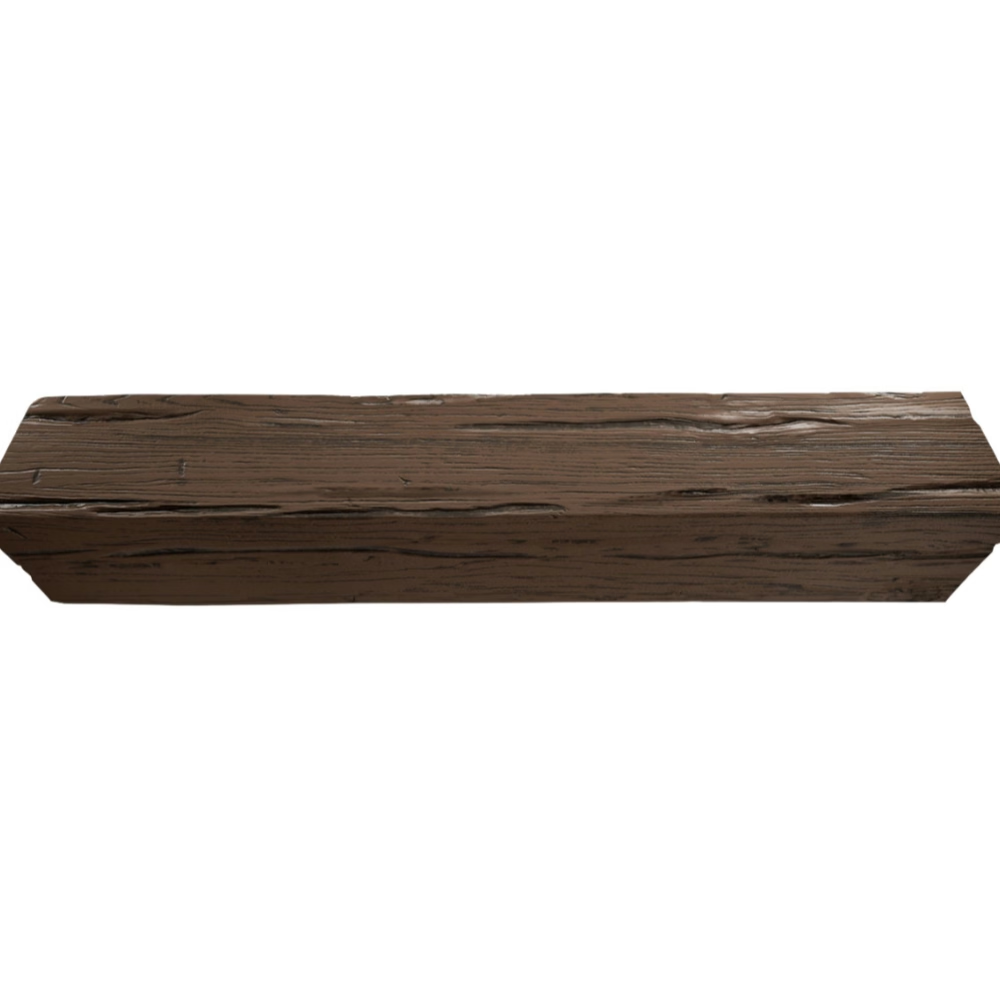
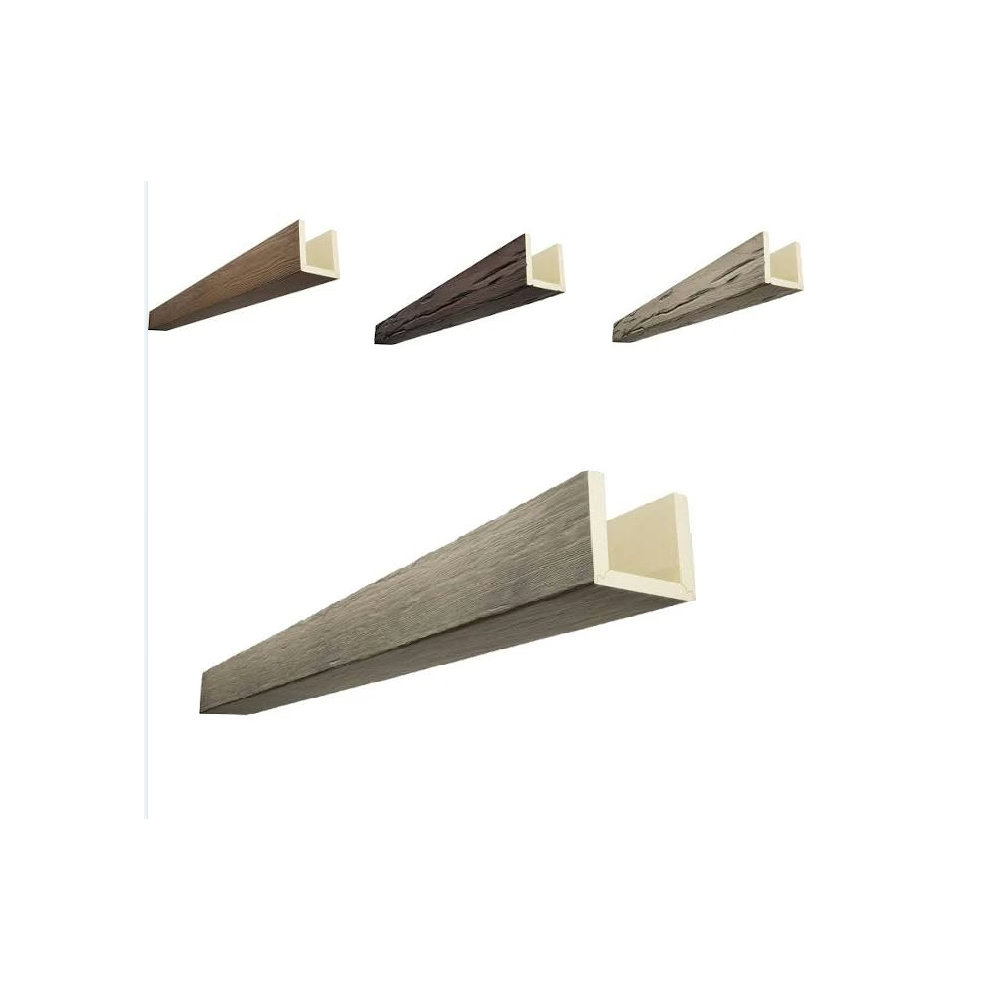
The term "low-profile" refers to beams with relatively shallow depth relative to their width—a proportion that reads differently than the chunky, substantial beams often associated with rustic or farmhouse aesthetics. These slender profiles read as refined rather than rustic, contributing visual interest without demanding attention. The effect is similar to well-chosen trim work or carefully detailed millwork: present and purposeful without being ostentatious.
Understanding Proportional Design Principles
Interior proportions operate through relationships between elements rather than absolute measurements. A beam that would feel appropriately scaled in a grand foyer might overwhelm a modest bedroom ceiling. Low-profile beams succeed by maintaining slenderness across contexts—the ratio of depth to width remains graceful even as absolute dimensions adjust for different room sizes. This inherent proportionality makes them versatile tools in the designer's vocabulary.
Height ceilings present specific opportunities for low-profile treatments. In spaces with generous ceiling height, beams must work harder to register visually against the expansive vertical distance. Slightly deeper profiles might be appropriate here, still maintaining the low-profile designation while gaining sufficient presence. Conversely, standard-height rooms often benefit from truly shallow beams that skim the ceiling surface without penetrating the space below. Understanding these contextual relationships prevents misapplication of the aesthetic.
The interplay between beam depth and spacing affects overall visual weight. Closely spaced low-profile beams create a ribbed ceiling effect, distributing texture evenly across the plane. Wider spacing creates individual moments of visual interest, allowing each beam to register as a distinct architectural element. Both approaches have merit; the choice depends on the room's existing architecture, furniture scale, and the overall mood the designer wishes to create.
Material Advantages in Elegant Applications
Polyurethane's manufacturing flexibility allows beam profiles to achieve sharpness and precision that natural wood cannot consistently provide. Wood grain, knots, and natural variations create organic beauty but also introduce unpredictability. For elegant interiors where clean lines and predictable forms matter, PU beams offer controlled aesthetics that align precisely with design intentions.
Edge details on low-profile beams benefit particularly from manufacturing precision. Clean, crisp edges that maintain their definition over time distinguish premium faux beams from lesser alternatives. Natural wood edges soften with handling and age; polyurethane retains its initial sharpness indefinitely. This durability matters in practical terms—beams that stay sharp look newer longer and maintain their intended aesthetic contribution throughout their service life.
Surface finish options expand design possibilities for elegant applications. Matte finishes that absorb light create understated presence suitable for backgrounds and transitions. Satin or semi-gloss finishes add luminosity, making beams catch and reflect light subtly as viewing angles change. The ability to specify finish characteristics independently of profile allows designers to combine elements freely, achieving combinations that would be impossible or impractical with natural materials.
Coordinating Beams with Overall Interior Language
Elegant interiors typically feature multiple refined details that work in concert—baseboards, door casings, window trim, built-in millwork. Ceiling beams must integrate with this existing vocabulary to avoid feeling disconnected or arbitrary. Low-profile beams suit this requirement well; their refined proportions echo the subtlety of quality trim work, creating continuity rather than contrast.
Color relationships between beams and surrounding surfaces deserve careful attention. For maximum elegance, consider matching beam colors closely to ceiling planes while varying finish quality or texture subtly. The resulting integration makes beams feel native to the architecture rather than attached afterward. Stark color contrast risks making beams appear as additions—interesting in some contexts but inappropriate when understated elegance is the goal.
Furniture and lighting choices should account for the ceiling treatment as well. Elegant interiors often feature furniture with clean lines, quality materials, and restrained ornamentation. These pieces harmonize naturally with low-profile beams, each element respecting similar aesthetic principles. Mixing bold, chunky furniture with refined ceiling beams creates discord; harmony requires consistency across all visible elements.
Installation Techniques for Refined Results
The refinement of low-profile beams can be undermined by careless installation. Visible fasteners, uneven spacing, or poorly mitred corners all compromise the elegant intent. Professional installation techniques address these concerns systematically, producing results worthy of the design investment.
Hidden mounting systems that eliminate visible fasteners maintain surface continuity. Modern bracket designs and construction adhesives allow beams to be installed without the nail holes, screws, or bolts that would interrupt clean surfaces. When fasteners must be used, they can be placed in locations that minimize visibility—undersides of beams, junctions between beams, or positions hidden by shadows.
Alignment precision matters more for low-profile than chunky beams. The shallow depth makes every imperfection visible; wide gaps or uneven spacing register immediately against the slim profile. Taking time during installation to measure carefully, use guides, and verify alignment before final fastening produces results that reward attention to detail. The elegance of the finished installation reflects the care taken during the construction process.
Living with Refined Ceiling Treatment
Homeowners who choose low-profile beams often describe their spaces as feeling "finished" or "considered" in ways that resist specific articulation. The ceiling contributes to this impression through its quiet presence—the texture and interest register without demanding attention, creating an environment that feels thoughtfully designed without appearing effortful or ostentatious.
Long-term satisfaction with low-profile beams relates to their ability to remain appropriate as lifestyles and tastes evolve. Unlike trendy treatments that date quickly, refined proportions and understated design have proven durability across design movements. The homeowner who installs low-profile beams today invests in an aesthetic with staying power, unlikely to feel dated within a decade or two.
The practical maintenance of polyurethane beams supports the elegant lifestyle these installations often accompany. Surfaces clean easily with standard dusting or occasional damp wiping. The material resists staining, moisture damage, and the gradual degradation that affects natural wood over time. For homeowners who value both aesthetics and practicality, low-profile PU beams offer a rare combination of visual refinement and everyday convenience.
Technical References
ASTM standards cited in every specification
Test Data
Lab results from internal testing program
Updated 2026
Reviewed against current product specs


