The appeal of driftwood aesthetics transcends literal coastal locations. Homes miles from any shoreline adopt these sensibilities because they evoke particular qualities—relaxed refinement, natural weathering, the beauty of materials shaped by time and elements. Sun-bleached driftwood finish on PU faux beams captures these qualities with precision, translating the organic transformation of driftwood into a specification option that designers and homeowners can apply anywhere.
Authentic driftwood achieves its characteristic appearance through extended exposure to sun, salt, and water—years or decades of environmental processing that lighten wood's natural tones while softening its grain structure. This transformation cannot be rushed in natural wood; it represents accumulated time made visible. Replicating this appearance requires understanding both the color shifts and the texture modifications that define driftwood aesthetics.
The Aesthetics of Weathered Wood
Color serves as the most obvious driftwood characteristic. Natural wood tones—rich browns, warm honey ambers, reddish undertones—bleach toward grays, taupes, and soft silvers under UV exposure and salt contact. This bleaching removes warmth while adding depth, creating surfaces that read as aged rather than merely painted. The specific bleached tones vary based on wood species, exposure conditions, and duration, creating a range within the driftwood category that allows for nuanced specification.
Texture contributes equally to driftwood authenticity. Water action and sand abrasion smooth wood surfaces, removing sharp grain definition and softenting edges. The result feels tactile but refined—texture present but not aggressive, registerable under fingertips but not visually prominent. This subtle texture distinguishes driftwood finishes from simple gray paint, which might achieve similar color without the surface character that makes driftwood aesthetically compelling.
The combination of bleached color and muted texture creates something that reads as both natural and processed—as if the material has been transformed by time and elements rather than simply manufactured. This quality explains why driftwood aesthetics appeal across design contexts: they suggest authenticity and history while remaining approachable and relaxed.
Integrating Driftwood Beams into Design Schemes
Coastal vintage style finds natural affinity with driftwood finish beams. This design direction references older seaside architecture—fishing cottages, beach hotels, boardwalk structures—with a nostalgic appreciation for their material authenticity. Beams in these spaces should feel as if they might have served as genuine structural elements, weathered by ocean exposure rather than manufactured to simulate that appearance.

Color coordination in driftwood-themed spaces typically involves extending the bleached palette throughout. White walls with driftwood trim, white-marble-look countertops with driftwood cabinetry, and similar schemes create environments where beams integrate naturally rather than appearing as isolated accent pieces. The overall effect suggests that all materials in the space have experienced similar environmental exposure, whether that's literally true or not.
Natural textiles and fibers complement driftwood aesthetics beautifully. Linen upholstery, cotton throws, jute rugs, and woven seagrass accessories share the organic, relaxed quality that driftwood represents. These materials reinforce the design direction without competing for attention, creating layered environments where multiple elements contribute to a coherent atmosphere.
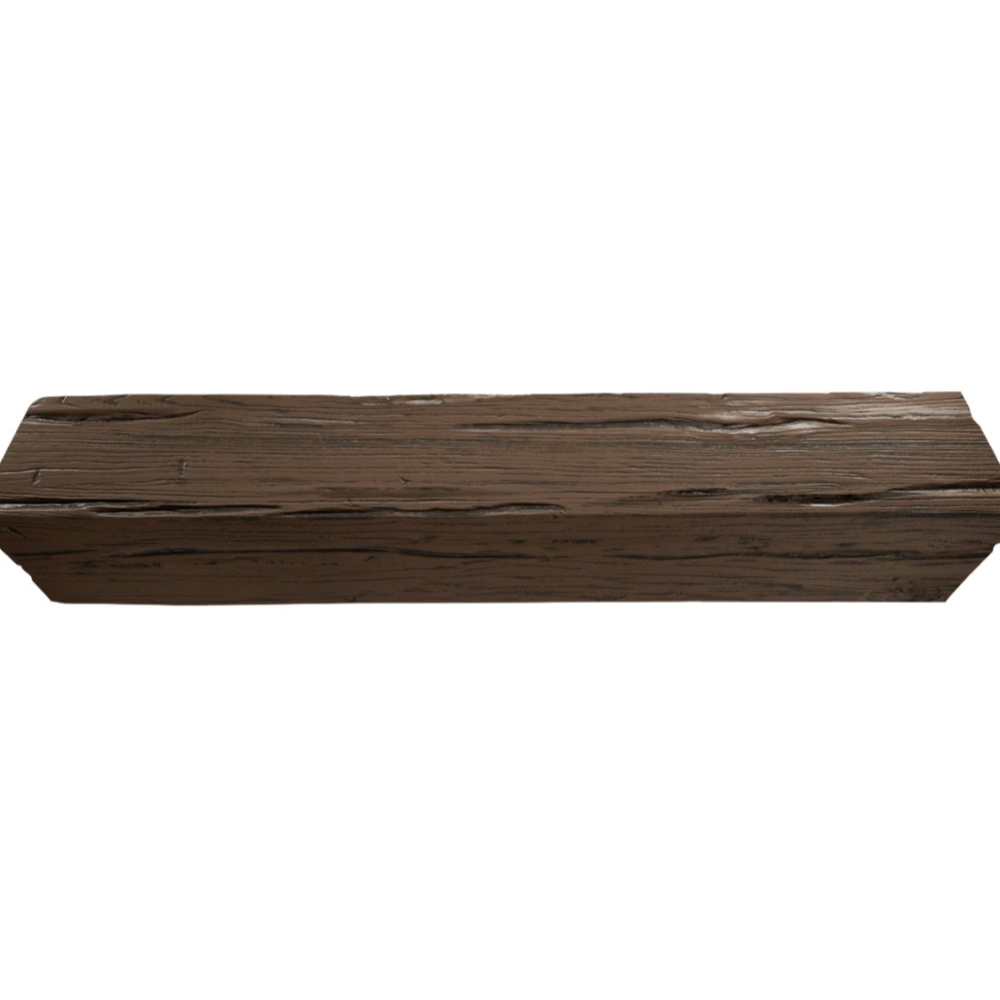
Application Beyond Literal Coastal Spaces
Inland homes adopt driftwood aesthetics for reasons unrelated to ocean proximity. The relaxed quality these spaces embody—casual elegance, natural authenticity, softened formality—translates effectively to suburban living rooms, mountain retreats, and urban apartments. The connection to coastal imagery provides evocative reference while remaining abstract enough to work in diverse contexts.
Farmhouse and cottage interiors often feature driftwood-inspired elements. These traditional housing types share the relaxed, lived-in quality that driftwood aesthetics emphasize. Beams in these spaces might pair with farmhouse sinks, vintage appliances, and salvaged architectural elements, contributing to environments that feel accumulated over generations rather than assembled from catalogs.
Scandinavian-influenced interiors incorporate driftwood finishes through their shared emphasis on natural materials and restrained palettes. The gray-taupes of driftwood align with Nordic color sensibilities, while the organic texture supports the tactile richness that Scandinavian design values. This crossover application demonstrates how finish specifications transcend specific style labels, finding homes in multiple design contexts.
Manufacturing Quality in Driftwood Finishes
Achieving convincing driftwood appearance requires manufacturing expertise that distinguishes premium products from lesser alternatives. Color application must account for how the finish will interact with underlying texture—layers that read as painted rather than weathered fail to capture driftwood's essential character. The best PU driftwood beams achieve their appearance through techniques that mimic natural weathering processes rather than simple surface coating.
Surface preparation before finishing affects final quality significantly. Premium manufacturers invest in texturing processes that create authentic worn character before color is applied. The combination of pre-weathered texture and carefully developed finish produces results that withstand scrutiny, even from viewers familiar with genuine driftwood specimens.
Consistency across beam sets ensures installations look intentional rather than mismatched. Driftwood's organic nature allows for variation, but manufactured products should fall within controlled ranges that prevent obvious repetition or jarring differences between adjacent beams. Professional finish application with quality control processes achieve this consistency while maintaining the authentic variation that driftwood aesthetics require.
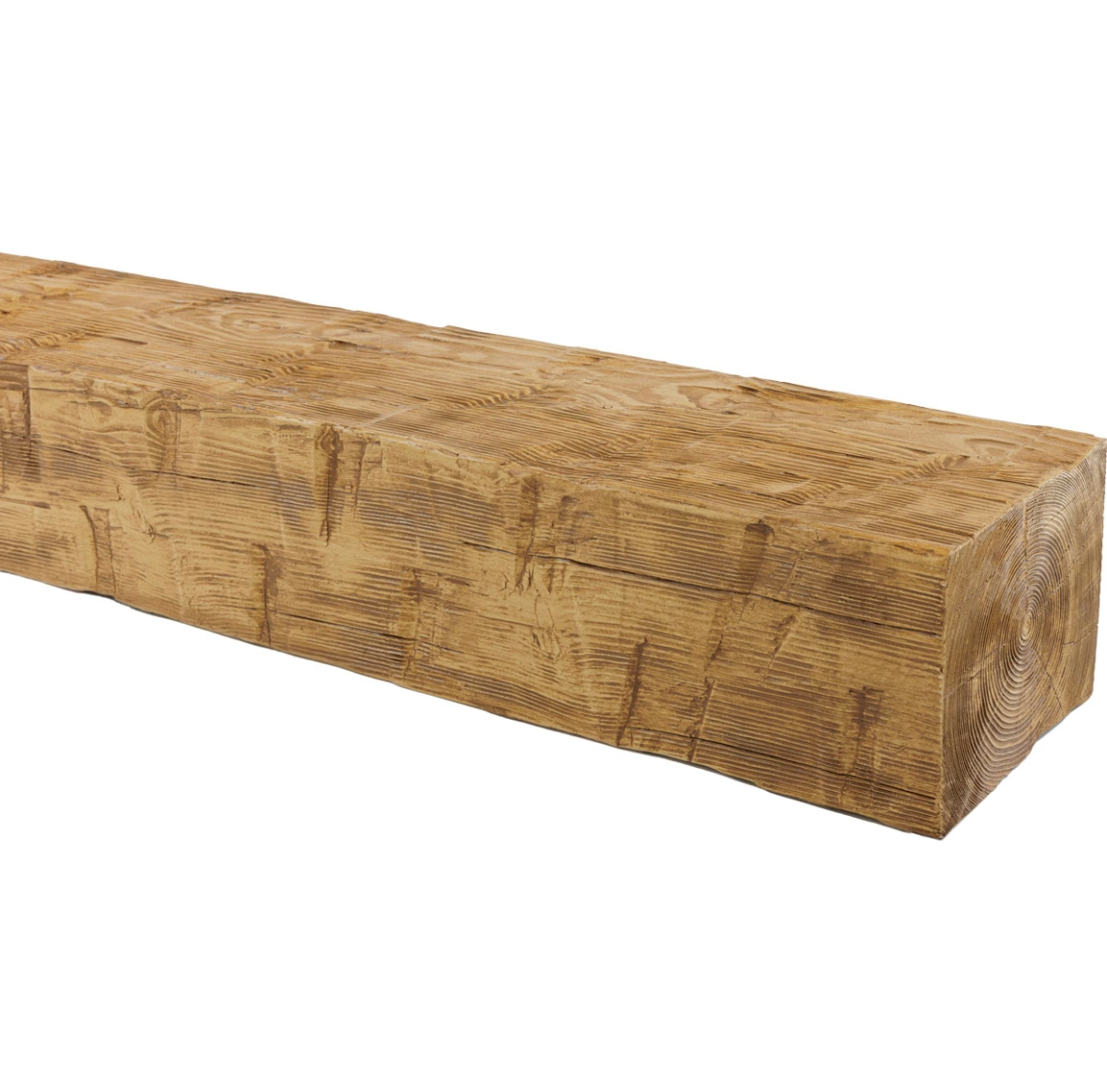
Maintaining Driftwood Appearance Long-Term
PU driftwood-finished beams require minimal maintenance compared to natural driftwood, which might need periodic sealing or cleaning to prevent deterioration. The polyurethane substrate does not rot, warp, or absorb moisture the way real wood does, meaning the driftwood appearance remains stable indefinitely with basic care.
Cleaning driftwood-finished beams involves simple dusting supplemented by occasional damp wiping when accumulated grime affects appearance. Harsh chemicals should be avoided—mild soap diluted in water handles most cleaning needs without risking finish damage. The goal is maintaining the weathered, slightly muted appearance that defines driftwood aesthetics; over-cleaning can strip finish character and restore artificial newness that contradicts the intended effect.
In outdoor applications, UV exposure continues the bleaching process that driftwood finish represents. Natural wood driftwood would continue lightening indefinitely; PU beams maintain their specified color permanently due to UV-stable pigments and protective topcoats. This stability represents a significant practical advantage—authentic appearance with manufactured reliability.
Technical References
ASTM standards cited in every specification
Test Data
Lab results from internal testing program
Updated 2026
Reviewed against current product specs


