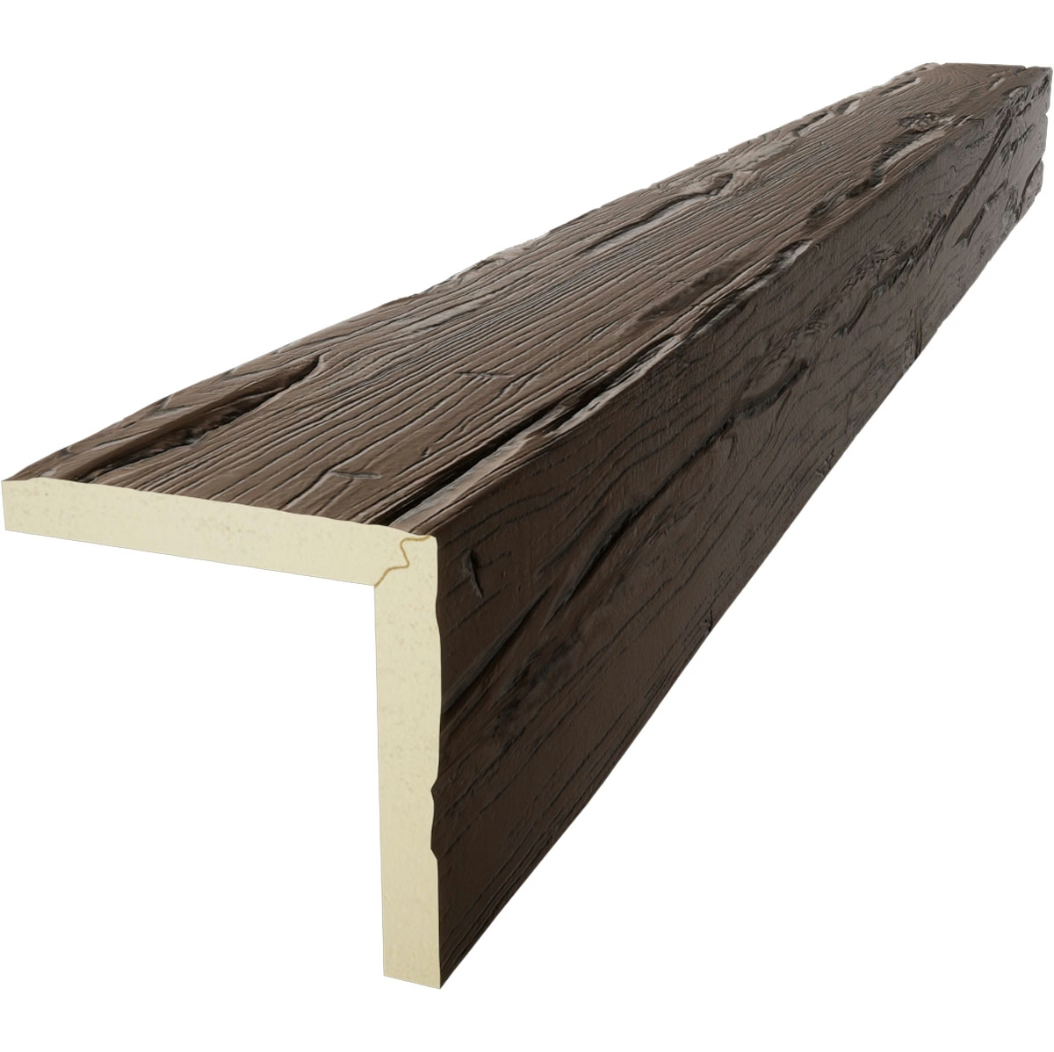
Design that engages only vision misses half the sensory experience buildings provide. We inhabit spaces with our entire bodies, moving through rooms and brushing against surfaces that communicate through touch as well as sight. Ceiling beams, elevated though they are, contribute to this tactile environment—visible textures that hint at what touch would reveal. Tactile textured PU wood beams provide textures designed to reward this sensory exploration, creating interiors where every surface feels considered.
The psychology of tactile experience connects to authenticity perception. Our hands tell us things our eyes might miss—surface temperature, texture depth, material hardness communicate information that visual inspection cannot capture. When these tactile cues align with visual appearance, authenticity registers at a fundamental level. When they conflict, something seems wrong even without conscious recognition of the discrepancy.
Designing for Touch
Authentic wood texture satisfies tactile as well as visual expectations. The resistance of grain lines under fingertips, the subtle depression into pore structures, the temperature behavior of wood versus plastic—these sensations either confirm or contradict visual wood appearance. Tactile design addresses these dimensions, engineering surfaces that provide appropriate tactile feedback when touched.
Temperature perception differs significantly between materials. Wood adjusts to ambient temperature gradually, feeling neither warm nor cold in normal conditions. Plastic and metal feel artificially consistent regardless of room temperature. Polyurethane, while technically a plastic, achieves temperature behavior closer to wood through density and formulation choices that affect thermal mass and conductivity. This thermal authenticity reinforces visual realism.
Surface hardness affects tactile perception. Wood's hardness varies by species—soft pine differs perceptibly from hard maple—but maintains consistent feel appropriate to its density. Polyurethane formulations can be engineered to achieve similar hardness characteristics, creating surfaces that feel like wood rather than like plastic imitations. Premium products engineer these properties intentionally rather than leaving them to chance.
Multi-Sensory Design Philosophy
Contemporary design increasingly embraces multi-sensory approaches that engage the full range of human perception. Sound, scent, texture, and temperature join sight in creating complete environmental experiences. Within this broader movement, tactile surface design represents an accessible entry point—surfaces that look like wood but also feel appropriate reward attention without requiring specialized design intervention.
Residential design benefits particularly from tactile authenticity. Homes are private spaces where family members touch surfaces casually, accumulating tactile impressions that build into environmental familiarity. Beams that feel wrong under touch create subtle discomfort that residents might not articulate but nonetheless experience. Surfaces that feel right enhance the domestic comfort that home environments should provide.
Hospitality and commercial spaces where strangers encounter surfaces benefit from tactile design that suggests quality. Hotel lobbies, restaurant dining rooms, and retail environments create impressions through tactile as well as visual channels. The weight of door handles, the texture of wall surfaces, and the apparent quality of ceiling beams all contribute to experiential impressions that affect satisfaction and return visits.
Technical Approaches to Tactile Realism
Achieving tactile authenticity requires understanding what hands actually feel when touching wood. The sensation involves multiple simultaneous inputs—grain lines under fingertips, pore structures against palm surfaces, edge definition where beams terminate. Each input must be addressed in surface design to produce comprehensive realism.
Grain line relief creates the most obvious tactile wood characteristic. Lines that are merely painted—flat color variations without surface depth—feel wrong even to people unfamiliar with wood. Genuine grain lines involve actual surface elevation changes, however subtle, that fingers can detect. The depth of these elevations affects both tactile and visual perception; professional products calibrate this depth precisely.
Edge definition contributes substantially to tactile wood character. Wood edges feel different from wood faces—end grain presents cell structure visible and tactile—creating texture transitions that suggest material authenticity. Synthetic beams must either recreate these transitions convincingly or position edges in locations where they receive minimal scrutiny. Premium products address edge texture directly, creating surfaces that satisfy close examination.
Psychological Dimensions of Tactile Experience
Touch serves as a verification sense for visual perception. When we see wood, we expect wood to feel like wood; confirming this expectation creates satisfaction while disconfirmation creates unease. This psychological mechanism developed through evolutionary experience where tactile verification protected against environmental dangers; it operates automatically without conscious intervention.
The validation function of touch explains why highly polished or plastic-surfaced imitations feel unsatisfactory despite visual accuracy. These surfaces pass visual inspection but fail tactile verification, creating the cognitive dissonance that makes people describe them as "feeling fake." Addressing tactile requirements produces interiors that satisfy completely, passing verification at every encounter.
Cultural factors modulate tactile preferences slightly. Different cultures develop different expectations based on materials prevalent in their environments. Surfaces that feel authentic in one context might seem unusual in another. International projects may require attention to these variations, selecting textures calibrated for target market expectations rather than manufacturer defaults.
Applications Where Tactile Quality Matters Most
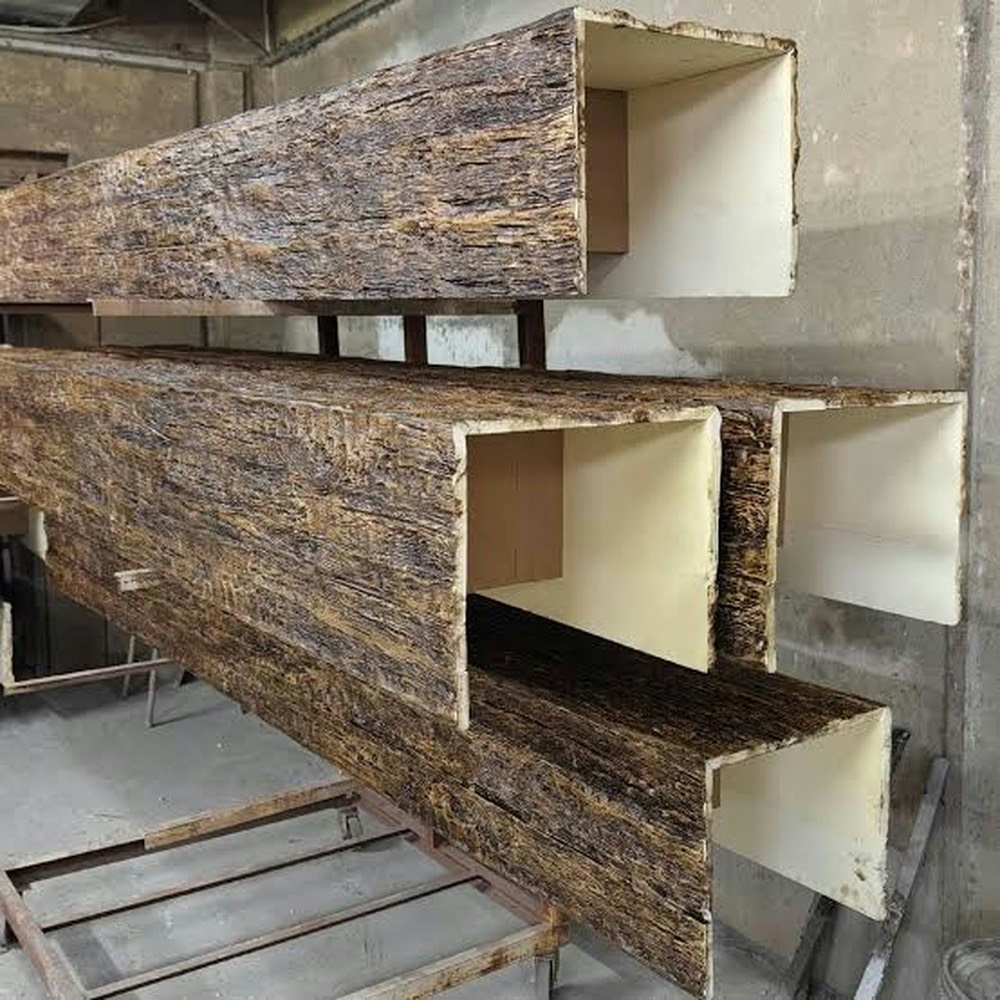
Low installations—beams within easy reach, vaulted ceilings with central zones accessible by step stool, exterior beams at seating height—invite physical interaction that demands tactile authenticity. In these situations, any surface imperfection registers through touch and potentially through sight as observers notice others touching surfaces. High-quality tactile textures prove essential where accessibility invites exploration.
Family environments with children create conditions where tactile authenticity receives particular scrutiny. Young children explore environments through touch with intensity that adults have learned to suppress. They run hands along surfaces, explore textures deliberately, and provide immediate feedback about tactile satisfaction. Beams in family spaces benefit from textures designed for this level of examination.
Design-conscious client environments, where occupants appreciate and articulate quality, require tactile sophistication that general audiences might not notice. These clients constitute a demanding but influential audience whose approval validates design approaches. Their endorsement of tactile quality spreads through professional networks, establishing reputations that influence broader market preferences.
Long-Term Tactile Performance
Tactile texture must survive long-term service without degradation that diminishes authenticity. Natural wood surfaces accumulate wear marks, scratches, and patina that change tactile character over time—sometimes enhancing authenticity through evidence of use. Synthetic surfaces should maintain consistent texture indefinitely, providing stable tactile experience that doesn't evolve in unexpected ways.
Cleaning practices affect tactile texture survival. Abrasive cleaners, harsh chemicals, or vigorous scrubbing can modify surface textures, potentially compromising tactile authenticity. Clear care instructions and appropriate cleaning product recommendations help maintain original tactile quality throughout service life.
Physical impact creates another degradation pathway. Dents, gouges, or surface damage affect tactile as well as visual perception. Polyurethane's impact resistance protects against this degradation more effectively than natural wood, maintaining original tactile qualities through decades of normal service.
Technical References
ASTM standards cited in every specification
Test Data
Lab results from internal testing program
Updated 2026
Reviewed against current product specs


