Long-lasting wooden simulation decor appeals to homeowners and designers who appreciate timber aesthetics but want to avoid ongoing maintenance concerns. Termite-proof polyurethane faux beams deliver this combination, providing permanent beauty without the insect vulnerability that makes wood ownership complicated in many regions.
The Long-Lasting Advantage
Permanence distinguishes polyurethane decorative elements from natural wood alternatives. While authentic timber offers undeniable character, its organic nature means continuous change throughout service life. Seasonal movement, gradual discoloration, and eventual deterioration represent normal wood behavior that polyurethane eliminates.
Year-after-year appearance consistency provides reassurance that initial installation quality persists indefinitely. No gradual darkening, no surface checking, no structural settling—polyurethane maintains original appearance as installed. This consistency proves particularly valuable for rental properties, commercial spaces, and anywhere maintaining consistent appearance matters.
The psychological comfort of permanent installation affects how owners relate to their spaces. Knowing that decorative elements will remain exactly as installed removes ongoing concerns that complicate ownership. This peace of mind has tangible value that explains growing preference for synthetic alternatives in many applications.
Aesthetic Customization for Authentic Results
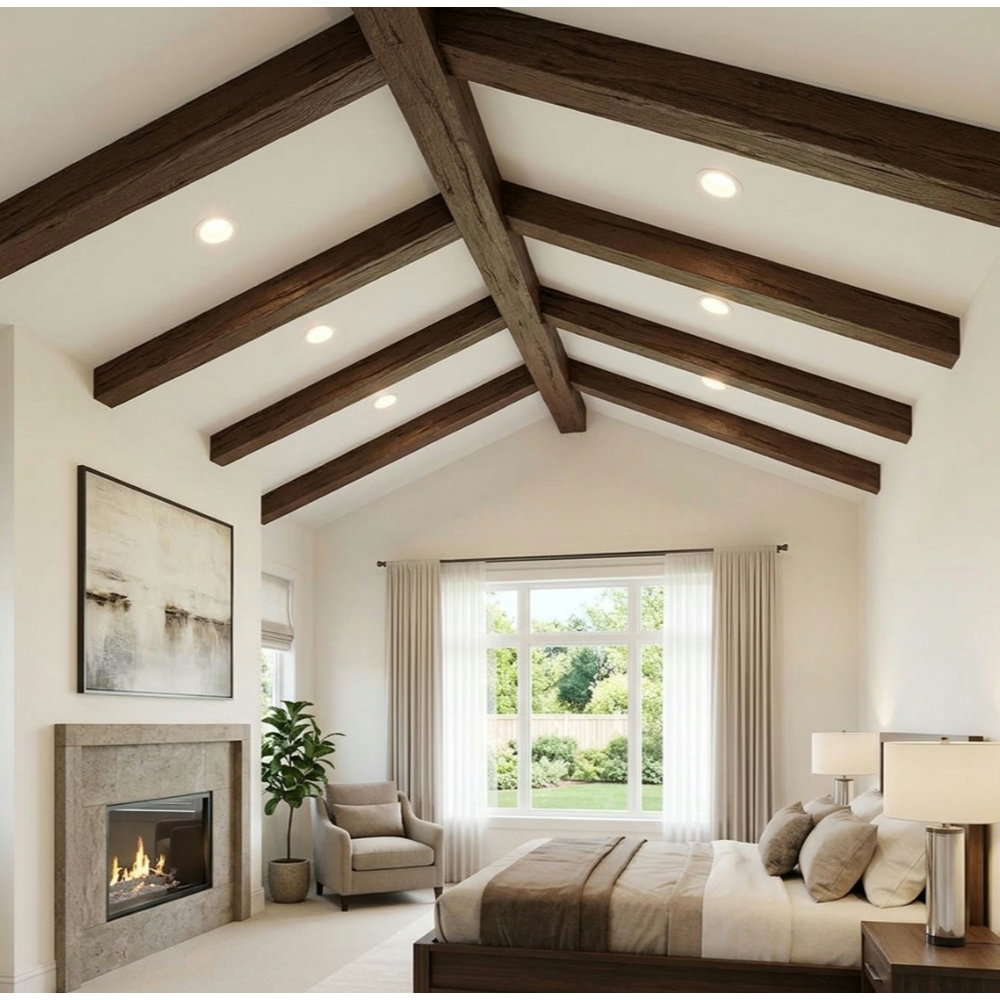
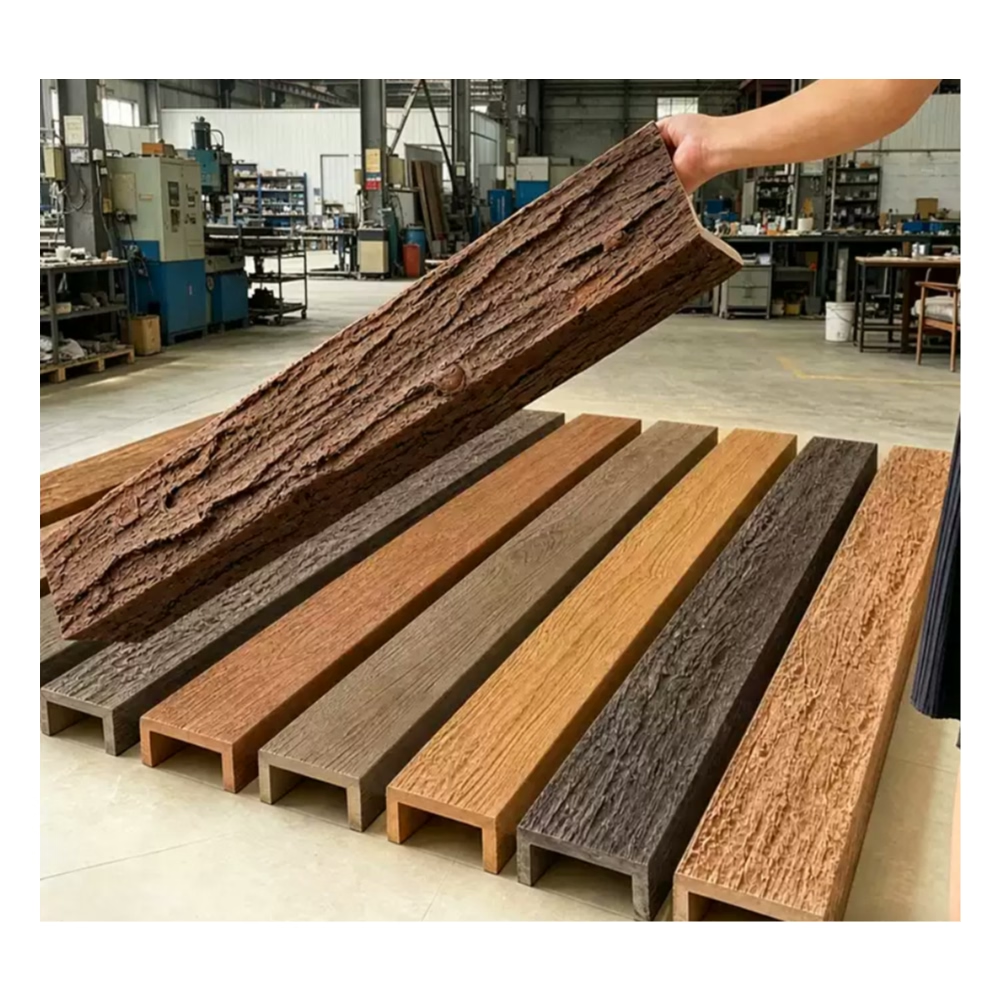
Modern manufacturing techniques produce polyurethane beams that convincingly replicate natural wood character. Advanced texturing systems create surface details indistinguishable from genuine timber when viewed from normal distances. Color matching technologies produce finishes that complement existing woodwork or stand independently.
Profile customization enables design visions that natural wood cannot achieve. While solid timber limits profile options to what saws and planes can produce, polyurethane molding enables any conceivably profile shape. Tapered beams, curved sections, and complex architectural details become practical without traditional carpentry challenges.
Finish options range from natural wood appearances to contemporary interpretations. Staining systems that penetrate polyurethane surface create wood-like color variation, while painted finishes provide clean contemporary aesthetics. This finish flexibility enables polyurethane integration into diverse design schemes.

Cost Analysis Over Extended Periods
Initial purchase prices for quality polyurethane typically exceed natural wood alternatives. This upfront difference concerns buyers focused on immediate costs but misrepresents true ownership economics. Spreading costs across expected service life reveals polyurethane's genuine value proposition.
Natural wood maintenance includes inspection fees, treatment applications, and eventual replacement reserves. These ongoing costs accumulate substantially over decades of ownership. Polyurethane's only maintenance involves occasional cleaning—routine dusting or washing that costs nothing beyond minimal time investment.
Replacement costs for failed natural wood include not just material and installation but often structural remediation as damage extends beyond decorative elements. Polyurethane eliminates these cascade failure possibilities, providing cost predictability that natural materials cannot match.
Regional Considerations for Termite Vulnerability
Geographic termite pressure varies substantially across regions, affecting risk calculations for wood installations. Properties in high-pressure zones—Florida, Texas, California, Hawaii, and Gulf Coast states—face constant termite activity that demands ongoing vigilance. Synthetic alternatives provide relief from this perpetual concern.
Properties with prior termite history face elevated ongoing risk even after remediation treatment. Termite colonies may persist despite treatment efforts, with new activity emerging from surviving populations. Complete replacement with synthetic materials eliminates this recurrence risk entirely.
New construction in termite-prone regions benefits from synthetic material specification that prevents future problems. Building codes in many areas require termite barriers or alternate construction approaches; synthetic decorative elements complement code-compliant approaches while reducing ongoing maintenance burdens.
Design Integration Strategies
Successful decorative beam installation requires attention to integration with surrounding architecture. Polyurethane's lightweight nature affects mounting approaches, requiring appropriate adhesive and mechanical fastening systems. Understanding these differences ensures installations perform as expected.
Scale relationships between beams and room dimensions affect visual impact. Large beams in small rooms can overwhelm, while undersized beams in grand spaces disappear. Design guidelines suggest beam sizing proportional to room dimensions, though artistic interpretation enables departures from conventional approaches.
Lighting affects how beams read within spaces, with both natural and artificial light creating appearance impacts. Specifying samples in actual installation locations enables accurate appearance evaluation before full commitment. This verification step prevents disappointment when installed work differs from expectations.
Termite-proof polyurethane faux beams enable design visions that prioritize lasting beauty without compromise. These permanent installations deliver authentic wooden aesthetics while eliminating pest concerns that complicate wood ownership in many regions.

Technical References
ASTM standards cited in every specification
Test Data
Lab results from internal testing program
Updated 2026
Reviewed against current product specs


