Texture selection fundamentally shapes how faux wood beam installations read within spaces. Rough-sawn and hand-hewn finishes represent opposite ends of the texture spectrum, each creating distinct visual character that suits different architectural styles and design intentions. Understanding these differences enables specification decisions that achieve intended effects.
Rough-Sawn Texture Characteristics
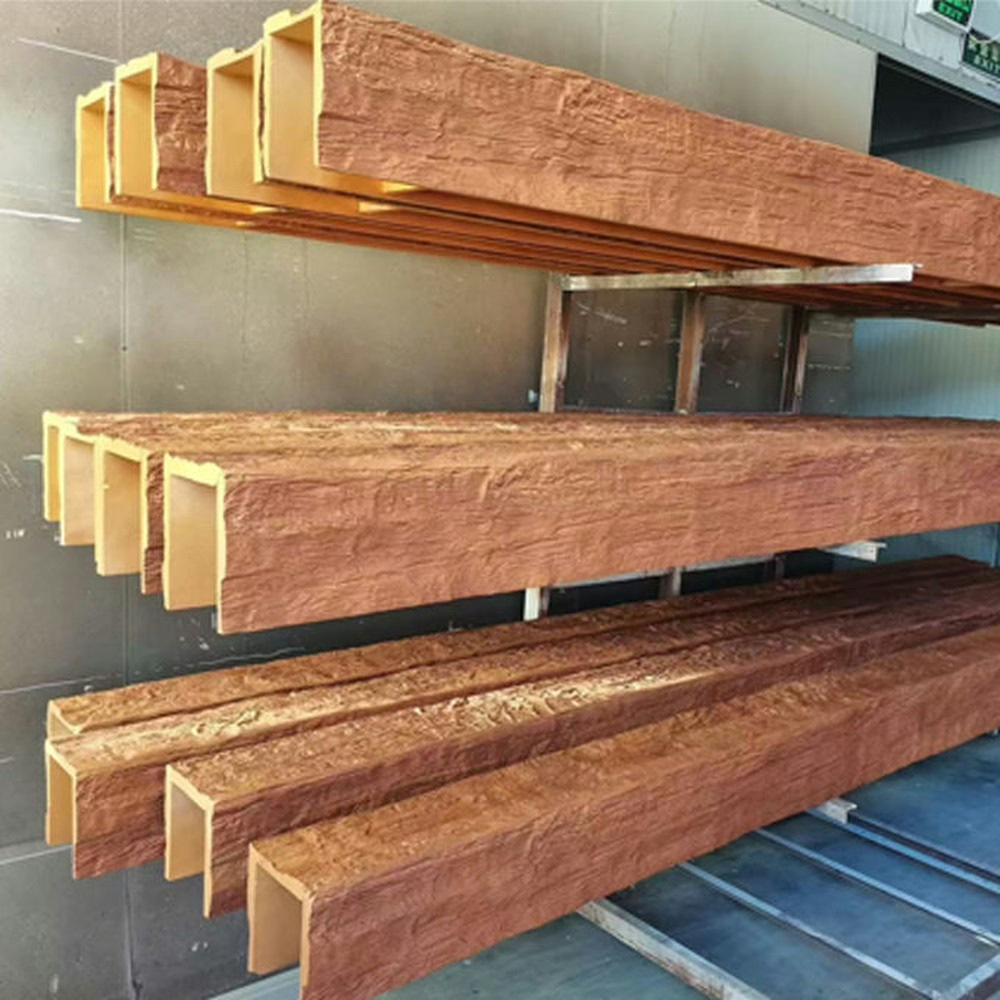
Rough-sawn textures replicate lumber as it emerges from the mill, before planing creates smooth surfaces. The aggressive cutting action of mill saws creates deep furrows, pronounced grain patterns, and characteristic saw marks that capture the raw character of timber production. This texture suits rustic, farmhouse, and industrial design approaches.
Manufacturing rough-sawn textures on polyurethane involves specialized router bits that score surfaces with randomized patterns. Multiple passes with varying depths build complexity that avoids the repetitive appearance of cheap imitations. Premium products incorporate enough variation that close inspection still reveals authentic randomness.
Light behavior across rough-sawn surfaces creates dramatic shadow patterns that enhance three-dimensional perception. Deep valleys create dark shadows while raised ridges catch highlights, producing visual interest that smooth surfaces cannot achieve. This shadow play contributes substantially to perceived authenticity.
Hand-Hewn Texture Characteristics
Hand-hewn textures simulate timbers shaped by traditional tools rather than mechanical milling. Characteristic flat spots alternate with curved gouge marks where axes and adzes removed material. This texture suits traditional, craftsman, and lodge-style interiors where authentic historical character enhances design intent.
Creating convincing hand-hewn appearance requires understanding traditional timber preparation techniques. Medieval builders would hew timbers from two opposing faces, meeting at rounded corners where tool paths transitioned. This hewing pattern—opposing flat surfaces with rounded intersections—creates the authentic character that successful hand-hewn replication must capture.
Tool mark patterns distinguish quality hand-hewn replication from poor imitations. Authentic hewing shows consistent tool width, overlapping strikes, and characteristic curved gouge patterns. Premium polyurethane replication incorporates these details through programmed tool paths that vary direction and depth to simulate genuine craftsmanship.

Visual Impact Comparison
Rough-sawn textures create bold, assertive visual presence that dominates spaces. This dramatic character works best where substantial beam sizing provides appropriate scale, with smaller beams potentially appearing too busy under rough-sawn treatment. Spatial proportions should align with texture boldness for successful integration.
Hand-hewn textures create quieter, more refined presence despite their traditional associations. The deliberate craftsmanship implied by hand-hewing suggests quality construction that rough-sawn's industrial character does not. This difference affects how spaces read, with hand-hewing often appearing more sophisticated.
Mixed texture approaches using different treatments on different elements create visual hierarchy within installations. Matching texture across all beams creates unity, while contrasting textures on main beams versus secondary elements creates focal emphasis. These compositional decisions should align with overall design intentions.

Appropriate Application Selection
Traditional farmhouse interiors often favor rough-sawn textures that complement exposed structure and rustic materials. Barn wood aesthetics, reclaimed lumber applications, and country design approaches align naturally with rough-sawn character. This texture choice reinforces design authenticity.
Craftsman and Arts & Crafts interiors typically suit hand-hewn textures that suggest quality artisan craftsmanship. Mission-style furniture, built-in cabinetry, and traditional woodwork integrate naturally with hand-hewn beam treatments. This alignment between texture and design vocabulary creates coherent aesthetic statements.
Contemporary interiors may incorporate either texture depending on desired contrast with sleek surrounding elements. Rough-sawn textures can provide welcome counterpoint to smooth wall surfaces and contemporary furnishings. Hand-hewn textures can ground contemporary spaces with traditional material references that add warmth.
Finish Interaction with Texture
Stain and finish application interacts differently with rough-sawn and hand-hewn textures. Deep valleys in rough-sawn surfaces collect finish differently than exposed ridges, creating shadowing that enhances depth perception. This finish behavior reinforces authentic appearance when properly managed.
Hand-hewn flat surfaces accept finish application more uniformly, while curved gouge marks create subtle variation. This differential creates natural appearance without dramatic shadowing, reflecting the quieter character of hand-hewn surfaces. Finish application technique should accommodate these texture differences.
Clear finishes preserve texture character most accurately, while painted finishes may partially obscure surface details. The decision between clear and painted application should consider texture type, with rough-sawn potentially benefitting more from clear finishes that emphasize shadow patterns.
Budget Considerations for Texture Selection
Manufacturing complexity affects pricing for different texture types. Hand-hewn textures often cost more due to additional tooling requirements and programming complexity. Rough-sawn textures, while still requiring specialized equipment, may offer more economical manufacturing paths.
Finish material requirements increase with texture depth regardless of texture type. Rough-sawn surfaces require more primer and paint to achieve uniform coverage, affecting both material costs and labor estimates. This additional material requirement should inform budget planning.
Installation handling differs between textures, with rough-sawn surfaces more susceptible to damage during Jobsite handling. Additional care during installation protects texture integrity that affects final appearance quality. This handling consideration may affect labor estimates for rough-sawn installations.
Understanding texture differences between rough-sawn and hand-hewn faux wood beam finishes enables specification decisions that achieve intended aesthetic results. Each texture type creates distinct visual character that should align with overall design vocabulary, spatial proportions, and budget considerations.

Technical References
ASTM standards cited in every specification
Test Data
Lab results from internal testing program
Updated 2026
Reviewed against current product specs


