Manufacturers offer numerous wood grain finish options for faux beams, with quality and authenticity varying substantially across products and price points. Understanding which finishes achieve the most convincing replication enables specification decisions that satisfy discerning clients while avoiding disappointingly artificial appearance.
Premium Tier: Most Convincing Replications
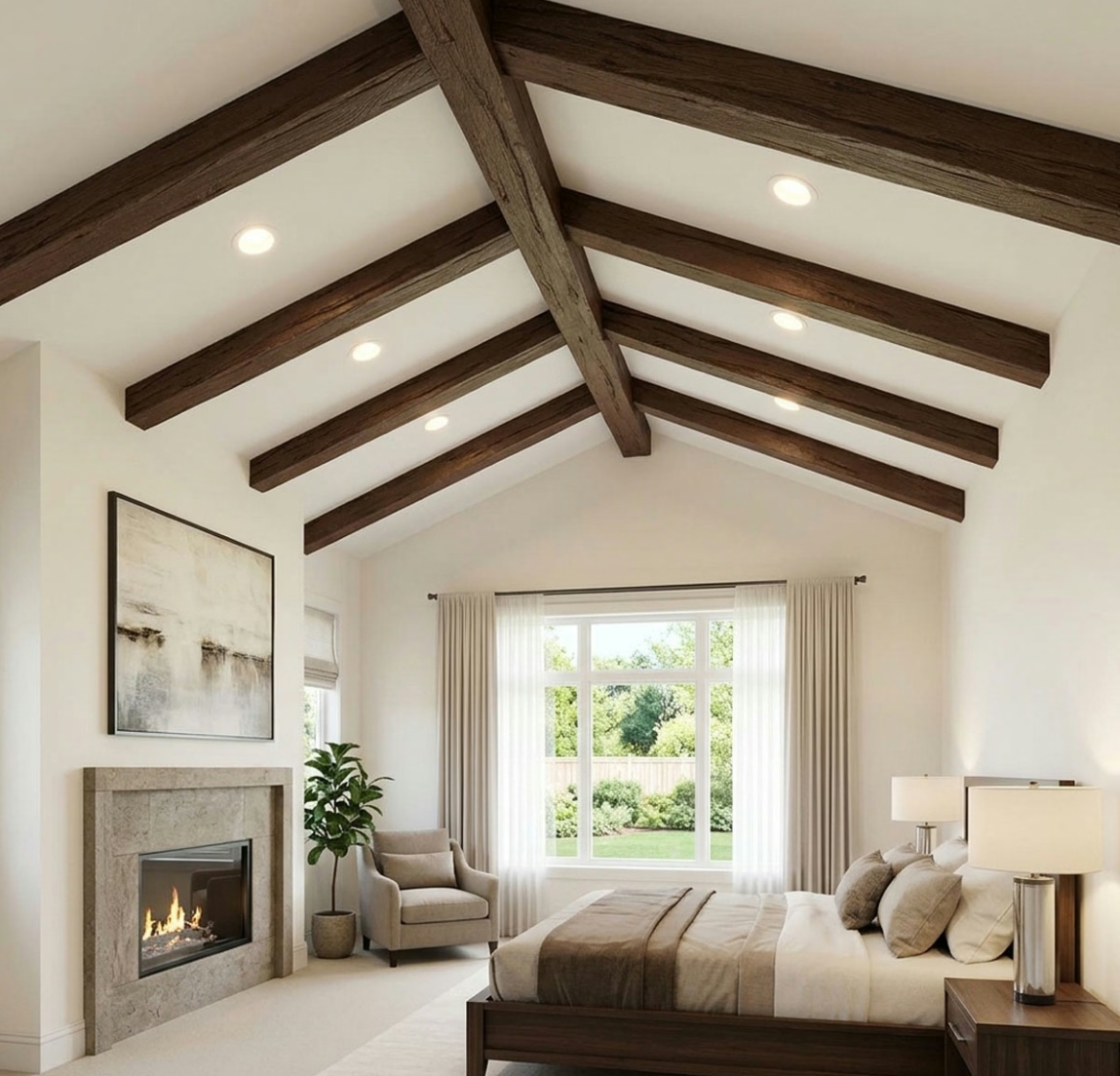
Hand-selected reclaimed wood simulation occupies the authenticity apex, replicating rare, weathered timber with extraordinary detail. These premium products capture not just texture but also the accumulated character of aged wood—patina, staining, and wear patterns that develop over decades of service. Close inspection reveals authenticity that satisfies even skeptical observers.
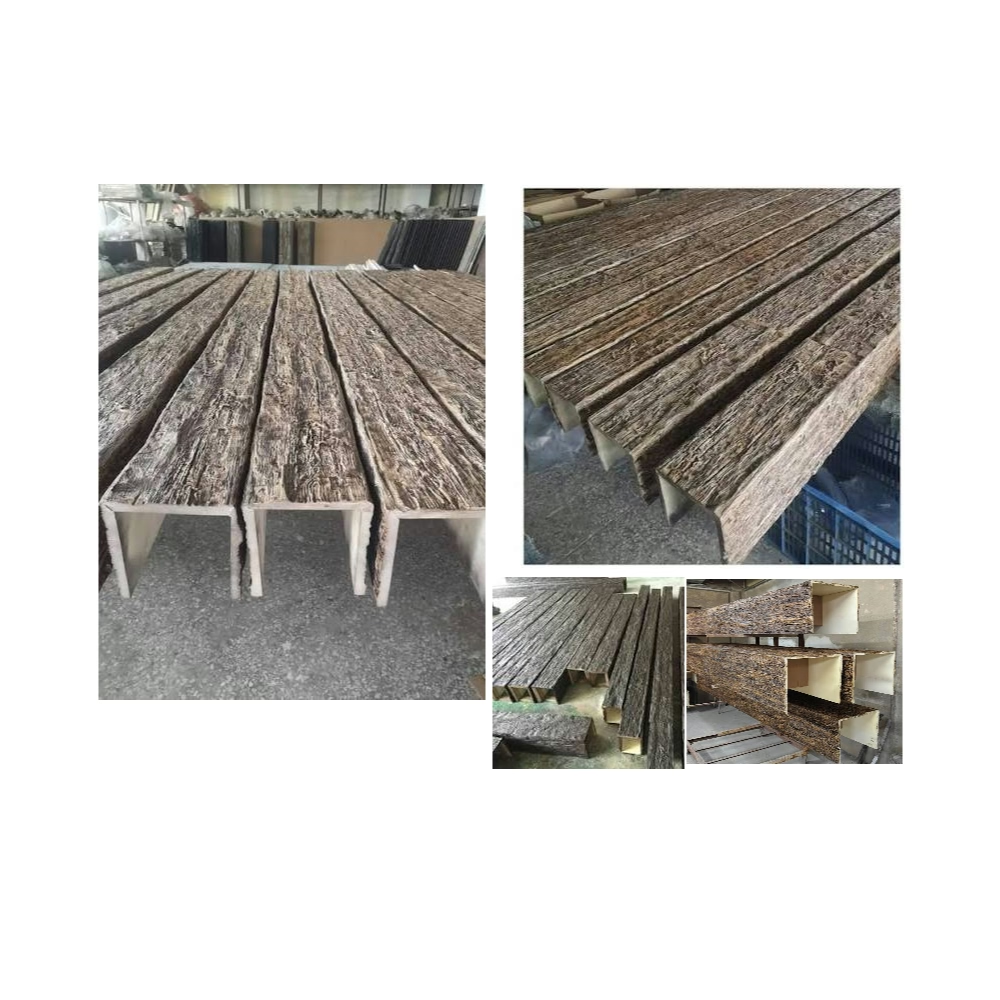
Multi-layered carving systems that build complexity through sequential tool passes achieve near-premium authenticity at moderate prices. This technique creates texture depth that single-pass systems cannot match, incorporating major features and fine detail that integrate convincingly. The investment in manufacturing complexity translates to appearance quality that justifies additional cost.
Variable-depth grain mapping using computer-controlled machining produces accuracy that rivals natural wood variation. These systems follow actual wood grain photographs, translating visual complexity into physical texture that matches source material precisely. This technological approach enables consistent replication across production quantities that hand-selection cannot achieve.
Mid-Tier Options: Solid Performance
Skip-planed textures replicate partially smoothed surfaces where planer knives removed some roughness while leaving substantial texture. This intermediate finish suits transitional spaces between rustic and refined aesthetics, offering authentic character without extreme visual weight. Quality varies substantially within this tier based on manufacturing approach.
Wire-brushed finishes create fine linear texture by pulling wire brushes across surface materials, revealing underlying grain character while softening aggressive textures. This treatment works particularly well with oak and ash species where grain figure benefits from exposure. The technique creates visual interest without overwhelming surrounding design elements.
Band-sawn textures simulate lumber cut with aggressive band saws, creating characteristic curved saw marks that differ from both rough-sawn and planed surfaces. This niche texture suits specific design approaches where authentic band-sawn appearance adds character. Limited application reduces common availability.

Entry-Level Choices: Acceptable Results
Smooth-planed surfaces provide clean appearance appropriate for contemporary installations where minimal texture suits design intentions. While not attempting authentic wood replication, these finishes complement modern design vocabulary that favors clean lines over rustic character. Expectations should align with design intent.
Light wire-brushed treatments offer subtle texture enhancement for smooth surfaces, adding visual interest without dramatic texture. This approach suits spaces where beam character should complement rather than dominate surrounding elements. Limited texturing keeps manufacturing costs reasonable while providing upgrade from completely smooth surfaces.
Basic embossed patterns provide lowest-cost texture options, creating simple raised lines that suggest grain direction without authentic complexity. These economy options work where budget constraints prevent premium specification, though appearance quality may disappoint clients expecting authentic character.
Species-Specific Authenticity Considerations
Oak grain patterns present particular replication challenges due to pronounced ray fleck and dramatic grain contrast. Premium products capture these characteristics through specialized tooling and multi-stage finishing that conveys oak's distinctive appearance. Economy alternatives often produce unconvincing oak simulation that reveals artificial origin.
Pine and fir species show more subtle grain patterns that prove easier to replicate convincingly. The lighter color range and gentler grain contrast reduce the penalty for manufacturing shortcuts. These species often achieve premium authenticity at moderate price points.
Dark hardwoods like walnut and mahogany require color depth that budget finishes cannot achieve. Stain penetration and layering create the rich, complex coloration that distinguishes premium dark wood finishes. Specification for dark wood aesthetics should verify that proposed products achieve adequate color depth.
Technology Advances Improving Authenticity
3D scanning of authentic wood samples enables texture transfer that captures every nuance of natural material. These digital archives preserve rare and irreplaceable wood samples while enabling unlimited replication. The technology investment produces appearance quality that manual replication cannot match consistently.
AI-assisted pattern generation creates variation that avoids repetitive appearance across long beam runs. Machine learning algorithms trained on authentic wood patterns produce novel variations that maintain species authenticity while eliminating visible repetition. This technology enables production quantities that previous methods could not support with consistent quality.
Robotic carving systems execute complex tool paths that maintain consistency across extended production runs. Unlike manual tooling that introduces variation through operator differences, robotic systems execute programmed paths identically every time. This consistency enables quality control that human operators cannot match.
Selection Guidance by Application
Exposed applications where beams remain visible from close distances demand premium authenticity. Entryways, vaulted ceilings, and spaces where beams define architectural character particularly benefit from top-tier finishes. Investment in quality pays dividends through lasting satisfaction.
Concealed applications where beams view from distance may not justify premium specification. Beams in soffits, behind railings, or in spaces where viewing distance limits texture appreciation can accept mid-tier options without perceived quality reduction. Appropriate specification prevents unnecessary expense.
Feature installations where beams serve as focal points demand highest available authenticity. Fireplace surrounds, exposed ceiling structures, and prominent architectural elements particularly reward premium finish specification. These applications justify investment that budget options cannot satisfy.
Ranking realistic wood grain finishes reveals quality tiers that inform specification decisions. Premium options achieve authenticity that satisfies discriminating observers, while economy alternatives serve budget applications appropriately. Understanding these tiers enables selection that matches application requirements, design intentions, and budget constraints.

Technical References
ASTM standards cited in every specification
Test Data
Lab results from internal testing program
Updated 2026
Reviewed against current product specs


