
The ceiling above your head holds more potential than most homeowners realize. When flat, painted surfaces dominate overhead views, a room can feel clinical and incomplete. Textured faux wood beams solve this problem elegantly, introducing visual depth, architectural interest, and warmth without demanding structural reinforcement or specialized craftsmanship.
Why Textured Surfaces Matter in Ceiling Design
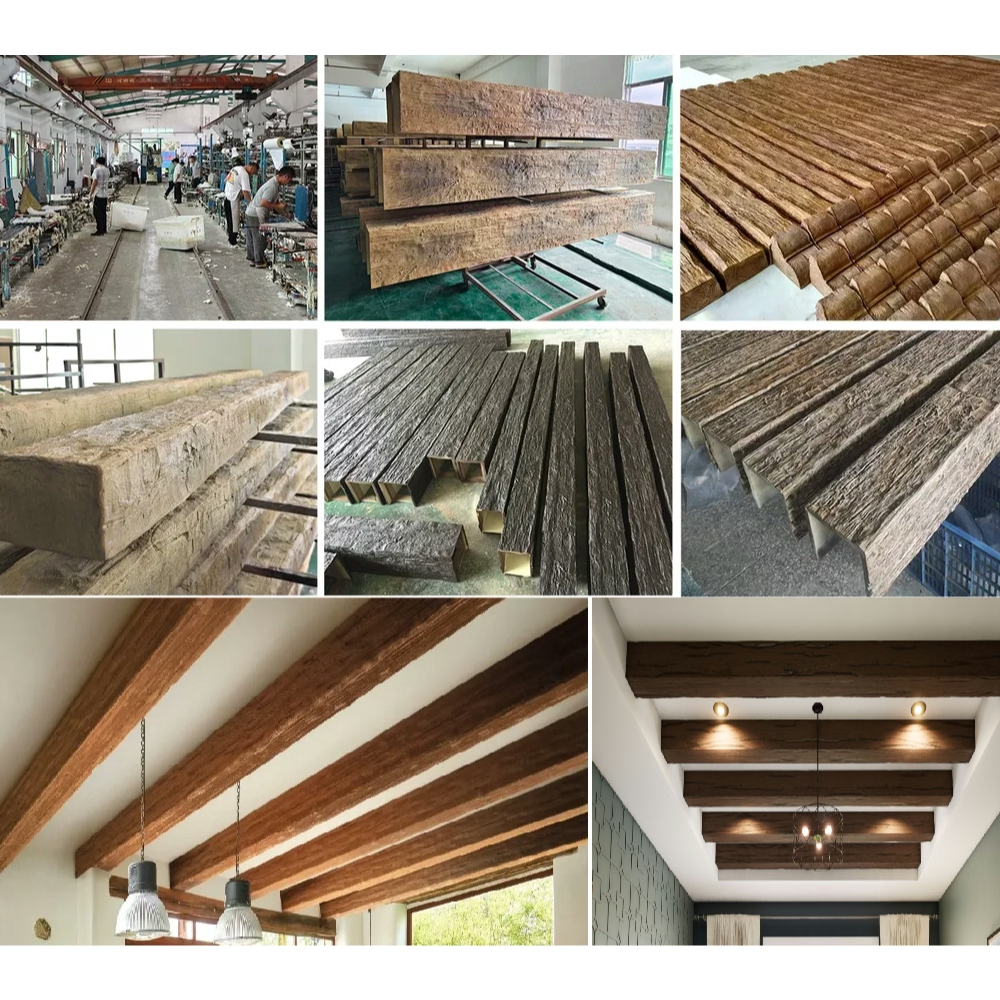
Texture creates the illusion of age and authenticity that smooth materials simply cannot replicate. A genuinely weathered barn beam carries centuries of history in its grain patterns, stress fractures, and color variations. Modern manufacturing techniques now capture these characteristics in polyurethane, producing beams with deeply embossed surfaces that catch light dynamically throughout the day.
The tactile quality matters beyond aesthetics. When visitors glance upward, the subtle shadows and highlights created by textured surfaces prevent ceilings from flattening into visual dead zones. Even in minimalist spaces where ornamentation feels inappropriate, a single textured beam can provide the focal point that anchors furniture arrangements and defines conversation areas.
Commercial spaces benefit equally from these characteristics. Hotel lobbies, restaurant dining rooms, and retail environments competing for customer attention need visual hooks that distinguish them from competitors. Textured faux beams deliver distinctive atmosphere while maintaining the durability and fire resistance required for public occupancy.
Popular Textured Beam Styles for Ceiling Transformations
Resawn and Weathered Finishes
Resawn textures simulate wood freshly cut from logs, with visible saw marks and a slightly rough surface. This finish works exceptionally well in contemporary farmhouse designs and industrial loft conversions where exposed materials form part of the aesthetic vocabulary. The saw pattern interacts with directional lighting to create rhythmic shadow bands that add movement to static ceilings.
Weathered finishes take the opposite approach, suggesting decades of exposure to sun, rain, and temperature fluctuation. Deep gray tones with lighter sapwood undertones create apparent depth, while crack patterns and edge weathering prevent the uniformity that makes new materials feel manufactured. These beams pair naturally with neutral wall palettes, stone accents, and vintage furniture collections.
Hand-Hewn and Artisan Textures
For spaces seeking Mediterranean or Old World character, hand-hewn textures replicate beams carved by blacksmiths and carpenters using axes and adzes. The irregular furrows, scattered tool marks, and organic curves distinguish these finishes from machine-produced alternatives. Installation in dining rooms, studies, and master bedrooms creates intimate, crafted atmospheres that soften contemporary building materials.
Artisan textures combine multiple surface treatments—combinations of wire-brushed grain, chiseled end grain, and burnished highlights—into composite finishes that reward close inspection. These beams suit boutique hospitality environments and high-end residential projects where discriminating clients notice every design detail.
Planning Your Ceiling Makeover Project
Assessing Structural Considerations
Although faux beams weigh significantly less than solid timber, successful installations require accurate load calculations and appropriate mounting hardware. Cathedral ceilings with exposed rafters accommodate beam installations most flexibly, as beams can run perpendicular to rafters with simple bracket attachments. Flat or shallow-slope ceilings may require furring strips or additional framing to create visual separation between beams and underlying structure.
Room proportions influence beam sizing dramatically. A beam that dominates a 200-square-foot living room might disappear entirely in a grand foyer with 25-foot ceilings. Professional designers often recommend beams comprising approximately one-twelfth of the ceiling height—larger beams for dramatic statements, smaller proportions for subtle layering.
Coordinating with Existing Design Elements
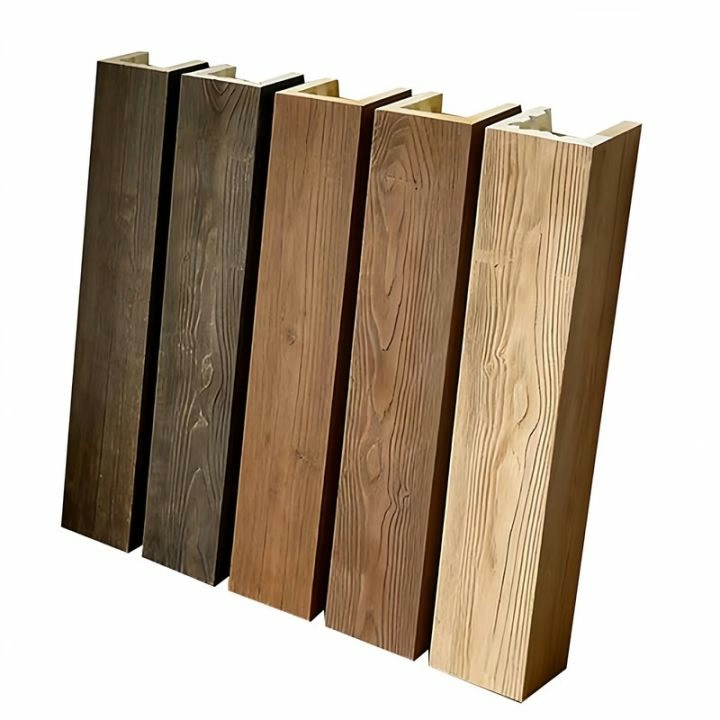
Textured beams interact with every visible surface in a room. Wood tone should complement rather than compete with flooring, cabinetry, and trim. Warm honey tones harmonize with golden oak floors and brass hardware, while cooler gray finishes bridge between concrete and steel accents. Paint-grade white beams offer maximum flexibility, accepting any wall color without coordination concerns.
Lighting integration deserves early attention. Recessed fixtures, pendant lights, and ceiling fans require mounting points that may conflict with beam placement. Running electrical through hollow faux beams simplifies this challenge while concealing wiring that would otherwise cross exposed ceilings. Some installers incorporate LED strip lighting within beam hollows to create ambient illumination that emphasizes texture through shadow.

Installation Techniques for Professional Results
Mounting Systems and Hardware
Surface mounting using decorative brackets suits applications where ceiling accessibility is limited or where beams must install over existing finishes without modification. Heavy-duty brackets, concealed within the beam hollow, transfer loads directly to structural framing while remaining invisible from normal viewing angles.
Suspended mounting employs aircraft cables or threaded rods from overhead structure, allowing beams to float below ceiling planes with adjustable heights. This technique proves popular in basement refinishing projects where floor-to-ceiling measurements are constrained and floating beams create visual height without reducing headroom.
For authentic appearance, end caps and corner joints require careful fitting. Factory-molded transitions between beam faces and end grains prevent the visible seams that betray lightweight construction. Corners demand particular attention—mitered joints work for painted beams, but stained or natural-finish installations benefit from scarf joints that align grain patterns across intersections.
Finishing and Ageing Treatments
Factory-applied finishes provide consistent color and protection but may lack the variation that makes natural wood compelling. On-site distressing techniques—light sanding at edges, targeted stain application, and strategic finish removal—add character without compromising durability. Water-based stains dry quickly for layered application, while gel stains provide more controlled color development on polyurethane surfaces.
Sealant application completes installations by protecting textured surfaces from dust accumulation and moisture absorption. Matte or satin finishes preserve apparent texture better than high-gloss alternatives, which fill micro-relief with reflected light and flatten apparent depth.
Maintaining Textured Ceiling Beams
Polyurethane beams resist the moisture absorption, insect damage, and structural splitting that challenge natural timber. Cleaning requires only occasional dusting or gentle washing with mild detergent solutions. Unlike wood, polyurethane does not require periodic refinishing or protective treatment application.
Temperature fluctuations cause minimal expansion and contraction in quality polyurethane formulations, preventing the cracking and joint separation that affects natural wood in unconditioned spaces. This stability makes textured beams suitable for enclosed porches, three-season rooms, and other environments with limited climate control.
Cost Considerations and Value Assessment
Textured faux beams typically cost 60-80% less than comparable solid wood installations when factoring material expenses, shipping weights, and finishing labor. The reduced mass also lowers installation labor costs, as two workers can position beams that would otherwise require mechanical lifting equipment.
For rental properties and commercial installations where future modification seems likely, the reversibility of faux beam installations provides additional value. Unlike structural timber that requires demolition for removal, faux beams uninstall cleanly for reuse or storage.
The combination of authentic appearance, practical durability, and accessible pricing makes textured faux wood beams an increasingly popular choice for ceiling transformations across residential and commercial sectors. Whether applied as dramatic architectural features or subtle design accents, these versatile elements reward creative consideration during any interior renovation planning process.
Technical References
ASTM standards cited in every specification
Test Data
Lab results from internal testing program
Updated 2026
Reviewed against current product specs


