
Every genuine timber carries the story of a living tree within its grain patterns, knot formations, and natural irregularities. Replicating these organic characteristics in manufactured products requires sophisticated molding processes and careful attention to the details that distinguish authentic wood from plastic imitation. Modern PU resin technology achieves remarkable fidelity, particularly in knotty finish applications where bold natural markings become design features rather than flaws to conceal.
Understanding Knotty Wood Aesthetics
The Appeal of Natural Imperfection
Knots represent where branches once joined tree trunks, creating dark circular formations surrounded by distorted grain patterns. In traditional woodworking, knots were often considered defects requiring removal or concealment. Contemporary design philosophy reverses this assessment, celebrating knots as evidence of organic origin and sources of visual interest.
Interiors featuring knotty beams communicate warmth, authenticity, and connection to natural materials. The irregular patterns prevent the monotony that affects rooms decorated with overly uniform elements. Each knotty beam presents unique markings that reward extended observation, making spaces feel more personal and less manufactured.
Achieving Authentic Knot Reproduction
Quality manufacturers employ multi-piece molds that capture individual knot formations with surrounding grain distortion. The deep indentation of knot centers, the radiating stress lines extending outward, and the color variations between dense knot wood and surrounding fiber all require precise reproduction. Surface texturing around knots must match the compressed, weathered appearance of actual knotty timber.
Polyurethane resins flow into molds under pressure, filling fine details without the air pockets or shrinkage that affect poured concrete or cast stone. This filling capability preserves sharp edges and subtle relief changes that define convincing wood grain. Post-molding painting and staining processes layer colors that penetrate surface relief, creating the depth that distinguishes authentic finishes from flat paint applications.
Curved Beam Applications and Engineering
Architectural Opportunities with Curved Profiles
Curved beams transform ceiling design from predictable grid arrangements into flowing, organic compositions. Vaulted ceilings follow parabolic curves that direct attention upward, emphasizing ceiling height while creating intimate gathering zones beneath their apexes. Barrel vaults wrap continuous curves across room widths, suggesting the expansive interiors of churches, theaters, and grand estates.
Segmented curved beams approximate smooth curves through multiple straight sections joined at calculated angles. This approach allows standard production methods to achieve curved appearances while maintaining structural integrity and installation simplicity. The joints between segments become design elements, visible evidence of construction technique that reads as craftsmanship rather than compromise.
Radius-formed beams employ flexible polyurethane that cures around curved formers, producing genuinely continuous curves without angular transitions. These beams suit applications where close inspection is likely—focal point installations above dining tables, reception desks, or performance stages where joint visibility would undermine intended effects.
Load Considerations for Curved Installations
Curved faux beams differ from straight installations in how they interact with mounting systems. The curved profile creates outward thrust forces that must transfer to structural elements through secure attachment points. Quality curved beams incorporate internal metal framing that distributes loads across extended bearing surfaces rather than concentrating stress at mounting brackets.
Radius specifications typically indicate minimum achievable curves—the tightest bends that production methods can reliably reproduce. Standard radius options range from gentle sweeps suitable for subtle design integration to tight curves appropriate for dramatic architectural statements. Custom radius production accommodates unusual specifications with appropriate tooling investments.
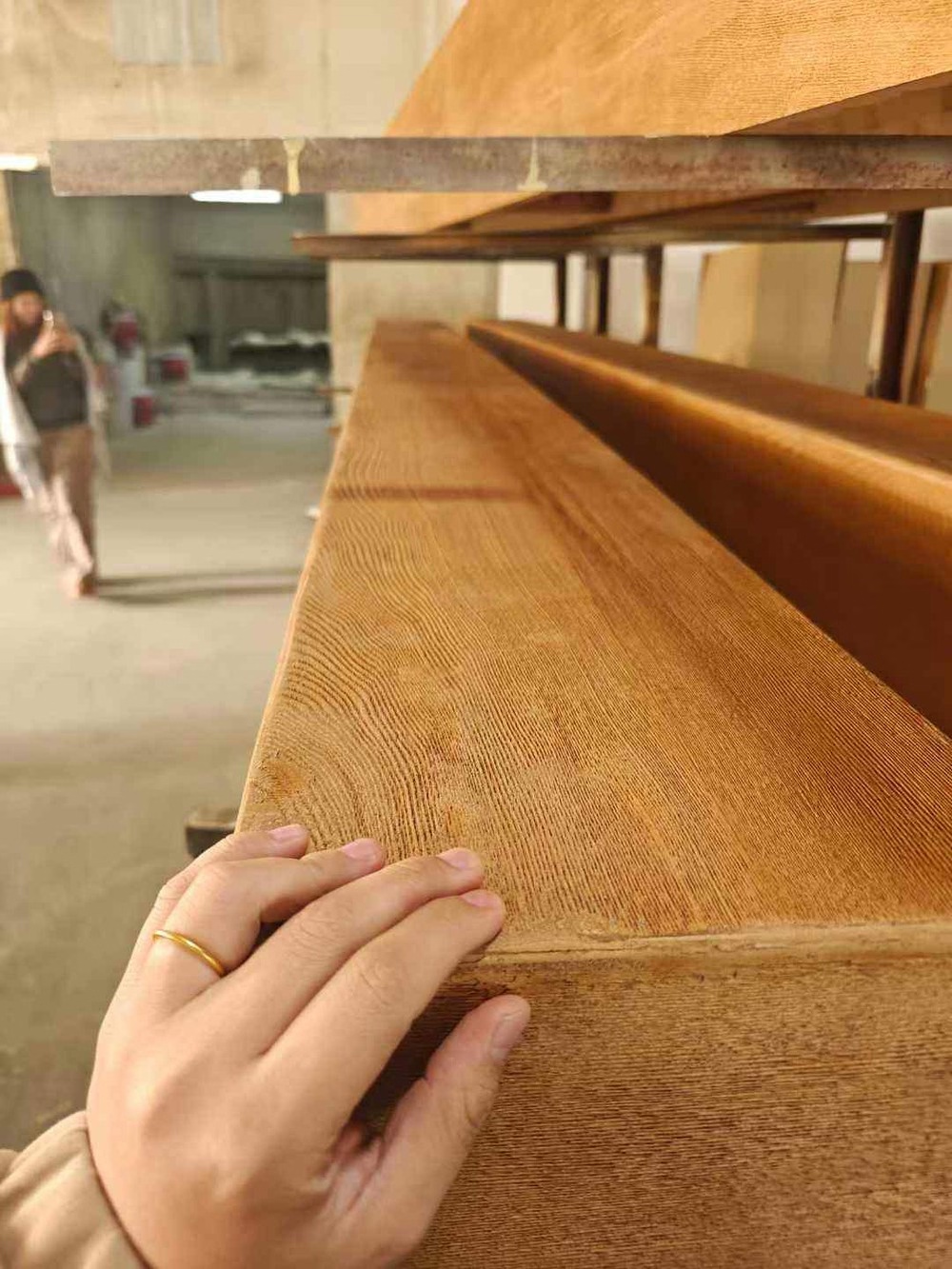
Design Integration Strategies
Complementing Existing Architectural Features
Curved knotty beams interact dynamically with other curved elements in built environments. Arched doorways, curved staircases, and barrel-vaulted corridors find natural companions in matching beam profiles. Coordinating curve radii across these elements creates visual harmony that feels intentional rather than coincidental.
Linear design elements also benefit from curved beam introduction. Long straight walls with few architectural features gain visual interruption from crossing curved beams that create changing shadow patterns throughout daylight hours. The contrast between straight architectural lines and organic beam curves generates interest without requiring pattern complexity.
Material Palette Coordination
Knotty textures demand careful color coordination with surrounding materials. The dark tones of dense knot formations read as heavy elements requiring balancing weight elsewhere—stone fireplace surrounds, dark cabinetry, or substantial furniture pieces. Lighter knotty finishes suit more open palettes where beams provide texture rather than mass.
Resin technology allows knotty beams in colors beyond natural wood ranges. Whitewashed knotty beams complement coastal and farmhouse aesthetics. Charcoal-stained knots create dramatic contrast in contemporary industrial spaces. Painted knotty beams accept custom color matching for projects with specific brand or design requirements.
Installation Best Practices
Supporting Curved Structure
Curved beam installations require structural preparation that straight beam mounting may not demand. Curved furring strips or blocking follow beam radius specifications, creating continuous bearing surfaces along entire beam lengths. This backing prevents the localized stress concentrations that occur when curved beams contact point loads at bracket positions.
Interior spacing measurements become more complex with curved profiles. Each installation location requires individual measurement along the actual curve rather than straight-line projection. Experienced installers create paper templates for curved applications, confirming fit before committing to permanent mounting positions.
Sealing and Weather Resistance
For covered outdoor applications—patios, pool enclosures, or protected porches—UV-stable finishes prevent the chalking and color shift that affects non-UV-rated products under sun exposure. Sealed end grains resist moisture infiltration that could compromise beam integrity over extended service. Quality manufacturers provide specific finishing recommendations for different exposure conditions.

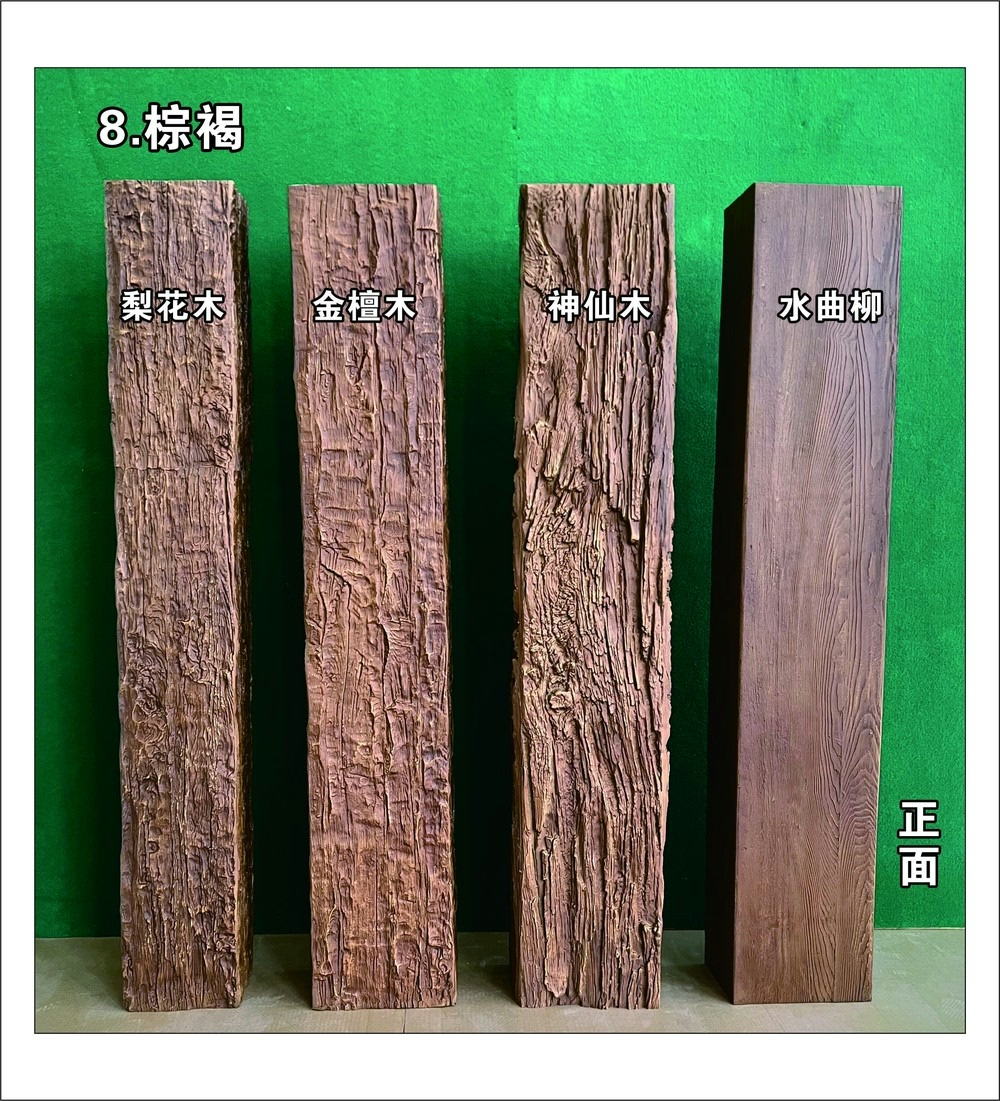
Selecting Quality Knotty Curved Beams
Manufacturing Standards and Quality Indicators
Surface consistency distinguishes premium knotty curved beams from budget alternatives. Individual knots should present as genuine indentations rather than painted-on decorations. Grain patterns should flow naturally around knot formations, with growth rings visibly bending to follow organic contours. Flat or unconvincing knot reproduction signals inadequate mold construction or insufficient production oversight.
Structural integrity testing ensures beams maintain curved profiles under temperature extremes and sustained loading. Quality beams resist permanent deformation when subjected to conditions exceeding typical service environments. Certification testing for fire resistance, smoke development, and structural performance provides third-party validation of manufacturer claims.
Supplier Evaluation Criteria
Production capabilities define what suppliers can deliver for curved knotty beam projects. Sample evaluation reveals finish quality, knot authenticity, and surface consistency. Lead time expectations help project scheduling, particularly for custom radius specifications requiring tooling modification. Shipping logistics for long curved pieces affect total project cost significantly—local or regional suppliers may offer advantages for oversized beam transport.
Technical support availability matters for curved installations where field modification occasionally becomes necessary. Suppliers offering detailed installation guidelines, responsive technical consultation, and reasonable return policies reduce project risk for first-time curved beam installers.
The combination of organic knotty aesthetics with flexible curved profiles opens ceiling design possibilities that straight beams cannot achieve. These specialized products reward thoughtful specification and careful installation with architectural effects that transform ordinary rooms into memorable spaces.
Technical References
ASTM standards cited in every specification
Test Data
Lab results from internal testing program
Updated 2026
Reviewed against current product specs


