
Authentic wood appearance depends fundamentally on surface texture. Beyond color and form, the subtle ridges, valleys, and reflections created by genuine grain patterns generate the visual complexity that our eyes recognize as naturally occurring material. Smooth plastic surfaces—even those colored convincingly—read as manufactured because they lack these surface variations that develop through years of organic growth.
Understanding Wood Grain Surface Characteristics
Growth Ring Geometry and Visual Effects
Tree growth occurs through seasonal variations in cell production, creating visible rings in cross-section and parallel patterns in longitudinal cuts. Tangential surfaces—cuts parallel to tree axes but passing through growth ring arcs—display the classic cathedral or U-shaped grain patterns familiar from lumber identification. Radial surfaces—cuts through tree centers—show straight, parallel grain lines without cathedral patterns.
Different species display these patterns with distinct characteristics. Oak presents dramatic ray fleck and pronounced grain contrast between earlywood and latewood zones. Maple shows subtle, tight grain suitable for contemporary interiors. Cherry develops satiny, uniform texture that darkens attractively with age. Each species requires specific reproduction techniques to achieve convincing appearance.
Texture Variations Within Single Boards
Even single wood pieces display multiple texture zones: tight-grained heartwood centers, wider-ringed juvenile wood near bark, and compressed or distorted grain around knots and branches. Natural weathering adds surface oxidation, checking, and erosion patterns that vary across individual pieces. Authentic-appearing faux beams must replicate these variations rather than presenting uniform surfaces.
Pore structure affects surface texture dramatically. Open-grained woods like oak display visible cell openings on longitudinal surfaces, while closed-grained species like maple present relatively smooth finishes. Mold manufacturers incorporate these characteristics through appropriate master pattern selection and mold material choices that capture fine surface details.
Manufacturing Techniques for Grain Reproduction
Embossing and Relief Methods
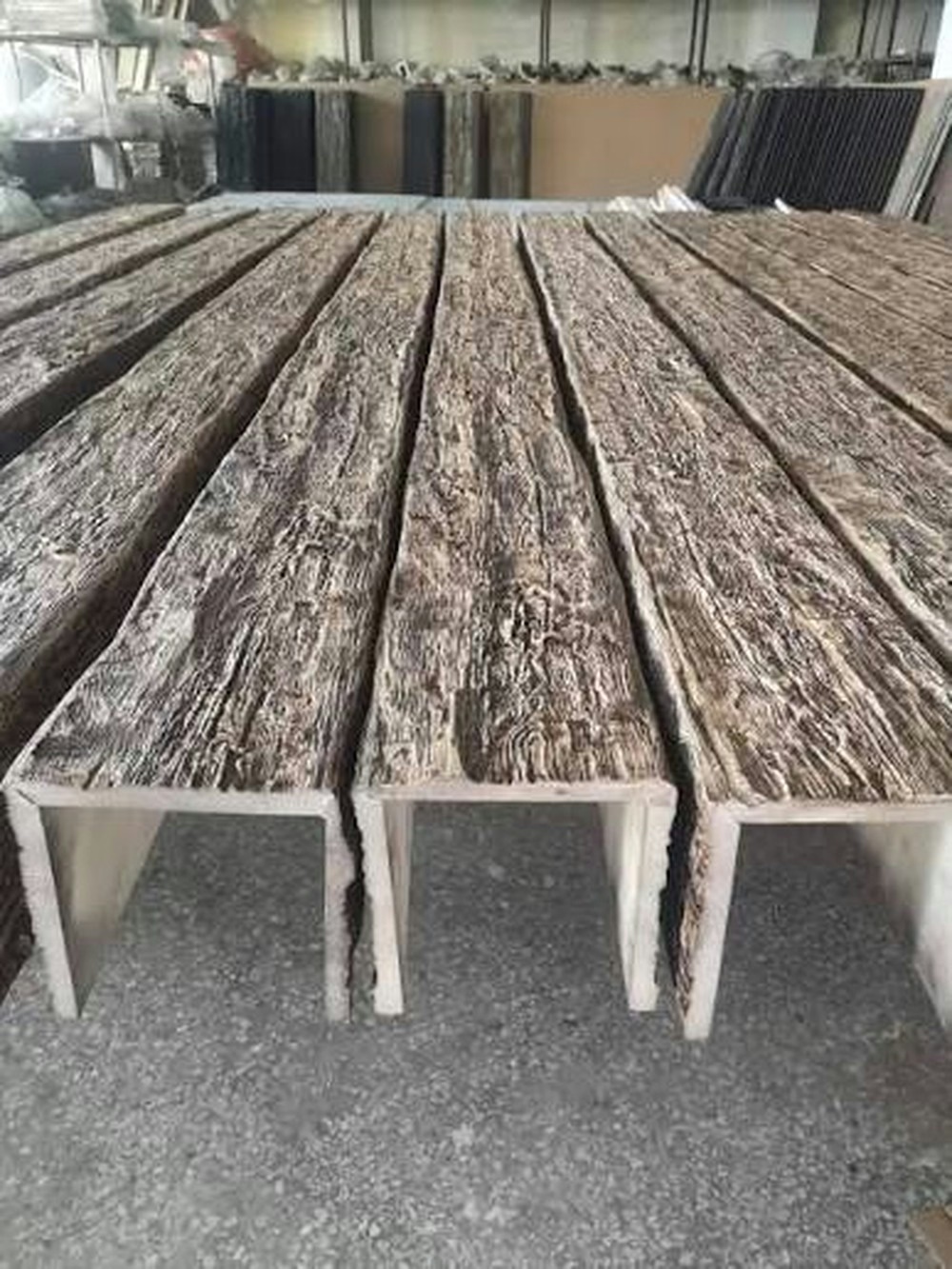
Surface embossing creates raised patterns corresponding to wood grain geometry. High-density polyurethane fills embossing molds with sufficient pressure to reproduce fine detail without flash or voids. The resulting surfaces display the dimensional variation that creates authentic appearance when light strikes from various angles.
Embossing depth varies by design intention. Shallow embossing—fractions of millimeters—creates apparent texture without dramatic shadowing. Deep embossing reproduces the aggressive grain patterns of rift-sawn lumber or highly figured specimens. Variable embossing density across beam faces simulates the natural variation between tight-grained and wide-grained zones.
Casting from Natural Wood Masters
The most convincing grain reproduction employs actual wood pieces as master patterns. Craftsmen select boards displaying exceptional grain character, prepare surfaces to remove modern milling marks, and incorporate weathering appropriate to intended beam appearance. The wood master then generates silicone molds that capture grain geometry with extraordinary fidelity.
Casting from wood masters produces surfaces that display not just primary grain patterns but also secondary characteristics: ray fleck, pith traces, and subtle figure variations that distinguish individual specimens. This technique suits premium product lines where authentic appearance justifies higher manufacturing costs.
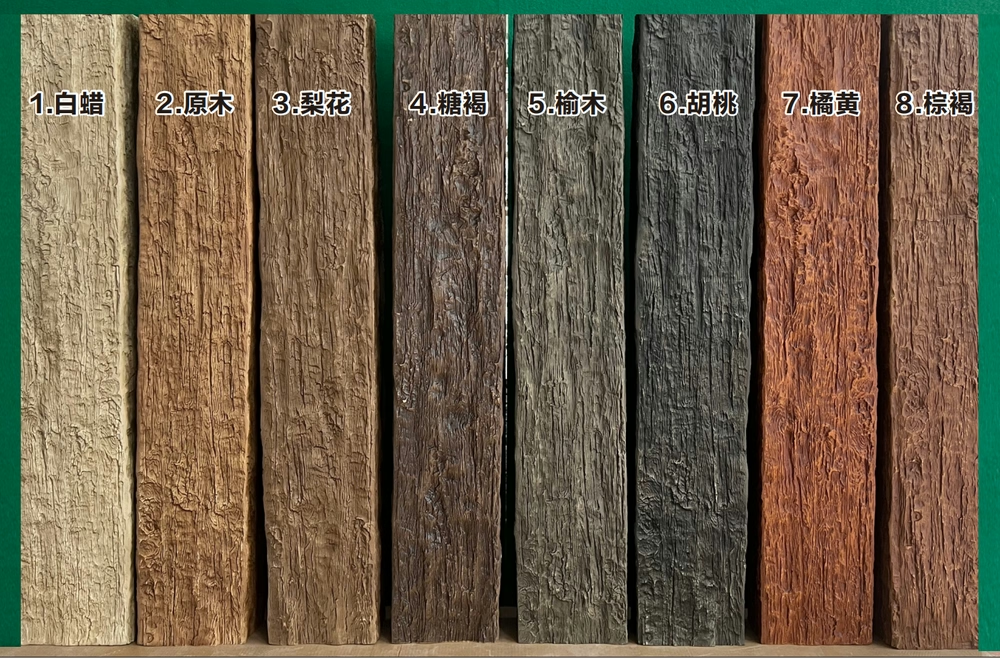
Grain Pattern Varieties and Applications
Oak Replica Finishes
Oak grain patterns suit traditional, transitional, and rustic interior styles. The pronounced grain contrast between growth rings creates strong shadow patterns under directional lighting. White oak varieties present cooler tones suitable for contemporary applications, while red oak warmth complements traditional farmhouse and craftsman aesthetics.
Knotty oak reproductions incorporate characteristic dark knots surrounded by distorted grain. These patterns suit casual interiors where slight imperfection reads as character rather than flaw. Commercial applications—hospitality suites, professional offices—often prefer cleaner grades without visible knots.
Maple and Cherry Finishes
Maple grain presents minimal figure, making it suitable for contemporary interiors where subtlety serves design intentions. Pale maple tones brighten spaces without the warmth of honey-finished species. Smooth texture and uniform appearance simplify coordination with contemporary material palettes.
Cherry grain combines moderate figure with distinctive color that deepens from pale pink through rich red-brown. These beams complement traditional interiors with period-appropriate warmth. The natural darkening that cherry undergoes—accelerated by light exposure—adds apparent age that enhances authenticity over time.
Pine and Reclaimed Wood Finishes
Pine grain displays dramatic color variation between earlywood and latewood, with prominent knots common in lesser grades. This species suits rustic applications where rough character serves design purposes. Premium pine beam reproductions eliminate knots for cleaner appearances appropriate to casual traditional interiors.
Reclaimed wood reproductions capture the distinctive character of old-growth timber: dense grain patterns from slow growth, weathered surfaces with patina accumulation, and fastener holes documenting previous service. These finishes suit industrial and vintage design directions where history adds appeal.
Lighting Interaction with Textured Grain
Directional Light Effects
Surface texture determines how artificial and natural light reflects across beam faces. Deep grain patterns create dramatic shadow bands when light strikes perpendicular to grain direction. Parallel lighting produces softer effects as surface variations align with light direction.
Residential applications often benefit from lighting that emphasizes texture during daytime hours. South-facing rooms with consistent sun exposure display grain patterns vividly. North-facing spaces may require supplemental lighting design to achieve similar effects.
Accent Lighting Integration
Specifying beams with lighting integration requires understanding how fixture placement affects grain visibility. Recessed fixtures above beam surfaces reduce shadow depth compared to fixtures positioned to graze surfaces. Adjustable accent fixtures allow lighting angles optimized for specific grain patterns and viewing positions.
LED strip integration within beam hollows creates backlit effects that silhouette texture edges. This approach proves particularly effective with deeply embossed surfaces where edge definition enhances apparent relief. Color temperature selection—warm versus cool white—affects apparent wood tone, with warmer temperatures enhancing amber and brown hues.

Installation Techniques for Grain Continuity
Coordinating Grain Direction
Multi-beam installations benefit from consistent grain orientation across visible surfaces. Beams running parallel benefit from synchronized grain direction that creates unified appearance. Crossing beams at right angles require decisions about which grain orientation takes visual priority.
End grain visibility affects orientation decisions. Beam ends display growth ring patterns perpendicular to longitudinal grain. Coordinating end grain appearance with intersecting trim, adjacent beams, or wall surfaces creates integrated compositions rather than isolated elements.
Transition and Joint Treatment
Beam-to-beam joints at corners or intersections require careful grain matching. Mitered joints align grain patterns across miter lines, creating continuous appearance. Butt joints with contrasting grain directions create more obvious seams. Scarf joints—angled connections between beam ends—allow grain continuation across longer spans.
Quality manufacturers produce purpose-made corner pieces, T-junctions, and transition components with matched grain patterns. These factory components eliminate on-site fitting challenges and ensure consistent appearance across complex installations.
Maintenance and Long-Term Appearance
Textured grain surfaces accumulate dust in relief areas requiring occasional cleaning. Soft brush attachments on vacuum cleaners remove dry debris without damaging finish surfaces. Damp wiping with mild detergent solutions addresses accumulated residues without affecting stain or sealer coatings.
Finish maintenance for textured surfaces differs from smooth materials. Recoating requires techniques that preserve texture rather than filling relief with coating material. Spray application typically achieves better results than brush or roller methods that can smooth vulnerable surface areas.
Selecting Appropriate Grain Patterns
Project requirements guide grain pattern selection more than personal preference alone. Commercial projects with extended service expectations benefit from classic patterns that maintain appeal through changing design trends. Residential projects with shorter renovation cycles can experiment more freely with trendy or distinctive grain reproductions.
Budget influences pattern availability. Common patterns—oak, maple—offer competitive pricing through standardized production. Specialty species and elaborate grain patterns command premium pricing through reduced production volumes and more complex manufacturing requirements.
The surface texture of wood grain distinguishes authentic timber appearance from convincing imitation. Modern manufacturing techniques capture these characteristics with remarkable fidelity, enabling architectural applications that achieve genuine warmth without timber's practical limitations. Understanding grain texture fundamentals helps project teams specify appropriate products and evaluate manufacturing quality.
Technical References
ASTM standards cited in every specification
Test Data
Lab results from internal testing program
Updated 2026
Reviewed against current product specs


