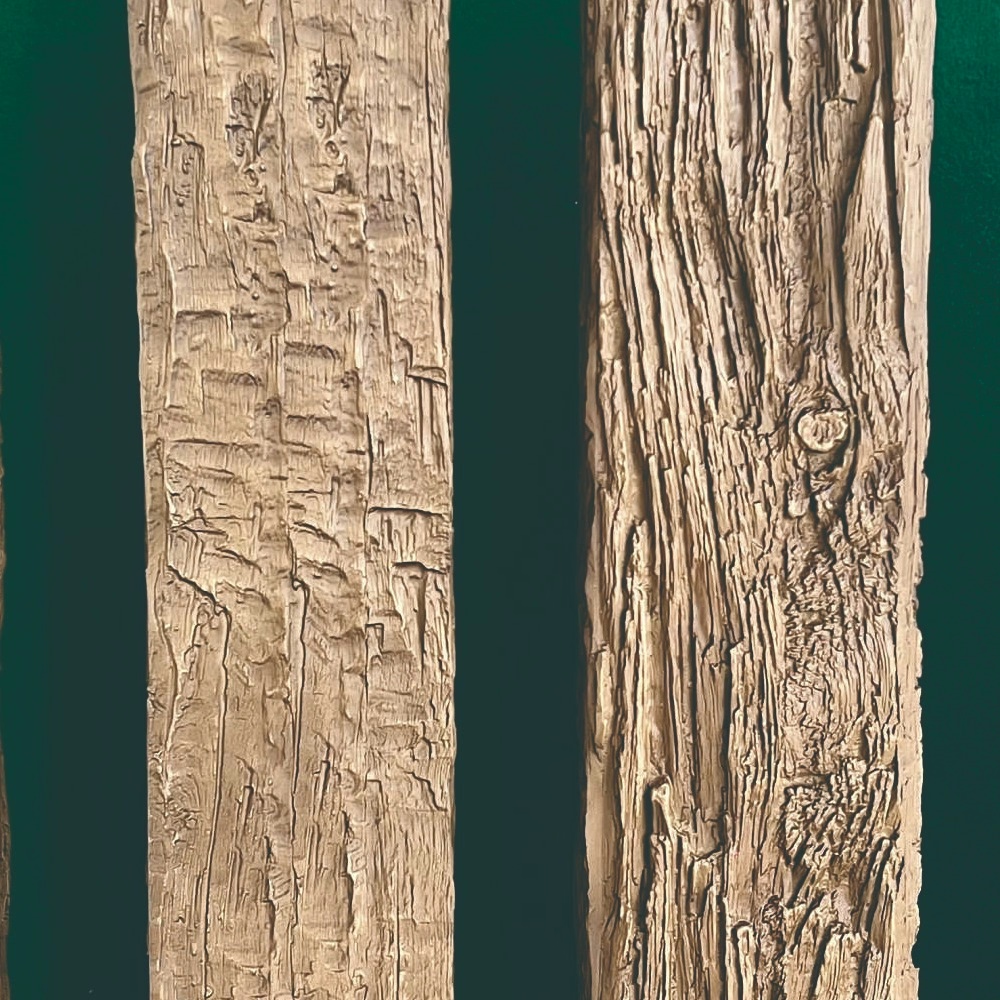
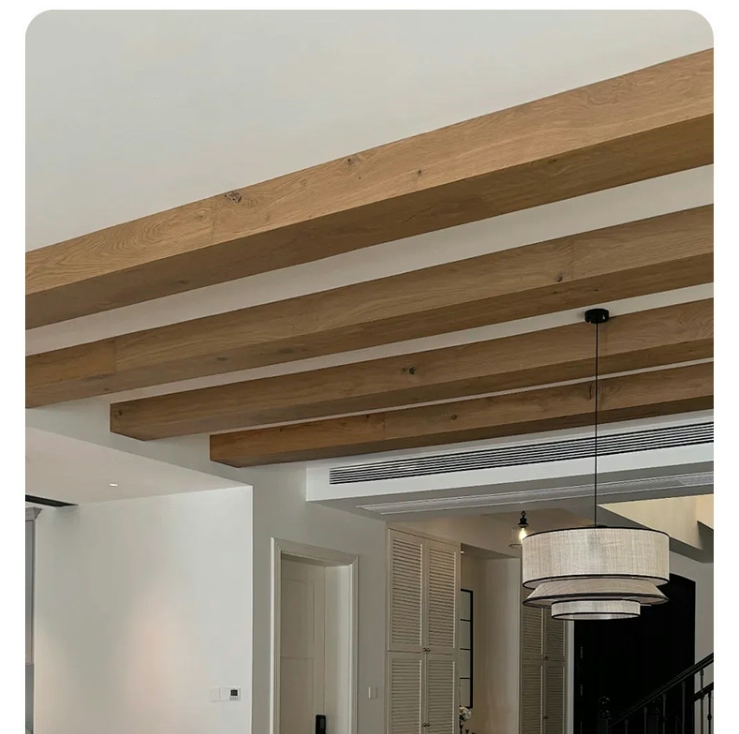
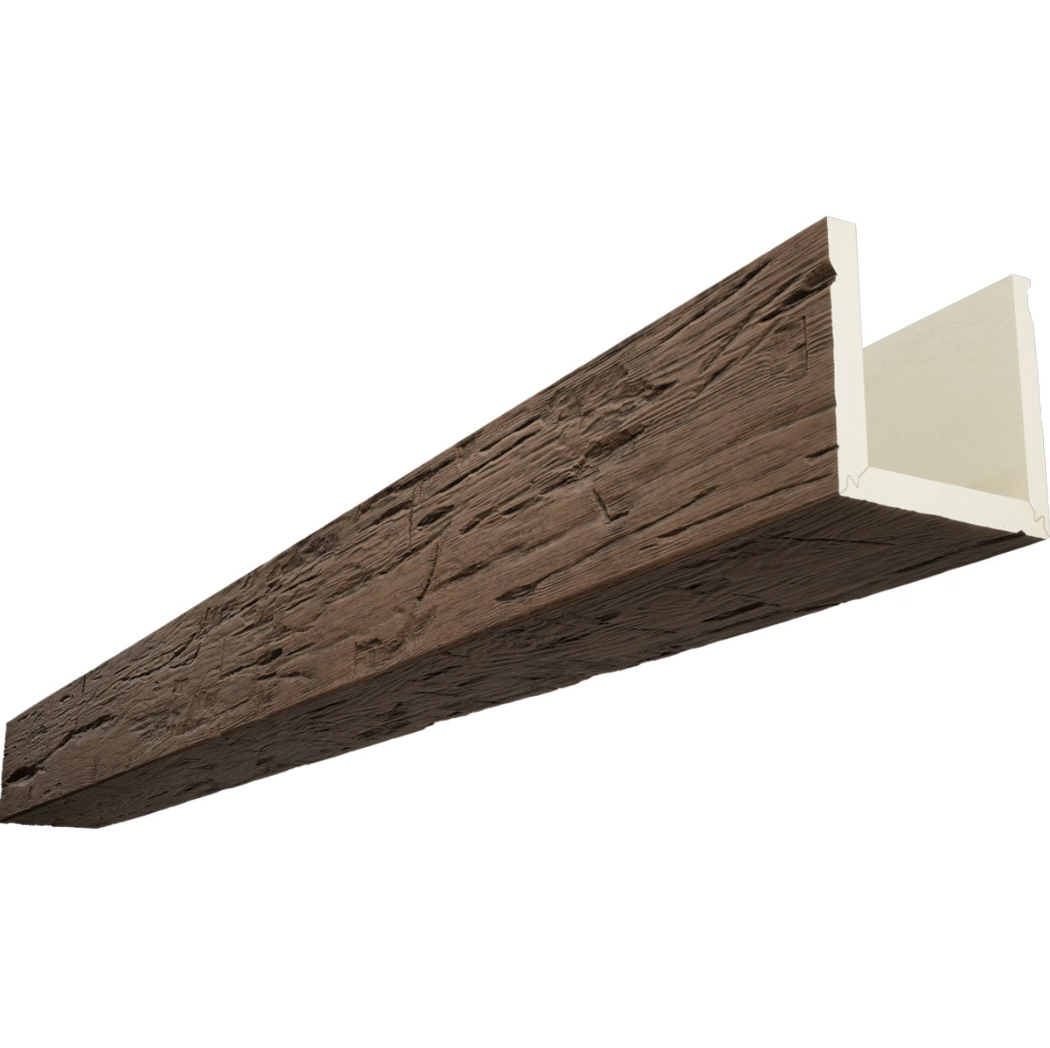
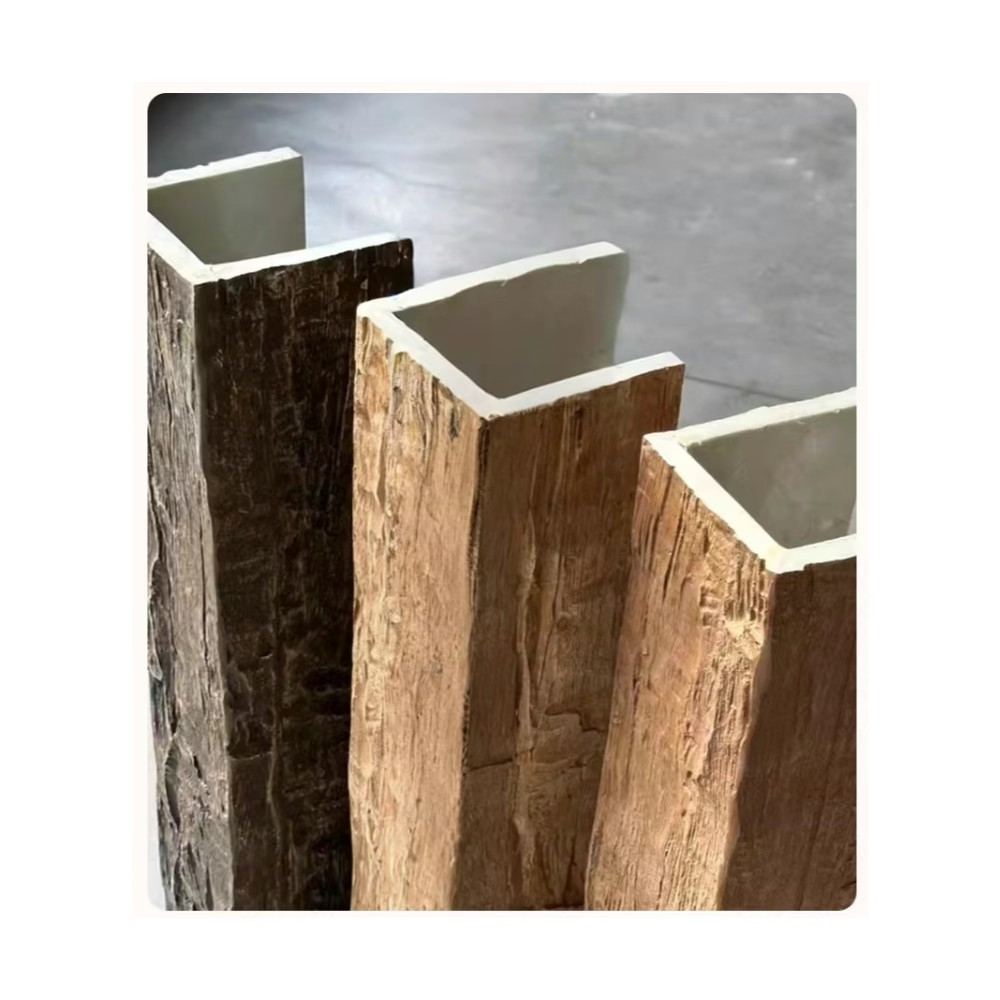
The most memorable theme park experiences dissolve the boundaries between ordinary reality and imagined worlds. Every surface participates in this dissolution—walls, floors, ceilings, and everything between—creating sensory environments that visitors accept as natural despite their artificial origins. Achieving this seamless immersion demands construction techniques that prioritize visual authenticity over conventional building approaches. Polyurethane faux beams serve these objectives exceptionally, providing the architectural mass and surface character that themed environments require.
The Unique Demands of Themed Entertainment
Extreme Visual Standards
Theme park guests engage with environments at distances ranging from arm's length to distant observation. Details that perform adequately at distance may disappoint close inspection. Conversely, elements designed for intimate viewing may waste budget when viewed only from queue lines. Beam specifications must balance these varying scales of engagement.
Guests approaching themed environments unconsciously evaluate authenticity, comparing seen surfaces against remembered real-world experiences. Wood grain that appears unconvincing under casual observation undermines the reality illusion that themed entertainment depends upon. Polyurethane beam manufacturers serving this market develop mold techniques and finishing processes that satisfy demanding visual standards.
Durability Under Heavy Use
Theme parks host millions of annual visitors who touch, lean against, and occasionally impact architectural surfaces. The finishes that create authentic appearance must also withstand this contact without visible wear. Beams positioned near queue lines, ride exits, and viewing areas face particular abuse from continuous guest proximity.
Maintenance cycles operate continuously in operating parks, with cleaning crews working during limited closure hours to prepare environments for next-day reopening. Beam finishes must tolerate frequent cleaning with industrial-strength agents while maintaining appearance through thousands of operational cycles.
Design Applications Across Attraction Types
Queue Line Environments
Queue lines create extended exposure to themed environments as visitors progress toward attractions. Designers use ceiling beams to establish immersive contexts during this captive audience period, transforming waiting into part of the entertainment experience.
Western-themed queues feature rough-hewn timber beams suggesting frontier-era construction. Underwater environments employ weathered driftwood beams that complement aquatic theming. Futuristic attractions may specify high-tech interpretations of traditional beam forms, maintaining architectural vocabulary while shifting aesthetic registers.
Restaurant and Retail Interiors
Theme park dining and shopping spaces often incorporate stronger thematic expressions than attractions themselves. Extended guest occupancy and relaxed postures encourage closer environmental observation than ride experiences permit. Beams in these spaces contribute to atmospheric storytelling that enhances brand differentiation.
Quick-service restaurants may employ more durable, easier-clean beam finishes given food service exposure. Table-service restaurants permit more elaborate finishes since extended service intervals enable careful maintenance. Retail environments benefit from beams that coordinate with merchandise theming, reinforcing brand associations.
Educational and Cultural Attractions
Museum-quality themed attractions—aquariums, natural history exhibits, cultural centers—often specify higher finish quality than pure entertainment venues. These spaces expect repeat visitation from members and schools who scrutinize environments repeatedly. Beam authenticity must satisfy both casual observation and expert evaluation.
Conservation messaging in environmental attractions may incorporate reclaimed wood appearances that reinforce sustainability themes. Historical interpretation spaces employ period-appropriate beam finishes that satisfy scholarly review while engaging general audiences.
Fabrication Requirements for Theme Park Applications
Custom Pattern Development
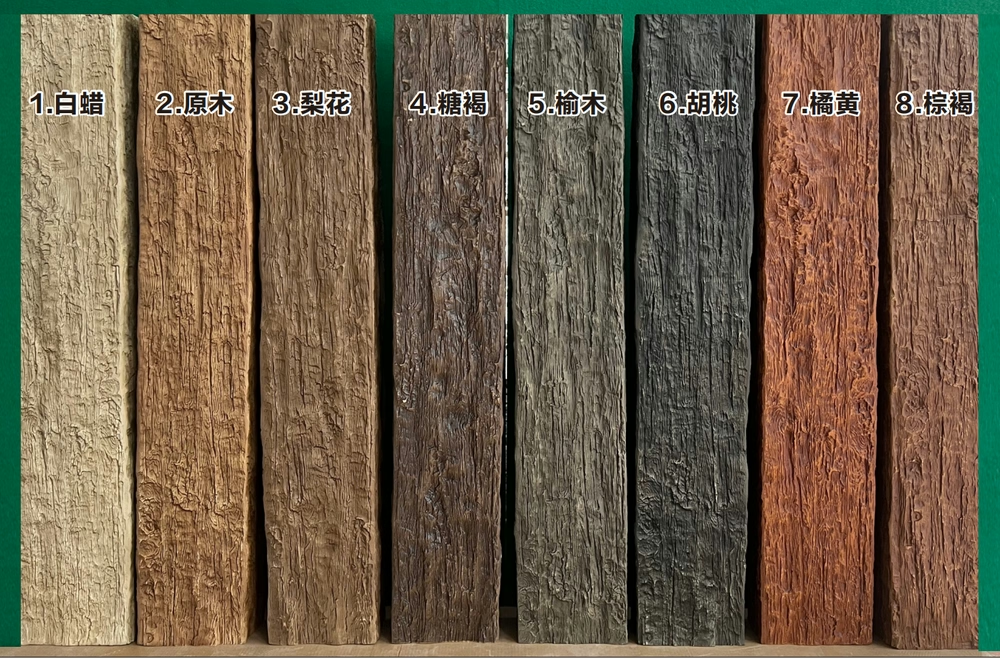
Themed entertainment projects rarely accept standard product appearances. Custom pattern development translates concept art and reference materials into production tooling that generates unique beam appearances. This process involves artist interpretation, technical translation, and iterative refinement until final patterns satisfy design intent.
Lead time for custom pattern development may extend six months or more for complex theming requirements. Budget allocation should anticipate these development costs as separate from production expenses. Some manufacturers maintain libraries of themed patterns developed for previous projects, offering accelerated timelines for compatible requirements.
Scale and Proportion Flexibility
Theme park architecture frequently employs exaggerated scales that emphasize thematic content. Ceilings may appear higher than functional requirements demand, with correspondingly larger beam specifications. Beams may display enlarged weathering effects, exaggerated grain patterns, or dramatically deepened textures that read compellingly from below.
Manufacturers capable of producing beams at various scales offer design teams flexibility in proportion specification. Standard production tools typically accommodate scales from approximately half to twice normal dimensions. Extreme scaling requires custom tooling development.
Integration with Other Systems
Themed beam installations coordinate with lighting, audio, special effects, and mechanical systems that operate throughout attractions. Beam hollows may contain speaker drivers, effect mechanisms, or structural elements for articulated figures. Coordination drawings document these integrations for installation crews.
Fire suppression systems—sprinklers, suppression nozzles—require integration with beam layouts without compromising thematic appearance. Concealed sprinkler heads, painted to match adjacent surfaces, maintain visual continuity while satisfying code requirements.
Surface Treatment for Extreme Environments
Scratch and Impact Resistance
Theme park finishes must tolerate guest contact, cleaning equipment, and occasional impact without visible damage. Factory-applied coatings should meet or exceed commercial durability standards for architectural millwork. On-site touch-up capabilities enable maintenance crews to address damage without complete refinishing.
Urethane topcoats provide excellent impact resistance while accepting colorants that produce convincing wood tones. These coatings cure to flexible films that resist cracking under thermal cycling and physical stress.
Cleanability and Chemical Resistance
Theme park cleaning protocols employ industrial-strength detergents, sanitizers, and occasional solvent-based cleaners. Finish systems should tolerate this chemical exposure without softening, discoloration, or surface degradation. Compatibility testing with specific cleaning agents used by park operations confirms appropriate finish selection.
Stain resistance proves particularly valuable in food service areas where beverage spills and food contact create cleaning challenges. Modern coating technologies provide excellent stain release while maintaining authentic appearance.
Installation Approaches for Themed Environments
Concealed Mounting Systems
Theme park aesthetic standards reject visible mounting hardware that might undermine immersion. Installation systems employ concealed clips, adhesive bonding, and structural attachment methods that remain invisible from normal viewing angles. These approaches require accurate fabrication and careful installation positioning.
Accessibility for maintenance influences mounting system selection. Beams requiring periodic inspection or component replacement benefit from mounting systems that permit removal without destruction. Fastener-based systems that allow non-destructive disassembly support maintenance flexibility.
Seismic and Safety Requirements
Amusement parks occupy locations with varying seismic requirements, from inactive zones to highly active regions. Beam installations must satisfy applicable seismic codes that may require additional structural attachment beyond standard approaches. Engineering documentation supports code compliance verification.
Guest safety in seismic events requires particular attention. Suspended beam elements that might fall during earthquakes create injury hazards in crowded spaces. Restraint systems that limit swing radius or prevent total dislodgment provide safety margins beyond minimum code requirements.
Case Study: Fantasyland Dining Enhancement
A major theme park undertook renovation of a beloved dining location, updating aged architectural finishes while maintaining the classic character that guests associated with the space. The renovation specification called for authentic hand-hewn timber beams that replicated original construction while incorporating modern durability.
Custom pattern development recreated the distinctive weathering patterns that forty years of operation had created in original beams. New beams incorporated these patterns plus additional aging effects that suggested extended service life. Integrated lighting within beam hollows provided ambient illumination that highlighted texture under various operating conditions.
The completed renovation achieved design objectives while satisfying contemporary durability requirements. Post-opening feedback confirmed guest appreciation for authentic character maintained through technological advancement.
Vendor Selection for Theme Park Projects
Portfolio and Experience Requirements
Theme park projects benefit from manufacturers with demonstrated experience in themed entertainment applications. Portfolio review confirms capability to satisfy demanding visual standards and delivery schedules that entertainment projects require. References from themed entertainment designers provide insight into actual vendor performance.
Factory visit opportunities allow evaluation of manufacturing capabilities, quality control procedures, and finishing facilities. These visits often reveal capabilities or limitations not apparent in promotional materials.
Customization and Technical Support
Theme park projects inherently involve customization that standard products cannot satisfy. Vendor selection should confirm customization capabilities, custom development processes, and willingness to engage technical challenges that novel designs present.
Technical support during installation—field measurements, installation guidance, on-site adjustment authorization—proves valuable for complex installations. Manufacturers with dedicated field support personnel provide smoother installation processes than those offering only factory-based assistance.
The specialized requirements of themed entertainment push faux beam technology toward capabilities that standard architectural applications never demand. Manufacturers serving this market develop expertise that benefits any project seeking exceptional authenticity and durability.
Technical References
ASTM standards cited in every specification
Test Data
Lab results from internal testing program
Updated 2026
Reviewed against current product specs