Thermal Bridging Analysis: Impact on Building Envelope Performance
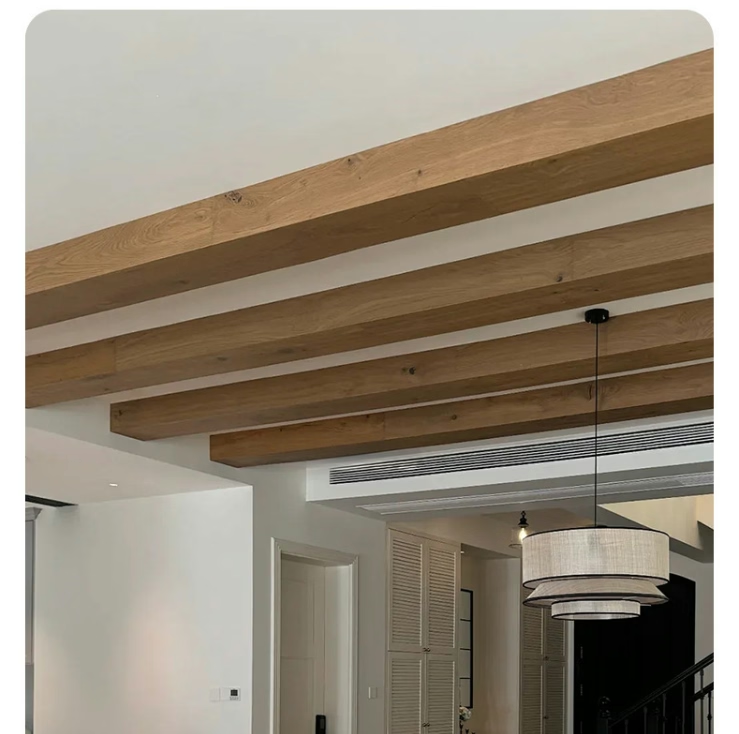
Faux beams penetrating building envelopes or attached to exterior walls can create thermal bridges affecting energy performance. Understanding thermal bridging mechanisms and mitigation strategies maintains building envelope integrity while achieving desired aesthetics.
Thermal Bridge Formation Mechanisms
Mounting hardware and adhesives create conductive pathways through insulation layers allowing heat transfer. Even lightweight polyurethane beams compromise thermal performance when attachments penetrate continuous insulation.
R-Value Degradation Quantification
Each penetration through insulation reduces effective R-value locally. Multiple beam attachments across large areas can degrade overall wall assembly thermal performance by 5-15% depending on attachment density.
Continuous Insulation Preservation Strategies
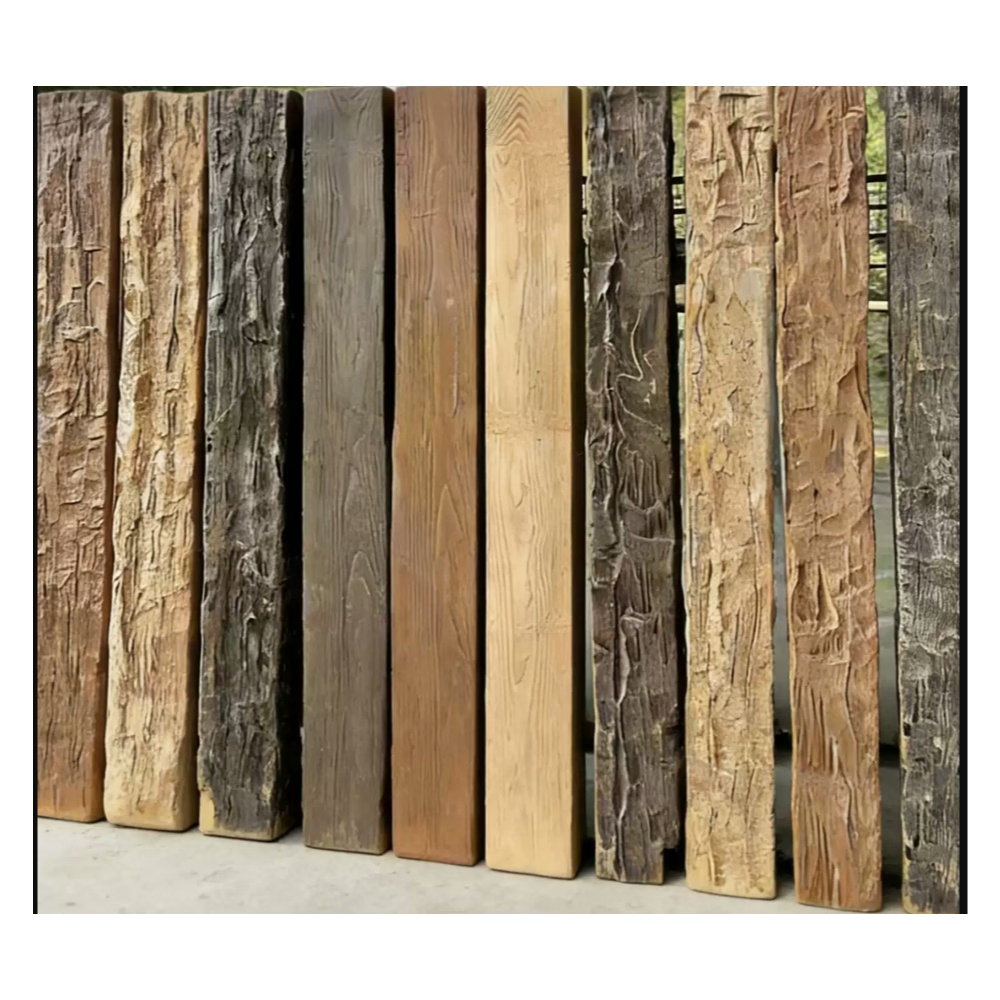
Mount beams to interior finish surfaces rather than structural elements behind insulation layers. This approach maintains continuous insulation integrity while providing adequate beam support.
Thermal Imaging Verification
Infrared thermography reveals thermal bridging patterns and quantifies temperature anomalies. Post-installation thermal imaging verifies that beam mounting doesn't create excessive thermal performance degradation.
Thermally Broken Mounting Systems
Specialized mounting brackets with thermal breaks minimize heat transfer through attachment points. These engineered systems cost more than standard hardware but preserve envelope performance.
Energy Modeling Impact Assessment
Include beam thermal bridging effects in whole-building energy models for accurate performance prediction. Neglecting these impacts overestimates building energy efficiency especially in high-performance construction.
Code Compliance Implications
Energy codes increasingly scrutinize thermal bridging requiring continuous insulation details. Demonstrate code compliance through thermal analysis when beam penetrations affect envelope assemblies.
Cost-Benefit Analysis Methodology
Quantify thermal bridging energy cost impact over building lifetime compared to mitigation measure costs. Long-term energy savings may justify investment in thermal break mounting systems.
Conclusion
Thermal bridging from faux beam mounting affects building envelope performance requiring careful attachment design and continuous insulation preservation. Thermal analysis, strategic mounting approaches, and thermally broken hardware maintain energy efficiency in high-performance buildings.
Technical References
ASTM standards cited in every specification
Test Data
Lab results from internal testing program
Updated 2026
Reviewed against current product specs