
The most convincing faux materials do more than suggest appearance—they replicate the dimensional complexity that genuine materials display. Wood grain on authentic timber exists in three dimensions, with surface contours that create constantly shifting highlights and shadows as viewers move through spaces. Three-dimensional textured polyurethane faux wood beams capture this dimensional authenticity, producing ceiling elements that reward movement through constantly changing visual experience.
Understanding Three-Dimensional Surface Relief
Beyond Surface Texturing
Conventional surface texturing applies pattern to a single plane, creating relief that appears consistent regardless of viewing angle. This approach works adequately for materials viewed from limited positions but fails when viewers expect genuine three-dimensional behavior.
True 3D texturing creates relief that varies with viewing angle, simulating the way genuine wood surfaces reveal different characteristics as observers move. Light strikes ridges and valleys differently depending on relative positions, creating dynamic shadow patterns that static texturing cannot replicate.
Manufacturing Dimensional Complexity
Achieving genuine 3D relief requires sophisticated mold design that captures depth variations throughout surface geometry. Standard embossing creates uniform depression depths; advanced molding incorporates graduated relief that intensifies in some zones while softening in others.
Multi-axis CNC machining creates master patterns with genuine dimensional variation. These precision-machined originals generate molds that preserve dimensional complexity through the casting process. The investment in sophisticated tooling distinguishes premium 3D products from conventional alternatives.
Visual Effects Through Dimensional Design
Dynamic Shadow Behavior
Genuine timber creates shadow patterns that shift throughout daylight hours as sun position changes. Morning light from eastern windows creates different shadow configurations than afternoon western illumination. This daily cycle adds life to timber environments that static surfaces cannot match.
3D textured beams replicate this dynamic behavior, with embossed contours creating shadow patterns that shift predictably with lighting changes. Architectural lighting design can emphasize or minimize this effect depending on intended atmosphere.
Depth Perception Enhancement
Three-dimensional relief enhances perceived depth in ceiling compositions. Single-plane surfaces create flat appearance regardless of design sophistication. 3D texturing adds visual layers that extend apparent ceiling depth, creating the spatial complexity that grand environments demand.
This depth enhancement proves particularly valuable in spaces where ceiling height is limited. 3D texturing creates visual expansion that partially compensates for inadequate physical dimensions.
Surface Character Variation
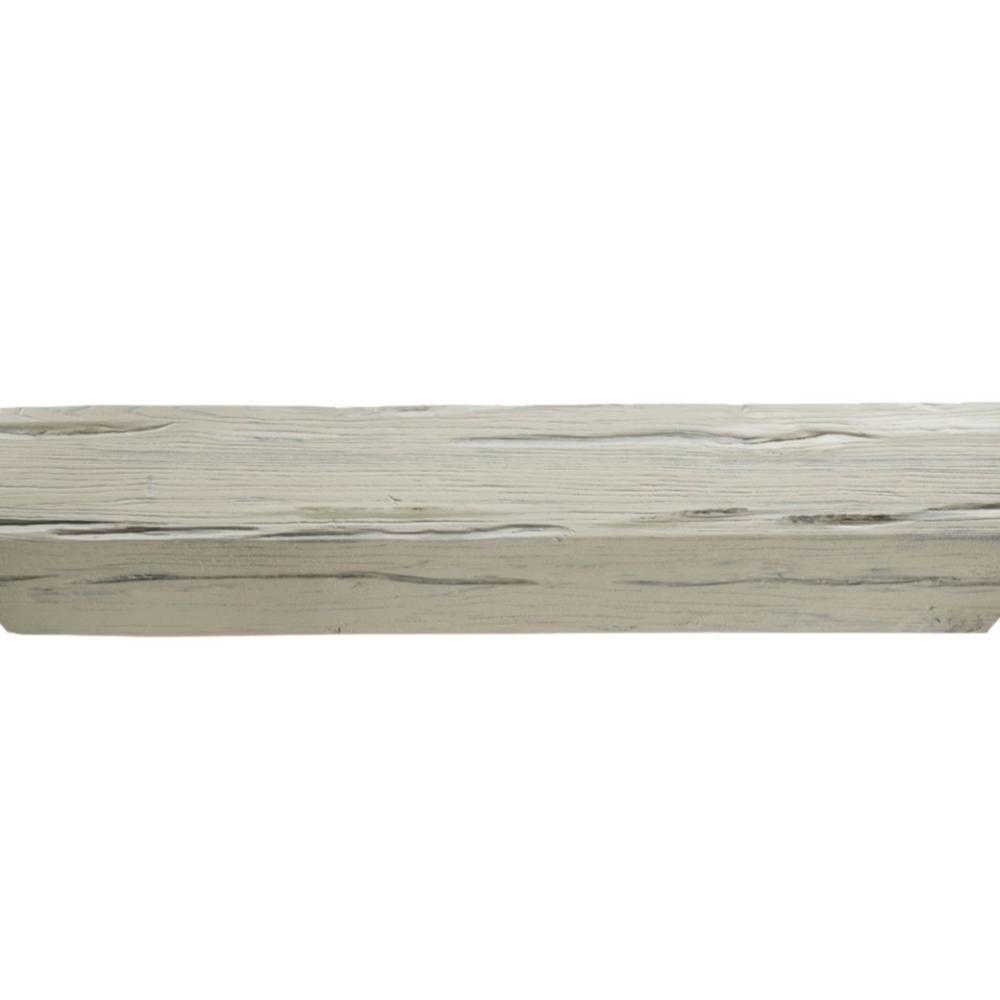
Genuine wood surfaces display character variations that uniform texturing cannot replicate—tight grain zones near board edges, wild grain around knots, smooth surfaces between prominent features. 3D molding captures these variations, creating surface character that appears naturally distributed rather than mechanically repeated.
This variation prevents the repetitive appearance that standard texturing produces. Viewers perceive organic complexity rather than manufactured uniformity.
Design Applications for Dimensional Impact
Traditional and Craftsman Interiors
Period-appropriate aesthetics in traditional and craftsman-style homes benefit from 3D texturing that reproduces hand-crafted character. Authentic timber in these applications displayed tool marks, irregular surfaces, and organic variation that modern milling eliminates. 3D reproduction of these characteristics bridges gap between new construction and period environments.
Craftsman bungalows, Arts and Crafts interiors, and traditional farmhouse aesthetics all suit 3D texturing that reproduces historic timber character. These applications typically specify darker finishes that emphasize shadow depth.
Rustic and Lodge Environments
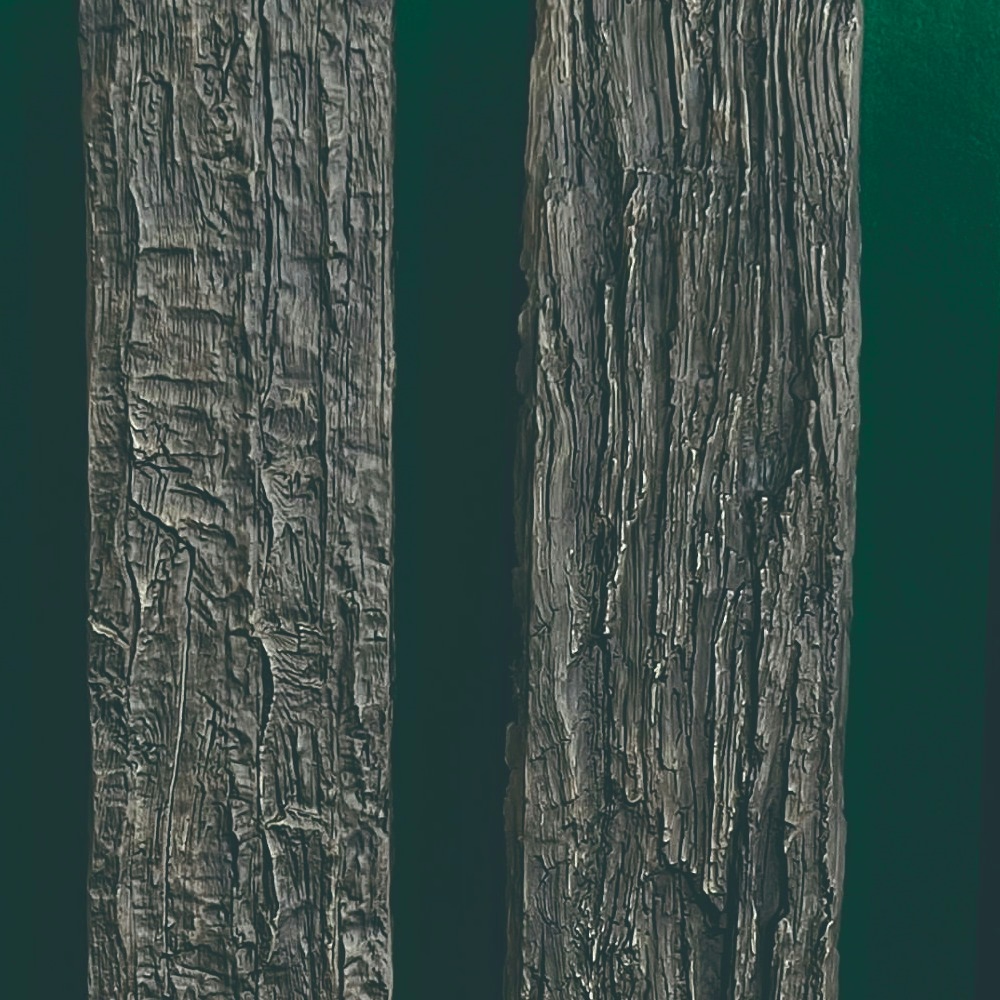
Mountain lodges, hunting camps, and rustic resort interiors often feature heavily weathered timber with dramatic surface character. 3D texturing reproduces these effects convincingly, creating rustic authenticity that standard products cannot achieve. Deep embossing, aggressive weathering, and pronounced relief combine in surfaces that suggest decades of service.
Rustic applications typically specify the most aggressive 3D texturing available, with deep contours that create shadow depth under both natural and artificial lighting.
Contemporary Minimalist Design
Contemporary interiors employ 3D texturing more subtly, using dimensional relief to add visual interest without apparent rustic character. Gentle contours, refined grain patterns, and restrained relief contribute sophistication that perfectly smooth surfaces lack.
Contemporary applications may combine 3D texturing with clean lines and modern finishes, creating minimalist complexity that appeals to design-conscious clients.
Technical Considerations for 3D Texturing
Lighting Coordination
3D texturing interacts with lighting in ways that affect both appearance and specification decisions. Grazing light—light that strikes surfaces at low angles—emphasizes relief dramatically, creating deep shadows in embossed areas. Diffused light softens these effects, creating gentler appearance.
Design teams should consider intended lighting when specifying 3D texturing intensity. Applications receiving primarily diffused light may not benefit from aggressive relief; those with directional lighting reward aggressive 3D treatment.
Cleaning and Maintenance
Deep embossing creates cleaning challenges that smooth surfaces avoid. Dust accumulates in recessed areas; debris collects in shadow zones. Maintenance protocols for heavily textured surfaces should account for cleaning requirements that standard products might not need.
Compressed air cleaning, soft brush vacuum attachments, and periodic washing address accumulated contamination in textured surfaces. Finish selection should consider cleaning chemical tolerance.
Installation Precision Requirements
3D texturing reveals installation imperfections that smooth surfaces might conceal. Misaligned joints, uneven spacing, and mounting errors become obvious when textured surfaces create shadows that emphasize discontinuities. Installation precision becomes more critical with aggressive 3D treatment.
Professional installation recommended for heavily 3D-textured products. Experience with dimensional products and alignment verification techniques ensure satisfactory results.
Finishing Strategies for Dimensional Surfaces
Stain Penetration Considerations
3D surfaces present varying absorption rates across embossed contours. Edges and raised areas receive stain differently than recessed zones, creating tonal variation that may or may not match design intentions. Testing on sample pieces before production application prevents surprises.
Spray staining typically achieves more uniform coverage than brush or wipe application on heavily textured surfaces. Multiple light coats build color gradually; single heavy applications may pool in recessed areas creating blotchy appearance.
Paint Application Techniques
Painted 3D surfaces require technique that preserves relief while achieving coverage. Spray application maintains dimensional clarity better than brush methods that can fill fine detail with accumulated coating.
Backlighting effects with paint application can emphasize or minimize dimensional character. Light-colored paints on 3D surfaces create softer shadow effects than dark stains, reducing apparent depth while maintaining textural presence.
Cost and Value Considerations
Premium Pricing Justification
3D texturing commands premium pricing compared to conventional alternatives. Sophisticated tooling, extended production time, and quality control requirements all contribute to higher manufacturing costs. This premium should be weighed against performance benefits.
For projects where ceiling appearance significantly influences overall design success, 3D texturing provides capabilities that standard products cannot match. The investment creates architectural character that justifies additional cost for discerning clients.
Lifecycle Value Analysis
3D texturing advantages extend beyond initial appearance. The dynamic visual interest that dimensional surfaces provide maintains relevance throughout occupancy, continuing to engage occupants as spaces are experienced repeatedly. Flat surfaces may become invisible through familiarity; 3D surfaces continue providing visual reward.
Durability of 3D surfaces matches or exceeds conventional alternatives, with no additional maintenance burden beyond cleaning protocols that textured surfaces inherently require.
Specification Recommendations
Sample Evaluation Essential
3D texturing effects must be evaluated on physical samples rather than photographs or descriptions. Camera optics and display limitations may misrepresent dimensional effects that inspection of actual samples reveals accurately.
Request samples sized sufficiently to display texture variation adequately. Small samples may not convey surface character that larger specimens reveal clearly.
Coordination with Other Design Elements
3D texturing intensity should relate to other dimensional elements throughout designed spaces. Heavy 3D textures harmonize with other strongly textured materials; subtle 3D treatment coordinates with refined finishes elsewhere. Design coherence requires texture scale consistency.
Three-dimensional textured polyurethane faux wood beams achieve a level of authenticity that conventional alternatives cannot approach. For projects demanding genuine timber character rather than merely convincing imitation, 3D texturing provides the dimensional complexity that authentic appearance requires.
Technical References
ASTM standards cited in every specification
Test Data
Lab results from internal testing program
Updated 2026
Reviewed against current product specs


