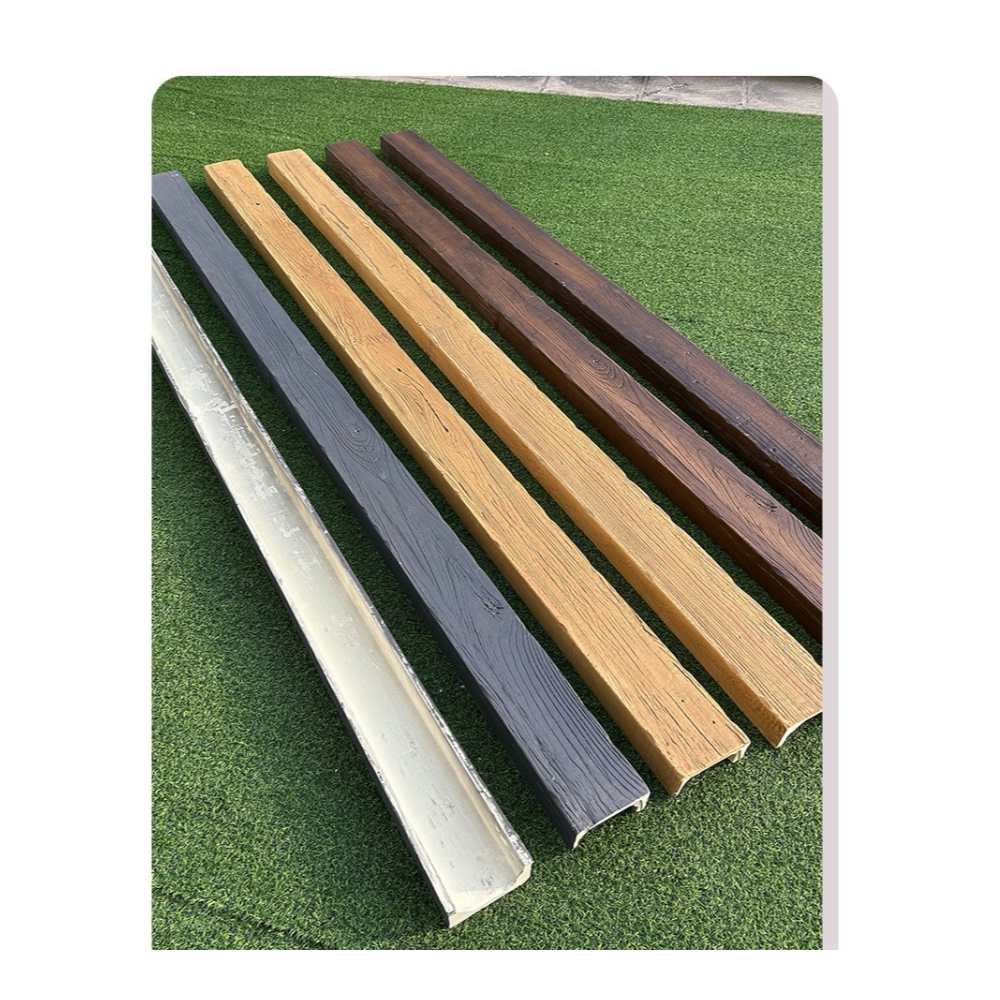
The renovation impulse often meets practical reality when homeowners consider ceiling improvements. Traditional solid wood beams require structural assessment, potentially expensive engineering review, and often multi-person installation teams. Three-sided wrap PU faux wood beams represent a different philosophy: work with existing structure rather than against it, covering rather than replacing, achieving transformation without transformation's usual complications. This approach has made wrap beams increasingly popular across residential and commercial applications alike.
Understanding the wrap concept requires visualizing the installation scenario. Picture an existing ceiling beam that serves structural purposes but lacks aesthetic appeal. A three-sided beam opens toward this existing beam like a sleeve, sliding over it rather than beside it. The existing beam becomes the structural backbone while the wrap beam provides the visible surface. No calculations about load-bearing capacity, no concerns about weight limits—the wrap approach sidesteps these engineering questions entirely by maintaining existing structure while adding only decorative surface area.
The Simplicity Revolution in Beam Installation
Traditional beam installation complexity often deters homeowners from desired ceiling improvements. Solid beams require handling equipment, specialized mounting hardware, and construction knowledge beyond typical DIY capability. Even faux alternatives designed to appear solid still demand significant structural consideration and installation expertise. Three-sided wrap beams eliminate these barriers by fundamentally rethinking the product from the installer's perspective rather than the engineer's.
The mounting methodology reflects this simplified approach. Rather than calculating fastener schedules and engineering attachment points, installers apply construction adhesive to inner beam surfaces and position the wrap over existing structure. Mechanical fasteners through factory-drilled holes provide supplementary support, but the adhesive handles primary loads. This methodology allows single-person installation of beams that would otherwise require equipment and crews, democratizing ceiling improvement for anyone with basic DIY skills.
Time savings compound across entire projects. A room that might require days of work with traditional beams often completes in hours with three-sided wrap products. This efficiency benefits everyone: homeowners regain access to their spaces faster, contractors complete more projects annually, and commercial property managers minimize business disruption during renovations. The economic implications extend beyond material costs to encompass labor, downtime, and opportunity costs that traditional approaches impose.
Construction Details That Enable Easy Installation
Hollow construction serves multiple purposes beyond weight reduction. The open profile creates natural access for adhesive application, fastener placement, and alignment verification. Every inner surface remains visible and reachable from below, eliminating the awkward blind-mounting scenarios that complicate solid beam installation. Installers can verify complete adhesive contact before positioning becomes permanent, ensuring bond quality that hidden installation methods cannot guarantee.
Wall thickness balances rigidity requirements against weight considerations. Premium three-sided wrap beams typically feature walls between one-half and five-eighths inch thick, providing sufficient stiffness to maintain straight alignment over spans exceeding twelve feet without intermediate support. This wall thickness also accepts standard finish nails and screws without predrilling in most conditions, simplifying the mechanical attachment process. The thickness feels substantial when handled while remaining light enough for one-person manipulation.
Connection details at beam intersections deserve attention during installation planning. Where parallel beams cross perpendicular runs, multiple three-sided pieces must interface cleanly. Options include mitered corners, butt joints with cover plates, or interlocking profiles depending on manufacturer design and aesthetic preference. Understanding these connection options before ordering prevents field decisions that might compromise appearance or structural integrity.
Application Scenarios and Design Opportunities
Partial ceiling treatment with wrap beams creates design possibilities that comprehensive treatment forecloses. Consider a great room with varied ceiling heights: the main gathering space features high vaulted ceilings that need no embellishment, while a transition zone between living and dining areas drops to standard height and receives beam treatment. This selective approach adds warmth exactly where architectural transition occurs, reinforcing the shift between spaces without overwhelming either.
Kitchens benefit particularly from three-sided wrap beam applications. The area above kitchen islands or peninsular counters often presents the only feasible location for ceiling treatment, as cabinets, appliances, and ventilation equipment occupy surrounding walls. Beams running perpendicular to exposed ceiling joists above islands create visual anchoring that defines the food preparation zone without enclosing it. The warmth of wood tones softens the hard surfaces typical of kitchen environments.
Bedroom applications offer different opportunities. Beams installed above bed positions create canopy-like definition that organizes sleeping areas within larger rooms. This approach works especially well in master suites with sitting areas or dressing zones, where beams visually separate functional zones while maintaining spatial continuity. The intimacy that beams create above beds provides psychological comfort while the open ceiling beyond preserves the sense of space.

Finishing Options and Aesthetic Customization
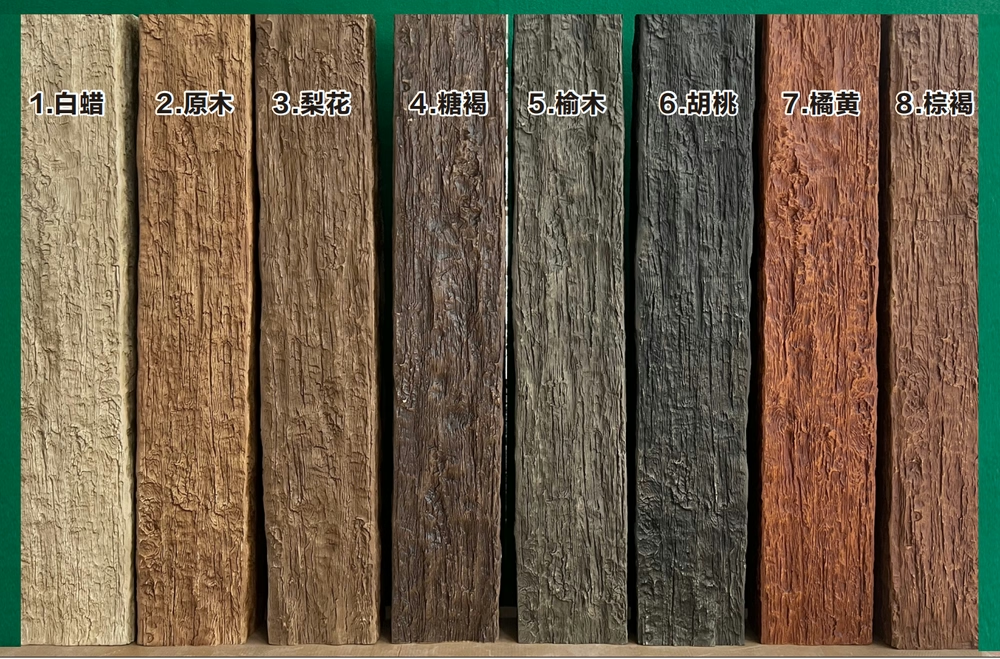
Factory finishes on quality three-sided wrap beams provide excellent appearance immediately upon installation without additional finishing work. Stain options typically range from light natural tones through medium oak and walnut to dark espresso and charcoal, covering the majority of residential design requirements. Paint finishes in standard architectural colors—whites, creams, and grays—suit contemporary and minimalist interiors. Custom finishing remains possible when project requirements exceed standard options.
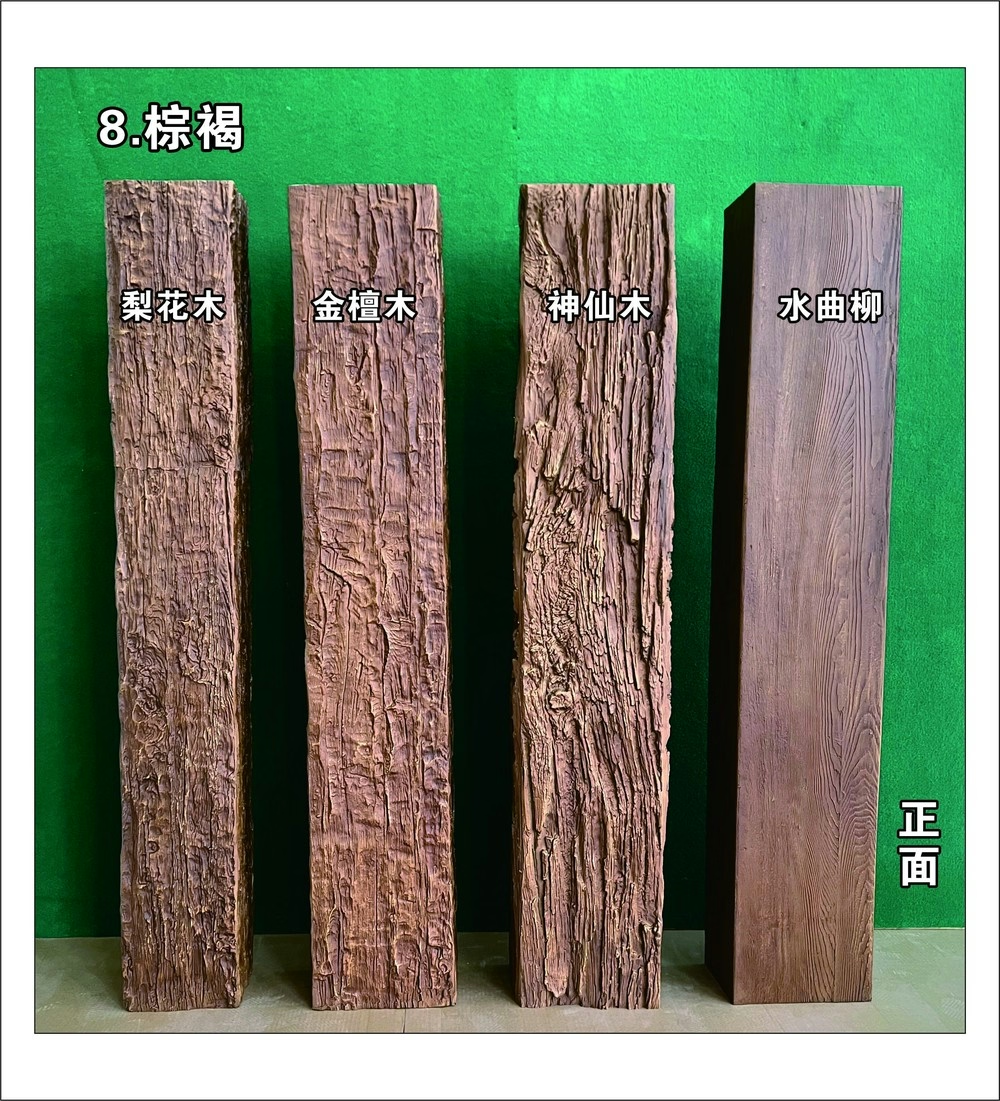
Texture selection profoundly influences how beams interact with surrounding surfaces and lighting conditions. Heavy distressing creates bold statements that dominate spaces; subtle textures provide authenticity without competition. In rooms with abundant architectural detail, understated beam textures prevent visual overload. In simpler spaces, bolder textures can contribute the complexity that prevents单调乏味 from dominating the aesthetic.
Sample acquisition before ordering enables informed decisions about color and texture. Most suppliers offer small samples for modest costs or sometimes free with shipping charges. These samples allow comparison against existing wood elements—flooring, trim, furniture—and verification that selected finishes photograph well under the space's lighting conditions. What appears perfect in a warehouse showroom may appear too warm or too cool under specific room lighting, and samples prevent expensive ordering mistakes.

Maintenance Requirements and Service Life
Polyurethane wrap beams require minimal ongoing maintenance compared to natural wood alternatives. No periodic refinishing, no crack repair, no insect treatment—the material's synthetic nature eliminates the vulnerabilities that complicate natural wood care. An annual dusting or gentle cleaning maintains appearance indefinitely, with the only degradation being occasional scratches from impact that might damage any surface material.
Finish maintenance depends on exposure conditions. Beams in low-traffic, low-UV environments typically maintain factory finish for decades. Beams in bright skylit spaces or frequently cleaned commercial environments may eventually show some finish wear that benefits from periodic attention. Spot repair with matching finish materials handles localized damage; complete refinishing becomes necessary only after significant wear or color change affects large areas.
Service life expectations for quality three-sided wrap beams typically exceed twenty years with reasonable care. Warranty coverage from manufacturers provides additional confidence, with premium products often backed by limited lifetime warranties covering both material and finish. Understanding warranty terms—particularly coverage limits, transferability, and claim procedures—helps property owners make informed decisions about product selection and long-term maintenance planning.
Technical References
ASTM standards cited in every specification
Test Data
Lab results from internal testing program
Updated 2026
Reviewed against current product specs