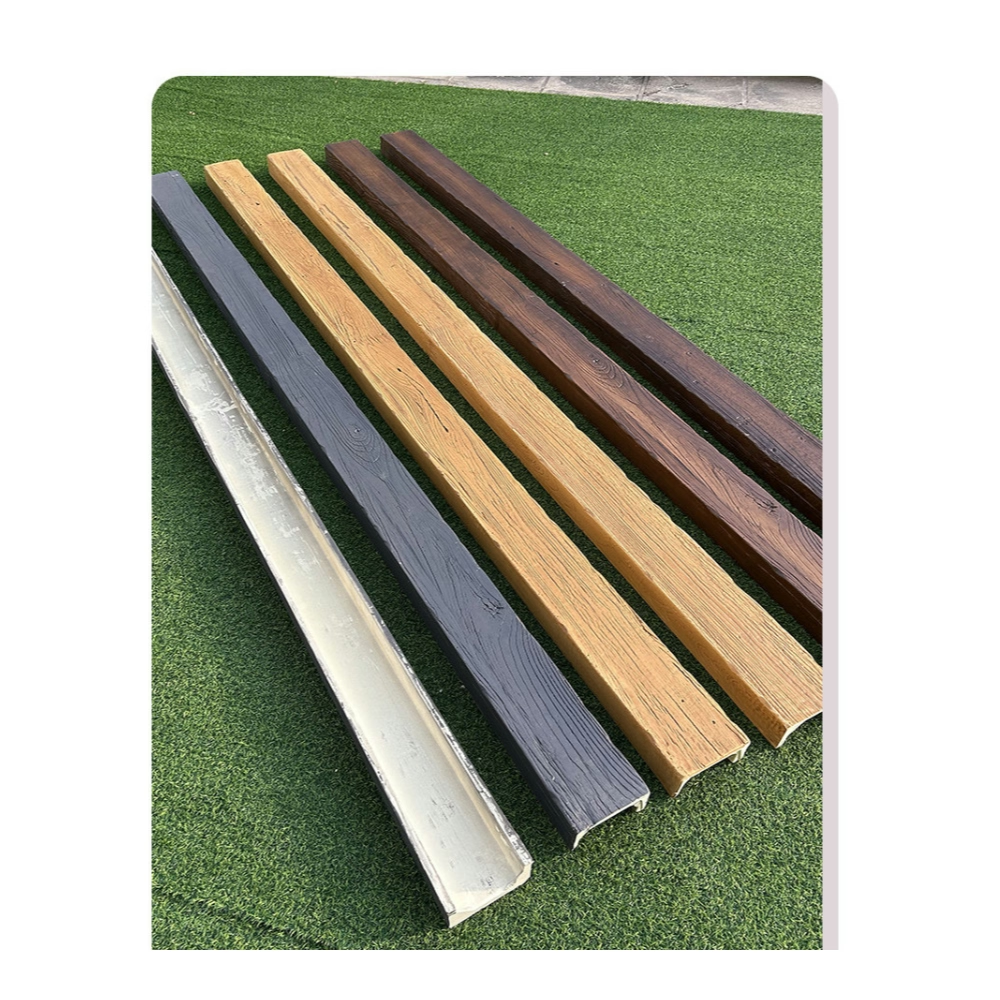
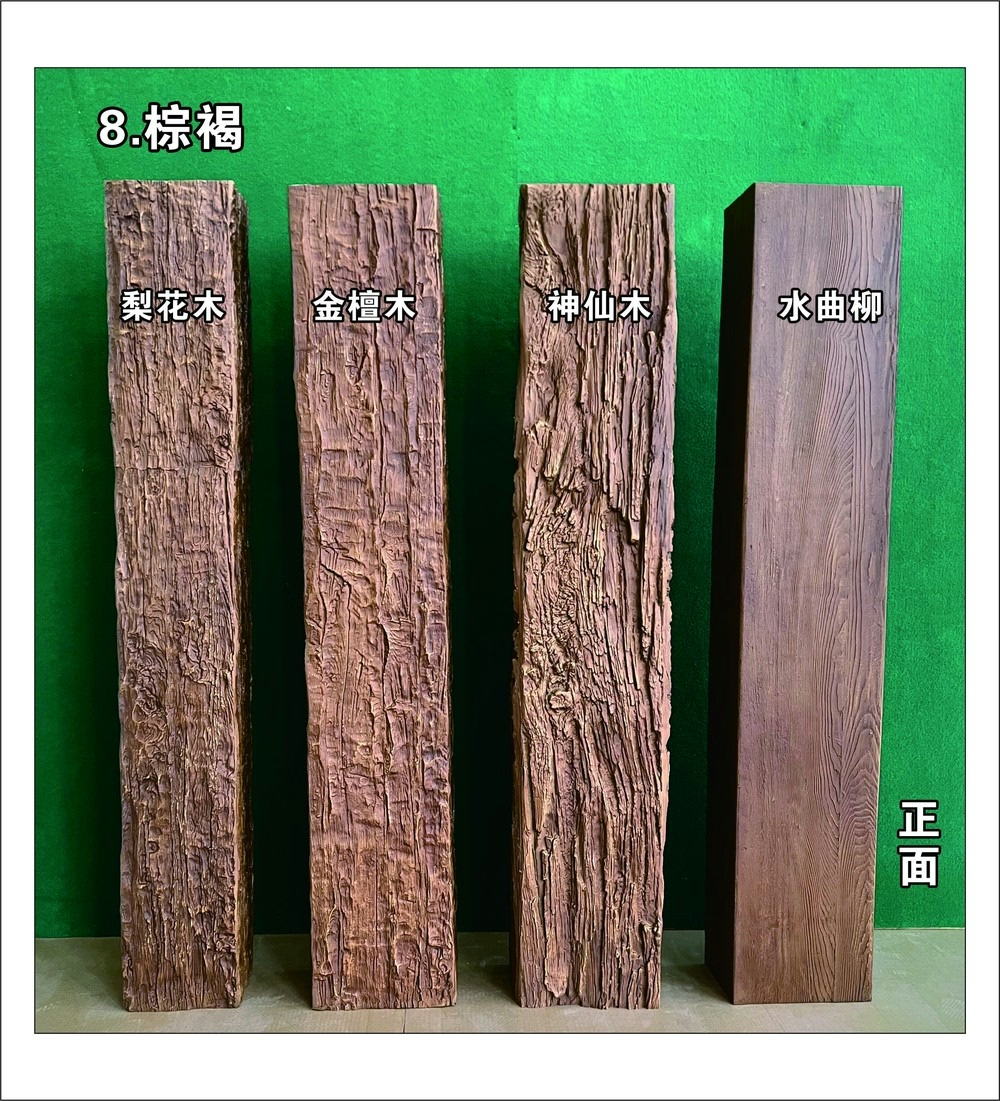
Construction schedules operate under relentless pressure to complete projects faster while compromising nothing on quality. Every day of delayed completion represents continued disruption, mounting carrying costs, and deferred returns on investment. Ceiling beam installation—often perceived as finishing work that can absorb schedule overruns from earlier stages—frequently becomes the critical path item that determines when spaces become usable. Time-saving fast installation polyurethane faux wood beams address this reality directly, delivering architectural impact without the installation timeline that traditional approaches demand.
The distinction between fast installation and compromised quality represents a false choice when properly engineered products are involved. Polyurethane faux beams designed for efficient installation achieve speed through intelligent design rather than through eliminated steps or reduced specifications. The engineering enables rapid completion without any sacrifice in finished appearance or long-term performance. This combination of speed and quality explains the growing preference for these products across residential and commercial applications.
Engineering for Rapid Installation
Fast installation begins with dimensional precision that eliminates fitting time. Polyurethane beams manufactured to tolerances of fractions of an inch arrive at job sites ready for immediate positioning without the planing, shimming, or scribe work that natural wood demands. Each beam fits its intended position without adjustment, reducing installation to positioning, fastening, and finishing rather than the extended fitting processes that timber requires.
Lightweight construction contributes equally to installation speed. A twelve-foot polyurethane beam might weigh fifteen to twenty pounds; an equivalent solid timber beam could weigh over one hundred fifty pounds. This weight difference transforms what would require multiple workers and equipment into single-person handling. Workers move faster when not burdened by excessive weight, and the absence of equipment delays accelerates further.
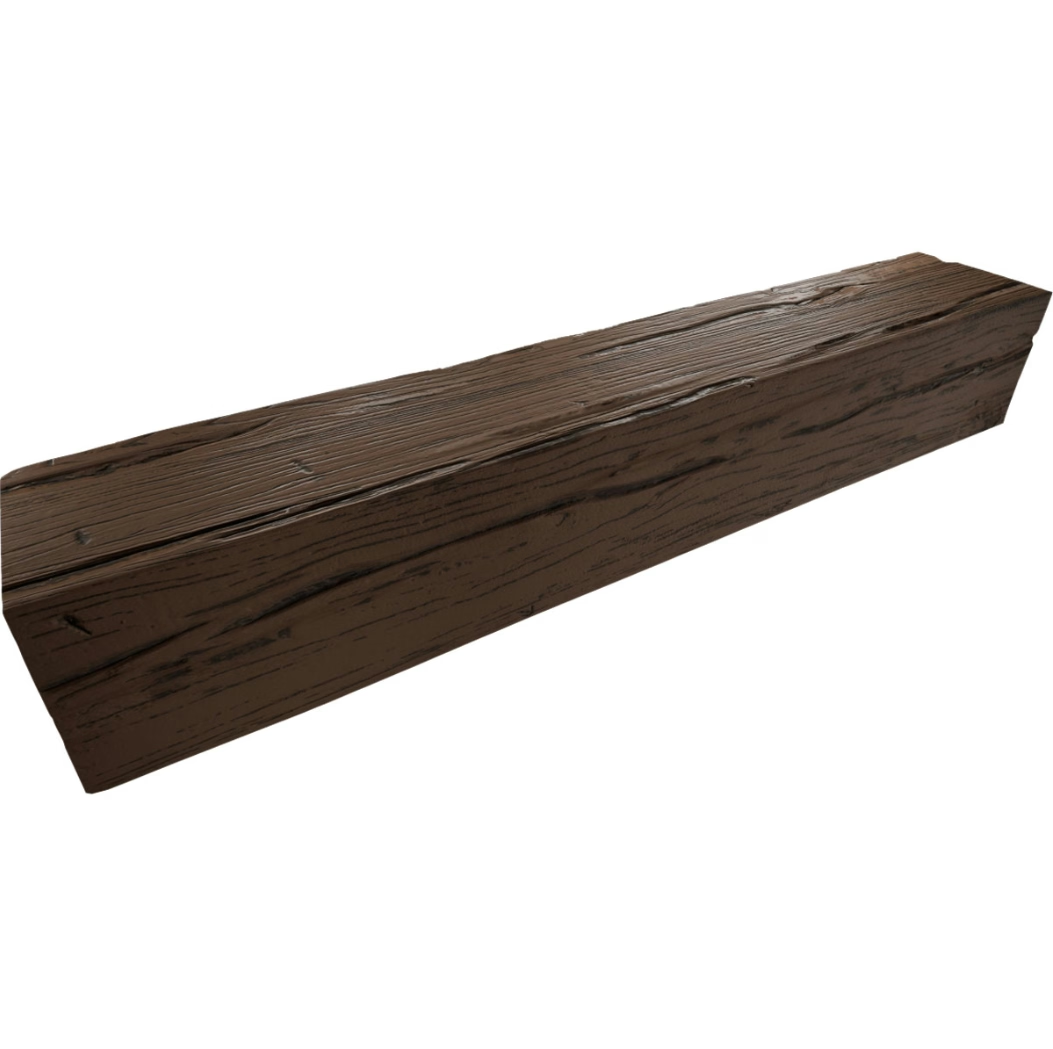
Prefinished surfaces eliminate on-site finishing that would otherwise follow installation. Traditional beams—whether genuine timber or other faux options—often require staining, sealing, or painting after installation, adding days to project completion. Factory-finished polyurethane beams install complete, with no finishing work required before spaces can be occupied. This prefinishing represents significant schedule advantage that compounds throughout larger installations.
Installation Process Optimization
Professional installers have developed systematic approaches to polyurethane beam installation that maximize speed through process optimization. Preparation—including accurate measurement, substrate verification, and material staging—occurs before actual installation begins, ensuring that installation time focuses on beam placement rather than preparation. This front-loaded approach prevents the delays that result from discovering problems during installation.
Adhesive selection affects installation speed significantly. Modern construction adhesives cure at different rates, with some formulations designed specifically for rapid strength development that allows faster progression to subsequent steps. Quality adhesive provides adequate open time for positioning adjustment while developing grip quickly enough to prevent work stoppage. The right adhesive for specific conditions—including temperature range and load requirements—keeps installation moving without compromising attachment quality.
Mechanical fastening systems designed for hollow beam profiles accelerate attachment compared to methods developed for solid timber. Factory-drilled fastener locations ensure consistent spacing and depth; specialized hollow-beam fasteners provide secure attachment without predrilling or special tools. These fastening innovations reduce the time required for each attachment point while ensuring consistent results across extended installations.
Comparison with Alternative Approaches
Comparing installation times between polyurethane faux beams and alternative approaches reveals significant advantages for the engineered product. Solid timber beams of equivalent size might require two to three workers for handling, extended fitting time for each piece, and significant finishing work after installation. The total labor hours for timber installation often exceed polyurethane alternatives by factors of three to five.
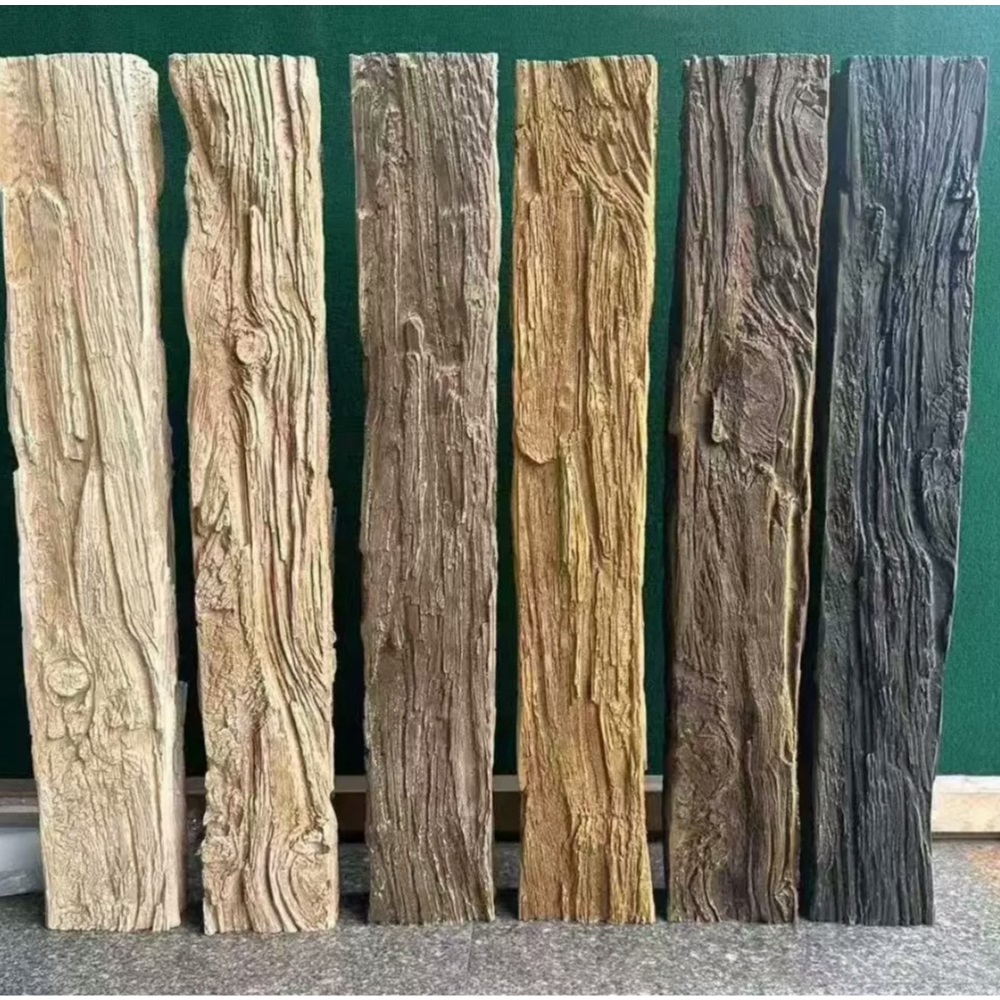
Other faux beam materials—including fiberglass, plaster, and medium-density fiberboard—offer some weight advantages over timber but typically involve other complications. Fiberglass beams may require special handling to prevent surface damage; plaster beams risk impact damage during installation; MDF beams absorb moisture and require sealing before installation in any location with humidity variation. Polyurethane beams avoid these complications while providing faster installation than these alternatives.
Traditional installation methods that involve concealed mounting hardware, decorative trim installation, and extensive finishing work extend timelines further. Every additional step adds potential delay and requires additional expertise. Polyurethane beams designed for fast installation minimize step counts while maximizing visual results, enabling completion without the specialized expertise that traditional approaches demand.
Practical Applications Requiring Speed
Retail environments face acute schedule pressure where every day of renovation represents lost revenue. Store remodels often occur during brief closing periods, with stores needing to reopen on specific dates that no delay can disturb. Fast-installation polyurethane beams enable ceiling upgrades that transform customer experience without requiring extended closure periods. The installation speed translates directly to reduced lost revenue and earlier profit resumption.
Hospitality renovation projects similarly require speed that minimizes guest disruption. Hotel lobbies, restaurants, and common areas cannot close for extended renovation periods without significant business impact. Fast-installation beams enable overnight or weekend installation that completes during low-occupancy periods, transforming spaces without the extended disruption that slower alternatives would impose.
Residential applications with tight timelines—perhaps preparing homes for sale, accommodating family relocations, or coordinating with other construction phases—benefit equally from installation speed. Homeowners不愿意在 renovation projects, preferring to complete improvements quickly and move on to other priorities. Fast-installation beams enable project completion that respects these preferences without compromising results.
Quality Assurance in Fast Installation
Fast installation does not mean careless installation. Professional installers maintain quality standards regardless of speed, with systematic approaches that ensure consistent results. Pre-installation verification of conditions, careful material handling, and methodical execution prevent the problems that rushing typically creates. The efficiency comes from eliminating wasted motion rather than from shortcuts that create future problems.
Inspection protocols verify installation quality before projects close. Checking attachment security, alignment accuracy, and finished appearance ensures that fast installation produces acceptable results. Any deficiencies discovered during inspection receive immediate remediation, preventing callbacks and warranty claims that would cost more than the time required for initial correction.
Documentation practices support both quality assurance and future maintenance. Recording beam specifications, installation details, and finish information enables accurate replacement ordering if future damage occurs. This documentation represents minimal effort that pays dividends across the beam's service life.
Technical References
ASTM standards cited in every specification
Test Data
Lab results from internal testing program
Updated 2026
Reviewed against current product specs