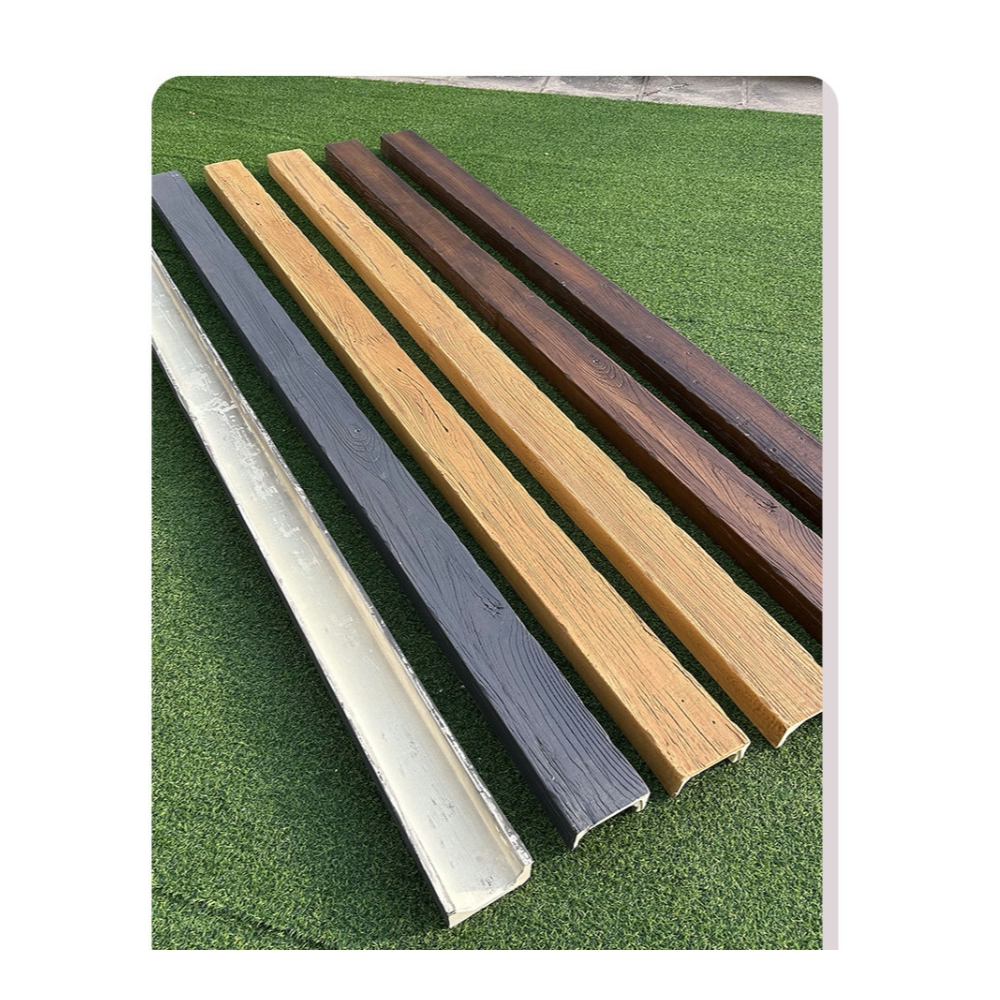
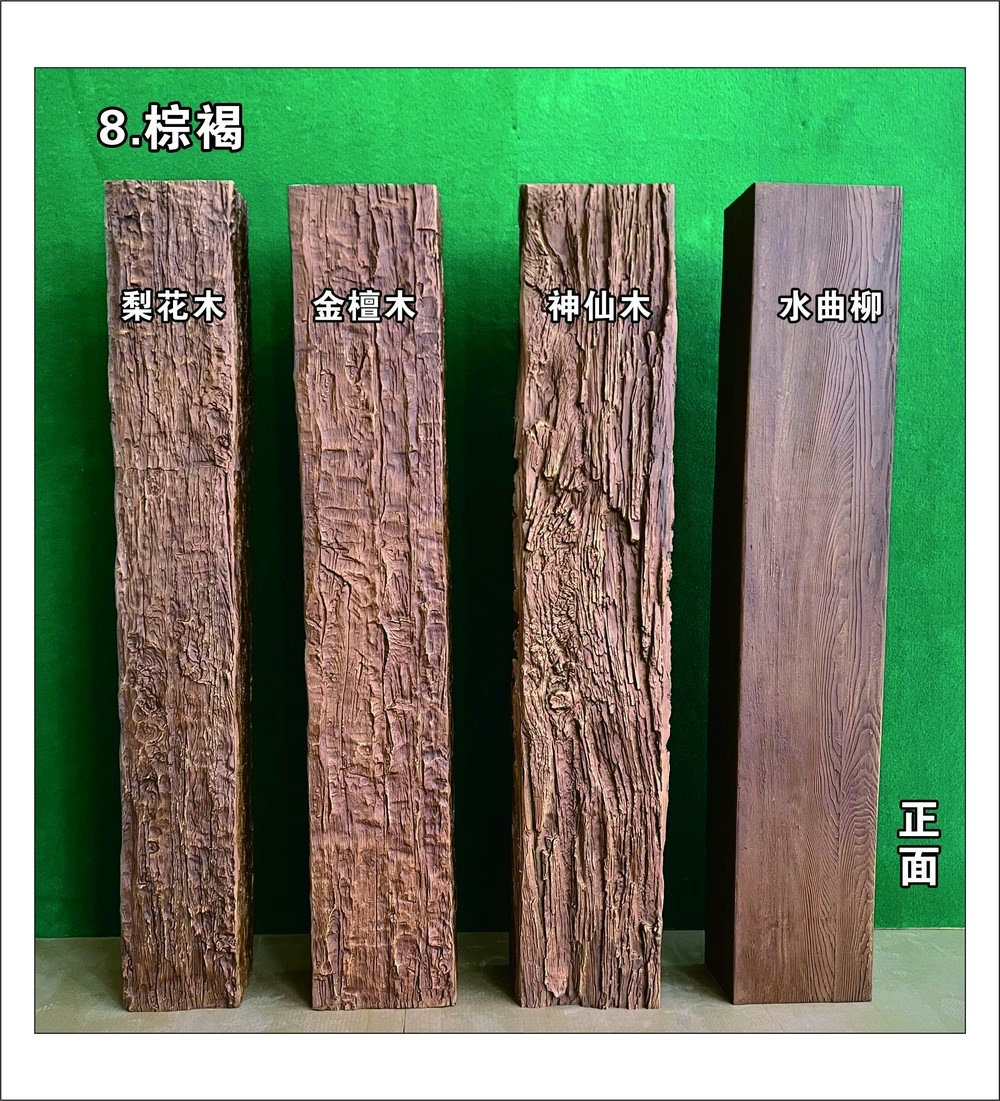
On-site finishing represents one of construction's most significant sources of schedule uncertainty and quality variation. Environmental conditions, contaminated surfaces, improper technique, and simple impatience combine to produce finishes that rarely match the quality achievable under controlled conditions. Pre-finished ready-to-install faux wood ceiling beams sidestep these problems entirely, bringing fully completed appearance directly from factory to installation without any site finishing required.
The finished appearance of quality pre-finished beams reflects manufacturing processes optimized for surface quality. Factory finishing occurs in controlled environments with proper temperature, humidity, and dust control—conditions that job sites cannot maintain. Industrial finishing equipment applies materials with consistency that hand application cannot achieve. Extended cure times under ideal conditions ensure proper film formation that rushed field application prevents.
Factory Finishing Advantages
Factory finishing produces results that field application cannot match through multiple mechanisms. Environmental control maintains consistent conditions throughout application and cure, eliminating the variation that job-site temperature and humidity changes create. Equipment precision applies materials at consistent rates and thicknesses, preventing the uneven coverage that hand application produces. Quality control catches problems before products ship, ensuring that what arrives at job sites meets specifications.
Material selection for factory finishing differs from field options, with industrial formulations offering performance characteristics that consumer products cannot achieve. Higher solids content produces thicker films in single applications; advanced binders provide superior adhesion and durability; UV inhibitors resist degradation that limited field products. These formulation advantages translate directly to appearance retention that field-finished alternatives cannot match.
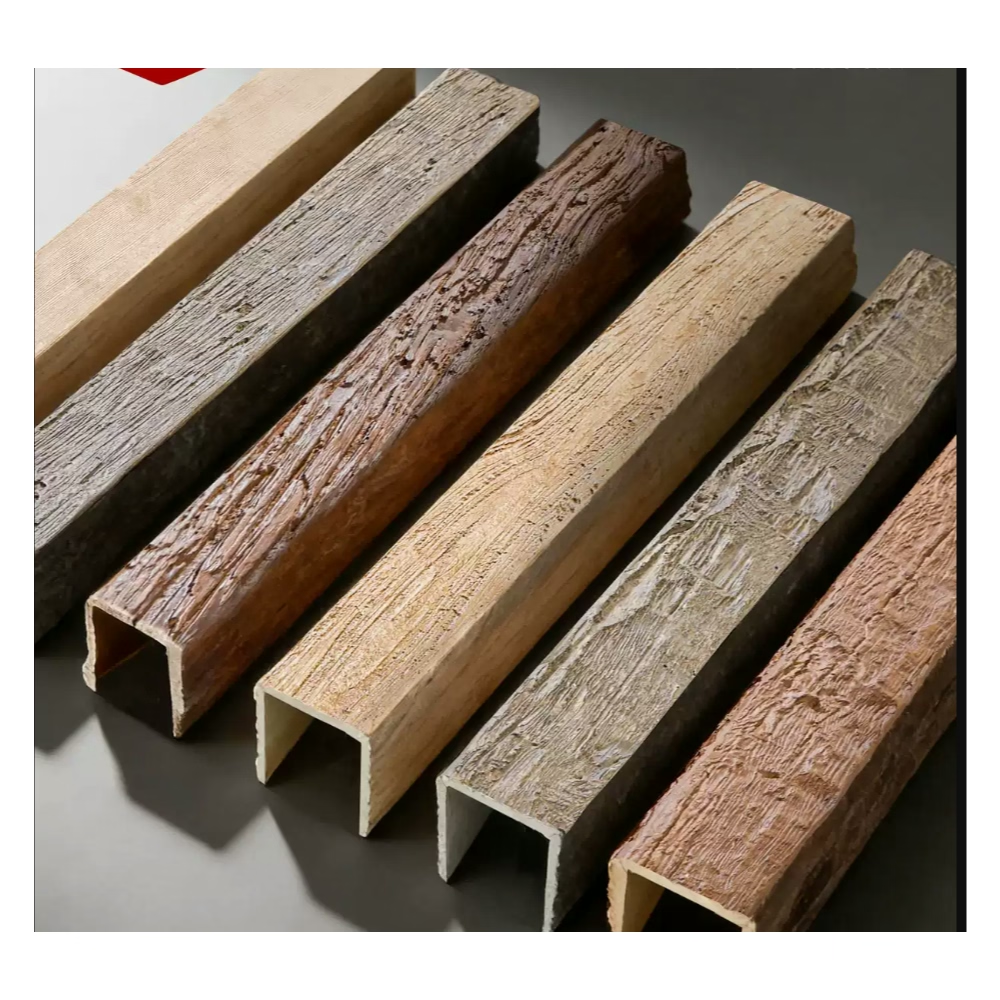
Color consistency across large installations benefits from factory production methods. Batch coloring ensures that products from different production runs match precisely, eliminating the variation that mixing field finishes can produce. This consistency matters particularly in commercial applications where adjacent beams must match perfectly; the visual impact of inconsistent coloration undermines even the most successful installation.
Preparation Requirements Before Installation
Even with pre-finished products, some preparation ensures successful installation. Surface preparation of mounting locations—cleaning, repair of damaged areas, verification of attachment suitability—creates conditions where pre-finished beams can perform as designed. This preparation represents a fraction of the work that finishing would require but remains essential for quality outcomes.
Dry-fitting before adhesive application verifies alignment and identifies any issues before commitment. Pre-finished products benefit particularly from careful dry-fitting because corrections after adhesive application become difficult; discovering fit problems before adhesive cure enables adjustment that afterward might damage finishes. This brief dry-fitting step prevents problems that would otherwise require significant remediation.
Handling pre-finished products requires care that protects factory finishes from damage. Lifting points, support locations, and protection during positioning all affect whether finished surfaces arrive at completion undamaged. Professional installers develop handling techniques that preserve finishes throughout installation; less experienced workers may benefit from manufacturer guidance about proper handling.
Installation Speed Advantages
Pre-finishing contributes to installation speed through multiple mechanisms. The elimination of finishing work removes an entire project phase that traditional installation requires. The time saved includes not just application but also drying time between coats, masking and preparation work, and cleanup associated with finishing. These combined savings often represent the majority of finishing-phase duration.
Reduced drying time requirements speeds project completion further. Factory-finished products may require only adhesive cure time before spaces can be occupied; field finishing might require days of drying before spaces become usable. This difference matters particularly in occupied renovations where every day of continued disruption creates ongoing inconvenience. Fast completion through pre-finishing respects occupancy that slower approaches would disturb.
Cleanup requirements diminish with pre-finished products. Field finishing generates significant cleanup: equipment cleaning, overspray removal, material disposal, and protection removal all consume time. Pre-finished products arrive with cleanup already completed, enabling immediate transition from installation to project completion. This reduction in peripheral work contributes to overall schedule acceleration.
Protection During Installation
Protecting pre-finished surfaces during installation requires attention that unfinished alternatives do not demand. Abrasive contact, impact, and chemical exposure can damage factory finishes despite their durability. Developing installation techniques that avoid finish contact prevents damage that would require repair or replacement to correct.
Temporary protection during multi-trade construction may be necessary in commercial applications. Other trades working nearby after beam installation—above ceilings, in adjacent spaces—might inadvertently damage unprotected finishes. Coordinate protection requirements with project schedules, installing protection when beam installation precedes other work and removing it before project completion to reveal undamaged finished surfaces.
Touch-up materials for pre-finished products require careful selection. Even with careful handling, minor damage may occur that touch-up can address. Quality suppliers provide touch-up kits matched to their finishes, enabling field repair that maintains appearance despite minor damage. Understanding available touch-up options before installation begins enables immediate response to any damage discovered.
Long-Term Appearance Retention
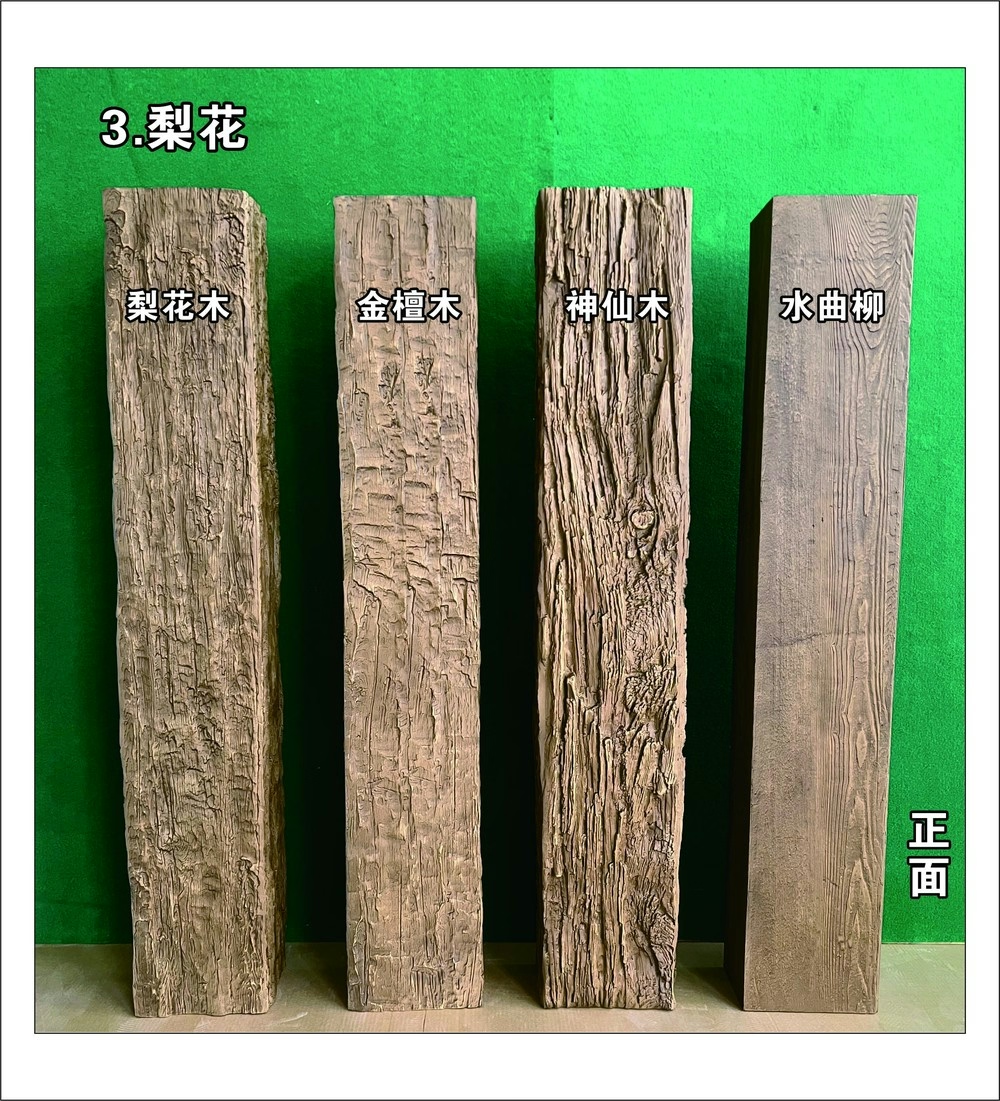
Factory finish durability ensures that appearance quality persists throughout beam service life. The industrial-grade materials and controlled application produce films that resist scratching, marring, and UV degradation better than field-applied alternatives. This durability maintains appearance quality without ongoing maintenance intervention that field finishes would require.
Cleaning requirements for factory finishes differ from field alternatives. The smooth, consistent films that factory application produces clean more easily than porous field finishes; dirt and stains wipe away without the penetrating cleaners that field-finished surfaces might require. This cleanability maintains appearance between deep cleaning that field-finished surfaces would need more frequently.
Future refinishing options remain available if building evolution requires different appearance. Factory-finished beams can be refinished if necessary, though the improved appearance of factory application means this option rarely becomes attractive. Should refinishing be required, surface preparation follows standard procedures; the factory-finished substrate actually provides excellent base for subsequent coating.
Technical References
ASTM standards cited in every specification
Test Data
Lab results from internal testing program
Updated 2026
Reviewed against current product specs