Architecture that endures across generations succeeds through design principles rather than passing trends—proportion, rhythm, material honesty, and attention to craft that transcends fashion. Timeless classic architectural faux beams draw from this enduring tradition, referencing centuries of timber construction while leveraging modern materials that require none of traditional wood's ongoing maintenance. The result serves design goals that value permanence over novelty, creating spaces that feel established rather than trendy.
The concept of timelessness in architectural elements involves deliberate choices about ornamentation, proportion, and relationship to surrounding details. Beams that pursue timelessness avoid extreme elaboration that dates quickly and equally avoid stark minimalism that reads as fashion rather than intention. The sweet spot involves sufficient detail to reward extended viewing while maintaining restraint that prevents visual competition with other elements. Achieving this balance requires understanding classical design principles and how they translate into contemporary manufacturing.
Historical References in Contemporary Products
Classical architecture employed timber beams not merely as structural elements but as opportunities for ornamental expression. Exposed ceiling beams in Georgian manor houses, Gothic cathedrals, and Renaissance palaces featured carved details, painted surfaces, and coordinated relationships with wall paneling and cornice work. These historical precedents inform contemporary classic beam design, translating ornamental vocabulary into manufacturing processes appropriate for modern production.
The acanthus leaf, Greek key patterns, and other classical motifs appear on quality faux beams in relief form that captures carving detail convincingly. These ornaments might decorate beam ends, appear along beam length, or frame beam intersections, depending on the specific design lineage being referenced. The key to successful classical ornamentation lies in restraint—adding enough detail to establish the historical reference without overwhelming the beam's fundamental character as a structural element.
Proportion guidelines from classical architecture inform dimensional decisions in timeless beam design. The relationship between beam width and height should reflect architectural conventions that read as harmonious regardless of exact measurements. Beams that are too shallow appear weak; those too deep seem ponderous. Finding the appropriate proportion for specific ceiling heights and room volumes requires understanding classical rules that successful designers internalize and apply intuitively.
Design Integration with Classical Interiors
Classic faux beams rarely appear in isolation; they function within compositions that include molding, paneling, plasterwork, and other architectural elements. Successful integration requires attention to these relationships, ensuring that beam style, scale, and finish coordinate with surrounding details. A beam designed for Craftsman interiors will feel wrong in Georgian surroundings, just as highly ornate beams would overwhelm minimalist contemporary spaces.
The relationship between beams and cornice work deserves particular attention. Cornices often continue along beam runs, with beams either penetrating through cornice planes or terminating at cornice intersections. Classic architectural drawings show various approaches to this relationship, each creating different visual effects. Understanding these conventions helps designers make informed decisions about how beams should interact with existing or planned trim work.
Wall and ceiling color interacts with beam finish to create overall interior character. Classic interiors often feature beams finished in colors that relate to other wood elements—flooring, trim, built-in furniture—while ceilings and walls present contrasting colors. The specific color relationships depend on the historical period being referenced; Georgian rooms often feature white or pale ceilings with darker wood beams, while Victorian interiors might include painted beams in colors derived from historical precedent.
Material Choices for Classic Durability
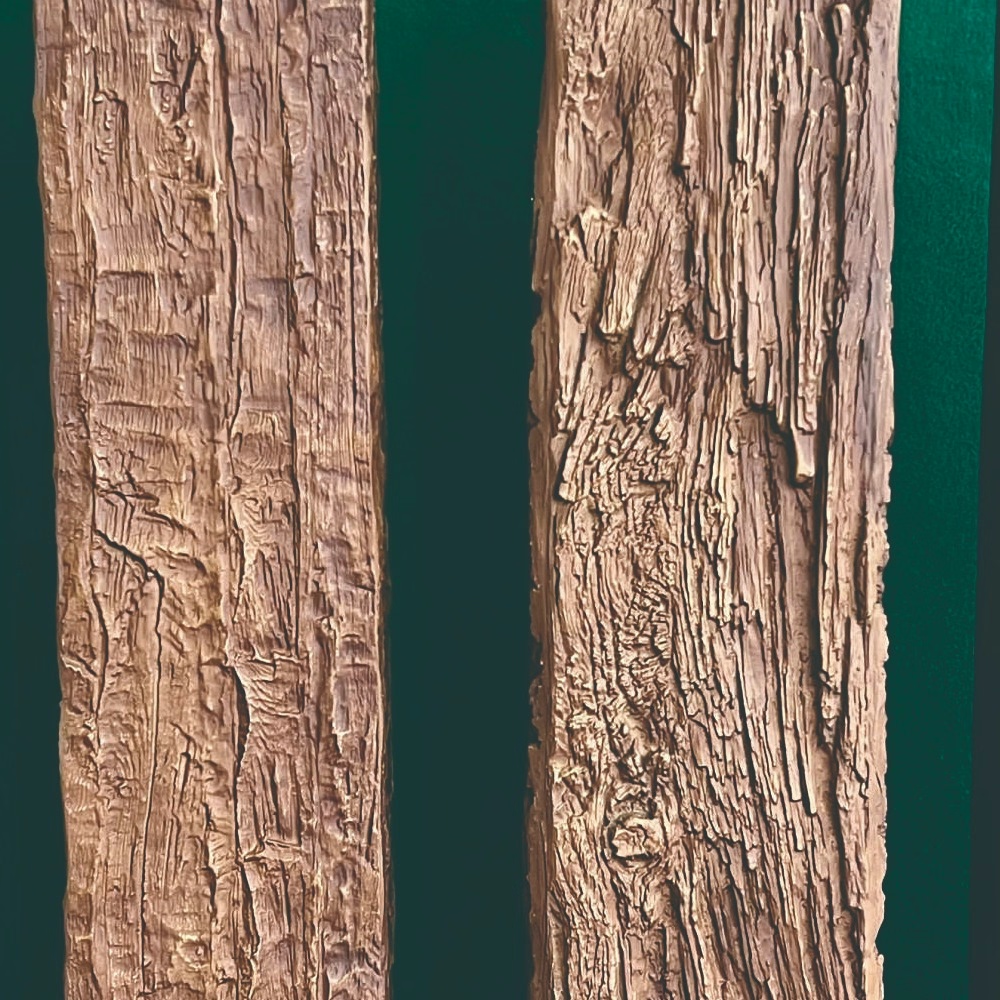
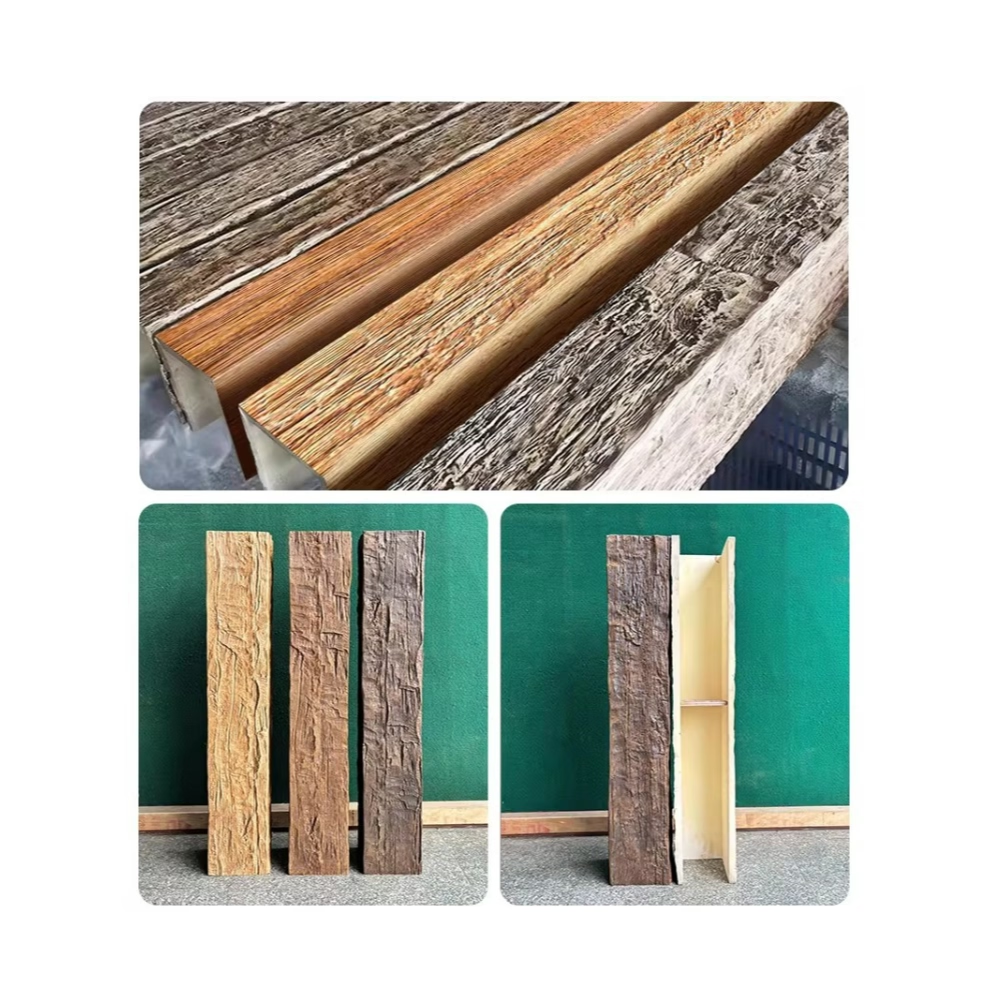
Timeless design demands material durability that matches the aesthetic ambition. Beams intended to serve for generations should employ construction methods and materials that withstand decades of use without degradation. Polyurethane faux beams designed for classic applications incorporate UV inhibitors, impact-resistant formulations, and factory finishes tested for long-term adhesion. These material investments cost more initially but prevent the replacement cycles that cheaper alternatives impose.
The hollow construction of modern faux beams affects thermal and acoustic performance in ways that classic builders could not have anticipated. While timber beams conducted temperature and sound directly, hollow polyurethane beams create buffer zones that moderate these transfers. This performance difference rarely matters in conditioned spaces but becomes relevant in unconditioned porches, covered patios, or other applications where temperature swings might affect perceived quality.
Finish durability in classic applications requires particular attention because the aesthetic goals emphasize longevity and permanence. A beam that shows visible wear after a few years undermines the timeless intention; these products should age gracefully, maintaining appearance through years of use. Factory-applied multi-coat finishes with topcoats designed for durability serve these requirements better than field-applied alternatives, despite their higher initial cost.
Installation Approaches for Classical Composition
Classical architectural installations typically emphasize formality and precision that distinguishes them from casual contemporary approaches. Joints between beams and at wall intersections should align with mathematical regularity rather than appearing accidental. Corner returns, where beams terminate against walls, require careful attention to create transitions that appear intentional rather than awkward.
Pattern repetition in classical installations creates the sense of ordered design that defines timeless architecture. Parallel beams should maintain consistent spacing throughout their runs; perpendicular intersections should align along continuous planes rather than appearing at random heights. This geometric precision distinguishes classical installations from more casual contemporary treatments where intentional irregularity creates relaxed character.
Accessories and decorative elements enhance classic beam installations when selected appropriately. Crown molding at beam intersections, decorative end caps, and ornamental brackets at structural points can elevate beam installations toward the level of crafted detail that classical architecture demands. These accessories should match beam style and quality; mixing ornate beams with cheap trim undermines the entire composition despite the quality of individual elements.
Maintenance Philosophy for Enduring Beauty
Timeless design implies a maintenance philosophy oriented toward preservation rather than replacement. Rather than accepting that finishes will degrade and require renewal, classic beam maintenance aims to maintain original appearance through careful care and prompt attention to any developing issues. This philosophy requires understanding what conditions affect beam appearance and how to prevent or address them.
Dust accumulation in beam textures presents the most common appearance concern in typical interiors. Regular dusting with appropriate tools—soft brushes rather than aggressive scrubbers—maintains appearance between more thorough cleanings. The frequency depends on interior conditions; kitchens and high-traffic commercial spaces accumulate debris faster than formal living rooms or bedrooms. Establishing consistent maintenance schedules prevents gradual appearance degradation that becomes apparent only when significant.
Inspection protocols for classic installations should verify attachment security, finish condition, and any signs of moisture intrusion or pest activity. While polyurethane itself resists these concerns, the existing structure beneath classic beams may harbor conditions that eventually affect the overall installation. Annual inspections catch developing problems early, enabling remediation before significant damage occurs.
Technical References
ASTM standards cited in every specification
Test Data
Lab results from internal testing program
Updated 2026
Reviewed against current product specs


