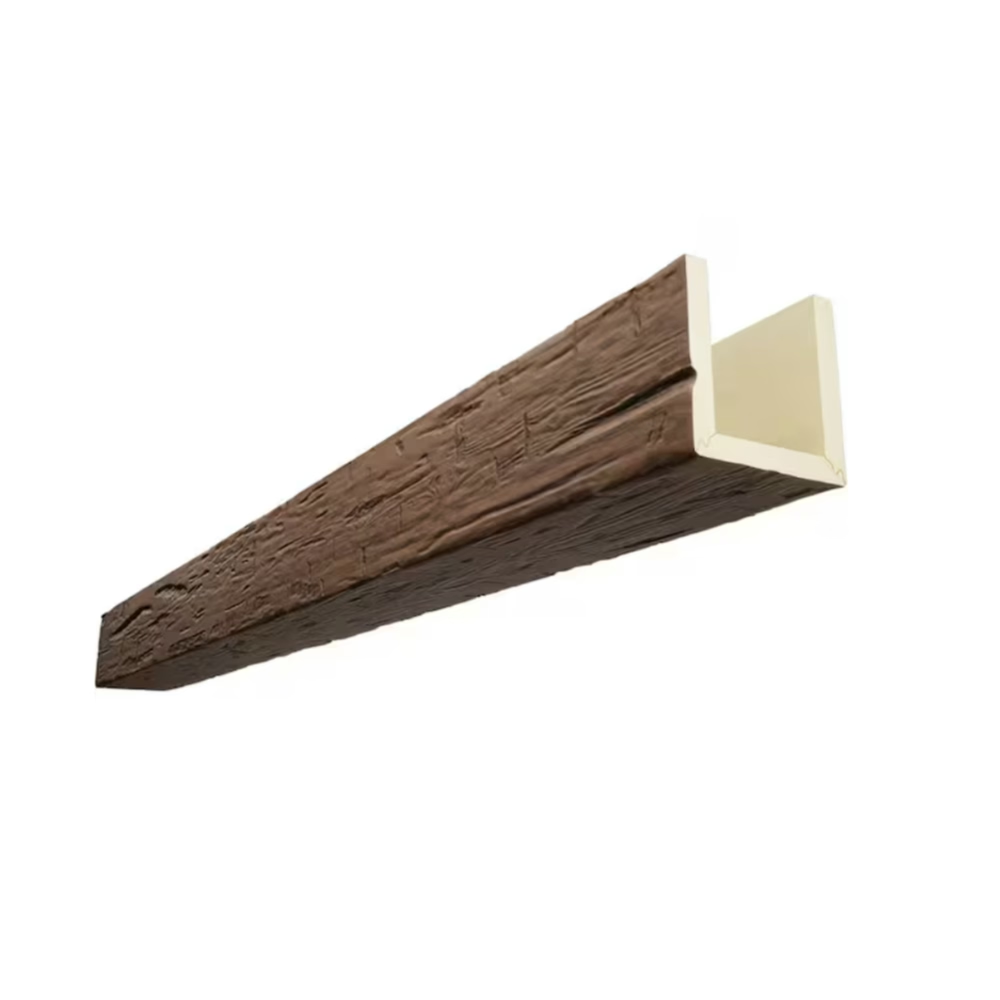
Interior design movements come and go with remarkable speed, making timelessness a rare and valuable quality in architectural elements. The timeless classic collection of decorative PU faux ceiling beams draws from enduring design traditions rather than fleeting trends, creating products that serve aesthetic goals for decades rather than seasons. This timeless approach requires different thinking than typical product development: rather than asking what looks current, designers ask what has always looked right.
The decorative dimension distinguishes these beams from purely structural alternatives. While all beams carry aesthetic potential, decorative beams actively enhance their settings through ornamentation, refined proportions, and attention to craft details. This decoration must be earned rather than assumed—adding visual complexity that enriches rather than clutters, detail that rewards rather than overwhelms. Achieving this balance separates successful decorative products from those that miss the mark.
Design Language of the Classic Collection
Each product line within a classic collection should share design vocabulary while offering variety within that vocabulary. Common elements—grain patterns, profile curves, ornament placement—create coherence that allows mixing different products without visual discord. This coherence doesn't require identical appearance; rather, products should feel related, like members of the same family rather than strangers who happen to share a room.
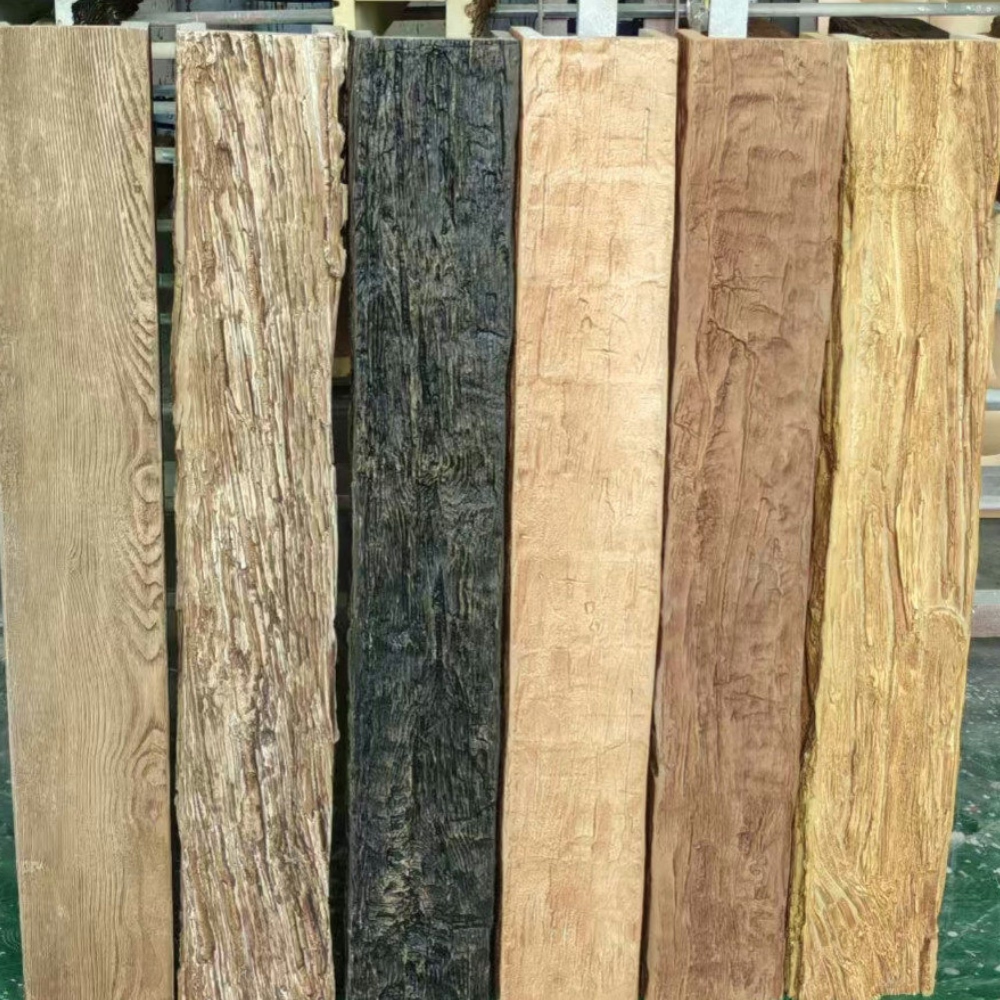
Texture language within the collection establishes the tactile dimension of beam appearance. Collection textures might include a range from smooth contemporary finishes through lightly distressed surfaces to heavily weathered rustic profiles. All relate through consistent approach to surface treatment even as specific patterns vary. This consistency enables mixing within the collection while preventing the confusion that mismatched texture philosophies create.
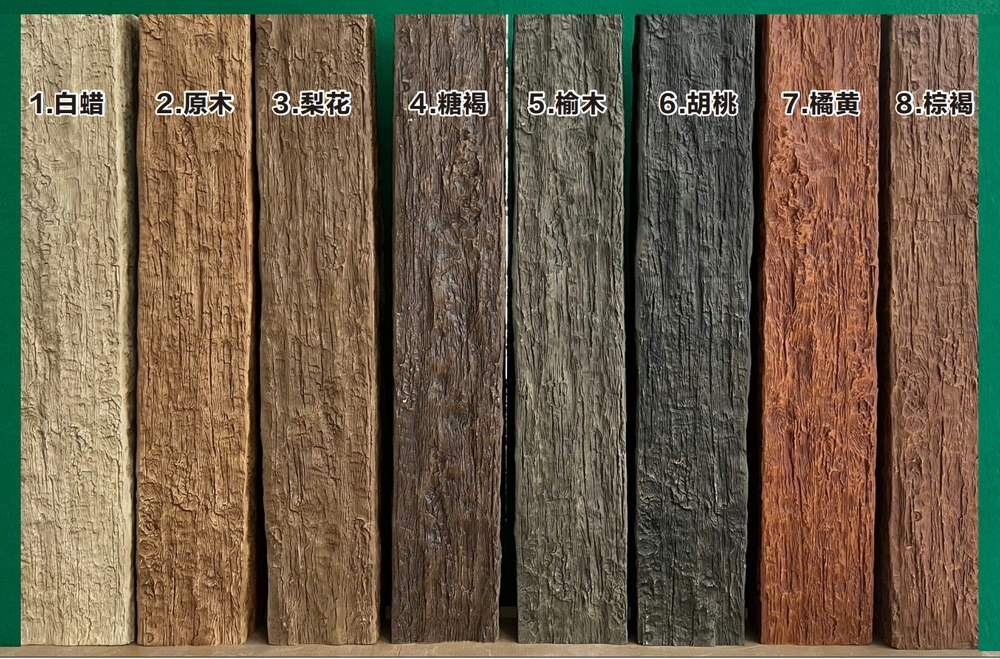
Color offerings within timeless collections typically emphasize classical palettes rather than trend-driven colors. Natural wood tones—oak, walnut, cherry, and their variants—form the foundation, with painted options limited to architectural whites and neutrals that remain appropriate across changing fashion. This restraint protects investments by avoiding colors that might feel dated within a few years of installation.
Application Contexts and Design Strategies
Residential applications for classic collection beams span formal and informal contexts with appropriate style selection for each. Formal dining rooms, libraries, and entryways often benefit from more ornate beam treatments that reinforce the significance of these spaces. Family rooms, bedrooms, and informal living areas might select simpler profiles that provide warmth without excessive formality. The collection's range accommodates both directions without requiring compromise.
Commercial applications in hospitality, retail, and professional settings present different requirements. Durability concerns increase with traffic volume; finish selection should account for cleaning frequency and potential abuse. Design character may need to accommodate corporate branding while maintaining classic restraint that prevents rapid dating. The timeless approach serves these requirements well, avoiding the extremes that clash with diverse branding contexts.
Historic preservation projects present the most demanding application context, requiring close matching to existing details that may be centuries old. The classic collection's reference to historical precedents provides starting points for these applications, though custom work may be necessary for close matching to specific historic elements. Understanding the building's original period and style guides appropriate selection from available products or informs custom specification requirements.
Quality Indicators and Selection Criteria
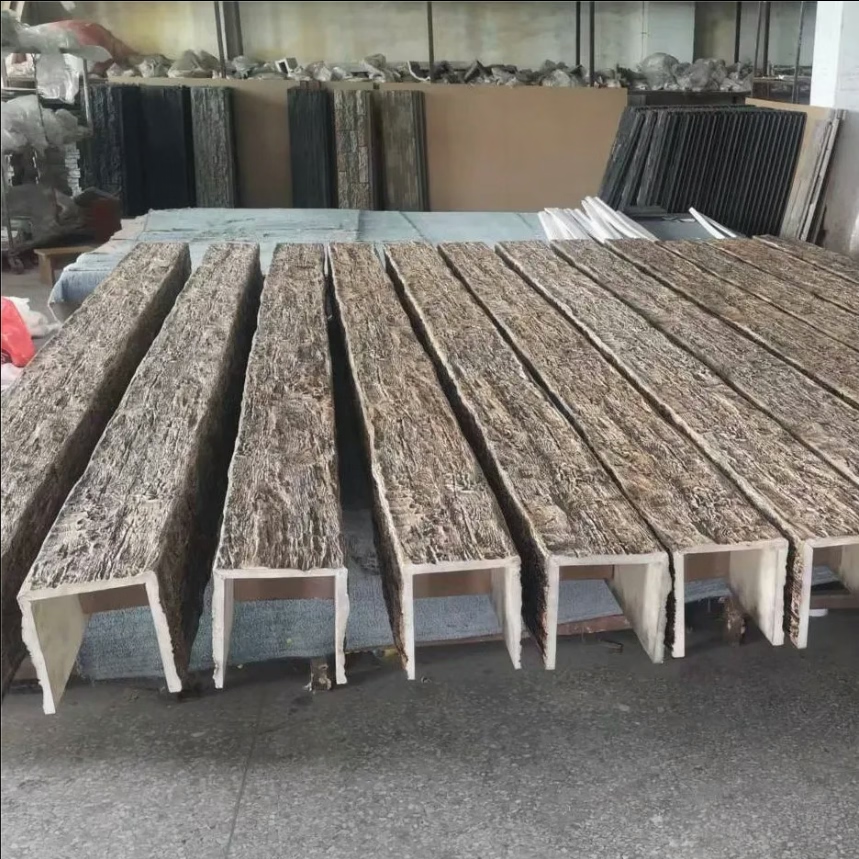
Finish quality distinguishes premium decorative beams from budget alternatives. Close inspection reveals the differences: premium finishes exhibit depth and luminosity that budget options lack; edge coverage prevents bare substrate visibility at beam edges and corners; consistent application across textured surfaces maintains intended appearance throughout. These qualities require manufacturing investment that translates to higher initial cost but better long-term value.
Structural integrity affects both safety and appearance over time. Beams that flex under their own weight or develop waviness over spans indicate inadequate engineering. Quality products maintain straight alignment indefinitely through proper material selection and wall thickness design. Testing by pressing firmly on beam surfaces reveals any softness or flexing that might indicate inadequate construction.
Dimensional precision indicates manufacturing sophistication and affects installation quality. Variations in width or depth along beam length create alignment problems that compound through installations. Quality beams maintain consistent dimensions throughout their length, enabling clean joints and predictable alignment. This precision requires CNC manufacturing equipment and quality control processes that budget manufacturers cannot justify.
Coordination with Other Design Elements
Classic collection beams coordinate with surrounding trim through shared design vocabulary. Crown molding, window casings, door frames, and baseboards should feel related to beam profiles without necessarily matching exactly. This coordination might involve similar profile curves, consistent reveal depths, or related ornament placement. The goal is ensemble rather than isolation—beams that feel part of the larger architectural composition.
Lighting integration with classic beams deserves early design attention. Beams cast shadows that interact with ceiling planes; these shadows can enhance or complicate overall appearance depending on lighting approach. Recessed fixtures require coordination regarding fixture placement relative to beam runs; surface-mounted fixtures might coordinate with beam ends or intersections. Considering lighting early prevents conflicts that become expensive to resolve later.
Furniture and fabrics interact with ceiling beams through color and texture relationships. Wood-toned beams naturally complement furniture in similar tones; painted beams might relate to upholstery colors or accent elements. The overall color composition should feel intentional rather than accidental, with beams participating in the room's color story rather than standing apart from it.
Investment Considerations and Value Analysis
Classic collection beams represent design investments intended to serve for decades rather than years. The initial cost reflects quality materials, sophisticated manufacturing, and attention to detail that budget alternatives cannot match. Evaluating this investment requires considering not just purchase price but replacement costs, maintenance requirements, and appearance retention over extended periods.
Warranty coverage provides one indicator of manufacturer confidence and product quality. Longer warranty periods—particularly those covering finish appearance rather than just structural integrity—suggest products designed for long-term service. Reading warranty terms carefully reveals coverage limits and conditions that affect actual protection; comprehensive coverage with clear terms indicates trustworthy suppliers.
Total project cost includes more than beam purchase price. Shipping, installation labor, finishing touch-ups, and any accessory trim contribute to final investment. Comparing only beam prices overlooks these other costs; comprehensive estimates enable accurate comparison across product options and suppliers. The lowest beam price rarely produces lowest total project cost when all factors are included.
Technical References
ASTM standards cited in every specification
Test Data
Lab results from internal testing program
Updated 2026
Reviewed against current product specs