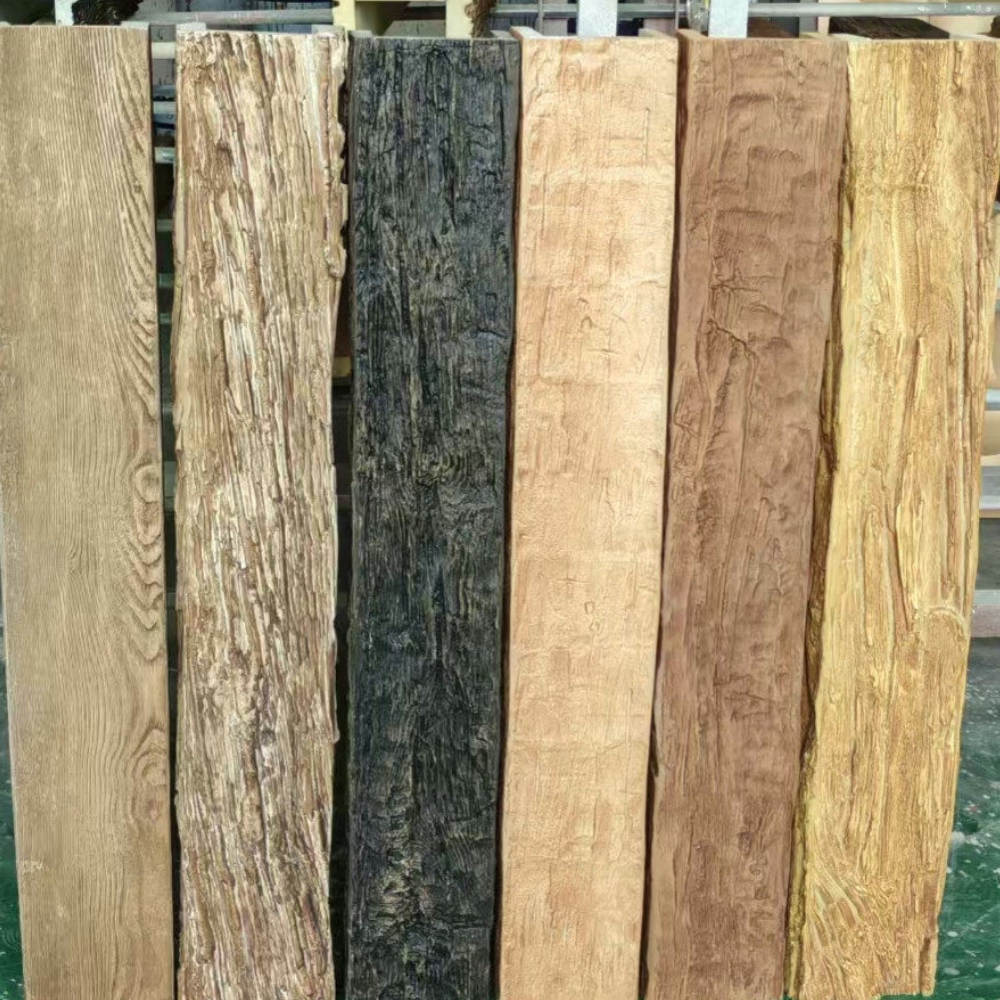
The disposable mindset that pervades modern consumer culture rarely serves architectural goals. Buildings and their components are expected to function for decades, making trend-driven design a liability rather than an asset. Timeless enduring design in faux beams responds to this reality, creating products that maintain relevance regardless of shifting fashion. This approach demands different design thinking than simply replicating whatever currently appears in shelter magazines; it requires understanding what makes certain forms endure.
Endurance in design relates to several factors: appropriate scale, coherent proportions, restrained ornamentation, and honest materials. Beams that embody these qualities serve equally well in homes decorated in traditional, transitional, or contemporary styles because they don't require specific contextual support. They provide architectural value that transcends decorating trends, becoming permanent elements of the built environment rather than features that date along with whatever style they originally matched.
The Economics of Timeless Design
Initial cost comparison between timeless and trend-driven products often favors trend options, but this comparison misses the economic reality of long-term ownership. A beam that remains appropriate for thirty years delivers better value than one requiring replacement after ten years, even if the timeless option costs significantly more upfront. The math becomes more favorable for timeless design when considering not just replacement cost but also the disruption and labor involved in replacement projects.
Labor costs often exceed material costs in beam installation, making durability particularly important economically. Each replacement requires removal and disposal of existing material, surface preparation, new installation, and finishing work. These costs compound over multiple replacement cycles, often exceeding the original material investment significantly. Selecting durable materials that avoid replacement cycles reduces lifetime ownership cost substantially.
Resale value considerations also favor timeless design. Homes featuring current trends may appeal to buyers who share those specific tastes, but timeless elements appeal broadly because they complement rather than dictate decorating choices. A ceiling with enduring beam design helps sell homes because it provides useful architecture that doesn't require immediate renovation; trend-driven alternatives might require updating to appeal to contemporary buyers.
Design Principles for Enduring Appeal
Proportion serves as the most fundamental principle affecting long-term appeal. Properly proportioned beams feel right regardless of specific style contexts; improperly proportioned ones create discomfort that observers may struggle to articulate but nonetheless perceive. Developing sensitivity to proportion requires studying classical architecture and understanding how historical builders resolved these relationships through centuries of refinement.
Restraint in decorative detail protects against dating. Ornamentation that references specific historical periods or current trends may feel fresh initially but eventually becomes associated with its era of origin. Timeless beams include enough detail to appear crafted rather than stark, but avoid the excessive elaboration that creates visual noise. This restraint requires confidence in fundamental design quality rather than reliance on surface decoration.
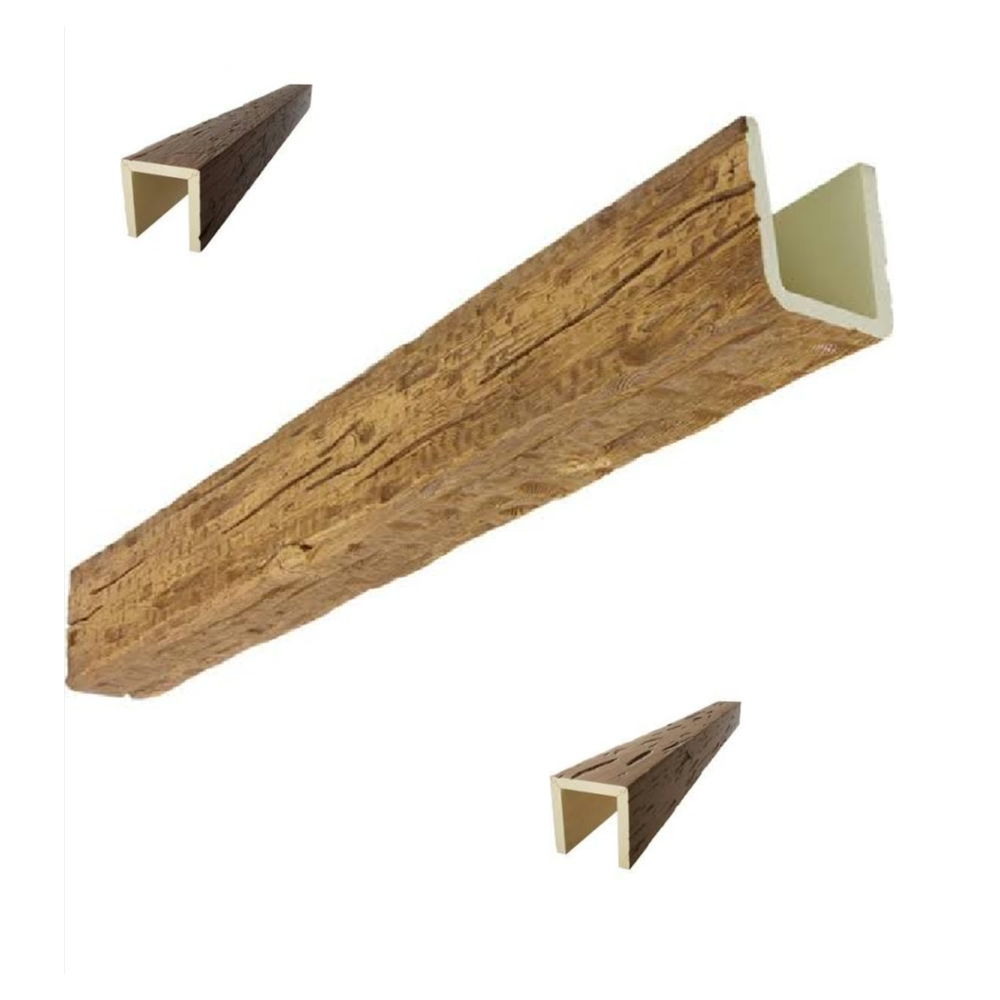
Material honesty contributes to timeless appeal. Beams that look like what they are—a manufactured product imitating wood—eventually feel less authentic than those that embrace their nature while achieving wood-like warmth. This doesn't mean making beams look obviously synthetic; rather, it means accepting that quality reproduction serves better than crude imitation. Modern faux beams at their best are neither wood nor pretending to be wood, but rather a contemporary material that captures wood's aesthetic spirit.
Practical Advantages of Modern Materials
The practical advantages of polyurethane over natural wood compound over time in ways that support the case for timeless design. Natural wood requires ongoing maintenance—refinishing, repair, pest treatment—that synthetic materials eliminate. These maintenance requirements aren't just inconvenient; they represent ongoing costs that accumulate over ownership periods. A beam that costs nothing to maintain delivers better value than one requiring annual attention even if initial prices favor the wooden option.
Moisture sensitivity that affects natural wood becomes irrelevant with polyurethane. This advantage proves decisive in applications like bathrooms, kitchens, and humid climates where wood may warp, cup, or develop mold. The material's dimensional stability regardless of humidity eliminates these concerns entirely, providing performance that wood cannot match without continuous treatment.
Insect damage that threatens natural wood—including termite activity that might not become apparent until significant structural damage occurs—cannot affect polyurethane. This resistance provides peace of mind that wood products simply cannot offer, particularly in regions where insect pressure is significant. The absence of this vulnerability removes a category of risk from property ownership.
Integration with Diverse Decorating Styles
Timeless beams serve as neutral architectural partners rather than demanding design elements. They can participate in traditional interiors without overwhelming period-appropriate furnishings; they work in contemporary spaces without appearing starkly out of place. This versatility results from restraint in all dimensions—proportion, detail, color—that prevents beams from imposing specific stylistic commitments.
Transitional interiors particularly benefit from timeless beam design. These spaces often combine traditional and contemporary elements in deliberate balance, requiring architecture that accommodates both directions. A beam that tilts too obviously toward either tradition or contemporary style would disrupt this balance; properly selected timeless beams support the transitional composition without contributing to its tensions.
Seasonal decorating flexibility increases with timeless beam selection. Holiday decorations and seasonal accessories can contrast with or complement beam appearance without competing awkwardly. Trend-driven colors that feel right for particular seasons can relate to beam finishes or provide intentional contrast without beams feeling out of place when seasonal decorations change. This flexibility supports the ongoing engagement with living spaces that makes homes feel vibrant rather than static.

Long-Term Performance Verification
Verifying long-term performance claims requires examining available evidence: warranty terms, customer testimonials, and product history in real installations. Manufacturers confident in long-term performance offer warranties that reflect this confidence; limited warranty coverage suggests uncertainty about how products will age. This warranty analysis provides insight that promotional materials cannot match.
Accelerated aging tests conducted by manufacturers demonstrate how products respond to conditions that would develop only over years of normal use. UV exposure, humidity cycling, and temperature extremes can be applied in compressed timeframes to reveal vulnerabilities that would become apparent only gradually under normal conditions. Reviewing these test results helps identify potential concerns before they become actual problems.
Industry reputation and longevity provide additional evidence of product quality. Companies that have produced quality products for decades accumulate track records that inspire confidence; new entrants lack this history regardless of their products' apparent quality. While innovative newcomers sometimes introduce superior products, the track record of established manufacturers provides information that current product evaluation cannot capture.
Technical References
ASTM standards cited in every specification
Test Data
Lab results from internal testing program
Updated 2026
Reviewed against current product specs