Tuscan interior design draws from the landscape, climate, and traditions of central Italy—a region of rolling hills, ancient stone farmhouses, cypress-lined roads, and centuries of accumulated artisanal craft. The aesthetic has captivated homeowners worldwide precisely because it achieves something rare: sophisticated warmth that feels both luxurious and deeply comfortable. At its heart, Tuscan design combines natural materials—stone, terracotta, wrought iron, and importantly, timber beams—into environments that welcome and embrace. Modern PU faux timber beams allow homeowners everywhere to incorporate this authentic Tuscan warmth, regardless of their home's original architecture or location.
The Essence of Tuscan Style
Understanding Tuscan design requires understanding the landscape and lifestyle it reflects. The Tuscan countryside offers abundant natural beauty—golden hills in summer, silver-green olive groves, vineyards stretching to distant villages, and the ever-present warmth of Mediterranean sun. Tuscan interiors bring this outdoor beauty inside, creating spaces that feel connected to nature even when physically enclosed.
Natural materials define the Tuscan palette. Stone walls, either exposed or rendered in warm plaster, provide texture and authenticity. Terracotta floors cool feet in summer while absorbing and radiating warmth from afternoon sun. Wrought iron accessories—light fixtures, hardware, decorative elements—add handcrafted character with their dark, burnished presence. Timber beams complete the natural material ensemble, adding warmth overhead that stone and terra cotta alone cannot provide.
The light quality in Tuscany differs from northern regions—more golden, more direct, more generous. Tuscan interiors evolved to manage this light, using deep window openings, thick walls, and interior gardens to control intensity while maintaining connection to outdoor beauty. Timber beams catch and soften this abundant light, distributing warmth throughout spaces in ways that enhance rather than overwhelm.
Timber Beams in Tuscan Tradition
Authentic Tuscan farmhouses and villas featured substantial timber beams that supported terracotta tile or beamed ceilings. These structural elements were typically constructed from local timber—cypress, oak, or chestnut—that provided both strength and beauty. The beams were often left natural, their honey-gold tones deepening with age and oiling from proximity to cooking fires.
Traditional Tuscan beam installation featured parallel beams at regular intervals across ceiling spans. The rhythm created visual interest while maintaining the open, airy quality that Tuscan spaces require. Beam proportions were substantial—thick enough to provide visual weight without overwhelming the generous ceiling heights traditional Tuscan architecture featured.
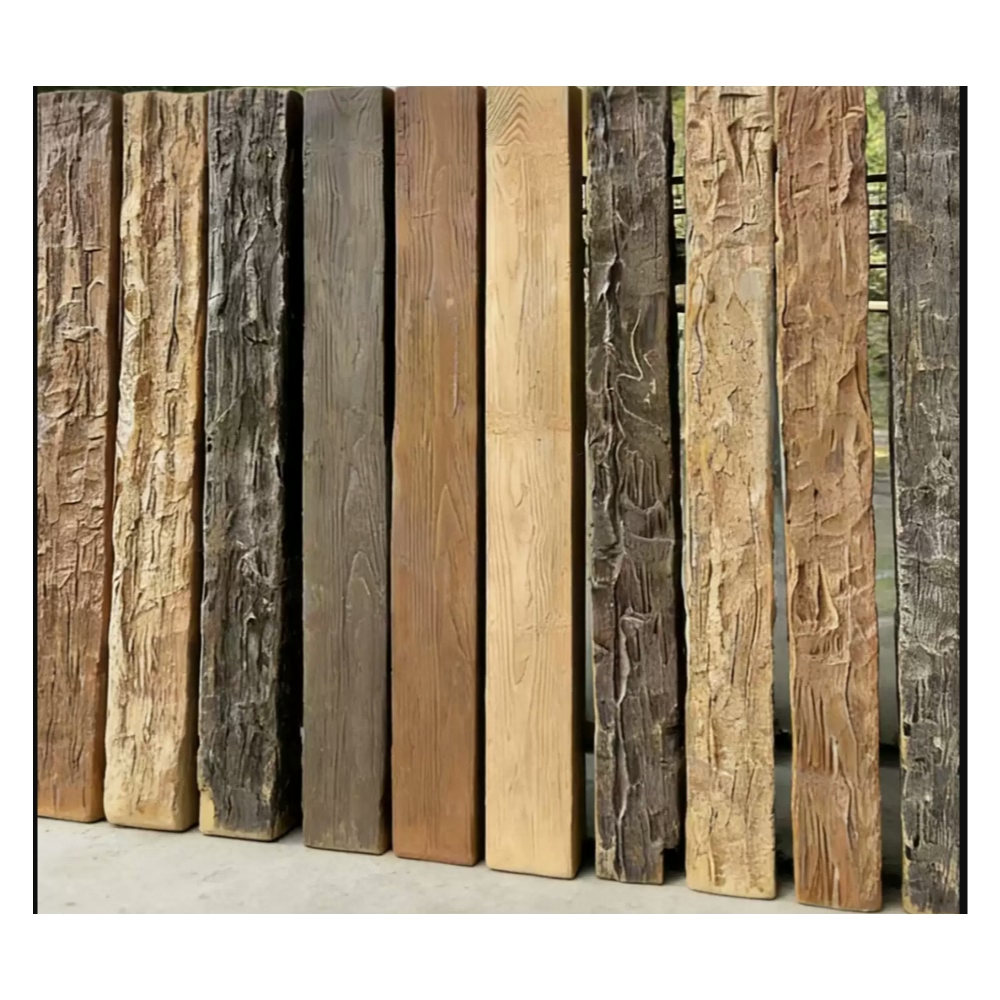
Textural authenticity characterized traditional Tuscan beams. Hand-hewn surfaces with visible tool marks, natural grain patterns, and occasional knots created surfaces that felt crafted rather than manufactured. These textures caught light in ways that added visual depth, making ceilings interesting rather than merely present.
Modern faux timber beams capture this traditional character through careful manufacturing. Authentic grain patterns, appropriate color tones, and textural details that mimic hand-hewn surfaces create beams indistinguishable from traditional timber at casual observation. The polyurethane material provides durability that real timber cannot match while maintaining the essential warmth and beauty that Tuscan interiors require.
Creating Authentic Tuscan Atmosphere
Authentic Tuscan atmosphere emerges from coordinated design choices that reinforce rather than compete with each other. Timber beams provide the overhead anchor; complementary elements complete the picture.
Wall treatments in Tuscan interiors typically feature warm plaster or rendered surfaces in colors drawn from the landscape. Ochre, terracotta, dusty rose, and warm cream create backgrounds that complement timber beams while providing the warmth that defines Tuscan spaces. Texture adds depth—consider venetian plaster, sand-finished surfaces, or lime wash that creates subtle visual interest.
Flooring throughout Tuscan spaces should reinforce natural material authenticity. Terracotta tiles in traditional hexagonal or rectangular formats provide classic Tuscan flooring. Alternatively, worn hardwood in warm tones complements beams overhead while providing the comfort that hard tile cannot. Area rugs in natural fibers—jute, sisal, wool—add softness underfoot without introducing materials foreign to Tuscan tradition.
Window treatments in Tuscan interiors tend toward simplicity—perhaps simple panels in natural linen that filter light while maintaining connection to outdoor views. Heavy draperies feel inappropriate for the casual elegance that Tuscan design embraces. shutters or simple wood blinds provide light control without adding formality.
Accessories should reflect Tuscan artisanal traditions. Ceramics in traditional forms and glazes—bottles, bowls, decorative vessels—add authentic character. Wrought iron in dark, burnished finishes provides essential contrast against warm wood and terracotta. Painted wooden furniture, iron bed frames, and woven textiles complete the picture.

Room-by-Room Tuscan Design
Tuscan principles adapt to different room functions while maintaining overall aesthetic coherence. Understanding these adaptations helps create whole-home Tuscan environments.
Tuscan living rooms should feel like gracious gathering spaces—grand enough for entertaining yet comfortable enough for family life. Generous beam coverage overhead establishes the Tuscan character immediately; terracotta or warm plaster walls provide inviting backgrounds. Arrange seating to face the beams or fireplace, creating natural focal points for gathering.
Dining rooms in Tuscan style host extended meals that might last hours. The warmth of timber beams overhead and terracotta floor below creates intimate atmosphere appropriate for lingering conversations. Consider a substantial wooden dining table—the centerpiece around which family and guests gather. Complementary light fixtures in wrought iron reinforce the Tuscan aesthetic.
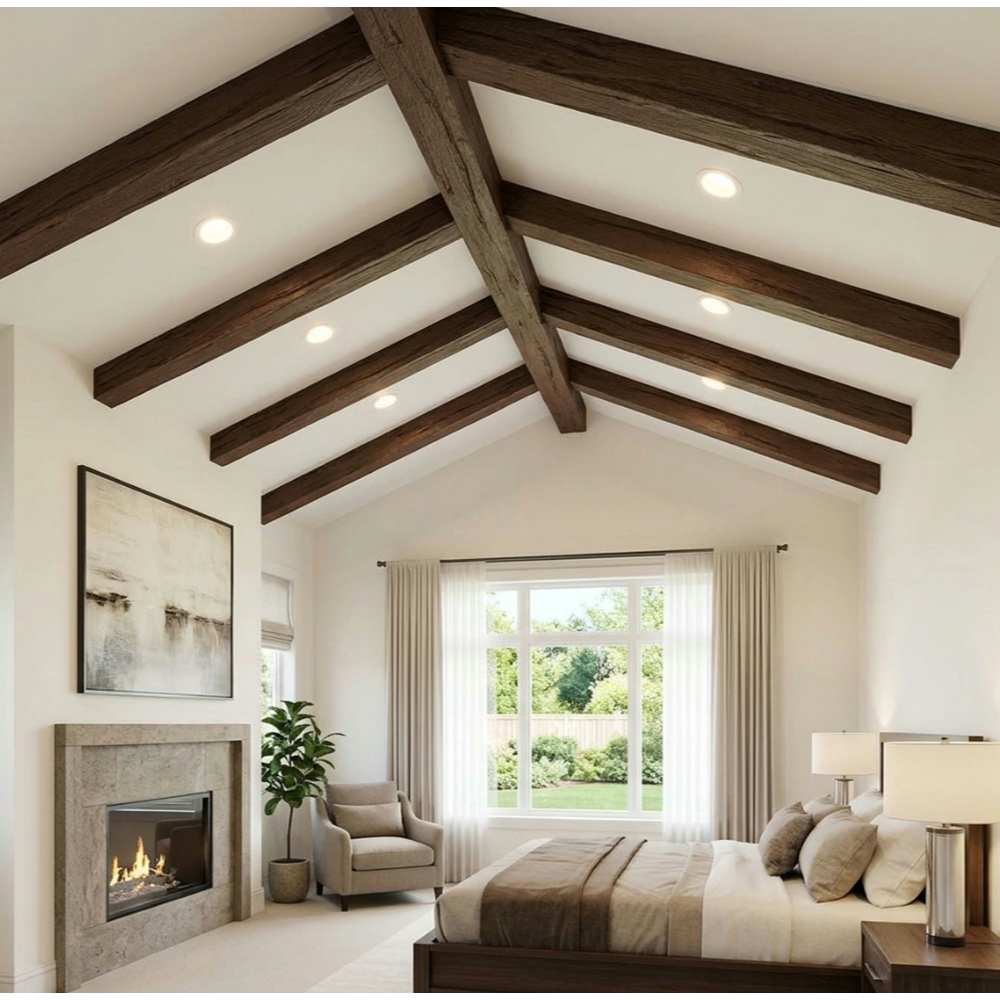
Bedrooms in Tuscan interiors should feel like private retreats that honor the restful purpose these spaces serve. Perhaps beams only above sleeping areas, or lighter beam treatment that provides warmth without visual weight. Keep walls in softer tones—cream, pale rose, light ochre—that support rest while maintaining warmth.
Kitchens in Tuscan tradition are warm, functional spaces where family life unfolds. Terracotta tile floors, warm plastered walls, and timber beams overhead create the authentic combination. Open shelving displays colorful ceramics; a large farmhouse sink and professional-style range provide practical function. The kitchen becomes the true heart of the Tuscan home.
The Tuscan Color Palette
Tuscan color palettes draw from the landscape, creating cohesive environments where every color reinforces the others.
Warm yellows and golds echo Tuscan sunlight, appearing in wall colors, fabrics, and decorative accessories. These cheerful tones pair beautifully with timber beams, creating spaces that feel perpetually sun-drenched regardless of actual weather.
Terracotta in various depths—from pale peach through traditional brick red to deep rust—provides essential warmth throughout Tuscan interiors. These earth tones ground spaces and connect them to the clay-rich Tuscan soil. Appearing in floor tiles, wall colors, and accent pieces, terracotta unifies rooms while providing visual interest.
Deep greens reminiscent of Tuscan olive groves appear in textiles, accessories, and occasional painted furniture. These cool accents provide necessary relief from dominant warm tones, preventing interiors from feeling monochromatic. Sage, olive, and forest green each contribute differently to the overall palette.
Wrought iron and aged bronze introduce dark, burnished metal tones that provide visual anchoring for warm colors. These metals appear in light fixtures, door hardware, furniture legs, and decorative accessories throughout Tuscan interiors.
Lighting Tuscan Spaces
Proper lighting reveals Tuscan design at its best, emphasizing the warmth and texture that define the style. Several considerations guide effective Tuscan lighting.
Natural light in Tuscan interiors should be welcomed rather than blocked. Deep window openings, simple treatments, and strategic orientation allow golden Mediterranean light to illuminate spaces. This natural light interacts with timber beams, creating warm highlights and soft shadows that enhance authenticity.
Artificial lighting should complement natural light's warmth. Bulbs in warm white or amber tones reinforce the Tuscan palette; avoid cool daylight bulbs that would create uncomfortable contrast. The goal is unified warmth throughout day and evening.
Wrought iron light fixtures appear throughout traditional Tuscan interiors—chandeliers over dining tables, pendant lights in kitchens, sconces in hallways and bedrooms. These handcrafted pieces provide essential visual weight and authenticity that mass-produced alternatives cannot match.
Candlelight adds the final layer of Tuscan warmth. In a style born before electric illumination, candles feel native rather than novelty. Display candles in iron holders, use candelabras on dining tables, and consider candle sconces that add ambient warmth throughout evening hours.
Tuscan Style in Non-Traditional Settings
Tuscan design need not require Tuscan architecture, Italian heritage, or large rural properties. The aesthetic adapts well to diverse settings when thoughtfully interpreted.
Urban apartments can embrace Tuscan warmth through material choices and color palettes. Warm wall colors, terracotta accent tiles, timber beam installations, and wrought iron accessories create Tuscan atmosphere regardless of architectural limitations. The key lies in authentic material selection rather than stylistic copying.
Contemporary homes can incorporate Tuscan elements without abandoning modern aesthetics. Clean-lined furniture in traditional materials—wood, leather, natural textiles—complements beam installations while maintaining contemporary comfort. The combination feels current while avoiding the sterile perfection that purely modern spaces risk.
Geographic adaptation may be necessary in climates very different from Tuscany. Northern regions with less abundant sunlight might favor lighter wall colors; humid climates require attention to material durability. These adaptations honor Tuscan principles while respecting local conditions.
Investment and Authenticity
Quality matters more in Tuscan interiors than in many other styles. The handmade character and natural material emphasis that define the aesthetic suffer when compromised by cheap imitations.
Invest in quality faux timber beams that capture authentic Tuscan character. Poor imitations—smooth plastic appearance, uniform coloring, obvious fakeness—undermine the entire design effort. The beams are too prominent to hide behind inferior quality.
Select accessories that reflect Tuscan artisanal traditions. Handcrafted ceramics, quality ironwork, and natural textiles create authenticity that mass production cannot replicate. These pieces may cost more but provide character that justifies investment.
Consider the long-term value of authentic Tuscan design. The timeless quality of this aesthetic ensures interiors remain appealing across decades, avoiding the dated appearance that trendy choices inevitably acquire. Your investment in authentic Tuscan warmth pays dividends that extend far beyond immediate satisfaction.
By creating Tuscan Mediterranean interiors with warm faux timber beams, homeowners bring the sun-drenched beauty of Italian countryside living into their everyday spaces. These environments offer the warmth, comfort, and artisanal character that makes Tuscan design enduringly appealing across centuries and continents.
Bring authentic Tuscan warmth into your home with our collection of Mediterranean-style faux timber beams. Contact us to discover how these beautiful ceiling treatments can transform your interiors into villa-inspired retreats.
Technical References
ASTM standards cited in every specification
Test Data
Lab results from internal testing program
Updated 2026
Reviewed against current product specs


