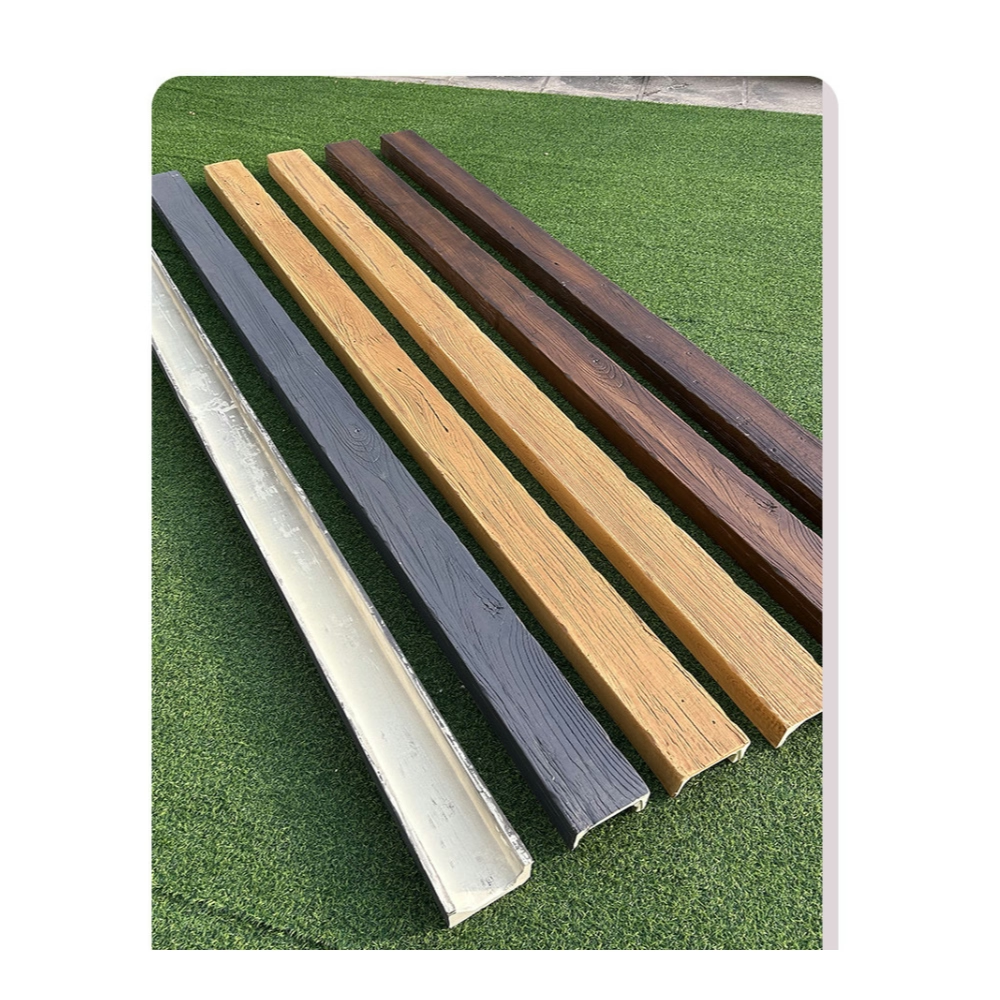
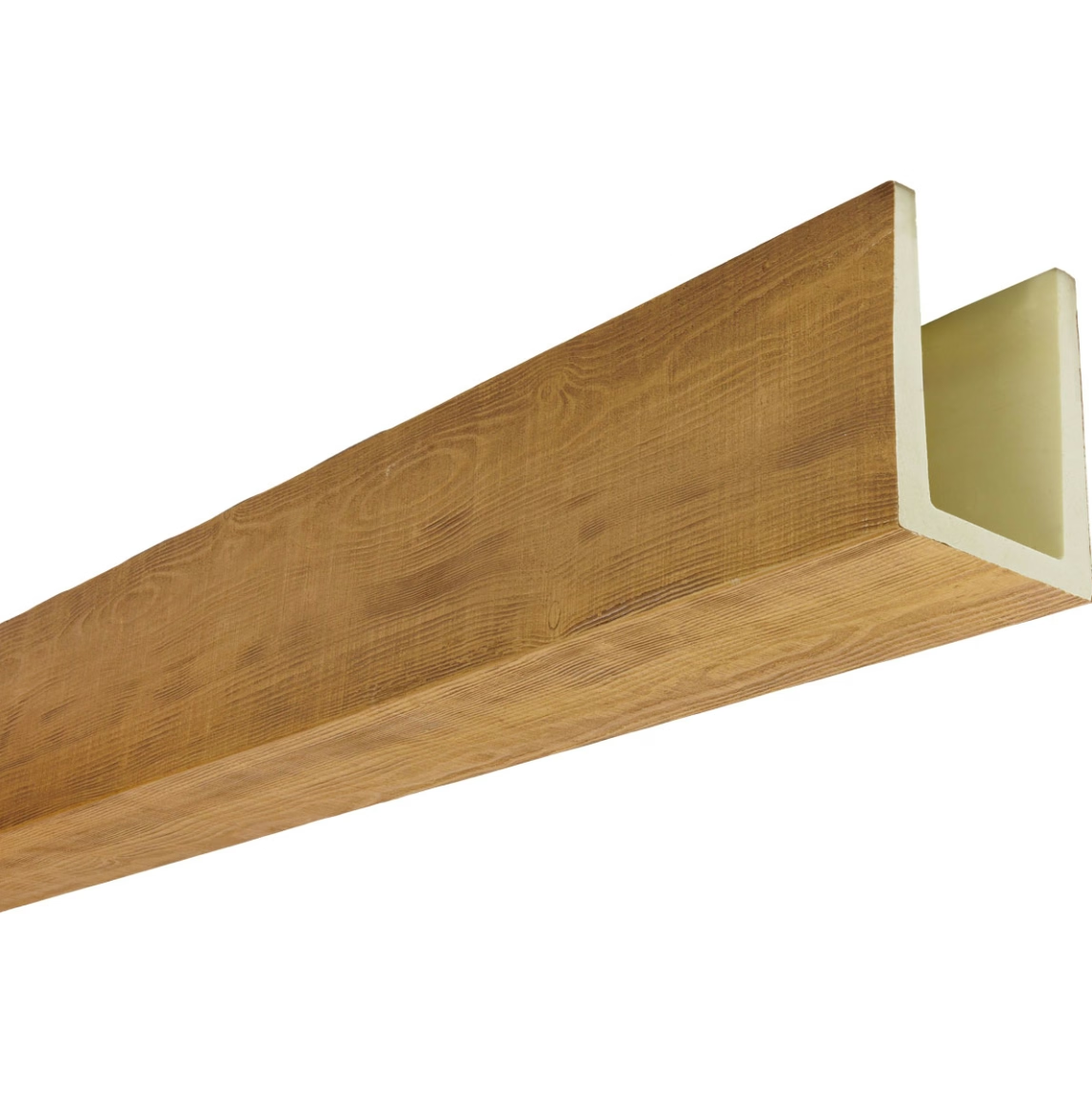
Lighting integration represents one of the most common challenges when incorporating decorative beams into interior designs. Homeowners and designers want the warmth of wood-look beams while maintaining functional lighting flexibility. U-shell faux wood beams with factory pre-cut openings for spotlight installation solve this challenge elegantly, combining aesthetic appeal with practical functionality.

Factory pre-cutting eliminates the most challenging aspect of lighting integration with decorative beams. Cutting holes in polyurethane requires appropriate tools and techniques that inexperienced installers may lack. More importantly, field cutting creates edge conditions that rarely match factory quality, leaving visible seams or rough edges that detract from the finished appearance. Pre-cut openings achieve consistent, professional results without specialized skills.
Pre-Cut Opening Specifications
Standard pre-cut openings accommodate common recessed lighting fixture sizes used in residential applications. Four-inch, five-inch, and six-inch diameter openings serve the majority of recessed lighting installations. The circular openings feature reinforced edges that prevent cracking around the cutout while providing clean surfaces for fixture trim installation.
Positioning options include center-mounted openings for single fixture installations and offset positions for beams running parallel to walls or other beams. Custom positioning accommodates specific lighting layouts that architectural designs require. Factory engineering ensures that structural integrity remains adequate around openings, preventing weakness that might cause cracking or failure.
Trim ring compatibility receives consideration during the pre-cut design process. Recessed light trims from major manufacturers fit standard opening sizes, eliminating the need for custom adapter rings or field modifications. This compatibility ensures that homeowners can select fixtures based on lighting performance rather than beam constraints.
Fixture Selection Considerations
Housing type selection affects how fixtures integrate with U-shell beam installations. Remodel housings with spring clips work well with existing beam installations where access above the ceiling is limited. New construction housings with mounting bars require coordination during beam installation if ceiling access is available. IC-rated housings that permit direct insulation contact are essential when beams span conditioned spaces.
LED fixture selection has become standard for most residential applications, and U-shell beam integration works particularly well with these light sources. LED recessed fixtures generate minimal heat compared to incandescent alternatives, reducing concerns about thermal effects on polyurethane materials. Long fixture lifespans also reduce maintenance access requirements that might complicate beam positioning.
Beam depth must accommodate fixture housing depth without creating visible gaps at ceiling level. Standard U-shell beam heights of six to eight inches accommodate most recessed fixture housings comfortably. Deeper beams or low-profile fixture selection addresses situations where standard combinations create clearance challenges.
Installation Approach
Rough-in coordination with electrical installation ensures proper fixture placement relative to beam positions. Electricians should understand beam locations before running wiring and installing rough-in housings. Coordinate marking of fixture locations relative to beam reference lines to ensure alignment when beams are installed.
Beam installation sequencing places fixtures after beam mounting when possible. Threading fixture wiring through pre-cut openings after beam installation avoids the awkward handling of fixtures during beam positioning. This approach also protects delicate fixture components from installation-related damage.
Trim installation follows beam mounting and completes the lighting integration. Trims press or clip into fixture housings through the pre-cut opening, creating clean transitions between fixture and beam surface. Select trims that complement the beam finish for coordinated appearance, or choose contrasting trims for deliberate visual contrast.

Design Applications
Kitchen lighting designs benefit significantly from beam and recessed lighting integration. Islands with overhead beam elements can incorporate task lighting that illuminates food preparation surfaces while adding visual interest. Recessed lights between beams provide ambient illumination without competing with beam aesthetics.
Living room configurations often combine exposed beams with strategically placed recessed lighting for layered illumination. Main seating areas receive direct light from fixtures positioned between beams, while beam surfaces create visual texture that adds warmth to the overall lighting scheme. Dimmer controls enhance flexibility for different activities and times of day.
Hallway and transition spaces with lower ceilings accommodate smaller U-shell beams with compact recessed fixtures effectively. The combination of beam texture and integrated lighting transforms utilitarian circulation spaces into more inviting environments. Consistent beam and lighting language throughout a home creates visual flow between different functional areas.
Maintenance and Access Considerations
Bulb replacement in recessed fixtures requires careful attention to access method. Fixtures with removable trims allow straightforward access from below without beam removal. Fixtures requiring complete housing access for maintenance present challenges when beams are mounted tightly. Fixture selection should consider maintenance accessibility alongside initial installation convenience.
Beam cleaning around pre-cut openings requires care that avoids damage to fixture trims or exposed wiring. Standard dusting and occasional damp cleaning work well for beam surfaces. Avoid excessive moisture near electrical components and ensure that cleaning materials do not leave residues on fixture surfaces.
Long-term durability of the beam-fixture interface depends on thermal management and vibration resistance. Quality installations maintain adequate clearance between fixture housings and beam interior to prevent heat accumulation. Select fixtures with vibration-dampening features if ceiling fans or HVAC vibrations might transfer through the mounting structure.
U-shell faux wood beams with pre-cut spotlight openings enable sophisticated ceiling designs that combine decorative warmth with functional illumination. Factory engineering ensures precise openings, quality edge conditions, and structural integrity that field cutting cannot match. These products make professional-quality lighting integration achievable across a wide range of residential applications.
Technical References
ASTM standards cited in every specification
Test Data
Lab results from internal testing program
Updated 2026
Reviewed against current product specs