The farmhouse aesthetic has transcended its rural origins to become one of the most influential design movements in contemporary interior design. What began as an appreciation for authentic rural character has evolved into a sophisticated design vocabulary that urban apartments, suburban homes, and commercial spaces all embrace. At the heart of this aesthetic lies the weathered character of aged timber, with barn wood providing the quintessential reference point for authenticity in rustic design.
The challenge for designers seeking authentic farmhouse character lies in the fundamental mismatch between supply and demand. The weathered barn wood that defines the aesthetic comes from buildings that are increasingly rare, many having been demolished or repurposed decades ago. The reclaimed timber that survives often carries prices that exceed project budgets, contains insect contamination or moisture damage, and presents availability challenges that frustrate design timelines. Polyurethane replicas have emerged as the practical solution that enables authentic farmhouse aesthetics without these compromises.
The Authentic Barn Wood Aesthetic
True barn wood character emerges from decades or centuries of exposure to sun, rain, wind, and temperature cycling. This weathering creates surface effects that cannot be replicated through artificial aging processes applied to fresh lumber. The silver-gray patina, checking patterns, and textured surfaces represent the cumulative result of environmental exposure that new materials have not experienced.
Color variation across reclaimed barn wood surfaces reflects the different exposures that various board faces experienced during service. South-facing surfaces that received more sun exposure differ from protected north faces, while roof-protected areas differ from those exposed to direct precipitation. This variation creates visual complexity that uniform artificial aging cannot achieve.
Knot patterns and grain character reflect the species and growing conditions of original timber. Oak, chestnut, and pine all appeared in historic barn construction, each contributing distinctive characteristics to the weathered appearance. The species mix also affects weathering patterns, with denser woods developing different surface characteristics than less dense alternatives.
Mechanical damage from agricultural use adds character that pure weathering does not create. The gouges left by equipment, the marks from livestock, and the wear patterns from human activity all contribute to barn wood authenticity. These human-use marks differentiate reclaimed barn wood from naturally weathered timber of equivalent age.
Manufacturing Authentic Replicas
Reference sample collection for barn wood replication requires access to quality examples of the authentic material. Manufacturers maintain libraries of reclaimed barn wood samples representing various species, weathering levels, and character grades. These samples undergo detailed analysis to identify the specific characteristics requiring replication.
Surface scanning captures weathering detail at resolutions that reveal every check, crack, and texture variation. The resulting digital files inform mold-making processes that preserve this detail for replication. Multiple scanning passes at different resolutions ensure that both gross and fine detail receive appropriate attention.
Mold-making for weathered surfaces presents challenges that smooth-surface molding does not encounter. The fragile nature of some weathered surfaces requires careful handling during mold production, while the loose material that sometimes adheres to authentic barn wood must be removed before scanning can proceed. These challenges increase production time and cost but enable the authentic results that justify the effort.
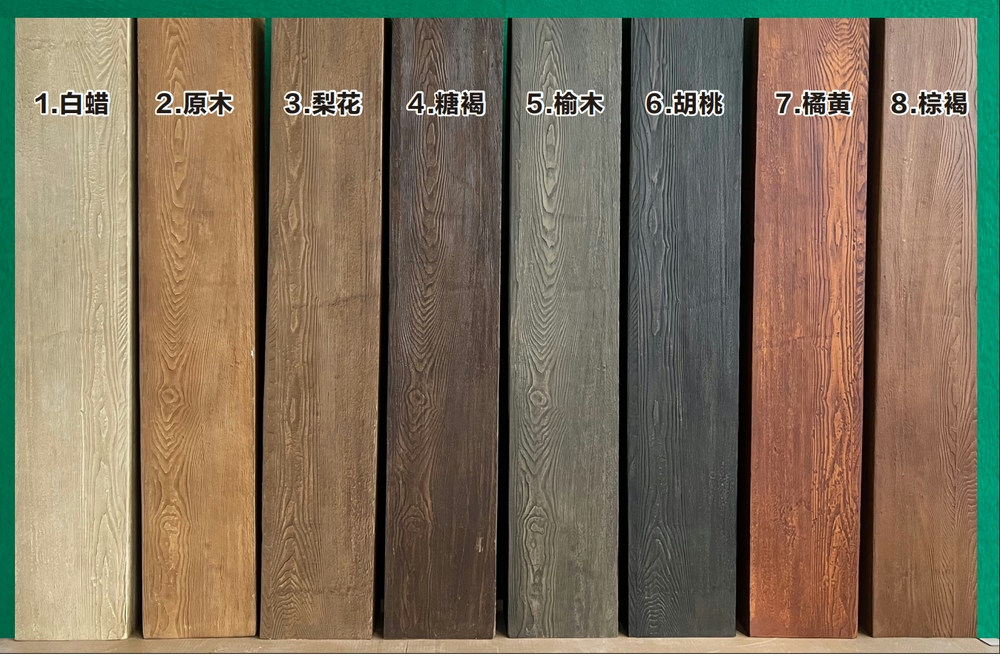
Coloring weathered surfaces requires understanding how environmental exposure has modified original wood colors. The progression from natural wood tones through various browns and grays to silver-gray represents distinct coloration stages that affect aesthetic impact differently. Manufacturers offer products at various weathering stages to accommodate different design intentions.

Design Applications in Farmhouse Interiors
Kitchen installations represent the most common application for barn wood replica beams, where the aesthetic warmth and rustic character complement the farmhouse kitchen vision. Ceiling beams above kitchen islands, range hood surrounds, and open shelving supports all benefit from the authentic weathered appearance. The kitchen environment's humidity variations and temperature cycling make polyurethane's stability advantages particularly valuable.
Great room and living room applications create dramatic focal points that define the farmhouse living aesthetic. Exposed beam ceilings in these high-visibility spaces establish design character that other elements then complement. The substantial visual presence of weathered beams anchors furniture groupings andarea rugs within the broader room composition.
Dining room installations provide visual warmth that enhances the gathering character appropriate for family dining. The connection between farmhouse dining and rustic agricultural aesthetics makes weathered beams particularly appropriate in these spaces. The beams also provide mounting opportunities for pendant fixtures that enhance dining atmosphere.
Master bedroom applications extend farmhouse character into private spaces, creating retreats that feel connected to the home's rustic aesthetic. Lower ceiling heights in bedroom applications often favor more restrained beam sizing, with the rustic character coming from surface treatment rather than dramatic proportions.
Species Considerations for Barn Wood Replication
Oak barn wood provides the most common reference for premium barn wood replication, given its prevalence in historic construction throughout much of the country. The combination of prominent grain patterns, significant weight, and excellent weathering characteristics made oak the preferred species for substantial barn construction. Oak barn wood replicas typically present dramatic grain patterns alongside substantial weathering character.
Chestnut, once abundant in eastern forests before blight eliminated mature specimens, appears in barns built before the early twentieth century. Authentic chestnut barn wood has become extremely rare, making replica products particularly valuable for projects seeking this character. The distinctive chestnut grain and color characteristics distinguish these replicas from other species options.
Pine barn wood typically shows more dramatic weathering than hardwood species due to its lower density and higher porosity. The accelerated weathering that pine experiences creates surface textures and color variations that differ from hardwood barn wood. These characteristics make pine replicas appropriate for applications seeking particularly rustic character.
Mixed species barn wood, reflecting the practical economics of historic farm construction, combines characteristics of multiple species in single installations. This variety adds visual interest that single-species alternatives cannot provide. Replica products can replicate this mixed-species appearance through careful reference sampling from authentic mixed barn wood examples.
Integration with Contemporary Farmhouse Design
Open shelving complements barn wood beam installations by extending the rustic aesthetic throughout kitchen and living spaces. The combination of weathered beams and open shelving creates layered rustic character that feels authentic rather than staged. Shelf bracket design should coordinate with beam character for cohesive overall appearance.
Metal accent integration balances rustic wood character with industrial elements that contemporary farmhouse design often incorporates. The combination of weathered wood and black iron, aged brass, or hammered copper creates material diversity that enhances visual interest. Beam mounting hardware, corbels, and decorative elements provide opportunities for metal accent introduction.
Natural fiber textiles including linen, cotton, and wool complement rustic wood character without competing for visual attention. The organic qualities of these materials reinforce the natural aesthetic that barn wood represents. Color selection should consider the gray-brown palette that weathered wood establishes.
Modern fixture integration ensures that farmhouse aesthetics do not feel stuck in historical reproduction. Contemporary lighting fixtures, cabinet hardware, and plumbing accessories should complement rather than clash with rustic beam installations. The goal is creating spaces that feel current while honoring the traditional character that barn wood aesthetics represent.
Maintenance and Longevity
The durability advantages of polyurethane over authentic barn wood prove particularly significant in demanding applications. Bathroom installations that would require vigilant moisture management with authentic timber accept polyurethane with minimal concern. Kitchen installations subject to cooking residue and humidity cycling perform reliably without the refinishing that authentic barn wood might require.
Cleaning protocols for barn wood replica beams should avoid the harsh treatment that authentic barn wood might tolerate. The factory-applied finishes that protect replica surfaces can be damaged by aggressive cleaning, while gentle maintenance preserves appearance indefinitely. Soft cloths, mild soap solutions, and routine dusting maintain appearance without risk.
UV stability ensures that replica products maintain their weathered appearance without the continued graying that authentic barn wood undergoes. This stability provides consistent appearance that authentic barn wood cannot match, as the natural weathering process continues throughout service life. The maintained appearance may feel artificial to some observers, though others appreciate the consistency.
The extended service life of quality polyurethane products ensures that farmhouse aesthetics persist throughout the building's occupation without replacement. This longevity represents significant advantage over authentic barn wood, which might require replacement after moisture damage or physical degradation. The initial investment in quality products pays dividends through decades of maintenance-free service.
Budget Considerations and Value Assessment
Authentic barn wood pricing reflects scarcity, handling complexity, and processing requirements that replica products do not share. The per-board-foot cost of quality reclaimed barn wood often exceeds what budget-conscious projects can accommodate, making replicas the practical choice for most applications. The authentic material's pricing also fluctuates based on availability, creating budget uncertainty that fixed-price replica alternatives avoid.
Installation cost comparison often favors replicas despite potentially higher material prices. Authentic barn wood requires specialized handling, treatment for insect concerns, and often custom fabrication for proper fitting. Polyurethane replicas install with standard tools and techniques, reducing labor costs significantly compared to authentic material installation.
Total project cost analysis should account for ongoing maintenance requirements that differ between authentic and replica materials. The refinishing, repair, and replacement that authentic barn wood may require over its service life add to lifetime cost that replica products avoid. Lifecycle cost analysis typically favors quality replicas in most applications.
Resale value considerations affect homeowner decisions in competitive real estate markets. The aesthetic enhancement that barn wood beams provide adds perceivable value regardless of whether authentic or replica materials were used. Homebuyers appreciate the farmhouse character these installations create without necessarily caring about material composition.
Customization and Special Requirements
Custom weathering levels enable designers to specify exactly the aged character their projects require. Some applications benefit from early-stage weathering with brown tones still visible, while others require fully silver-gray patina development. Manufacturers who offer graduated weathering options enable precise specification that matches design intentions exactly.
Non-standard sizing accommodates architectural requirements that standard products cannot meet. Custom length, width, and thickness options enable installations that standard catalog products would not accommodate. Extended lead times and premium pricing typically accompany custom specifications, with the additional cost justified by the improved fit and appearance.
Species substitution enables achievement of aesthetic goals using available materials. When reference species are unavailable or impractical, manufacturers can recommend alternatives that approximate desired characteristics. This flexibility prevents project delays that species-unavailability might otherwise cause.
Finish customization extends beyond standard offerings to meet specific design requirements. Custom color matching, specialty finishes, and unusual surface treatments all expand the range of achievable aesthetics. These customization capabilities distinguish premium manufacturers from catalog-only competitors.

Technical References
ASTM standards cited in every specification
Test Data
Lab results from internal testing program
Updated 2026
Reviewed against current product specs


