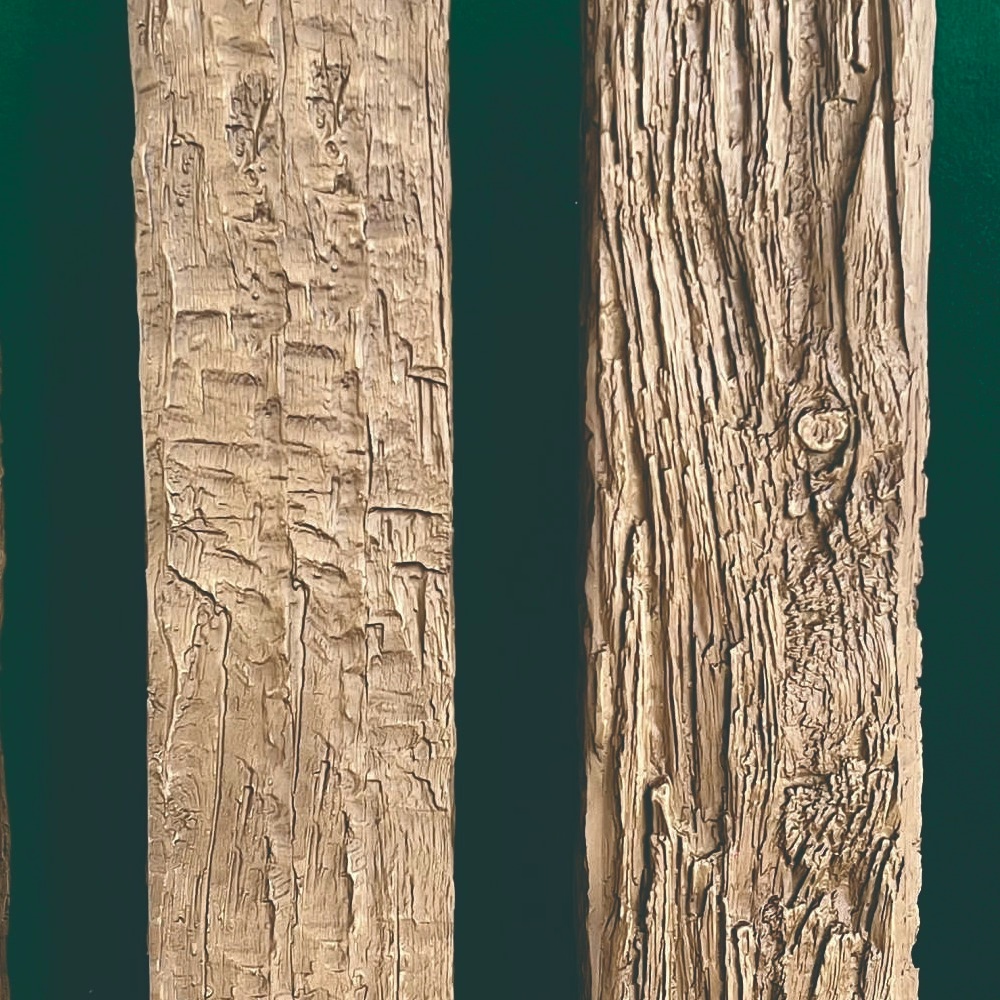
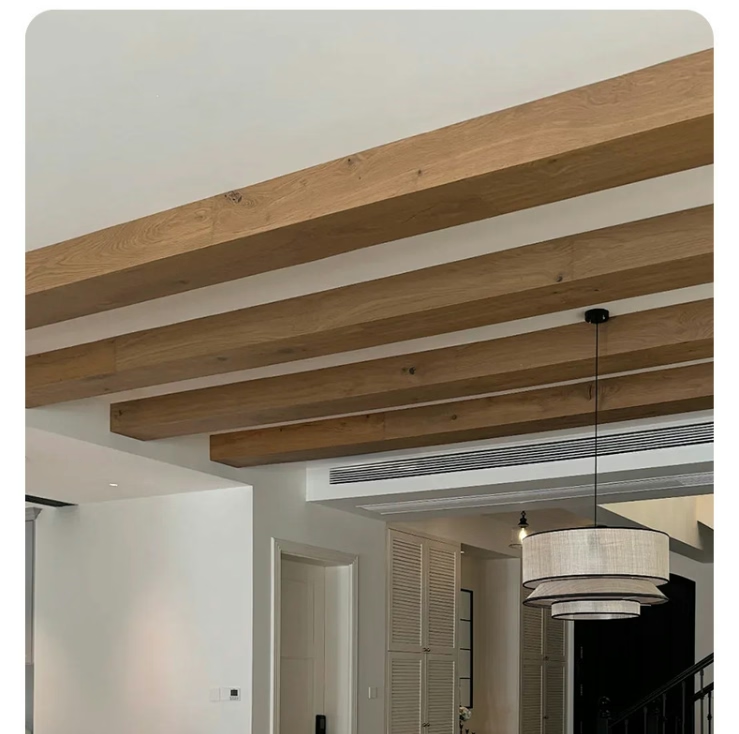
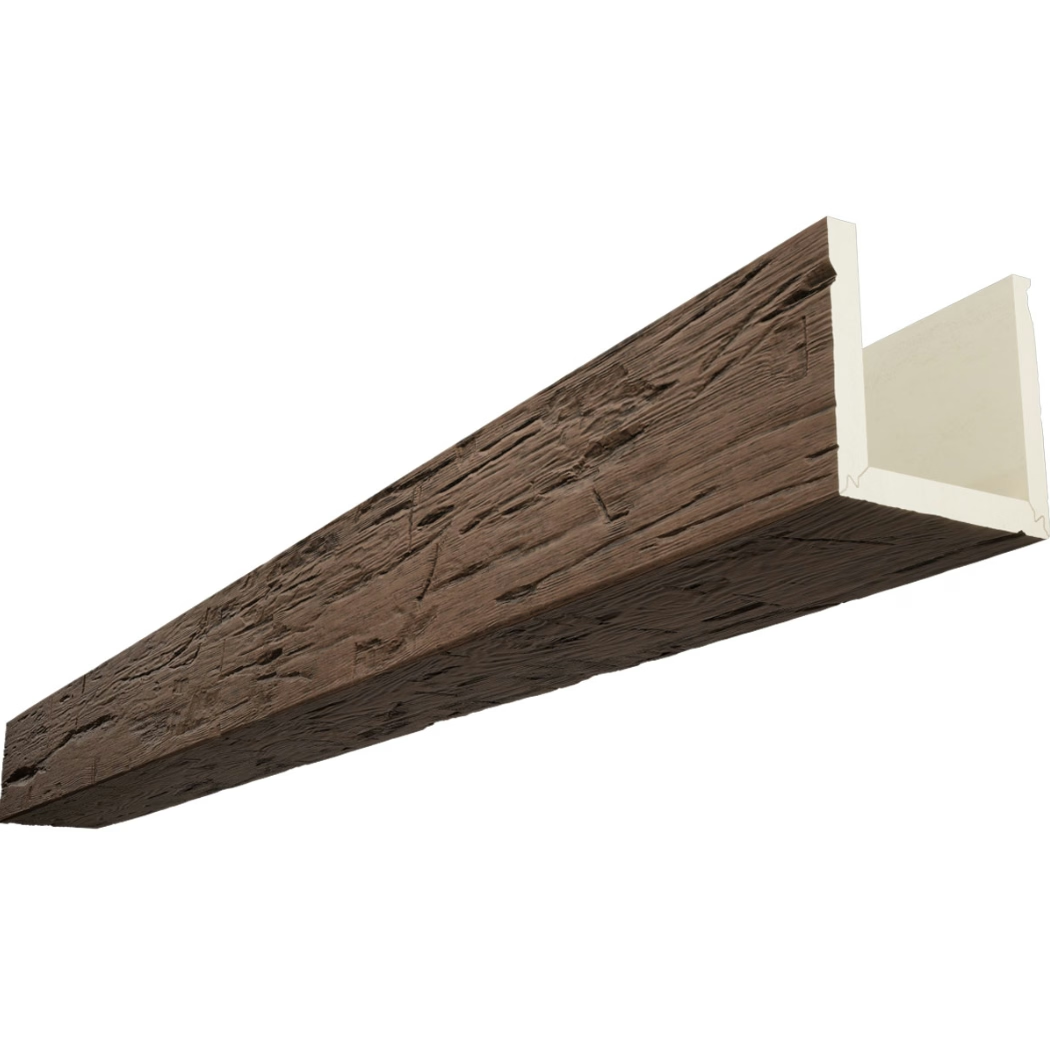
The boundary between interior and exterior design has blurred as outdoor living spaces have become extensions of indoor living areas. Covered patios, screened porches, and outdoor rooms now receive the same design attention as interior spaces, creating demand for exterior-rated materials that can withstand environmental exposure while maintaining aesthetic quality. Weatherproof polyurethane beams have emerged as the solution that enables authentic timber aesthetics in these challenging applications.
The Peterson resort property demonstrates weatherproof beam performance in demanding hospitality applications. Their covered poolside bar and dining area features exposed beam ceilings that receive direct spray from pool activity, humidity from the aquatic environment, and temperature extremes that interior spaces never experience. Three seasons of service have produced no degradation, validating the specification that chose weatherproof polyurethane over natural timber alternatives.
Environmental Challenges in Exterior Applications
Moisture exposure represents the primary challenge for exterior beam materials, with both direct precipitation and ambient humidity affecting performance. Natural wood absorbs moisture readily, leading to dimensional changes, biological degradation, and eventually structural failure. Polyurethane's closed-cell structure resists moisture absorption entirely, maintaining dimensional stability regardless of environmental humidity.
Temperature cycling creates stress that challenges material integrity over time. The freeze-thaw cycles that occur in seasonal climates cause expansion and contraction that can crack or delaminate less durable materials. Quality polyurethane formulations accommodate these temperature variations without damage, maintaining appearance and structural integrity through years of seasonal cycling.
UV radiation affects both surface appearance and material properties in exterior applications. Sun exposure degrades many materials, causing color change, surface chalking, and eventual structural compromise. Weatherproof polyurethane formulations incorporate UV inhibitors that resist this degradation, maintaining original appearance despite extended sun exposure.
Biological exposure including insects, mold, and decay organisms affects natural materials in exterior applications. Termites, carpenter ants, and wood-boring beetles attack authentic timber readily, while mold and decay fungi degrade wood fiber. Polyurethane's synthetic composition resists all these biological agents, eliminating the pest concerns that affect natural timber.
Weatherproof Formulation Technology
Cross-link density in polyurethane polymers affects moisture resistance significantly, with higher cross-linking creating tighter molecular structure that resists water penetration. Formulation optimization balances cross-link density against other properties like flexibility and impact resistance. Weatherproof products prioritize moisture resistance while maintaining adequate toughness.
UV stabilizer additives protect polymer chains from degradation that UV radiation causes. These additives absorb or scatter UV energy before it can damage the underlying polymer structure. The loading levels and stabilizer types require optimization for specific application conditions, with exterior products containing higher stabilizer levels than interior formulations.
Impact modifiers improve toughness that temperature extremes might otherwise compromise. The balance between hardness for scratch resistance and flexibility for impact resistance requires careful formulation. Weatherproof products often incorporate impact modifiers that maintain performance across the full temperature range that exterior applications present.
Closed-cell foam structures provide inherent moisture resistance that solid materials cannot match. The air pockets within cellular foam prevent moisture transmission even if surface coatings are damaged. This structural moisture resistance provides protection that coating-based approaches cannot match.
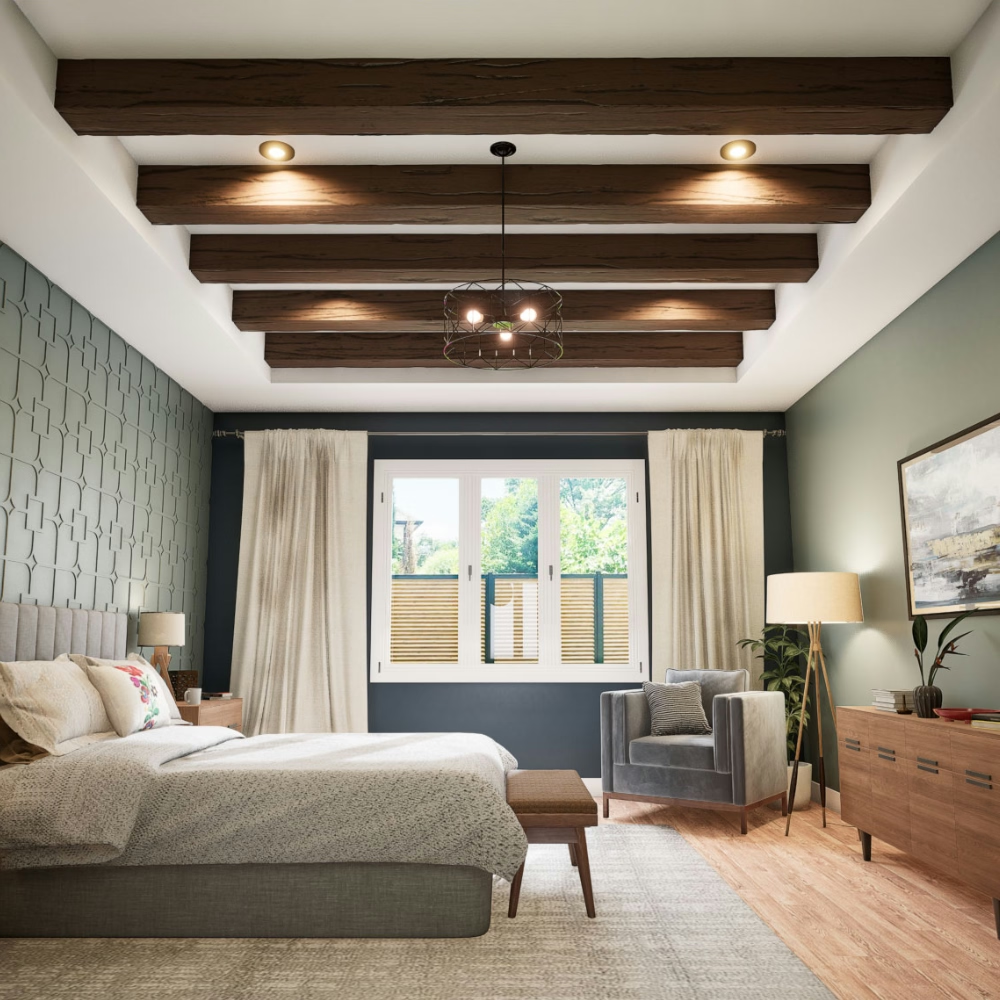
Covered Versus Exposed Applications
Covered applications including porches, patios, and overhangs receive protection from direct precipitation while still experiencing elevated humidity and temperature variation. These applications typically present less demanding conditions than fully exposed installations, often qualifying for standard exterior-grade products rather than premium weatherproof formulations.
Sheltered installations under roof overhangs, tree canopy, or building shadows experience reduced UV exposure compared to fully exposed locations. The protection from direct sun extends the service life of UV-sensitive materials while reducing temperature extremes. Specification can often be less aggressive for these protected locations.
Fully exposed installations on building exteriors, pergolas, and other unsheltered locations face the full range of environmental challenges. These demanding applications require the most robust weatherproof formulations, with specification guidance from manufacturers essential for successful outcomes. The elevated cost of premium products is justified by the extended service life they provide.
Seasonal exposure in vacation properties or climates with pronounced seasons creates unique challenges that continuous exposure does not present. The cycling between use and vacancy, heating and cooling, and wet and dry seasons stresses materials differently than stable conditions. Weatherproof specification for these applications should account for the cumulative effects of seasonal variation.

Installation for Exterior Performance
Ventilation design affects exterior beam performance significantly, with airflow that promotes drying preventing moisture accumulation. Enclosed spaces that trap humidity create conditions that challenge even weatherproof materials. Professional installation includes ventilation assessment that ensures adequate air circulation.
Attachment hardware selection must account for corrosion risk that exterior exposure creates. Stainless steel, hot-dipped galvanized, and other corrosion-resistant fasteners prevent the staining and structural compromise that standard hardware would experience. The marginal cost of corrosion-resistant hardware prevents the significant problems that rust would cause.
Drainage detail ensures that water does not accumulate around beam installations or adjacent construction. Proper slope, flashing, and clearance prevent the water pooling that might challenge even weatherproof materials. These details may be invisible in completed installations but provide critical protection.
Sealing and caulking at all joints and transitions prevents water intrusion that might affect underlying construction. The visible beam installation protects the larger investment in building structure, making proper sealing essential for overall building performance. Quality installers treat these details with the same attention they give to visible surfaces.
Maintenance Requirements for Exterior Beams
Seasonal inspection identifies developing issues before they become serious problems. Spring inspection after winter weather reveals any damage that freeze-thaw cycles might have caused, while fall inspection prepares installations for approaching winter conditions. This regular attention enables simple remediation that prevents complex repair.
Cleaning protocols for exterior beams address the biological growth, dirt accumulation, and environmental staining that outdoor exposure creates. Pressure washing, chemical treatment, and specialized cleaners all have appropriate applications depending on contamination type. Manufacturer guidance on approved cleaning methods prevents damage from incompatible treatments.
Touch-up and repair procedures address damage that inspection reveals or events create. The availability of matching repair materials affects how successfully damage can be addressed. Quality manufacturers provide repair kits that enable field touch-up matching factory finish quality.
Refinishing protocols for beams showing UV degradation restore appearance that might otherwise decline. The ability to sand, prime, and refinish weatherproof beams extends their service life significantly compared to products lacking this capability. Professional refinishing services provide appearance restoration that homeowner efforts might not achieve.
Design Applications and Aesthetics
Outdoor room design extends interior aesthetics to covered exterior spaces through beam specification that coordinates with interior treatments. The visual continuity between interior and exterior spaces increases perceived living area while creating design flow throughout properties. Matching beam specifications for interior and exterior creates this continuity.
Rustic cabin and lodge applications often feature authentic timber aesthetics that weatherproof beams enable in challenging environments. The mountain retreat character that reclaimed timber establishes can now extend to covered decks, screened porches, and outdoor living areas. This expansion of rustic aesthetics creates memorable vacation properties and primary residences alike.
Contemporary outdoor design incorporates beam elements that provide visual warmth in otherwise minimal spaces. The contrast between wood appearance and modern materials creates the material diversity that contemporary aesthetics value. Weatherproof beams enable this design approach in spaces that natural timber could not survive.
Commercial hospitality applications including hotel patios, restaurant terraces, and resort outdoor dining require durability that commercial use demands. Weatherproof specification ensures that these high-visibility installations maintain appearance despite demanding conditions and elevated traffic levels. The investment in quality products protects the significant design investment that commercial spaces represent.
Cost Considerations for Weatherproof Products
Initial cost for weatherproof formulations exceeds standard interior products, reflecting the enhanced performance that exterior applications require. The formulation complexity, UV stabilizer loading, and testing requirements all contribute to higher production costs. However, the initial premium often proves justified through extended service life and reduced maintenance.
Lifecycle cost analysis should account for the reduced maintenance and extended replacement intervals that weatherproof products provide. The total cost of ownership over building service life often favors quality weatherproof products despite higher initial cost. This lifecycle perspective reveals the economy of premium specification.
Warranty coverage often distinguishes weatherproof from standard products, with manufacturers willing to extend warranty periods for products meeting exterior performance requirements. The warranty terms should factor into specification decisions, with longer coverage suggesting greater manufacturer confidence.
Replacement planning acknowledges that even weatherproof products eventually require replacement. The extended service life that quality products provide delays this replacement while still eventually requiring renewal. Planning for eventual replacement enables budget allocation that prevents the disruption that unplanned replacement causes.
Future Developments in Weatherproof Technology
Bio-based polyurethane development responds to sustainability pressures while potentially offering performance improvements. Plant-derived feedstocks sometimes provide moisture resistance and UV stability that petroleum alternatives cannot match. These developments may enable products with improved environmental profiles without sacrificing weatherproof performance.
Self-cleaning surface technologies could reduce maintenance requirements for exterior applications. Photocatalytic coatings, hydrophobic surfaces, and other emerging technologies might enable beams that clean themselves through rain exposure or resist contamination. These technologies remain developmental but suggest future product evolution.
Enhanced UV stabilization continues improving as additive technologies advance. The next generation of UV inhibitors may provide protection exceeding current capabilities while reducing additive loading requirements. These improvements will further extend the service life of weatherproof products in demanding applications.
Smart monitoring systems that detect developing problems before visible degradation appears could transform maintenance practices. Embedded sensors, connected monitoring, and predictive analytics might enable maintenance that prevents failure rather than responding to it. These technologies remain largely conceptual but suggest future maintenance evolution.

Technical References
ASTM standards cited in every specification
Test Data
Lab results from internal testing program
Updated 2026
Reviewed against current product specs