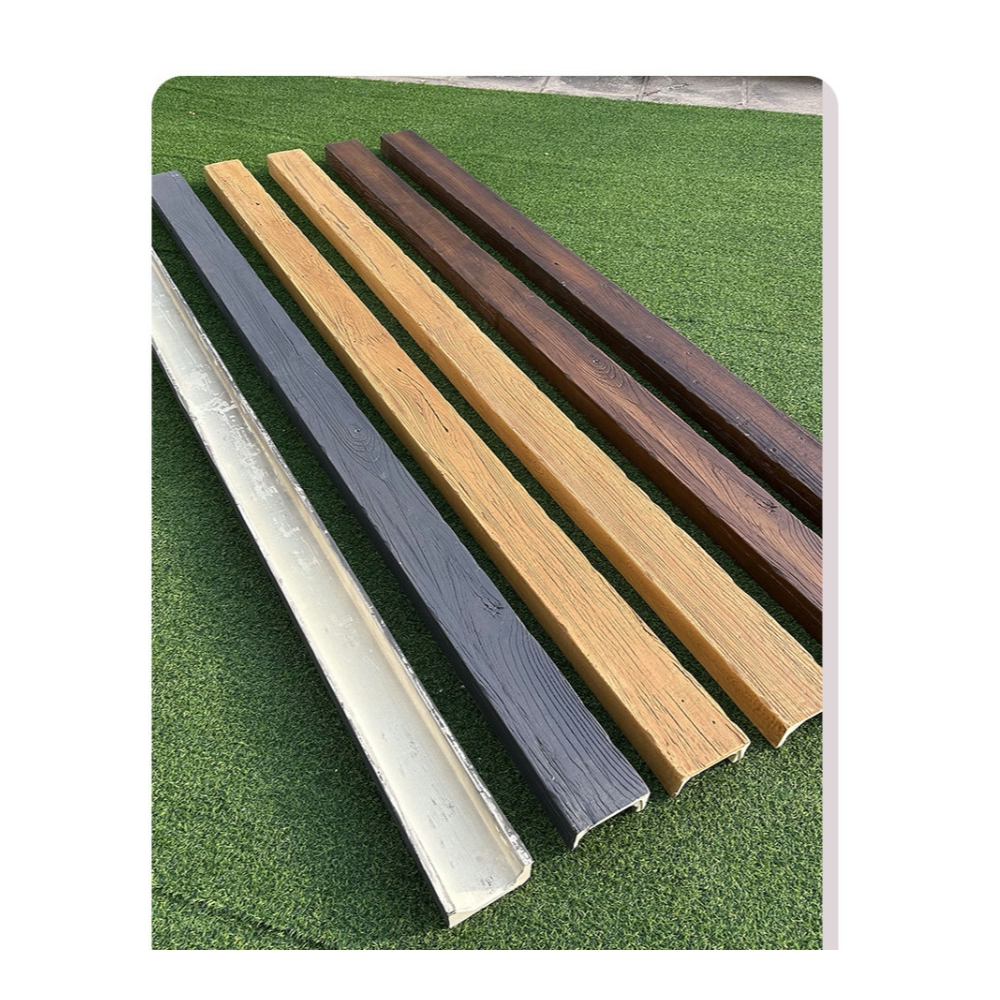
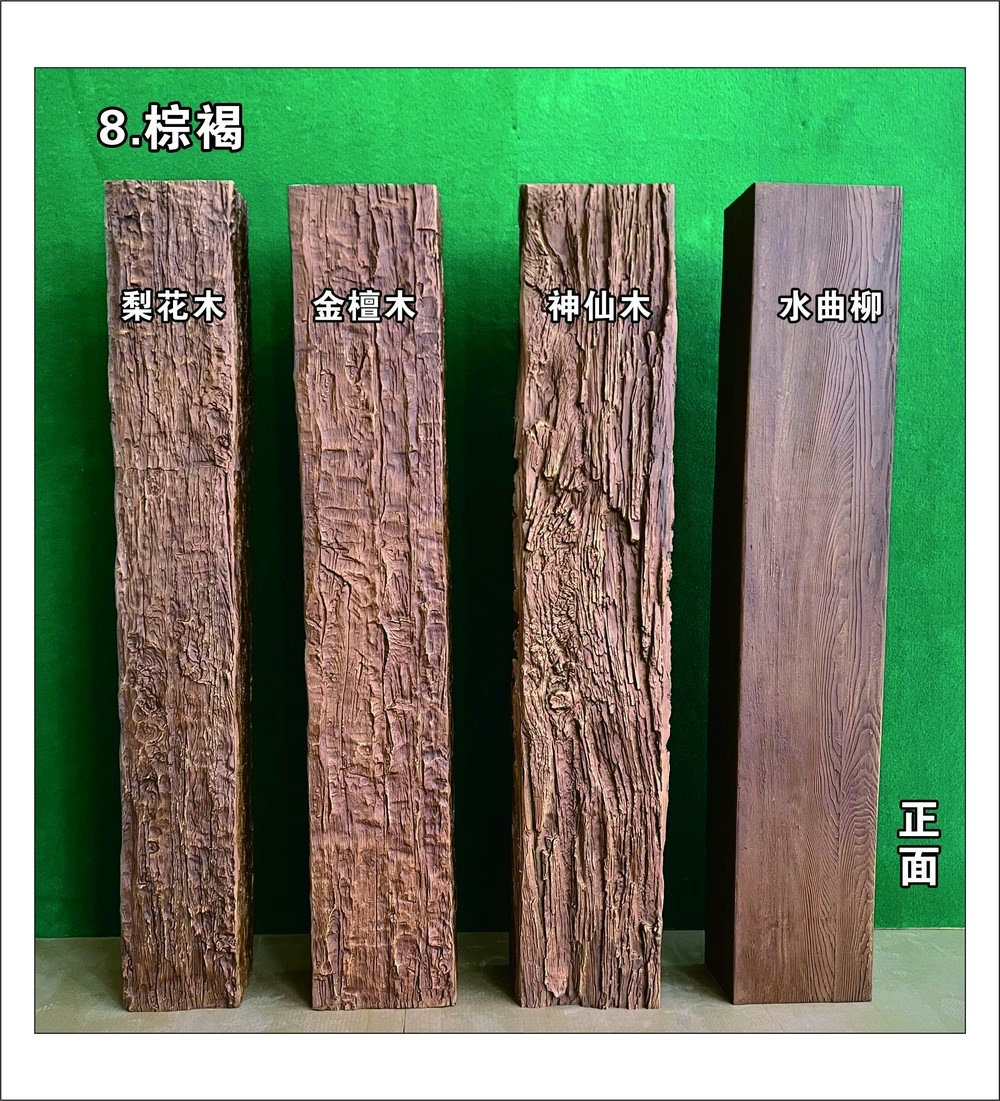
When Mark Thompson's renovation crew first worked with polyurethane ceiling beams on a high-end residential project in Austin, they couldn't believe the difference. What used to take four workers and specialized lifting equipment now requires two people and basic hand tools. This transformation in installation efficiency represents one of the most compelling advantages of modern PU faux wood products.
The mathematics behind lightweight ceiling beams speaks for itself. Natural solid oak beams of the same dimensions can weigh anywhere from 15 to 25 pounds per linear foot. A standard 10-foot decorative beam in genuine timber could exceed 200 pounds, demanding structural support calculations, permits for ceiling modifications, and hours of physical labor. Compare this to polyurethane alternatives weighing just 2 to 4 pounds per linear foot, and the efficiency gains become immediately apparent.
Understanding the Weight Advantage in Real Projects
Contractors who specialize in commercial interiors have embraced lightweight PU beams for entirely practical reasons. Office renovation timelines rarely accommodate the week-long ceiling work that heavy timber installations demand. A restaurant in Denver recently completed a mountain lodge-themed expansion using polyurethane beams throughout the main dining area. The entire installation took three days rather than the estimated two weeks with traditional materials, allowing the establishment to open ahead of schedule and minimize revenue loss from construction delays.
The weight reduction also eliminates a category of structural concerns that plague authentic timber installations. Building codes in many jurisdictions require engineering assessments for ceiling loads exceeding specific thresholds. Homeowners associations frequently reject applications for decorative ceiling features when real wood would add significant stress to existing structures. Polyurethane beams sidestep these obstacles entirely, opening possibilities for architectural enhancement in properties where traditional materials simply aren't viable.
Interior designers working in historic preservation have discovered another application niche. Victorian-era homes with delicate plaster ceilings cannot support the weight of genuine reclaimed beams, yet property owners frequently desire the aesthetic character that timber details provide. Lightweight PU products make these historically sensitive renovations possible, adding warmth and authenticity without compromising structural integrity.

Practical Installation Techniques for Professional Results
Successful beam installation begins with proper surface preparation, regardless of the material being used. For polyurethane products, the installation process offers several workflow advantages that skilled tradespeople quickly learn to exploit. The material accepts standard wood screws without predrilling in most applications, and the consistent density means predictable holding strength across the entire surface area.
Mounting methods vary based on application requirements and aesthetic goals. Surface-mounted installations using decorative brackets and corbels create the appearance of structural beams without any ceiling modification. This approach works particularly well in spaces where ceiling access is limited or where occupants want the option to remove the beams later without residual damage.
For more permanent installations, adhesive mounting combined with mechanical fasteners provides exceptional stability. Construction-grade adhesive applied to clean, dry surfaces creates a bond that supplements the mechanical connection, distributing loads evenly and preventing the squeaking that sometimes develops with wooden beams over time. The polyurethane material's slight flexibility actually absorbs minor structural movements, reducing stress on the adhesive bond.
Faux beam installation around existing ceiling fixtures requires careful planning but follows straightforward principles. Professional installers typically work from detailed measurements, cutting access holes for light fixtures and ceiling fans before positioning the beam. The material saws cleanly with standard woodworking tools, producing edges that accept paint or stain for seamless blending.
Maintenance and Long-Term Performance Considerations
Once installed, polyurethane ceiling beams require virtually no ongoing maintenance beyond routine cleaning. The material resists moisture absorption, preventing the warping, splitting, and rot that affect natural wood in humid environments. Bathrooms, kitchens, and covered outdoor spaces where genuine timber would deteriorate quickly remain viable applications for polyurethane products.
Cleaning procedures are refreshingly simple compared to authentic wood. A soft cloth dampened with mild soap solution removes dust and accumulated cooking residue without risking surface damage. Unlike painted wood beams that require touch-ups when finishes chip or fade, polyurethane products maintain their appearance through years of use without refinishing.
Property managers overseeing commercial spaces appreciate the consistency of appearance over time. Natural wood beams darken unevenly when exposed to sunlight, developing the distinctive patina that appeals to some property owners but frustrates others seeking predictable aesthetics. Polyurethane products resist UV degradation, maintaining their original color and finish throughout their service life.
The durability equation extends to damage resistance as well. Natural wood beams can crack when struck by furniture during rearrangements or suffer surface damage from pet claws and children's activities. Polyurethane's slightly yielding surface absorbs impacts without visible damage, and any scratches that do occur can be repaired with fine sandpaper and touch-up finish.
Cost Analysis Beyond Initial Purchase Price
Evaluating the true cost of ceiling beam installation requires looking beyond the material price per linear foot. Labor costs for heavy timber installation include not just the installation crew but often specialized equipment rental, structural engineering consultations, and building permit fees. These ancillary expenses frequently exceed the cost of the beams themselves.
Lightweight polyurethane products compress these secondary costs dramatically. Two workers can handle installation without equipment beyond standard hand tools. No structural engineering assessment is required for the weight considerations that plague authentic timber. Many jurisdictions don't even require permits for installing decorative elements that add negligible load to ceiling structures.
The timeline savings translate directly to financial benefits for commercial projects. Every day of construction delays represents revenue loss for retail spaces, rental income deferred for residential properties, and extended overhead costs for office environments. Compressing a two-week timber installation into three days of polyurethane work produces meaningful ROI for property owners focused on the complete financial picture.
Design Versatility and Aesthetic Applications
The lightweight nature of polyurethane beams enables design possibilities that would be impractical or impossible with authentic timber. Vaulted ceilings in Mediterranean-style homes, for example, often feature dramatic exposed beam configurations that would impose prohibitive loads if executed in solid wood. Polyurethane alternatives allow architects and designers to specify ambitious ceiling treatments without engineering complications.
Curved beam installations represent another frontier that lightweight materials make accessible. Traditional timber requires steam bending or complex joinery to create curved elements, and the results remain inherently limited by wood's structural properties. Polyurethane can be molded into compound curves and organic shapes during manufacturing, then installed as a single piece that would require weeks of custom craftsmanship in natural material.
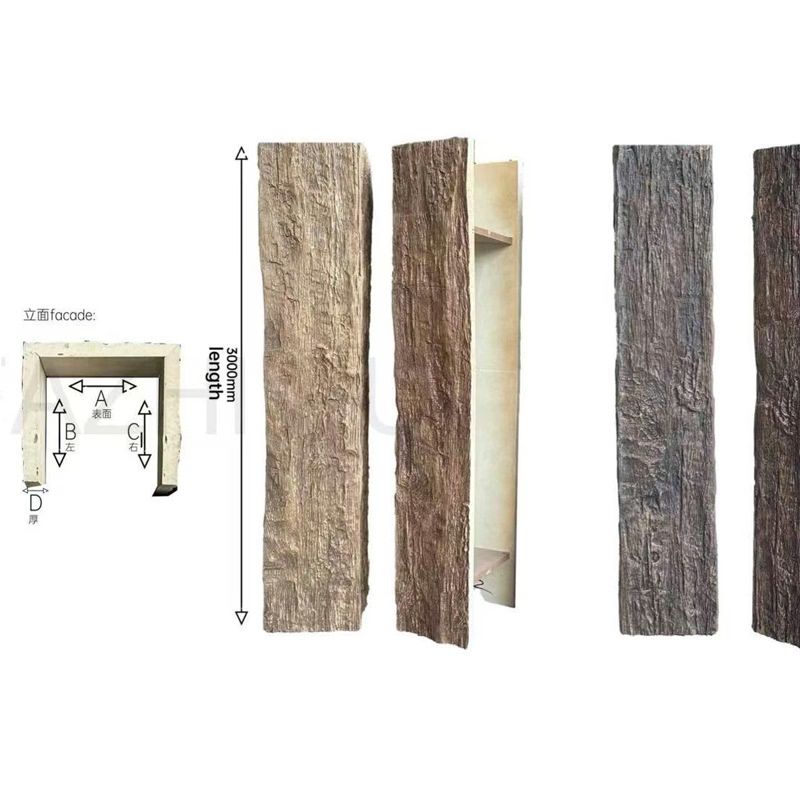
Multi-layer beam systems create dramatic visual depth without multiplying ceiling loads. Designers frequently specify beams with visible structural cores wrapped in decorative polyurethane sleeves, achieving substantial visual presence while maintaining the weight advantage. This technique works particularly well in spaces where ceiling height allows but floor load considerations prohibit genuinely heavy materials.
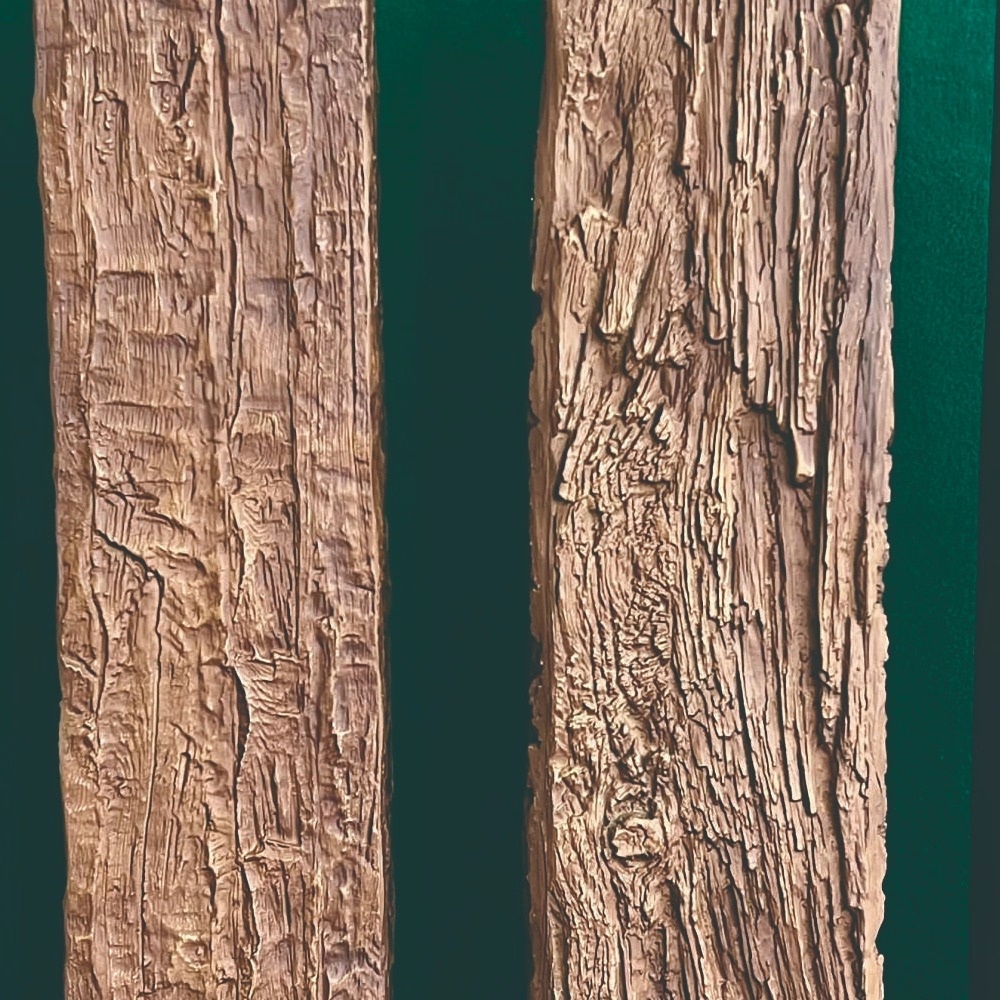
The manufacturing flexibility of polyurethane also supports custom profiles and sizes that lumber yards cannot supply. Projects requiring non-standard dimensions, unusual shapes, or specialized finishes can be executed without the extended lead times and premium pricing that custom woodworking commands.

Environmental and Sustainability Perspectives
Modern polyurethane beam production has evolved significantly in environmental responsibility. Leading manufacturers now utilize recycled content in their formulations, diverting plastic waste from landfills while producing construction materials with extended service lives. The durability of polyurethane products means fewer replacements over time, reducing the cumulative resource consumption associated with ceiling architectural details.
Transport logistics present another sustainability consideration that favors lightweight materials. Shipping heavy timber beams across continental distances generates substantial carbon emissions, while lightweight polyurethane products can be transported more efficiently. For international trade and export applications, this transportation efficiency becomes particularly significant.
The energy embodied in polyurethane production is considerably lower than the processing energy required for kiln-drying, machining, and finishing natural timber. When combined with the extended service life and reduced maintenance requirements, the lifecycle environmental profile of polyurethane beams compares favorably to natural alternatives in many impact categories.
Choosing the Right Installation Approach for Your Project
Every ceiling beam project presents unique constraints and opportunities that should guide installation method selection. Residential applications in single-family homes often prioritize aesthetic impact and ease of future modification, pointing toward surface-mounted systems with decorative hardware. The ability to relocate or remove beams without ceiling damage appeals to homeowners who value flexibility.
Commercial interiors typically emphasize speed of installation and long-term durability, favoring adhesive and mechanical attachment systems that maximize stability while minimizing installation time. The consistent appearance over time also matters in commercial contexts where brand standards require predictable aesthetics.
Historic renovation projects demand sensitivity to original construction that sometimes limits mounting options. Period-appropriate hardware, reversible installation methods, and careful coordination with preservation authorities all factor into successful outcomes. Polyurethane products designed specifically for historic applications often include features that address these specialized requirements.
Whether you're a contractor seeking efficient installation solutions or a homeowner planning a weekend renovation project, lightweight PU ceiling beams offer compelling advantages that merit serious consideration. The combination of aesthetic excellence, practical installation benefits, and long-term performance makes these products uniquely valuable in the contemporary construction marketplace.
Technical References
ASTM standards cited in every specification
Test Data
Lab results from internal testing program
Updated 2026
Reviewed against current product specs