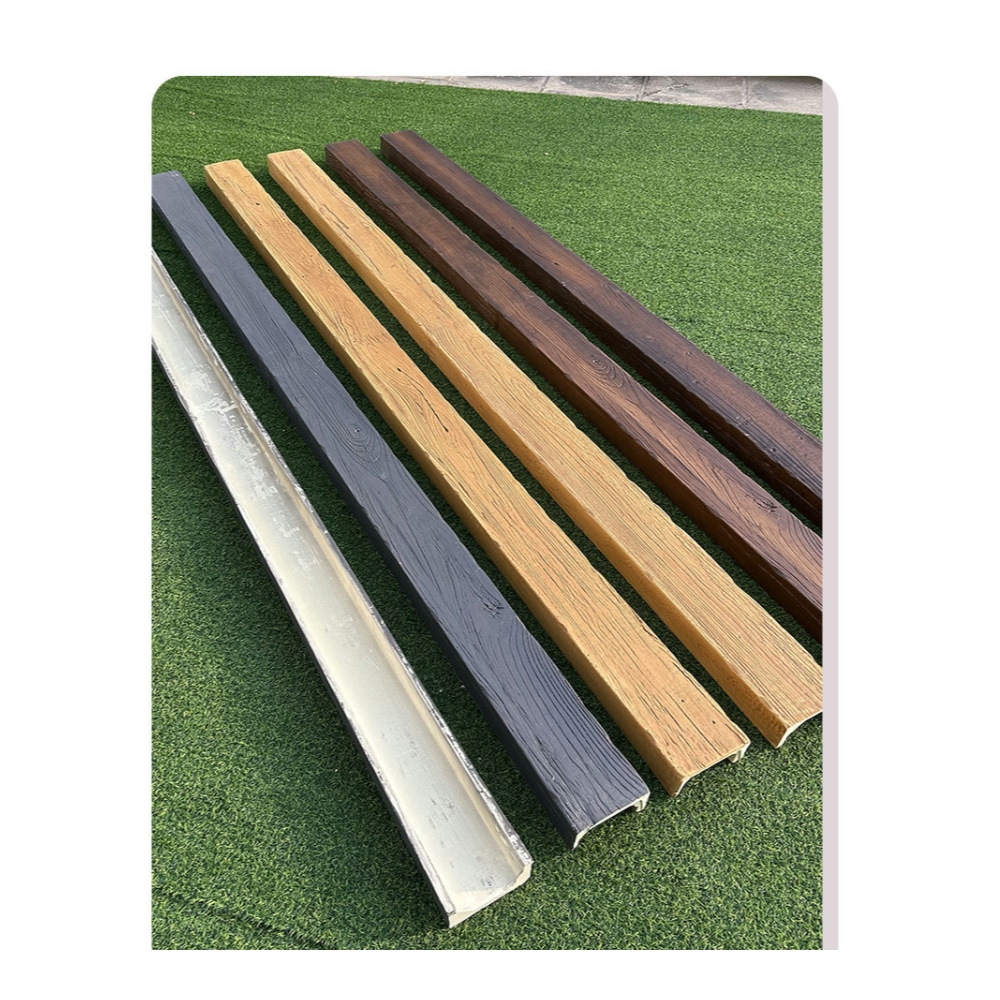
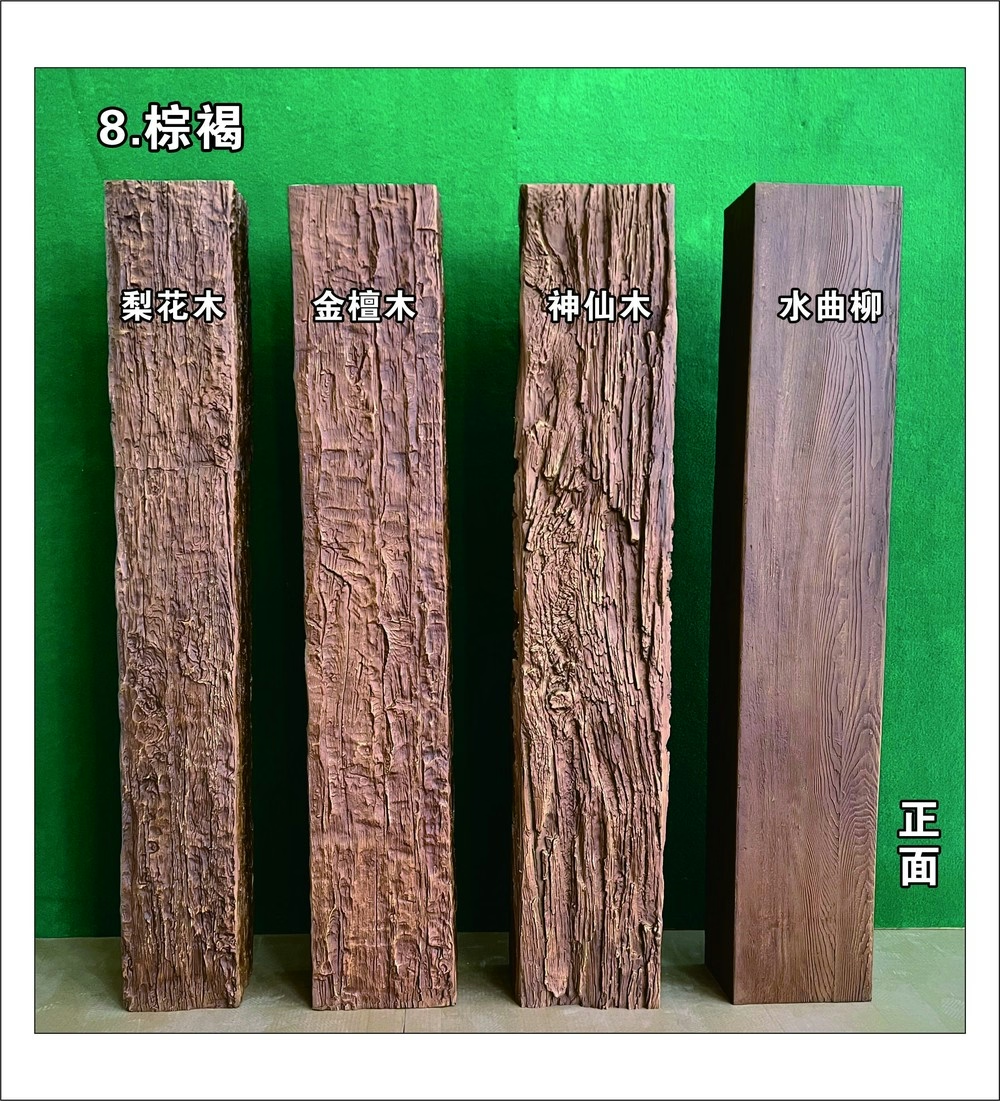
When architect Melissa Santos first specified polyurethane beams for a boutique hotel project, her client expressed reservations rooted in understandable skepticism. Authentic reclaimed timber had originally been specified, and switching materials required explaining why the alternative would deliver equivalent aesthetic impact with superior practical performance. Three months after project completion, that same client has since requested polyurethane beams for two additional properties, crediting the initial installation with exceeding expectations across every evaluation criterion.
This conversion from skepticism to advocacy characterizes the experience of countless professionals and homeowners who have discovered what modern polyurethane faux wood technology can accomplish. The materials have advanced to the point where visual inspection alone cannot reliably distinguish them from authentic timber, while installation efficiency advantages remain substantial and undeniable.
The Weight Revolution in Decorative Beams
The fundamental advantage of polyurethane over authentic timber stems from the dramatic weight differential between these materials. Where solid timber beams weigh between 15 and 25 pounds per linear foot depending on species and moisture content, polyurethane equivalents typically weigh between 2 and 4 pounds per linear foot. This 80-percent weight reduction transforms what was previously heavy construction into lightweight architectural trim.
This weight reduction affects every aspect of the building process. Structural engineering assessments that would be required for authentic timber become unnecessary. Ceiling reinforcement that heavy materials might demand becomes irrelevant. Delivery logistics simplify dramatically. Installation crews that previously required multiple workers and lifting equipment now accomplish the same work with smaller teams and basic tools.
The practical implications extend beyond cost savings to encompass possibilities that heavier materials would preclude entirely. Dramatic cathedral ceilings, extensive beam coverage, and complex multi-directional installations become viable when weight constraints relax. Designers who once compromised their visions to accommodate material limitations now execute ambitious ceiling treatments that establish distinctive property character.
Contractors who have worked extensively with both materials consistently report that polyurethane installations complete in one-quarter to one-third of the time required for equivalent timber work. This efficiency gain represents direct labor cost savings that more than offset any material price premium, particularly when ancillary costs like equipment rental and structural engineering are factored into authentic timber specifications.
Material Composition and Performance Characteristics
Understanding what polyurethane faux wood products are made from helps explain their performance characteristics. High-density polyurethane formulations begin with petroleum-derived polymers that are expanded during manufacturing to create cellular structures with consistent cell size and distribution. This manufacturing process enables precise control over density, surface texture, and physical properties.
The cellular structure provides inherent insulation properties that solid timber cannot match. Air pockets within the polyurethane matrix reduce thermal conductivity, contributing to energy efficiency in buildings where beams span heated and unheated spaces. This insulation value, while modest in individual beams, accumulates across installations to produce measurable building performance benefits.
Moisture resistance represents another significant advantage of polyurethane over natural wood. Timber's hygroscopic nature means it absorbs and releases moisture continuously, leading to dimensional changes that cause warping, splitting, and eventually biological degradation. Polyurethane's closed-cell structure resists moisture absorption entirely, preventing these moisture-related problems regardless of environmental conditions.
Insect resistance follows naturally from the synthetic composition of polyurethane. Termites, carpenter ants, and other wood-boring insects that would attack authentic timber find polyurethane uninteresting and inedible. This resistance provides peace of mind in termite-prone regions while eliminating the chemical treatments that natural wood sometimes requires for exterior applications.

Surface Texture and Aesthetic Authenticity
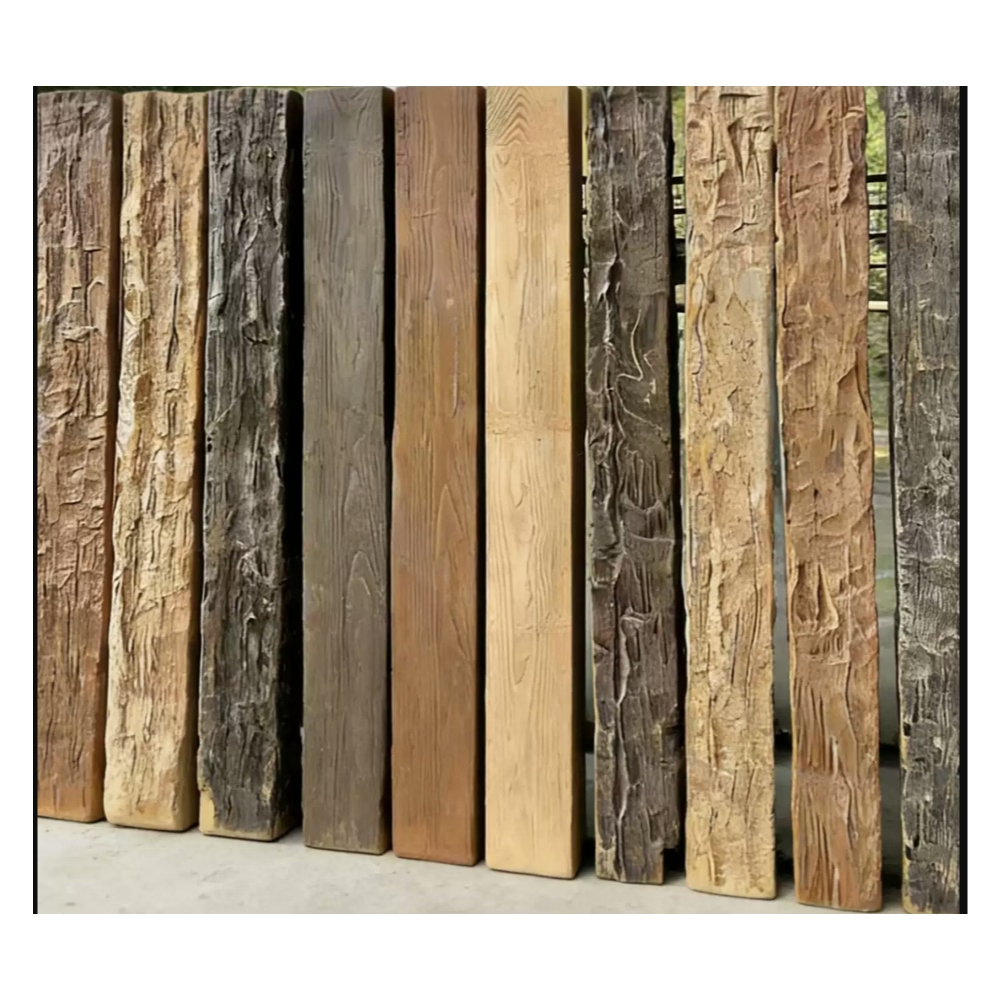
Modern manufacturing techniques create surface textures that convincingly replicate authentic wood grain patterns. Hand-selected natural wood samples provide the reference for molding operations, capturing the subtle variations that distinguish genuine timber from artificial imitations. This attention to texture detail represents the difference between products that fool casual observers and those that remain obviously artificial.
The manufacturing process allows consistent reproduction of these textures across unlimited production quantities. Unlike natural wood where each piece presents unique grain patterns, polyurethane beams offer predictable appearance that simplifies specification and matching. Designers who require specific aesthetics can select from extensive catalogs knowing that ordered quantities will match their samples precisely.
Finish options span the complete range of natural wood appearances, from pale maple through rich cherry to dramatic walnut tones. Staining processes adapted from the wood industry apply colorants that penetrate the surface slightly before sealing under clear topcoats. The resulting appearance matches natural wood aesthetics while providing the UV resistance and durability that factory-applied coatings provide.
Texture depth affects how lighting interacts with beam surfaces, contributing significantly to perceived authenticity. Deep grooves that cast shadows under directional lighting create the visual complexity that characterizes authentic timber. Subtle surface variations that catch light differently across the grain direction produce the depth that separates convincing faux from obvious imitation.
Installation Systems and Techniques
Modern polyurethane beam installation relies on systems developed specifically for these materials rather than adapted from timber techniques. Understanding these systems enables informed selection and professional-quality results that adapted timber methods would not achieve. Manufacturers provide detailed installation specifications that account for the unique characteristics of their products.
Mechanical attachment using structural screws provides primary load support in most installations. The screw withdrawal resistance appropriate for polyurethane differs from timber values due to different density and fiber characteristics. Specifying screws with adequate holding power while avoiding overdriving that might compromise the material requires understanding these relationships.
Adhesive bonding supplements mechanical attachment in permanent installations, creating continuous surface contact that distributes loads efficiently. Construction-grade adhesives designed specifically for polyurethane ensure compatibility with both the beam material and common ceiling substrates. Using inappropriate adhesives risks bond failure that might not become apparent until after project completion.
French cleat systems enable removable installations that appeal to property owners who value flexibility. The interlocking bracket design supports the beam weight while allowing disconnection without damage to either beam or ceiling. This approach works particularly well in rental properties where permanent modifications might violate lease terms or require restoration at move-out.
Decorative mounting hardware including corbels, brackets, and end caps adds architectural character while concealing attachment points. These accessories often define the visual style of beam installations more than the beams themselves, transitioning from rustic reclaimed appearance to contemporary minimalist looks based on hardware selection rather than beam profile.
Environmental Considerations and Sustainability
Contemporary polyurethane manufacturing has made significant advances in environmental responsibility. Recycled content integration diverts plastic waste from landfills while reducing virgin material requirements. Post-consumer recycled materials increasingly appear in formulations that maintain quality standards while improving environmental performance.
The extended service life of polyurethane beams contributes to favorable lifecycle environmental comparisons with natural alternatives. While authentic timber might require replacement after 15 to 30 years depending on conditions, quality polyurethane installations routinely exceed 50 years of service without replacement. This longevity reduces cumulative resource consumption, manufacturing impacts, and transportation emissions over the building's operational life.
Transportation efficiency favors lightweight materials for international trade applications. Shipping containers that would accommodate a limited quantity of timber beams can hold substantially more polyurethane equivalents. This shipping efficiency translates to reduced per-unit transportation emissions and lower logistics costs for imported products.
End-of-life considerations continue to evolve as recycling infrastructure develops. While polyurethane recycling remains limited in many regions, manufacturers increasingly accept product returns for processing into industrial applications. The energy recovery potential of polyurethane waste also provides value in waste-to-energy facilities where available.
Cost Analysis and Value Proposition
Comprehensive cost analysis of beam installation requires considering all project expenses rather than material unit prices alone. Authentic timber involves not just higher material costs per linear foot but additional expenses for structural assessment, specialized equipment, extended labor time, and ongoing maintenance. These combined costs frequently exceed polyurethane alternatives despite lower material prices.
Professional installation quotes should itemize all cost components to enable meaningful comparison. Labor hours, equipment charges, engineering fees, and material costs each deserve separate line items that clarify the total project investment. Apples-to-apples comparisons become possible when all providers bid using consistent scope definitions.
Maintenance cost projections over the expected service life favor polyurethane in most applications. Natural wood requires periodic refinishing, repair of damage, and eventual replacement; polyurethane requires only routine cleaning. These maintenance cost differences compound over time, often exceeding the original material price differential within the first decade of service.
Resale value considerations affect property owner decisions in competitive real estate markets. The aesthetic enhancement that ceiling beams provide adds perceivable value that buyers appreciate. Whether authentic or faux, quality beam installations contribute to property appeal that translates to sale price advantages exceeding the original investment.
Selecting the Right Product for Your Application
Application requirements guide product selection across multiple parameters. Interior residential applications have different performance requirements than commercial spaces or covered exterior installations. Matching product characteristics to application needs ensures optimal performance without unnecessary cost premium for over-specified materials.
Fire ratings vary by product formulation and significantly affect code compliance in commercial applications. Most residential interior applications face no special fire requirements, but egress corridors, assembly spaces, and certain commercial occupancies may mandate fire-retardant formulations. Understanding applicable codes prevents specification that fails inspection.
UV exposure affects both finish longevity and material stability in exterior applications. Standard formulations work well in protected exterior locations like covered porches, while more demanding sun exposure might require specially formulated UV-resistant products. Manufacturer guidance helps navigate these selection criteria for challenging applications.
Profile selection establishes the visual character of beam installations more than any other specification choice. The range of available profiles spans traditional hand-hewn timber looks through contemporary streamlined designs. Catalog review, showroom visits, and installed project photographs all inform the selection process that produces satisfying results.
Industry Trends and Future Development
Manufacturing technology continues advancing polyurethane beam quality while reducing production costs. Texturing techniques become more sophisticated, producing grain patterns that challenge even close inspection. Density optimization improves durability while maintaining weight advantages. Color matching expands to include exotic wood species previously unavailable in faux products.
Specification professionals increasingly recognize polyurethane beams as legitimate options rather than compromise alternatives. Major architecture and design firms now maintain technical specifications for polyurethane products alongside traditional materials. This professional validation influences client perceptions and accelerates market adoption.
Sustainability focus drives development of bio-based polyurethane formulations that reduce petroleum dependence. Plant-derived components increasingly appear in formulations that maintain performance standards while improving environmental profiles. These innovations respond to both regulatory pressure and market demand for sustainable building materials.
The convergence of aesthetic excellence, installation efficiency, and environmental responsibility positions polyurethane beams for continued market growth. Professionals and property owners who recognize this trajectory specify these products confidently, secure in the knowledge that their choices reflect current best practices rather than outdated material preferences.

Technical References
ASTM standards cited in every specification
Test Data
Lab results from internal testing program
Updated 2026
Reviewed against current product specs