The transformation of faux wood beams from obvious imitations to convincing replicas represents one of the most significant developments in interior finishing materials over the past two decades. What once carried an unmistakable artificial quality now achieves visual authenticity that fools most observers under normal viewing conditions. This evolution reflects advances in manufacturing technology, improved understanding of wood anatomy, and relentless attention to the subtle details that distinguish genuine timber from inferior substitutes.
Interior designer Patricia Okonkwo encountered this transformation firsthand when specifying beams for a client's mountain retreat. The original design called for reclaimed barn wood beams, but supply chain disruptions and price volatility led her to explore alternatives. She selected polyurethane beams from a manufacturer she had not previously specified, expecting to compromise somewhat on appearance. The delivered products exceeded her expectations so dramatically that she now considers them her preferred option for most residential projects.
The Science Behind Convincing Wood Replication
Authentic wood appearance emerges from multiple visual components that must all be addressed to achieve convincing replication. Grain patterns, color distribution, surface texture, and light interaction each contribute to the overall impression that observers process subconsciously. Polyurethane beam manufacturers invest heavily in understanding these components and developing production methods that address each one effectively.
Grain pattern reproduction begins with reference material selection. Manufacturers maintain libraries of natural wood samples representing various species and character grades. These samples undergo detailed analysis to identify the distinctive patterns that make each species recognizable. The resulting molds capture not just the general grain direction but the subtle variations, figure patterns, and characteristic markings that define authentic wood character.
Color reproduction in polyurethane beams differs fundamentally from painting or staining solid wood. The material accepts colorants differently than natural fiber, requiring formulation expertise to achieve convincing results. Modern color matching technology enables precise replication of specific wood samples, producing beams that match existing woodwork or achieve desired color characteristics with remarkable accuracy.
Surface texture affects perceived authenticity as much as visual pattern. Wood surfaces present complex textures created by natural growth patterns, machining marks, and weathering. High-quality molds capture these textures at microscopic levels, preserving the subtle variations that contribute to natural wood appearance. The resulting polyurethane surfaces reward close inspection with details that reveal themselves gradually rather than presenting flat, uniform surfaces.

Light Interaction and Shadow Dynamics
The way authentic wood interacts with lighting defines much of its visual appeal, and replicating this interaction requires understanding both material properties and lighting physics. Natural wood surfaces present different appearances under direct light versus shadow, with grain patterns becoming more or less prominent depending on light angle and intensity. Polyurethane surface formulations account for these variations by incorporating subtle color gradients and texture variations that respond appropriately to different lighting conditions.
Shadow casting in authentic timber installations results from the dimensional variations created by natural wood surfaces. Knots, checks, and grain irregularities create relief that produces shadows under directional lighting. Molded polyurethane surfaces incorporate these relief variations, casting shadows that enhance perceived depth and authenticity. The result more closely resembles authentic timber than flat-painted surfaces that lack dimensional character.
The matte versus satin appearance of natural wood finish varies across species and within individual boards. Some woods present relatively uniform surface sheen while others show dramatic variation between earlywood and latewood zones. Polyurethane formulations can be adjusted to match these characteristics, producing surfaces that present appropriate sheen patterns without the application variables that affect natural wood finishing.
Photography reveals authenticity more harshly than casual observation, with camera sensors picking up inconsistencies that human vision might miss. Professional manufacturers test their products by photographing installations under controlled lighting, evaluating results critically and adjusting formulations based on photographic evidence. This quality control ensures that beams will appear convincing in the lifestyle photography that contemporary marketing demands.
Species Selection and Character Grading
The range of wood species available in polyurethane replication continues expanding as manufacturers respond to market demand. Traditional choices like oak, pine, and cedar remain popular, but sophisticated reproductions now include exotic species like Brazilian walnut, African mahogany, and Australian cypress that were previously unavailable in beam form. This expanding selection enables aesthetic coordination across diverse interior design schemes.
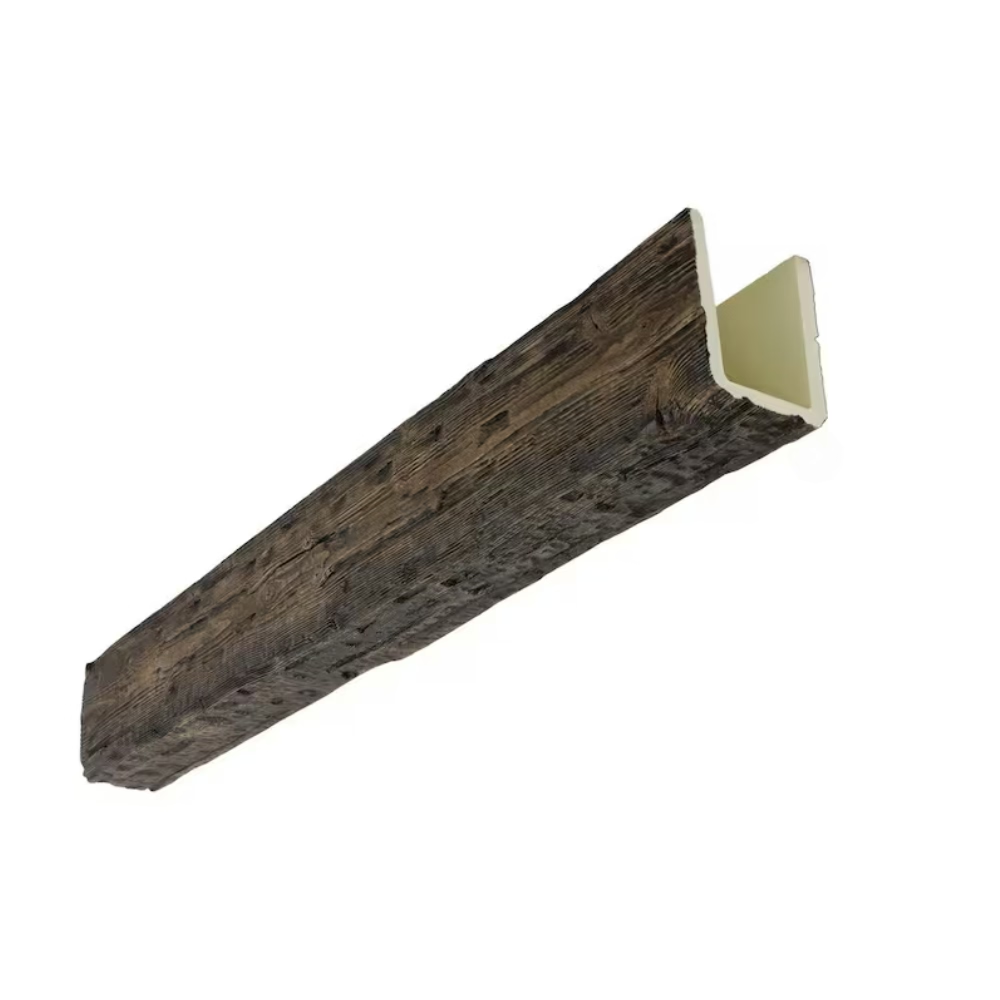
Reclaimed wood character has become particularly sought-after in contemporary interior design. The weathered appearance, checking patterns, and color variation of aged timber creates visual interest that new wood cannot match. Polyurethane manufacturers have developed techniques for replicating these aged characteristics, creating beams that capture the rustic charm of reclaimed material without the structural uncertainties and supply limitations of authentic reclaimed stock.
Hand-hewn beam appearance represents another popular aesthetic direction, particularly for farmhouse and rustic design applications. The distinctive marks left by traditional woodworking tools distinguish hand-hewn timber from machine-processed lumber, adding character that contemporary construction rarely achieves. Molded reproductions of hand-hewn surfaces capture these marks with fidelity that approaches actual antique beams.
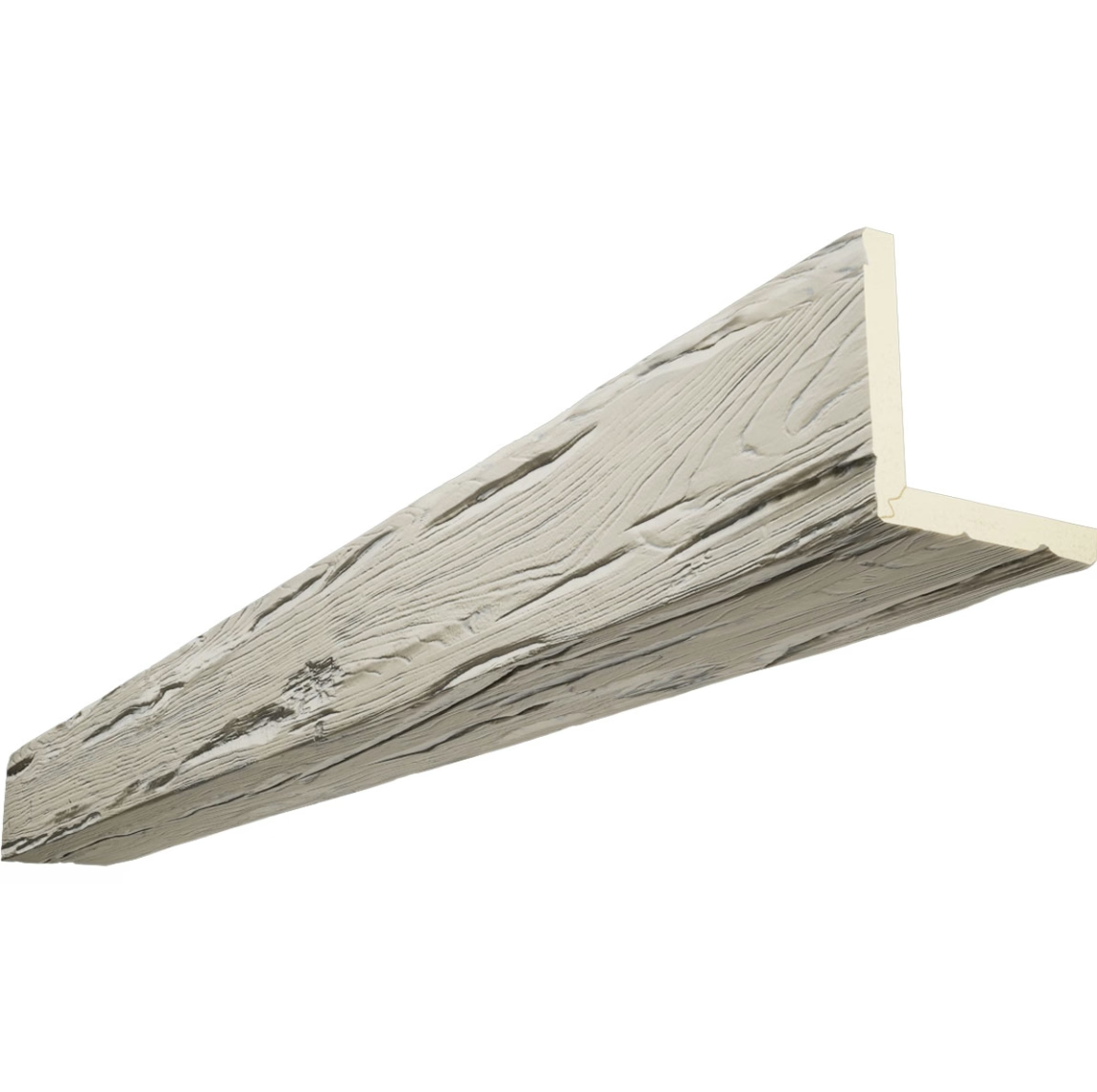
Color variation within single beams affects authenticity perception significantly. Natural wood rarely presents uniform coloring, with subtle tonal variations across growth rings and seasonal bands. Quality polyurethane beams incorporate these color variations during manufacturing, producing surfaces that feel more natural than uniformly colored alternatives. The investment in this additional manufacturing complexity distinguishes premium products from budget offerings.
Installation Factors That Affect Realism
Even the most convincing faux wood beams can appear artificial if installation techniques compromise their authenticity. Joint preparation significantly impacts overall realism, with clean mitered corners and seamless transitions between beam sections drawing less attention than poorly executed joints. Professional installers treat joint preparation with the same attention they would apply to authentic timber.
Alignment consistency affects perceived authenticity at a subtler level. Authentic timber installations sometimes present slight variations in alignment that contribute to their handmade character. Beams that appear too perfectly aligned can seem manufactured in a way that compromises authenticity. Experienced installers sometimes introduce subtle variations that enhance natural appearance while remaining acceptably accurate.
Lighting design interacts with beam appearance to either enhance or compromise realism. Directional lighting that emphasizes surface texture creates depth and character, while flat overhead lighting can flatten appearance and reveal manufacturing limitations. Designers who specify beams often also specify lighting that will showcase the installed beams effectively.
Context affects authenticity perception as well. Beams installed in spaces surrounded by authentic wood elements appear more convincing than identical beams in environments lacking wood context. The cumulative wood appearance of a space influences how individual elements are perceived, a phenomenon that interior designers exploit when specifying beams for spaces with existing authentic woodwork.
Maintenance and Long-Term Appearance
The authentic appearance of quality polyurethane beams remains stable over decades of service, unlike natural wood that continues changing throughout its service life. Color shift, surface wear, and patina development that characterize authentic timber do not occur in polyurethane materials, maintaining original appearance without the refinishing that natural wood periodically requires.
UV exposure presents the primary threat to long-term appearance in both authentic and faux materials. Natural wood darkens and develops surface checking under prolonged sun exposure, while polyurethane may experience surface degradation and color change if not properly UV-stabilized. Quality manufacturers formulate their products with UV inhibitors that provide meaningful protection against sun-related aging.
Cleaning requirements for polyurethane beams are minimal compared to natural wood. The non-porous surface rejects dust and dirt that would penetrate natural wood grain, releasing easily with routine dusting or occasional damp wiping. This cleanability contributes to long-term appearance maintenance that requires no special products or professional attention.
Surface damage, while possible with sufficient force, affects polyurethane differently than natural wood. Impact damage to timber often results in splinters, dents, or material loss that exposes raw wood. Polyurethane's more uniform surface may show scratches or gouges but rarely exhibits the catastrophic damage that wood surfaces can suffer.
Design Applications and Aesthetic Coordination
Faux wood beams serve diverse design applications beyond their traditional use as ceiling architectural elements. Wall-mounted installations create dramatic accent treatments, while built-in shelving and cabinet surrounds extend beam aesthetics throughout living spaces. The consistency of manufactured products enables these expanded applications with confidence that natural material matching would not support.
Open floor plans particularly benefit from beam installations that define spatial zones without physical barriers. Beams spanning from visible ceiling to visible ceiling create visual boundaries that help occupants understand spatial relationships in open-concept designs. The authentic appearance of quality beams enhances this spatial definition, while artificial-looking imitations would undermine the design intent.
Mixed material designs increasingly feature beams alongside metal, glass, and stone elements that have become prominent in contemporary architecture. The natural warmth of wood appearance balances these harder materials, creating interiors with visual interest and material diversity. Beams provide this wood element without the moisture sensitivity and maintenance requirements of natural wood in these demanding applications.
Historic renovation projects benefit from authentic-looking beams that allow historically sensitive updates. Victorian-era homes, Craftsman bungalows, and other period properties can receive beam installations that match original design intent without compromising historic fabric or requiring structural reinforcement that original construction would not have supported.

Evaluating Product Quality Before Purchase
Product sampling represents the most reliable evaluation method for prospective beam purchasers. Most manufacturers provide sample pieces at nominal cost or no charge for qualified inquiries. These samples enable hands-on evaluation of surface texture, color quality, and dimensional accuracy that photographs cannot fully convey. Professional designers routinely request samples before specifying products for client projects.
Manufacturer documentation regarding manufacturing processes provides insight into product quality and consistency. Facilities utilizing modern equipment and quality control systems produce more consistent products than those relying on older methods. Visiting manufacturing operations, when possible, reveals capabilities that product literature might not fully communicate.
Warranty coverage reflects manufacturer confidence in product performance. Extended warranty periods suggest products that have performed reliably in service, while limited coverage might indicate manufacturers uncertain about long-term durability. Quality claims should be supported by warranty terms that reflect the described performance characteristics.
Customer references and installed project examples provide real-world evidence of product performance and appearance. Professional manufacturers maintain portfolios of completed installations that demonstrate their products' capabilities across various applications. Requesting references relevant to your specific project type enables meaningful evaluation of expected results.
Technical References
ASTM standards cited in every specification
Test Data
Lab results from internal testing program
Updated 2026
Reviewed against current product specs


