The appeal of rustic timber ceiling beams remains undiminished despite decades of changing interior design trends. Something about the combination of natural textures, warm colorations, and structural presence these elements provide continues to resonate with homeowners and commercial space designers alike. Yet the practical realities of incorporating genuine timber into modern construction and renovation projects create substantial barriers that keep this aesthetic out of reach for many. Synthetic wood textured beams have emerged as the solution that bridges this gap, delivering authentic visual impact without the complications that accompany natural materials.
Understanding the Composition and Construction
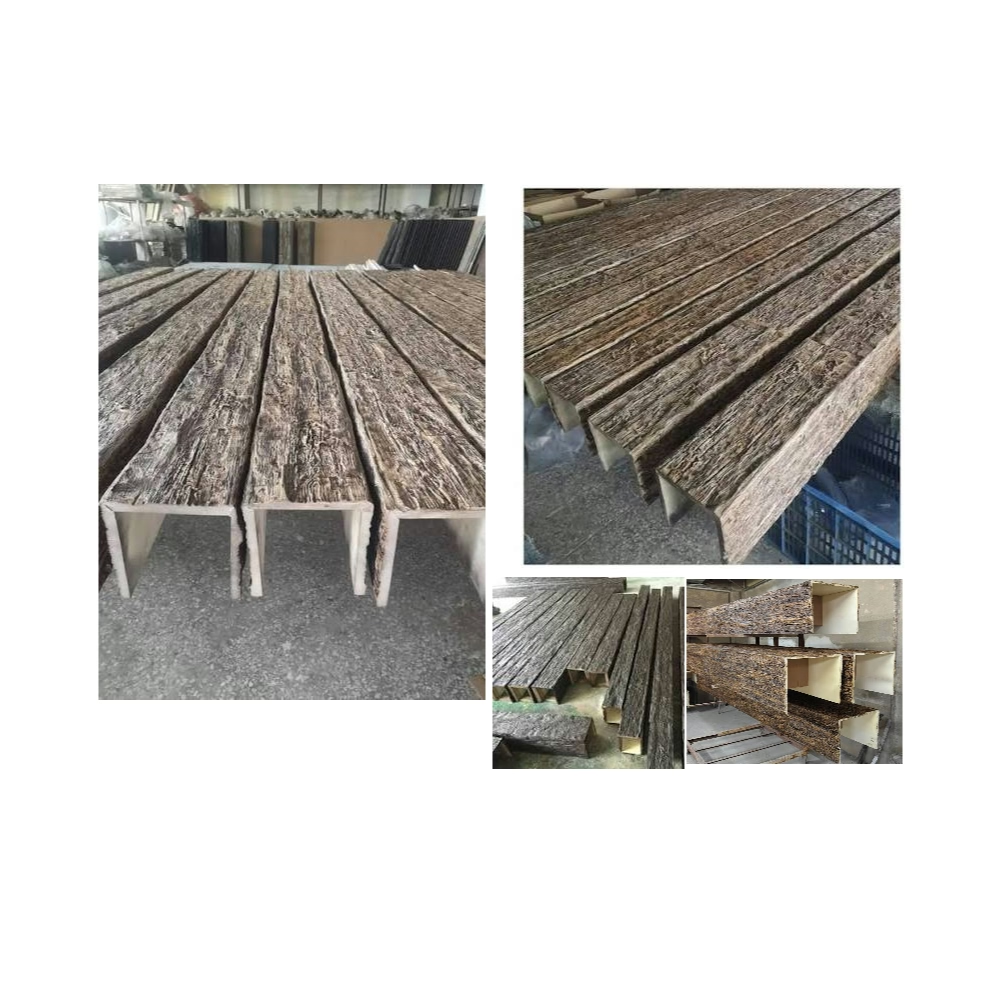
The core technology behind quality synthetic wood beams relies on high-density polyurethane formulations developed specifically for architectural applications. Unlike generic plastics or foams that might superficially resemble wood, these specialized compounds accept detailed texturing and coloring processes that create convincingly authentic surfaces. The manufacturing approach typically involves either rotational molding for hollow beam profiles or precision casting in detailed silicone molds, depending on the specific profile and size requirements.
The texturing process deserves particular attention because surface appearance fundamentally determines whether these products succeed or fail in their mission to simulate natural wood. Manufacturers employ multiple techniques to achieve realistic textures. Some create molds directly from genuine weathered timber, capturing every crack, check, and surface imperfection that develops over decades of aging. Others build textures through layered application processes, adding depth and variation that mimics what happens when real wood endures environmental exposure.
Color application happens during manufacturing through carefully controlled pigmentation systems. Rather than painting finished surfaces, manufacturers incorporate color throughout the material thickness. This approach ensures that any cutting, drilling, or on-site modification reveals color-consistent material rather than contrasting base material. The result is installation flexibility that doesn't compromise aesthetic integrity.

Performance Characteristics for Diverse Applications
The practical advantages of synthetic wood textured beams extend well beyond aesthetic considerations, though those certainly receive the most initial attention. Weight represents perhaps the most immediately appreciated benefit—a single person can typically handle beam sections that would otherwise require two or three workers or mechanical assistance. This handling advantage translates directly into installation cost savings that often offset a significant portion of material expense differentials compared to natural wood.
Durability characteristics present another compelling category of advantages. Quality polyurethane demonstrates excellent resistance to the environmental factors that challenge natural wood throughout its service life. Moisture exposure that would cause swelling and warping in genuine timber produces no such effects in polyurethane. Temperature fluctuations that prompt expansion and contraction cycles in natural materials create minimal stress in synthetic alternatives. These stability characteristics prove particularly valuable in challenging environments like pool enclosures, spa areas, or exterior applications where humidity and temperature vary substantially.
The maintenance profile of synthetic beams also differs markedly from natural wood requirements. Where genuine timber benefits from periodic resealing, insect treatments, and refinishing to maintain both appearance and structural integrity, polyurethane faux beams require essentially nothing beyond routine cleaning. Dust accumulation, common in ceiling installations, wipes away easily with standard cleaning implements. Stains from occasional contact respond well to mild cleaning solutions without risk of damaging finishes that might exist on natural wood surfaces.
Design Applications Across Residential Contexts
Residential applications for synthetic wood textured beams span an extraordinarily broad range of design philosophies and practical requirements. Great rooms and living areas benefit enormously from ceiling beam installations that add architectural interest without the structural implications of genuine timber. The visual weight that beams provide helps define spaces, create perceived coziness, and establish design focal points that guide furniture arrangement and decor decisions.
Kitchens represent another particularly successful application context. The combination of warmth that wood textures bring to food preparation spaces and the practical durability of synthetic materials creates an ideal match. Family gatherings increasingly center on kitchen spaces, and the addition of ceiling beams transforms purely functional rooms into destinations that family members actually want to occupy. Warm wood tones balance the often-clinical appearance of modern kitchen appliances and surfaces, creating visual relief that makes spaces feel more welcoming.
Bedrooms and home offices also accommodate ceiling beam installations effectively. The acoustic dampening properties that the hollow construction of many beam profiles provides contribute to improved sound quality within these spaces. Working from home arrangements that have become increasingly common benefit from environmental improvements that support concentration and comfort. The natural aesthetic of wood-textured surfaces creates visual interest that prevents rooms from feeling sterile or corporate.
Commercial and Hospitality Implementations
The commercial sector has embraced synthetic wood textured beams with enthusiasm that reflects their practical advantages in high-traffic, high-visibility environments. Hospitality venues particularly appreciate the combination of aesthetic sophistication and maintenance simplicity that these products provide. Hotel lobbies, restaurant dining areas, and resort common spaces all benefit from the warmth that wood textures contribute, while simultaneously demanding finishes that can withstand heavy use and periodic cleaning.
Retail environments utilize ceiling beams to create distinctive atmospheres that support brand positioning. A mountain equipment retailer might incorporate rustic timber-textured beams to reinforce outdoor adventure themes. An artisan bakery could add beams to suggest traditional craftsmanship and heritage baking methods. The versatility of synthetic options enables these associations without requiring commitment to specific wood species or the maintenance obligations that genuine timber would entail.
Office buildings and co-working spaces increasingly incorporate wood-textured elements as part of wellness-oriented design strategies. Research into environmental psychology continues to demonstrate connections between natural material exposure and occupant wellbeing indicators. Ceiling beams provide a high-impact opportunity to introduce these associations without the complications of integrating genuine timber into commercial construction standards and fire safety requirements.

Installation Best Practices
Successful installation of synthetic wood textured beams depends on understanding both the products themselves and the structures to which they attach. Unlike genuine timber that might require structural calculations and specialized hardware, most synthetic beam systems work with standard construction materials and relatively simple mounting approaches. However, proper planning remains essential for achieving results that appear professionally executed rather than clearly improvised.
Support structure preparation should occur before beam delivery whenever possible. Marking beam locations accurately, ensuring adequate mounting surfaces exist, and addressing any finishing requirements on underlying structures prevents complications during the actual installation phase. Painting ceiling surfaces behind planned beam locations eliminates the challenge of matching existing finishes around beam perimeters after installation.
The actual mounting process typically involves either direct attachment to structural elements or installation of supporting hardware systems specifically designed for the beam products in use. Following manufacturer guidelines regarding fastener specifications, spacing requirements, and connection methods ensures that installed beams perform as designed. These guidelines typically incorporate safety factors that account for normal use loads, though specific requirements vary by product line and application context.
Evaluating Product Quality and Selection
Not all synthetic wood textured beams deliver equivalent value despite surface similarities. Density variations affect durability and detail retention. Pigment quality influences long-term color stability. Surface texturing sophistication determines how convincingly the products simulate natural wood upon close inspection. Spending time evaluating samples before committing to project purchases helps ensure that installed results match expectations.
Warranty coverage provides useful insight into manufacturer confidence in their products. Extended warranty periods typically indicate confidence in durability and color stability characteristics. Reputable manufacturers should be able to provide technical specifications regarding UV resistance ratings, density measurements, and fire performance classifications. These details enable informed comparisons between products and support appropriate selection for specific application requirements.
Working with established suppliers who understand the demands of particular project types reduces various forms of risk. International trade applications particularly benefit from relationships with exporters experienced in appropriate packaging, documentation, and quality verification processes. The investment in finding reliable supply partners typically pays returns through smoother project execution and reduced problem resolution requirements.
Technical References
ASTM standards cited in every specification
Test Data
Lab results from internal testing program
Updated 2026
Reviewed against current product specs

