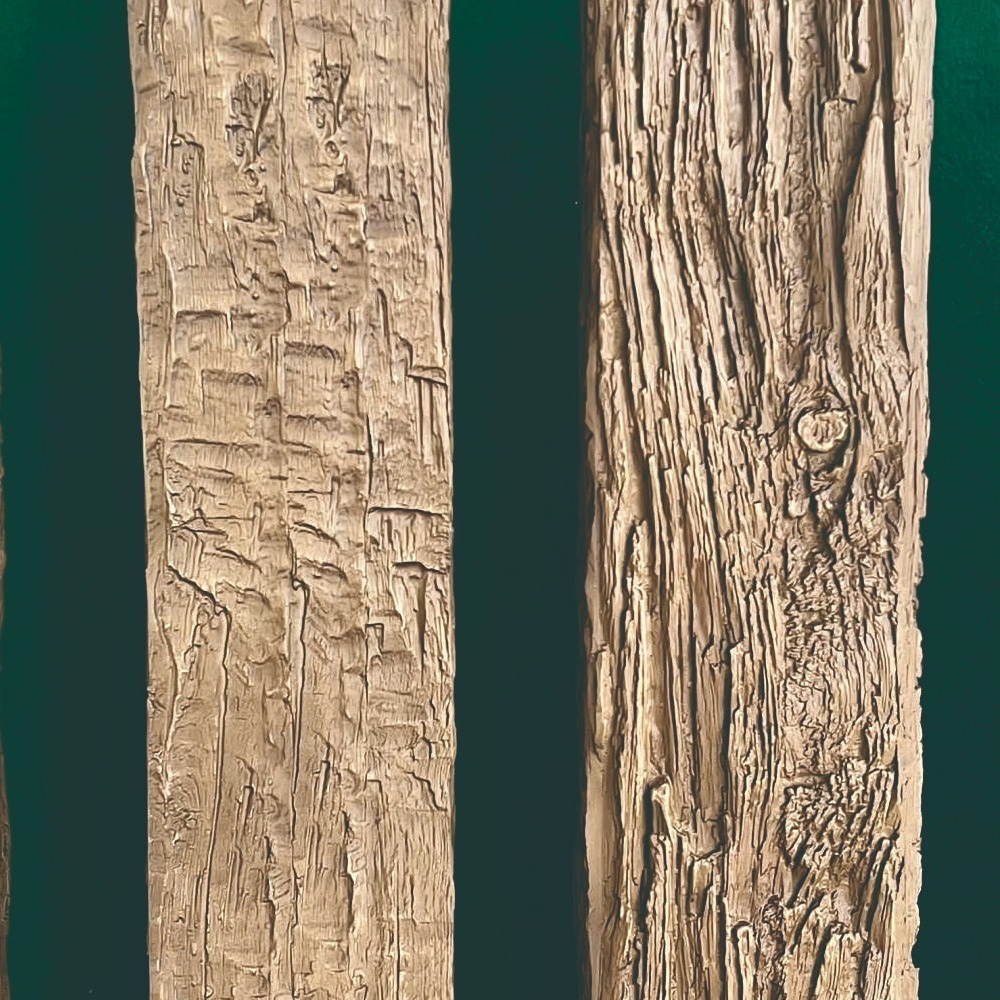
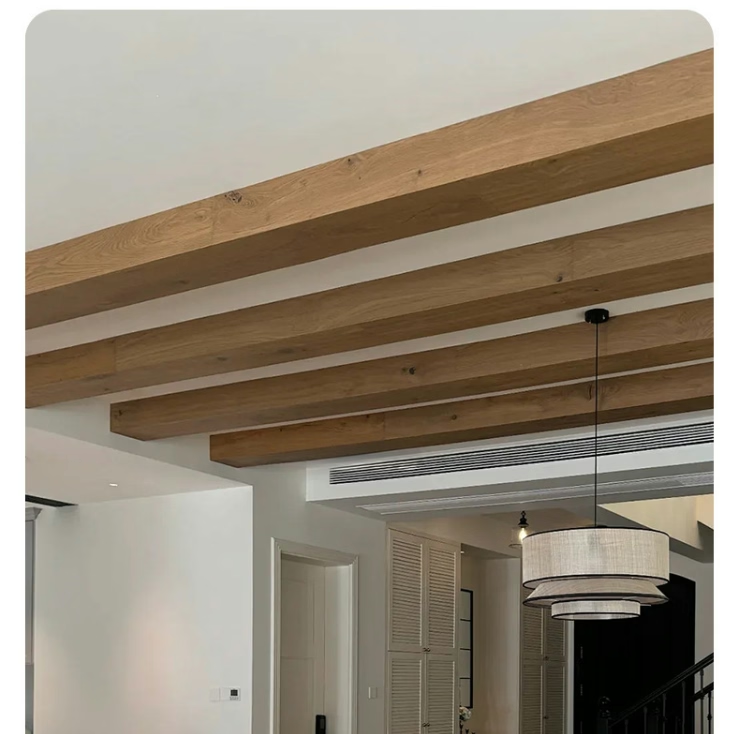
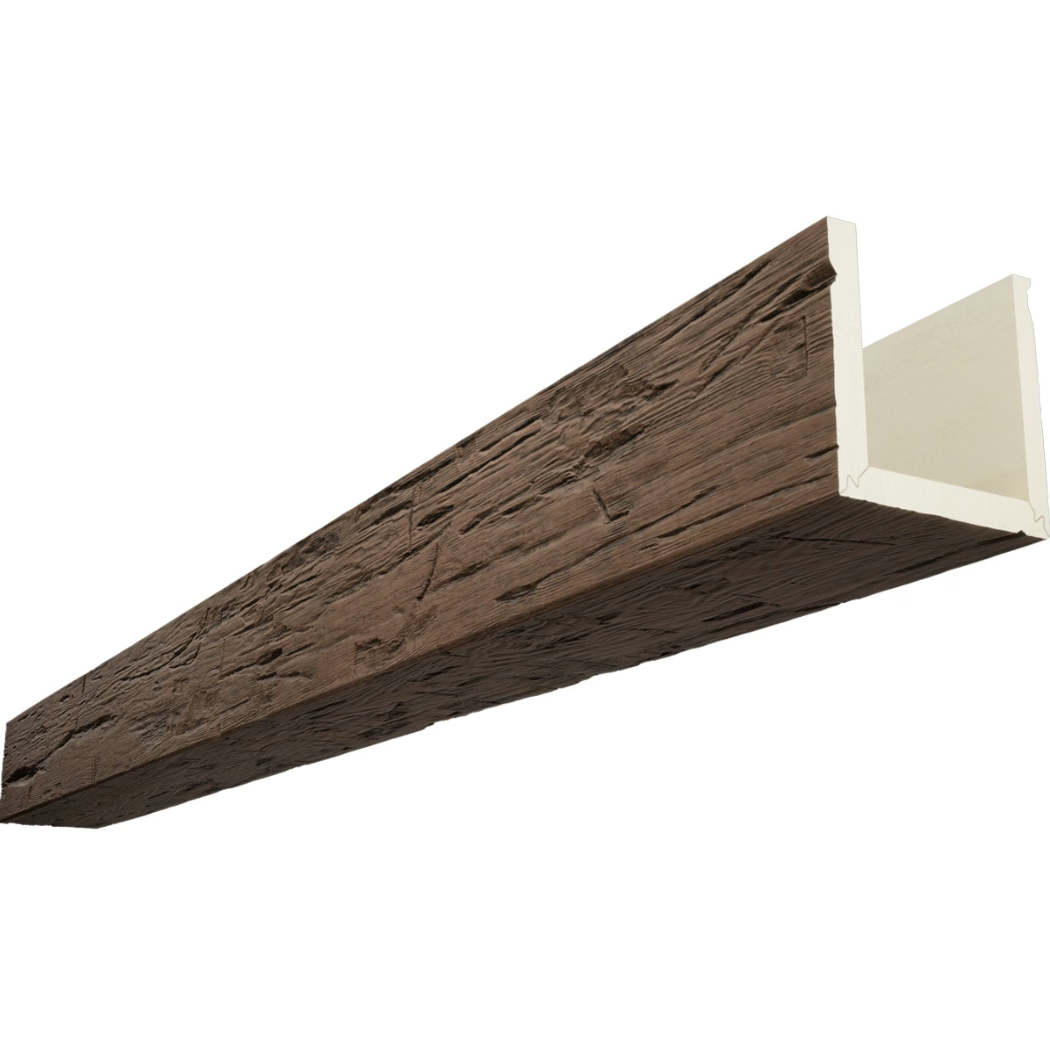
The performance requirements for ceiling materials vary dramatically across application contexts. A residential living room ceiling might never experience anything more challenging than occasional dusting, while a restaurant dining area ceiling must withstand the vibration of slamming doors, the proximity of high-reaching guests, and the periodic impact of serving trays and decorative elements. Matching material performance to application requirements ensures that beam installations provide lasting satisfaction rather than premature failure.
The Anderson Hotel renovation in Charleston illustrates the importance of scratch resistance in commercial applications. Their rooftop bar, featuring exposed beam ceilings in reclaimed timber style, receives thousands of guests monthly who reach upward to photograph the sunset views. The original specification called for natural reclaimed beams, but the property manager's experience with similar installations convinced them to specify scratch-resistant polyurethane instead. Three years later, those beams present the same appearance as installation day while natural wood alternatives in comparable venues show visible damage that diminishes their aesthetic appeal.
Understanding Scratch Resistance in Polyurethane
Scratch resistance in polyurethane materials derives from multiple formulation characteristics that work together to prevent surface damage. Hardness alone does not determine scratch performance; the material must balance hardness with flexibility to absorb impact energy without cracking or permanent deformation. This balance requires sophisticated formulation expertise that separates premium products from budget alternatives.
Cross-link density in polyurethane polymers affects both hardness and resilience, with higher cross-link generally improving scratch resistance. The molecular structure created during manufacturing determines these properties, with formulation variables including monomer selection, catalyst levels, and processing conditions all influencing the final product characteristics. Manufacturers optimize these formulations for specific performance requirements.
Surface energy affects how materials interact with objects that contact them, influencing both scratch creation and visibility. Lower surface energy typically improves scratch resistance by reducing adhesion between contacting materials. Surface treatments can modify surface energy characteristics, providing performance improvements that formulation changes alone might not achieve.
Impact absorption distributes force across larger areas, reducing stress concentrations that might cause visible damage. The cellular structure of polyurethane foams provides inherent impact absorption that solid materials cannot match. This energy distribution explains why polyurethane often outperforms denser materials in scratch and impact testing.
Commercial Application Requirements
Hospitality venues present some of the most demanding commercial applications for ceiling beams. Restaurants, bars, hotels, and entertainment venues all subject ceiling materials to abuse that residential specifications would never encounter. The combination of high traffic, elevated customer behavior, and extended operating hours creates performance requirements that standard products cannot reliably meet.
Retail environments challenge ceiling materials with merchandise activities that bring products into close proximity with overhead surfaces. Stocking activities, display changes, and customer behavior all create potential for ceiling contact that might damage less durable materials. Scratch-resistant formulations provide the durability these applications require while maintaining the aesthetic appeal that retail environments demand.
Healthcare facilities present different challenges that scratch resistance addresses indirectly. The cleaning protocols required in medical environments involve chemical exposure and physical contact that can degrade less resistant surfaces. The smooth, non-porous character of quality polyurethane beams supports the cleaning protocols that healthcare requires while resisting the surface damage that harsh treatment might cause.
Educational facilities must accommodate the unpredictable behavior of children and young adults who may not exercise care around architectural elements. Classroom activities, sports events, and social gatherings all create opportunities for ceiling contact that less durable materials would not survive. The durability that scratch-resistant beams provide ensures that educational facility aesthetics persist throughout the school year cycle.

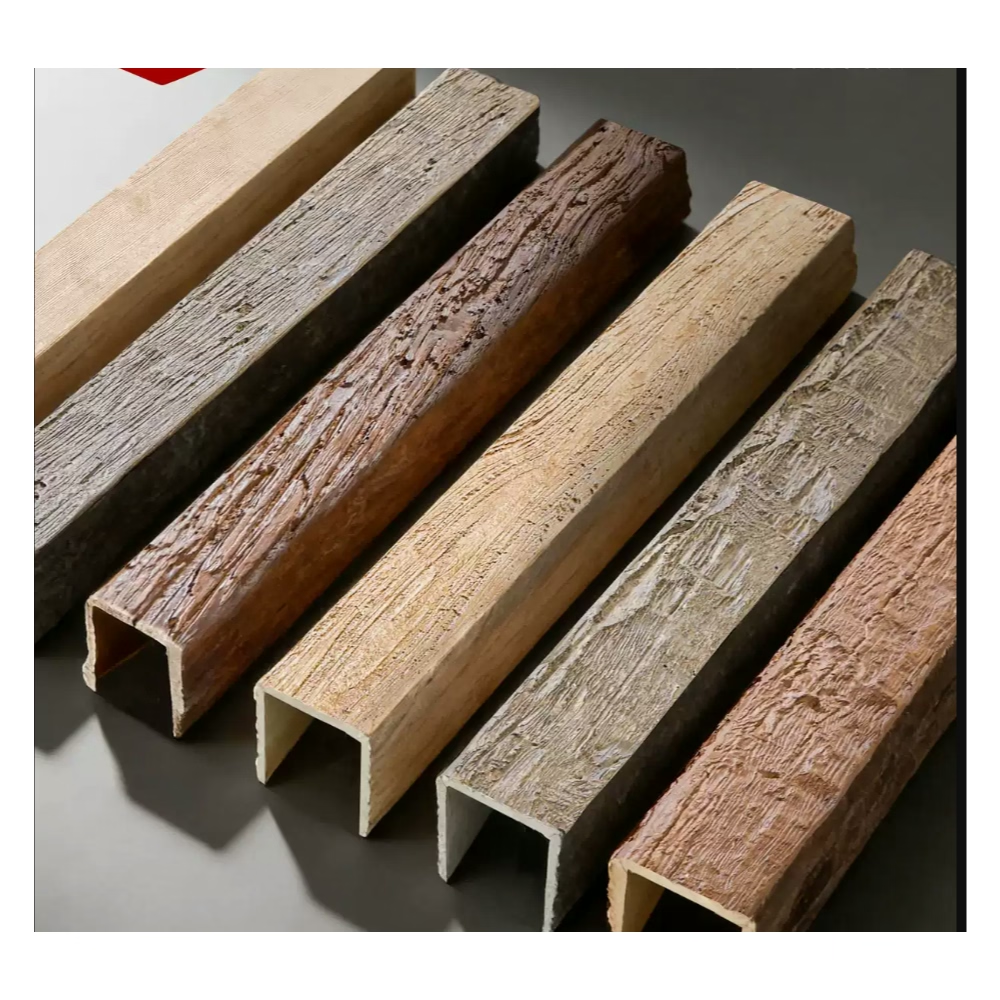
Formulation Technologies for Enhanced Durability
Nano-composite additives improve scratch resistance by incorporating reinforcing particles at the microscopic scale. These particles create microstructures that resist deformation and crack propagation, enhancing overall surface durability without affecting visible appearance. The loading levels and particle characteristics require optimization to achieve desired properties without compromising other performance characteristics.
Surface coating systems provide additional scratch protection through layered construction that separates the decorative surface from the substrate. These coatings range from simple clear topcoats through sophisticated multi-layer systems incorporating various protective technologies. The coating approach allows optimization of base and surface properties independently, achieving combinations that single-formulation products cannot provide.
UV-stable additives protect surface properties from the degradation that extended light exposure causes. While scratch resistance focuses on mechanical properties, UV stability ensures that these properties persist throughout the product service life. The combination of mechanical durability and environmental resistance defines truly durable products appropriate for demanding applications.
Ceramic reinforcement technology incorporates ceramic particles or fibers that enhance surface hardness while maintaining the flexibility that polyurethane provides. These ceramic-polymer composites represent advanced materials technology that premium manufacturers employ for demanding applications. The resulting products combine the durability of ceramics with the workability of polymers.
Testing and Performance Verification
Abrasion testing evaluates surface durability through controlled contact with standardized abrading materials. Taber abrasion testing, using rotating wheels with specified abrasive surfaces, provides reproducible measurements that enable product comparison. Quality manufacturers specify abrasion resistance thresholds that ensure adequate performance in intended applications.
Scratch testing applies controlled loads through various stylus geometries to determine loads that cause visible damage. These tests establish scratch resistance thresholds that inform specification decisions for different application contexts. The relationship between test results and real-world performance requires understanding that accelerated testing may not perfectly predict field experience.
Impact testing evaluates resistance to sudden contact that might occur through accidental collision or dropped objects. Falling object tests determine whether impacts create visible damage, while pendulum impact testing measures energy absorption characteristics. These tests inform applications where impact exposure is anticipated.
Accelerated aging testing evaluates how surface properties change over extended exposure to environmental factors. UV exposure, temperature cycling, and humidity variation all affect surface properties over time. Testing that simulates years of exposure in weeks enables prediction of long-term performance from short-term testing.
Application-Specific Specification
Restaurant and bar specifications should account for the specific activities that occur in each venue type. Fine dining establishments may require more refined aesthetics than casual dining venues, while entertainment-focused venues may prioritize durability over surface subtlety. Matching specification to venue character ensures appropriate balance between competing requirements.
Hotel specifications vary by property type and positioning. Luxury properties may prioritize aesthetics over durability, expecting staff and housekeeping practices that minimize abuse. Business hotels and extended-stay properties face different usage patterns that might stress durability more heavily. Family-oriented resorts require maximum durability given the elevated activity levels of young guests.
Office building specifications should consider both employee and visitor behavior patterns. Executive areas may present lower abuse potential than common areas, lobby spaces, and break rooms. The diversity of spaces within commercial buildings suggests that different durability specifications might be appropriate in different areas.
Residential specifications for challenging applications like home workshops, children's play areas, and active family spaces benefit from commercial-grade durability. While these applications might not face the extreme conditions of commercial venues, the elevated abuse potential compared to standard residential use justifies upgraded specification.
Maintenance of Scratch-Resistant Surfaces
Cleaning protocols for scratch-resistant beams should avoid abrasive materials that might defeat the protective properties that justify premium pricing. Soft cloths, non-abrasive cleaners, and gentle techniques maintain appearance without compromising surface integrity. Manufacturer guidance on appropriate cleaning products should guide maintenance protocol development.
Touch-up capability ensures that any damage that does occur can be addressed without complete replacement. Quality manufacturers provide repair kits or touch-up materials that match factory finishes, enabling repairs that restore appearance following damage events. Having these materials available before damage occurs enables prompt response when repairs become necessary.
Inspection protocols identify damage that might require attention before it becomes severe. Regular inspection of beam surfaces, particularly in high-traffic areas, catches problems early when repair remains simple. Documentation of inspection findings supports warranty claims if material defects rather than abuse cause observed damage.
Professional restoration services address damage that exceeds touch-up capability. These services have access to materials and techniques that generalize repair capability, addressing scratches, gouges, and other damage that homeowner intervention might not successfully resolve. Understanding when professional intervention is appropriate prevents failed repair attempts that might worsen damage.
Cost-Benefit Analysis for Durability Investment
Initial cost premiums for scratch-resistant formulations typically range from 20 to 40 percent above standard products. This premium reflects the additional formulation complexity and manufacturing precision that enhanced durability requires. The premium may be higher for products incorporating advanced technologies like nano-composites or ceramic reinforcement.
Lifecycle cost analysis should account for cleaning frequency, repair requirements, and replacement intervals that differ between standard and enhanced durability products. In high-abuse applications, the extended service life and reduced maintenance of premium products frequently justify initial cost premiums. The analysis should extend across reasonable service life expectations for both alternatives.
Warranty coverage differences reflect manufacturer confidence in product performance. Extended warranty periods often accompany premium formulations, providing both protection and peace of mind. The warranty terms should factor into specification decisions, with longer coverage periods suggesting greater manufacturer confidence in durability performance.
Replacement cost considerations become relevant when product availability might change over extended service life periods. Manufacturers maintaining product lines for extended periods enable future replacement matching, while discontinued products might require complete system replacement at end of life. Product line stability affects long-term maintenance planning for commercial installations.
Future Developments in Durability Technology
Self-healing polymer technology represents an emerging area with potential application to polyurethane beams. These materials restore surface integrity following damage through mechanisms like molecular chain reorganization or embedded healing agent release. While commercial applications remain limited, development continues toward more practical self-healing formulations.
Graphene incorporation offers potential for dramatically improved mechanical properties through the exceptional strength of carbon nanomaterials. Research continues on practical incorporation methods that achieve property improvements without excessive cost or manufacturing difficulty. Future products may incorporate graphene or similar materials as these technologies mature.
Bio-based polyurethane developments respond to sustainability pressures while potentially offering durability benefits. Plant-derived feedstocks sometimes provide performance characteristics that petroleum alternatives cannot match. These developments may enable products with improved environmental profiles without sacrificing durability performance.
Smart surface technologies that respond to damage exposure could transform how we think about surface durability. Self-reporting surfaces that indicate damage location, self-cleaning surfaces that resist contamination, and adaptive surfaces that modify properties based on exposure all represent active research areas. Future beam products may incorporate some of these technologies as they mature from laboratory curiosities to practical applications.

Technical References
ASTM standards cited in every specification
Test Data
Lab results from internal testing program
Updated 2026
Reviewed against current product specs