The maker movement has transformed how people approach home improvement projects. Instead of accepting whatever products manufacturers offer, today's DIY enthusiasts look for starting points that they can customize to express their own creativity. Unfinished customizable PU faux beams fit perfectly into this philosophy, providing high-quality base products that become unique through owner-applied finishing work. The results frequently surpass what mass-produced finished products achieve because they reflect the specific vision and care of their creators.
Why Customization Matters in Home Design
Mass production excels at consistency and efficiency but struggles with personalization. Every kitchen might receive the same cabinet finishes, every living room the same builder-grade fixtures. This standardization creates functional spaces but often fails to create homes that feel genuinely personal. The reaction against this homogeneity drives the interest in customized products that allow individual expression.
Ceiling beams sit in prominent positions where their appearance significantly affects room character. Unlike decorative items that can be easily changed, ceiling installations represent commitments of both time and money that homeowners expect to enjoy for years. The desire to achieve exactly the right appearance—coordinated with existing finishes, matching specific visions, creating intended atmospheres—naturally leads toward customization options.
The satisfaction of creating something oneself adds another dimension beyond mere appearance. Completing a custom finishing project generates pride that purchasing finished products simply cannot match. When friends and family admire the beams and ask about them, the story of personal creation becomes part of the home's narrative and the homeowner's identity.
Surface Options and Their Implications
Unfinished customizable beams typically offer multiple surface options suited to different finishing approaches. Understanding these options helps select products appropriate for intended techniques and desired outcomes.
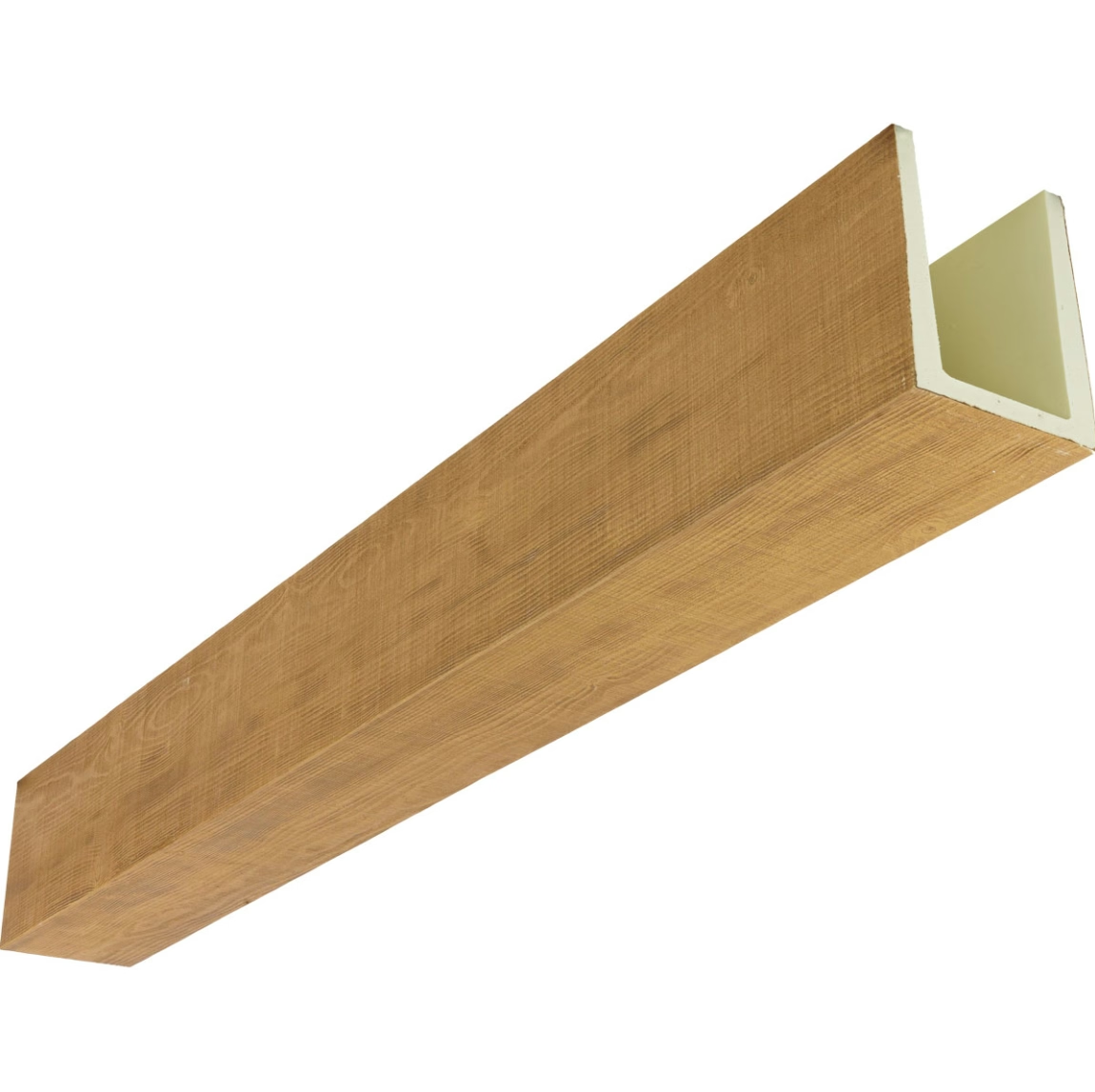
Smooth surfaces suit paint applications and techniques requiring uniform substrate. These surfaces accept primer and paint evenly, allowing clean modern aesthetics or artistic treatments. The absence of texture means every brush stroke and roller mark would show, requiring technique attention or spray application for flawless results.
Medium-textured surfaces provide subtle visual interest that helps painted finishes appear more natural. The slight grain or pattern creates visual depth that pure smooth surfaces lack. This texture level works well for farmhouse styles, cottage aesthetics, or any design where some surface character is desirable without the heavy distressing associated with rustic looks.
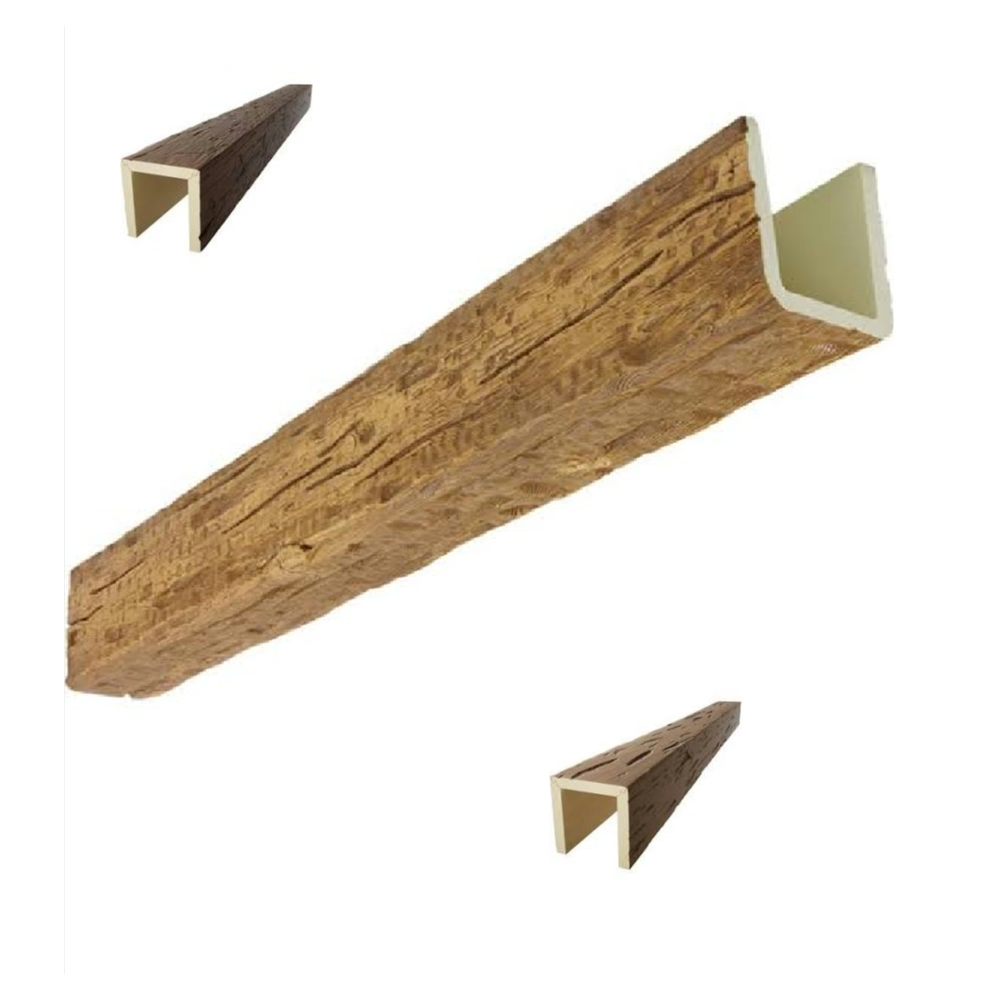
Heavily textured surfaces accommodate more aggressive finishing techniques including dramatic distressing, layered color treatments, and weathering effects. These surfaces provide plenty of visual interest that sophisticated finishing techniques can either enhance or subdue as the project requires. Working with pronounced texture requires more finish material and more attention to achieving consistent coverage.
Planning Your Custom Finishing Project
Successful customization requires planning that extends beyond simple color selection. Consider how finished beams will coordinate with existing room elements: wall colors, flooring tones, furniture finishes, and hardware styles all influence appropriate beam treatment. Gathering samples of existing materials and comparing them with potential finish options before committing helps avoid expensive mistakes.
The complexity of the finishing approach should match both skill level and available time. Simple paint treatments with careful application can produce excellent results even for first-time finishers. Complex techniques like multi-layer glazing, aggressive distressing, or specialty finishes require more practice and realistic time investments. Starting with achievable goals and building skills through completed projects prevents frustration and disappointment.
Allocate adequate workspace for finishing activities. Proper ventilation, dust control, temperature management, and protection for surrounding areas all affect both safety and results. Attempting to finish beams in living spaces invites problems ranging from overspray damage to inadequate curing conditions. Garage, basement, or outdoor covered spaces typically provide better working environments.

Technique Options for Various Aesthetics
Modern finishing techniques offer possibilities that earlier generations of DIYers couldn't access. Understanding available options helps match techniques to desired outcomes effectively.
Solid color painting provides clean, consistent appearance suitable for contemporary spaces. Matte, satin, and semi-gloss sheens create different effects, with higher sheens adding perceived brightness and formality while lower sheens contribute warmth and informality. The beam profile itself affects how paint sheen appears; complex profiles catch light at various angles, creating subtle variations that smooth surfaces wouldn't show.
Washing and glazing techniques add depth and dimension to painted surfaces. Thin color layers applied over base coats and partially wiped away create visual interest without heavy distressing. This approach works well on textured surfaces where glaze pooling in crevices enhances depth perception. The technique requires practice to achieve consistent results, but the visual payoff justifies the learning curve.
Wood-tone finishing recreates natural wood appearances on blank substrates. This can be achieved through gel staining, layered paint and glaze combinations, or specialty products designed for faux wood finishing. The goal is convincing simulation that integrates seamlessly with authentic wood elements that might exist in the same space.
Tools and Materials Needed
Successful custom finishing requires appropriate tools. The investment in quality implements pays returns through better results and more enjoyable working experiences.
Brush selection matters more for some techniques than others. Natural bristle brushes hold and release finish materials differently than synthetic alternatives; understanding these differences helps select appropriate tools for specific applications. Foam brushes work well for certain products and techniques while being unsuitable for others.
Spray equipment produces superior results for many applications but requires more setup and cleanup than brush application. Small projects might justify aerosol cans of finishing products; larger projects benefit from compressed air spray systems. Understanding the requirements and limitations of spray application prevents disappointing results from inappropriate equipment choices.
Sandpaper and sanding blocks in various grits enable surface preparation and finish leveling. Having a complete range from coarse cutting grit through fine finishing grit ensures appropriate tools for each phase. Sanding accessories that conform to beam profiles make working with complex shapes more practical.
Learning and Skill Development
Even accomplished DIYers continue developing their finishing skills over time. Starting with less visible pieces or practice samples builds technique confidence before tackling prominent installations. Lumber yards and specialty suppliers often sell small blanks specifically for practice finishing at modest cost.
Online resources provide guidance that earlier generations of finishers couldn't access. Video demonstrations, technique tutorials, and product reviews help identify approaches that work before committing time and materials to uncertain techniques. Communities of enthusiastic finishers share both successes and failures, providing realistic expectations about what to anticipate.
Patience proves essential throughout the finishing process. Rushing drying times, skipping preparation steps, or applying heavy coats to speed completion consistently produces inferior results that require correction. Building realistic project timelines that account for proper technique and adequate cure times prevents the frustration of damaged work from premature handling or installation.
Technical References
ASTM standards cited in every specification
Test Data
Lab results from internal testing program
Updated 2026
Reviewed against current product specs


