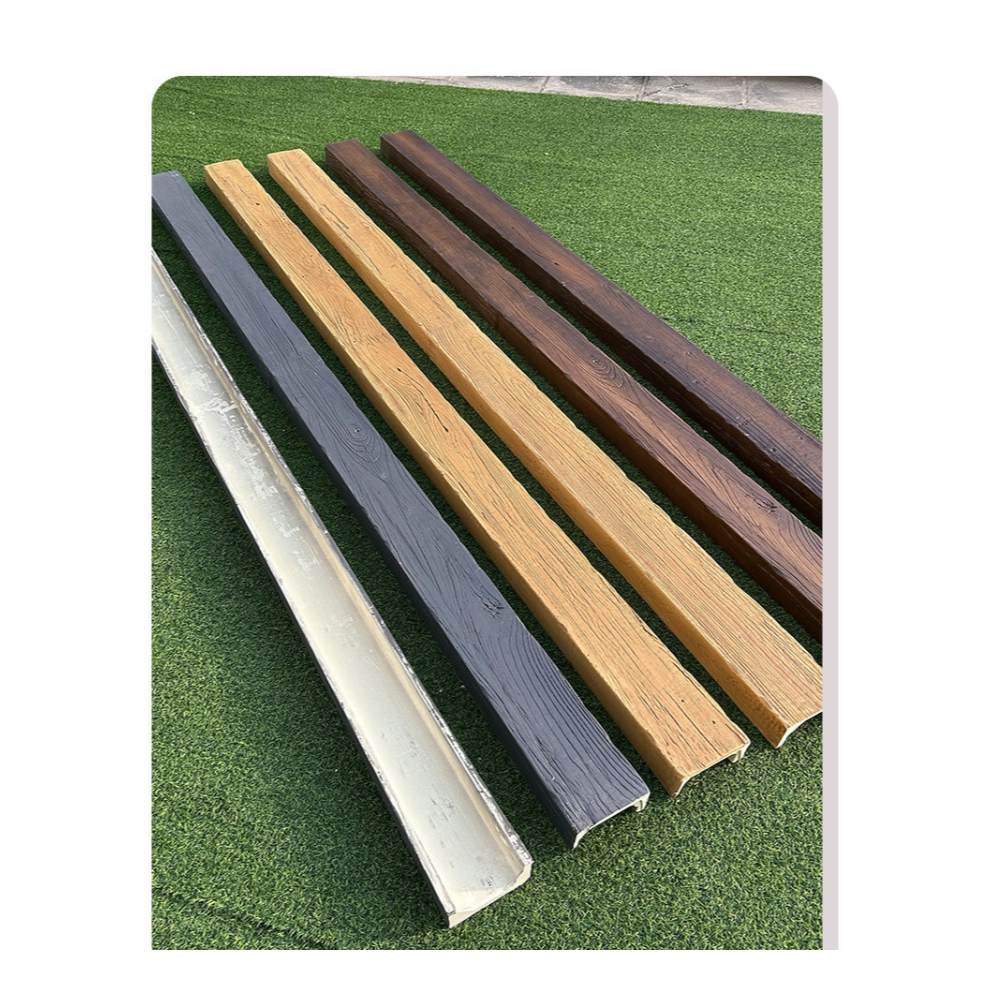
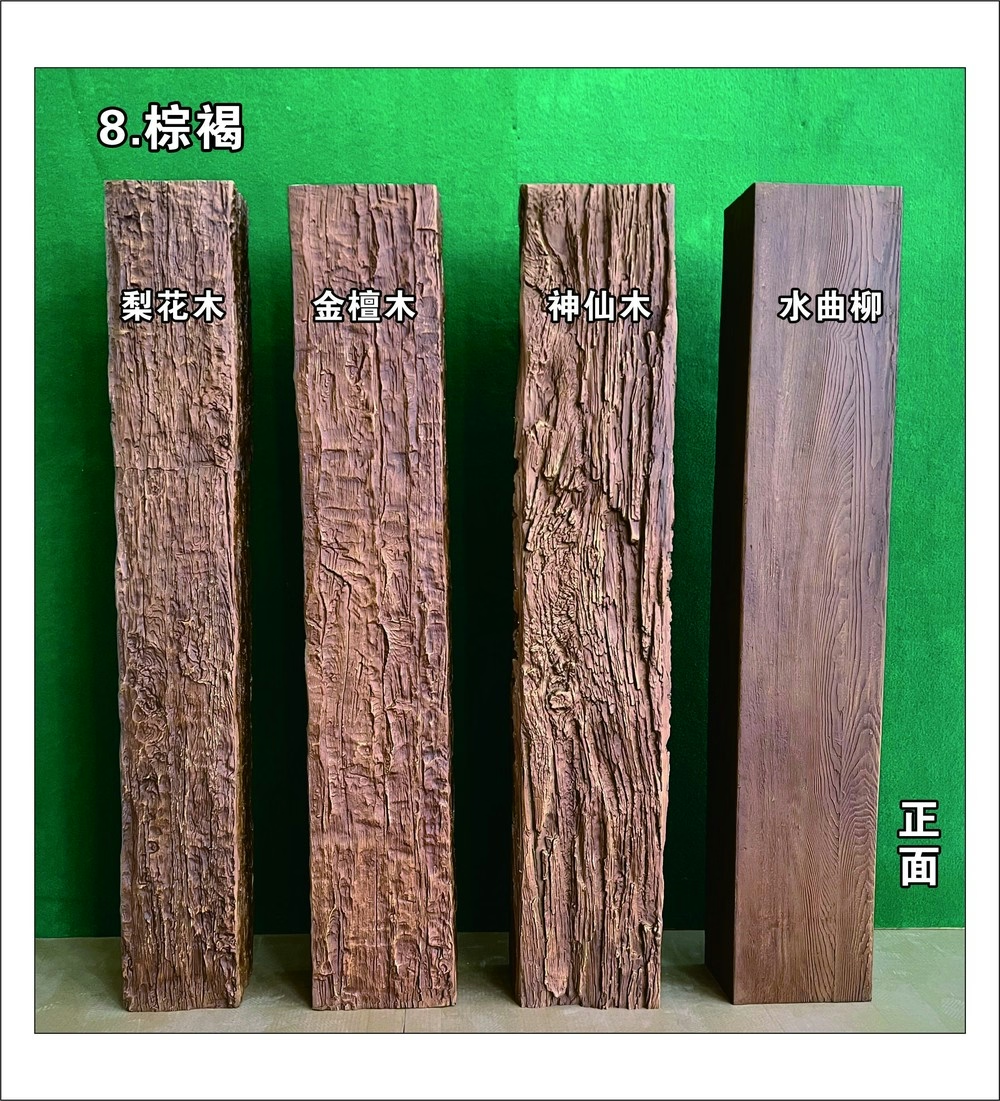
The difference between amateur and professional ceiling beam installations often reveals itself in details that casual observers might never consciously notice. Clean transitions at beam terminations, consistent finish coverage across all surfaces, and attention to elements that occur at room edges and intersections—these details communicate quality even when they escape explicit notice. Raw polyurethane beam end covers address one of these detail challenges: providing properly textured and finished ends where beams terminate against walls, columns, or other architectural elements.
The Challenge of Beam Terminations
Ceiling beams rarely span continuously from one side of a room to the other without interruption. Windows, doors, ceiling height changes, and simple design preferences all create situations where beams must terminate rather than continue. These terminations present finishing challenges because the cut or factory ends of beam products may not match the textured surfaces that characterize the rest of the installation.
Genuine timber beams addressed this challenge through the crafts of millwork and finishing. Skilled workers could shape ends to match existing profiles, apply grain treatments, and ensure that termination points appeared as intentional design elements rather than afterthoughts. Achieving similar results with faux wood products requires either specialized components or extensive custom work—until end covers became available as standardized accessories.
End covers function as caps that transform unfinished beam terminations into surfaces that match the rest of the installation. The cover presents the same texture, accepts the same finishes, and integrates seamlessly with main beam bodies. Once installed and finished, the termination point becomes invisible, creating the impression of continuous material throughout.
Design and Construction of Quality End Covers
Manufacturers producing quality end covers invest significant engineering in these seemingly simple accessories. The cover must interface cleanly with beam bodies while presenting finished surfaces at exposed edges. This requires precise dimensional control that mass production must achieve consistently across every piece produced.
The attachment mechanism deserves consideration. Some end covers rely on friction fit that holds them in place during finishing and installation. Others include mechanical fastening provisions that ensure permanent securement. The approach chosen affects both installation procedures and the durability of final connections.
Surface texture on end covers must match the beam products they accompany precisely. Variations in texture depth, pattern frequency, or surface character would create visible mismatches in completed installations. Manufacturers typically produce end covers using the same mold families and surface treatments as corresponding beam products, ensuring consistency across the product line.
Material properties should match main beam products as well. Density, hardness, and finishing characteristics all need to align so that application techniques and final appearances remain consistent. Purchasing end covers from the same manufacturer as main beam products provides the best assurance of compatibility.
Finishing End Covers to Match Beams
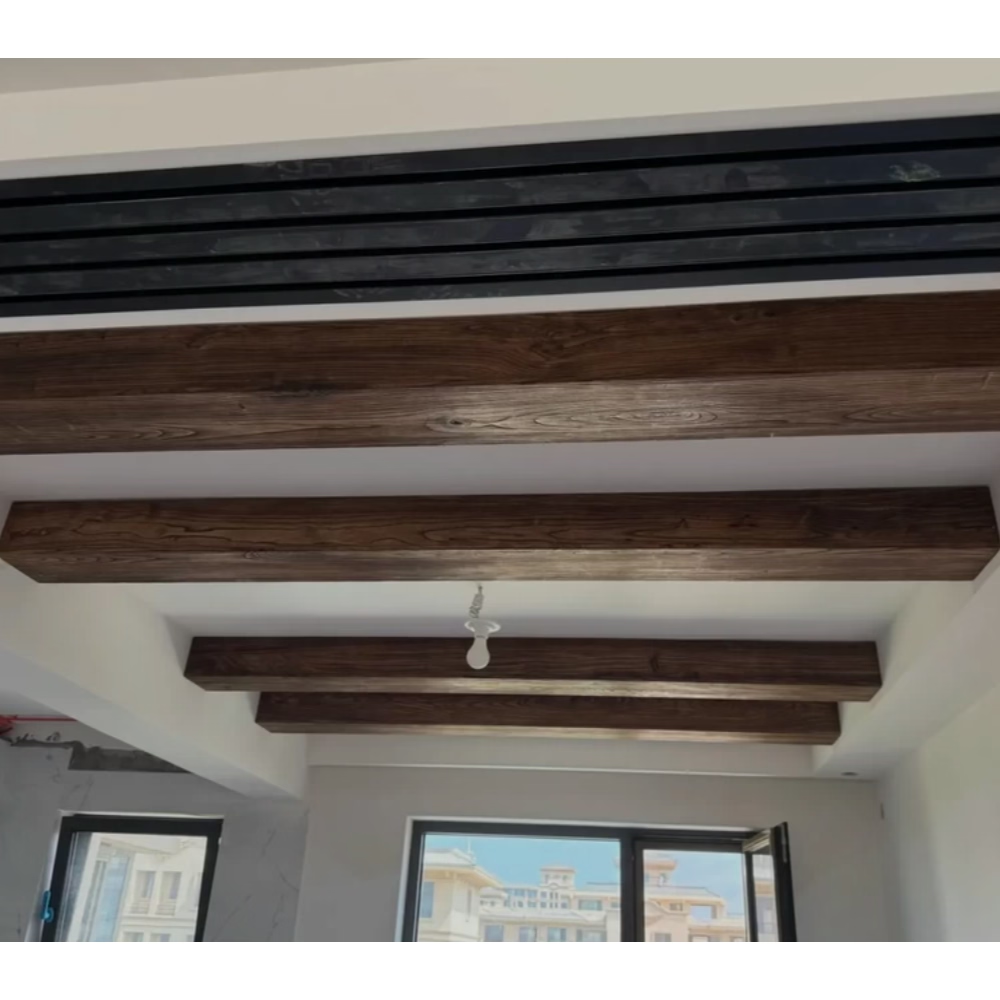
The raw surface of unfinished end covers requires finishing attention before installation. The goal is achieving color and texture consistency with main beam bodies so that completed installations appear seamless.
Synchronized finishing ensures the best color matching. If end covers receive finish application separately from main beams, slight variations inevitably develop—different absorption rates, environmental conditions during application, or simply minor technique differences. The most reliable approach involves finishing all components simultaneously, applying identical treatments to beams and end covers together.
Handling during finishing requires care to avoid damage to finished surfaces. Supporting pieces appropriately, using appropriate application tools for the complex geometries involved, and allowing adequate cure time all contribute to successful results. End covers with significant three-dimensional shaping may require special attention to reach all surfaces adequately.
Test fitting before finishing helps identify any adjustment needs. Slight dimensional variations between end covers and beam bodies might require trimming or shimming to achieve proper fit. Discovering these issues after finishing creates frustrating decisions between accepting gaps or damaging completed work to make corrections.

Installation Procedures
Proper installation of end covers ensures that the finished appearance remains consistent over time. The connection between cover and beam must be secure, and the transition between them must appear continuous.
Positioning end covers requires checking alignment before committing to adhesive or mechanical fastening. Some designs include alignment features that simplify positioning; others require careful measurement and marking. Taking time to verify that covers sit flush against beam ends and align properly with the overall installation orientation prevents errors that would be difficult to correct after fastening.
Adhesive selection affects both immediate bond strength and long-term durability. Construction adhesives formulated for polyurethane and similar materials provide reliable performance. The adhesive should fill any gaps between cover and beam while curing to rigid consistency that won't compress over time. Following manufacturer recommendations regarding adhesive type ensures compatibility and performance.
Clamping during adhesive cure maintains position while bonds develop. The pressure should be sufficient to hold parts in intimate contact without distorting surfaces. Masking tape, spring clamps, and specialized holding fixtures all serve this purpose depending on specific configurations and available tools.
Applications Beyond Simple Terminations
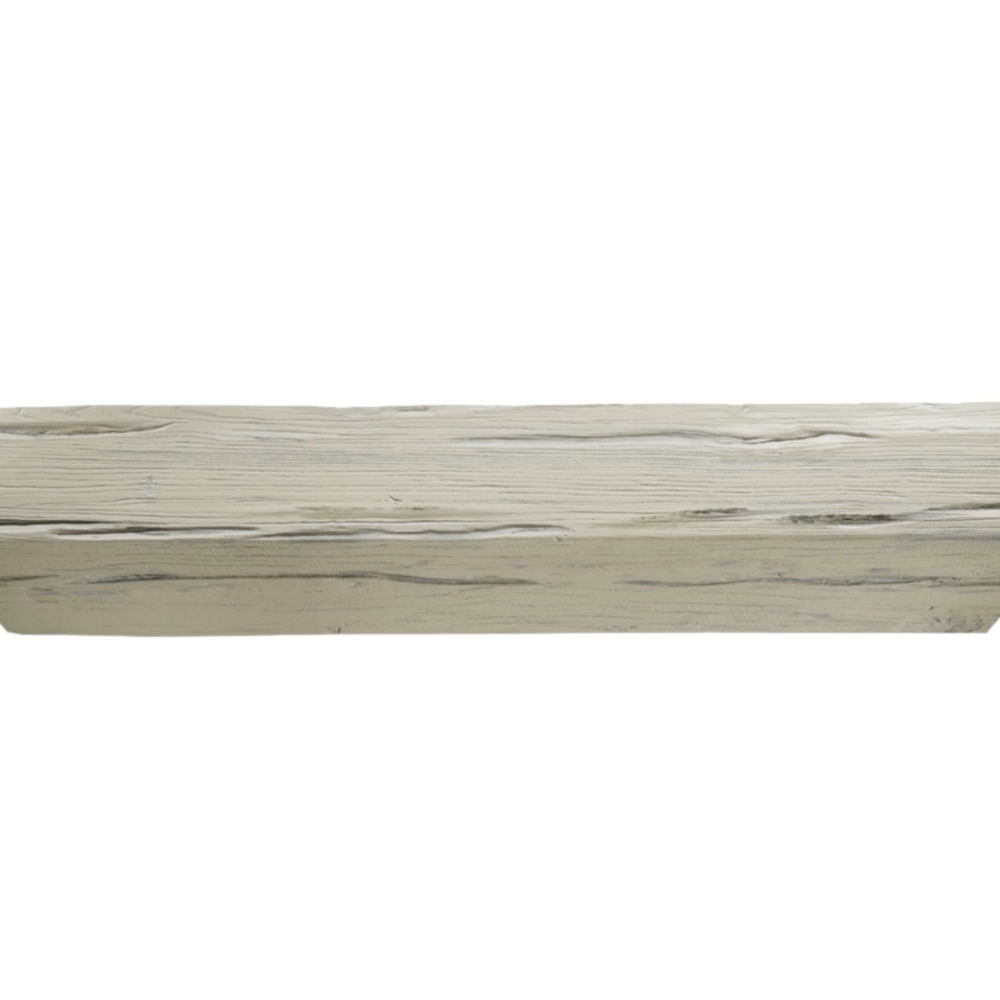
Beyond basic beam end finishing, end covers and similar accessories serve various specialized applications that benefit from their availability.
Corner installations often require end covers at both horizontal and vertical intersection points. The geometry creates complex termination requirements that standard components address. Matching textures and finishes across these intersections maintains visual continuity that would otherwise require extensive custom work.
Beam splicing locations present termination challenges similar to end-to-wall situations. The joint between beam sections may require covering or blending that end covers or specialized splice components address. Manufacturers typically offer splice accessories designed for specific product lines.
Decorative applications sometimes use end covers independently of main beam installations. Finishing individual end covers to create medallions, ornamental discs, or other design elements extends the utility of these accessories beyond their primary function.
Selecting Appropriate End Covers
Not all end covers suit all applications. Dimensional compatibility between covers and beams must be verified before purchase. Profile shape must match the specific beam product being terminated. Surface texture must align with finishing intentions.
Supplier communication helps ensure appropriate selection. Reputable manufacturers and distributors can confirm compatibility between specific products and recommend appropriate accessories. Providing detailed information about beam dimensions, profiles, and intended applications enables informed recommendations.
Quantity planning should account for both installed pieces and potential replacements. Having spare end covers available simplifies any future repairs or modifications. The modest cost of additional pieces represents insurance against more significant expenses if replacements become necessary and the original product line has been discontinued.
Technical References
ASTM standards cited in every specification
Test Data
Lab results from internal testing program
Updated 2026
Reviewed against current product specs