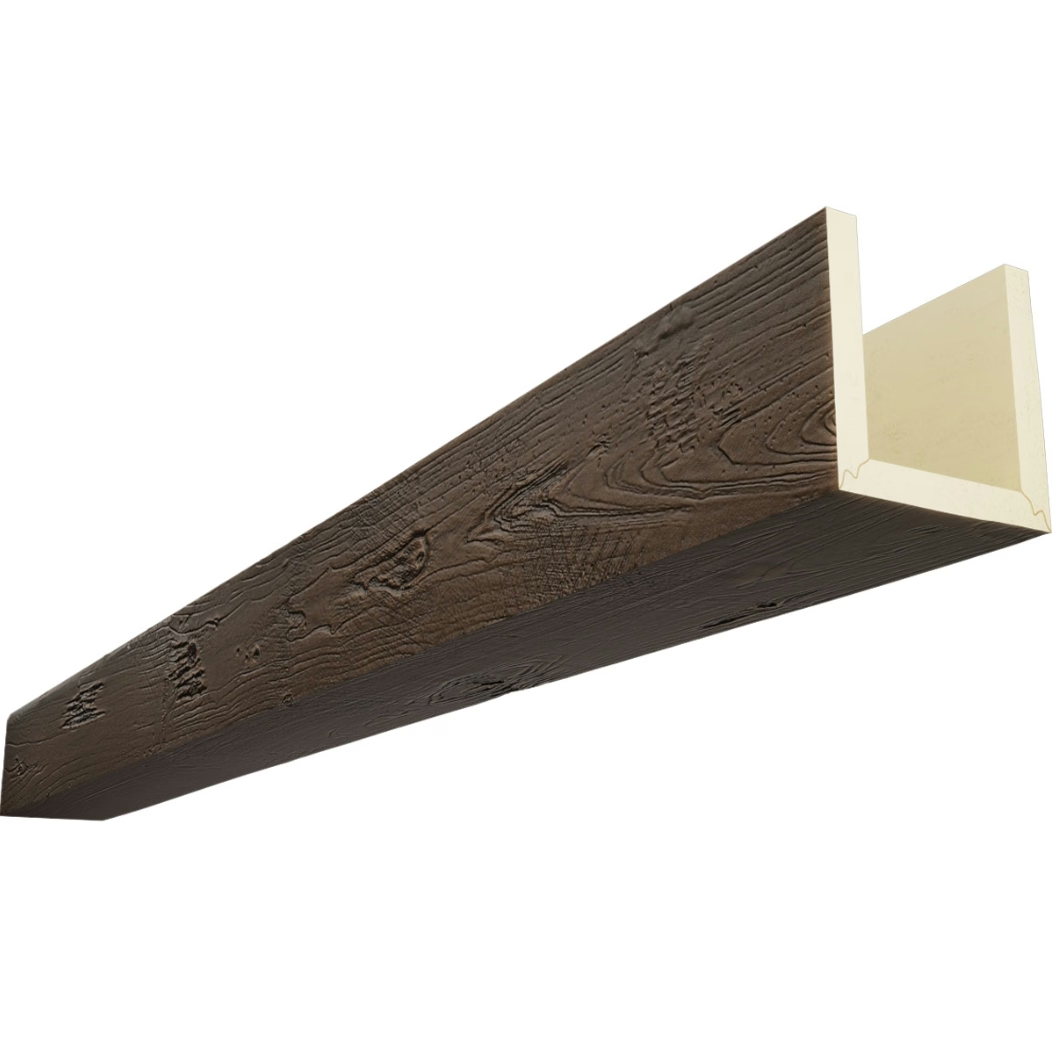
The appeal of doing things yourself extends far beyond mere cost savings, though that remains a welcome benefit. Completing a project with your own hands generates satisfaction that purchasing completed items simply cannot match. When the finished work receives compliments from visitors who have no idea it emerged from your effort and imagination, that satisfaction compounds into genuine pride. Raw PU faux wood beams provide perfect foundation for this kind of accomplishment, enabling results that appear professionally executed while reflecting the personal attention only an owner-creator can provide.
The Freedom Factor in Unfinished Products
Choosing unfinished products means accepting responsibility for outcomes that manufacturers otherwise determine. This shift from consumer to creator carries weight that some find uncomfortable and others find exhilarating. The freedom it provides cannot be overstated—whatever vision exists in imagination can potentially become reality if skill and effort align appropriately.
The starting point matters less than the direction of travel. Raw PU beams arrive ready to receive treatment rather than imposing appearance on the finished result. This neutrality creates possibility space that finished products foreclose entirely. What emerges from the finishing process reflects preferences, skills, and creative choices rather than manufacturing decisions made by strangers in factories.
Risk accompanies this freedom, of course. Finished products deliver guaranteed appearance; raw products deliver only potential. The gap between potential and actual outcome depends entirely on the attention, skill, and care applied during finishing. This responsibility motivates some users while intimidating others—an honest assessment of personal preferences helps determine whether raw products suit a given project.
Understanding Polyurethane as a Finishing Substrate
Polyurethane accepts finishes differently than wood despite their visual similarity. Understanding these differences prevents technique mistakes that might otherwise compromise results.
Porosity represents the most significant distinction. Wood fibers absorb liquid finishes, creating mechanical bond as well as color penetration. Polyurethane's non-porous surface cannot absorb liquids in the same way, relying primarily on mechanical surface bonding and, for some finishes, chemical adhesion. This difference affects both technique and material selection.
Surface energy influences how finishes spread and adhere. Some finishes bead on polyurethane surfaces rather than flowing evenly, particularly if contamination or incompatible primers exist. Testing on scrap material before committing to visible surfaces identifies potential issues that might otherwise create problems.
Flexibility differs between wood and polyurethane, affecting how finishes perform during handling and thermal cycling. Flexible finishes accommodate slight substrate movement without cracking; rigid finishes may fail if the underlying material flexes beyond their tolerance. Selecting appropriate products for polyurethane substrate ensures durable results.
Planning Your Finishing Approach
Successful custom finishing begins with planning that addresses both aesthetic and practical considerations. The vision for finished appearance should be documented clearly, including specific colors, techniques, and reference images if available. This documentation guides product selection and technique decisions throughout the project.
Material selection deserves serious attention because the difference between adequate and excellent finishing products significantly affects both process and outcome. Higher-quality paints provide better coverage, flow more smoothly, and maintain appearance longer. Superior stains and glazes offer richer colors and more controllable application. The modest premium for better products typically pays returns throughout the finishing process and the service life of the completed installation.
Equipment and workspace requirements should be identified before beginning. Finishing beams requires appropriate application tools, cure space with adequate ventilation and temperature control, and protection for surrounding areas. Attempting to work in inadequate space compromises both quality and safety.

Step-by-Step Finishing Process
Organized workflow produces better results than intuitive, reactive approaches. Establishing a logical sequence prevents backtracking and rework that wastes time and materials.
Surface preparation remains the foundation of quality finishing regardless of what specific techniques will follow. Cleaning removes contamination, sanding creates appropriate surface profile, and any necessary repairs address damage or imperfections. This phase should receive attention proportional to its importance rather than being rushed to reach the more interesting finishing steps.
Priming, when appropriate, prepares the surface for topcoat application. For polyurethane, priming serves more critical functions than it might for wood substrates. The primer creates adhesion for subsequent layers and may provide benefits like UV protection or moisture resistance depending on formulation. Quality primers designed for synthetic substrates perform better than general-purpose alternatives.
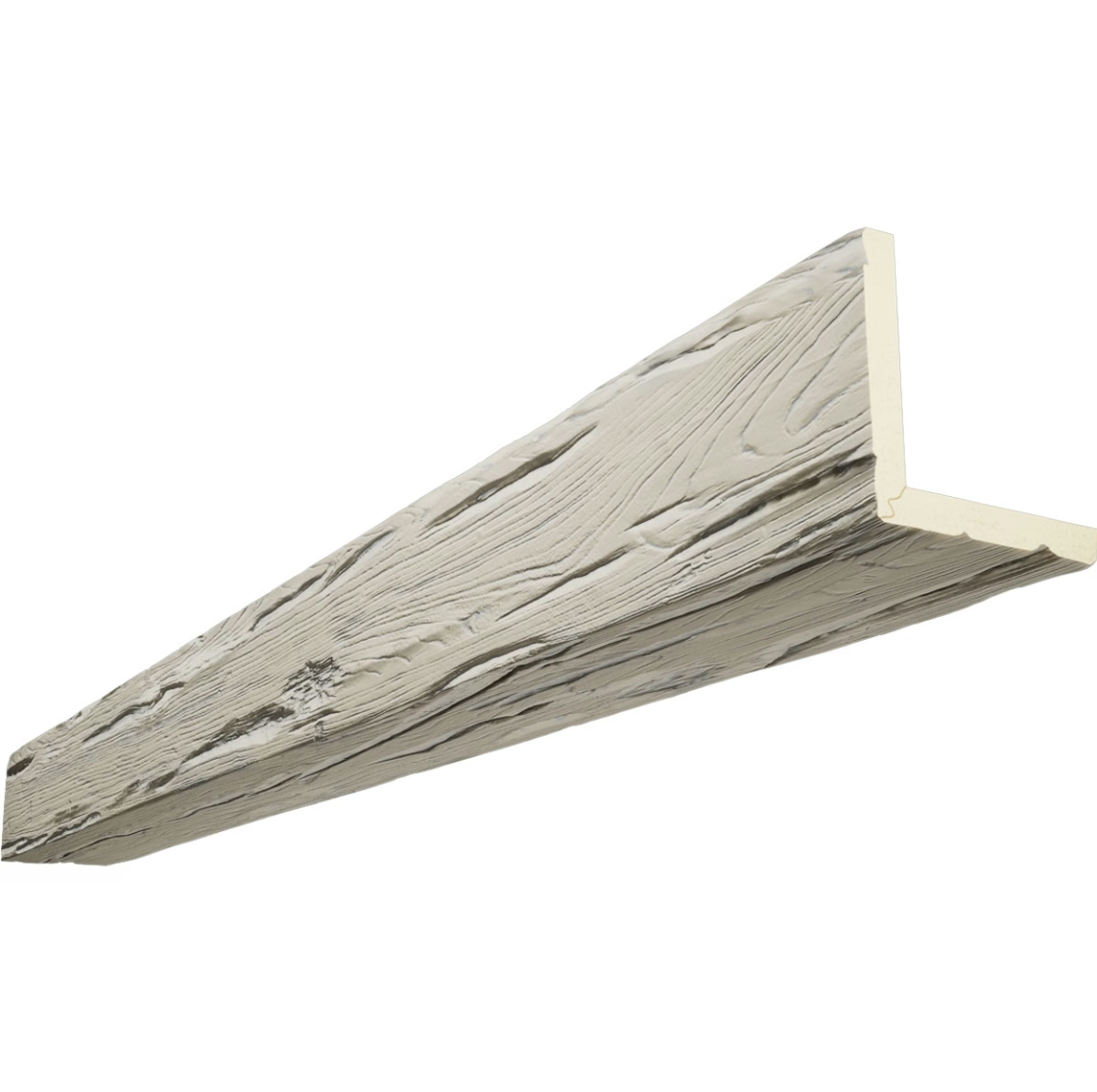
Color application builds the visual foundation that the finished beam will display. Whether paint, stain, or layered treatments create this color, the application should be methodical and consistent. Building coverage gradually prevents problems like drips, runs, and uneven appearance that plague rushed application. Each coat should dry fully before the next receives application.
Protective topcoats seal and protect the color layers beneath while providing the surface durability that ceiling installations require. The selection between matte, satin, and gloss sheens affects both appearance and performance characteristics. Water-based and oil-based options each carry advantages for specific applications.
Common Finishing Challenges and Solutions
Even well-planned projects encounter difficulties that require problem-solving. Understanding common challenges helps recognize them quickly and address them appropriately.
Adhesion failures manifest as peeling, flaking, or lifting of finished layers. These problems often trace to inadequate surface preparation, contamination, or incompatible products. When adhesion failures occur, identifying and addressing the root cause before reapplication prevents recurring problems.
Color inconsistency between beams or across complex profiles frustrates efforts to achieve uniform appearance. This challenge often responds to additional coats, adjusted technique, or alternative products. Sometimes the inconsistency itself becomes an intentional design element if aesthetic acceptance replaces frustration.
Drying and cure time pressure tempts shortcuts that compromise results. Beams that appear dry on the surface may retain solvent beneath that creates problems during later handling or installation. Following manufacturer recommendations regarding minimum cure times—even when surfaces seem ready—produces better durable outcomes.
Achieving Professional-Quality Results
The gap between DIY and professional finishing has narrowed dramatically as information and products have become more accessible. Achieving results that compare favorably with professional work requires attention to the same fundamentals that professionals follow.
Consistency in technique matters more than perfection in any individual step. Applying each coat identically, working in controlled conditions, and following proven sequences produces reliable results even if any single application contains minor imperfections. The accumulation of consistently applied minor steps yields professional-quality outcomes.
Attention to preparation distinguishes professional work from amateur efforts. Pros spend proportionally more time on surface preparation than on visible finishing because they understand how foundation quality affects everything built upon it. Following this principle elevates DIY results toward professional standards.
Patience throughout the process prevents the haste that creates problems. Rushing drying times, skipping preparation steps, or applying heavy coats to speed completion all create issues that require correction. The time investment in patient, methodical work pays returns in results that satisfy for years afterward.
Technical References
ASTM standards cited in every specification
Test Data
Lab results from internal testing program
Updated 2026
Reviewed against current product specs


