Multi-unit residential developments face unique design and construction challenges that single-family home projects simply don't encounter. When building hundreds or thousands of identical units, decisions that might seem minor in custom construction become significant at scale. Material consistency, installation efficiency, and long-term maintenance requirements all multiply across every unit in the development. Uniform faux timber beams address these scale considerations directly, providing a material solution that performs reliably when repetition rather than uniqueness becomes the governing design principle.
Scale Considerations in Multi-Unit Development
The mathematics of repetition favor different decisions than unique customization. A finish that costs slightly more per unit but requires less labor or maintenance becomes dramatically more economical when multiplied across hundreds of installations. A material that arrives consistently ready for installation eliminates the variable callbacks that plague builders working with less predictable products. These economic realities shape how developers and their design teams approach material selection.
Construction scheduling pressures in large developments reward efficiency. When framing, mechanical, and finish trades work in tight sequences, delays in one area cascade through the entire schedule. Materials that can be installed quickly and predictably contribute to schedule reliability. Faux timber beams that arrive ready for mounting without additional preparation support this efficiency imperative.
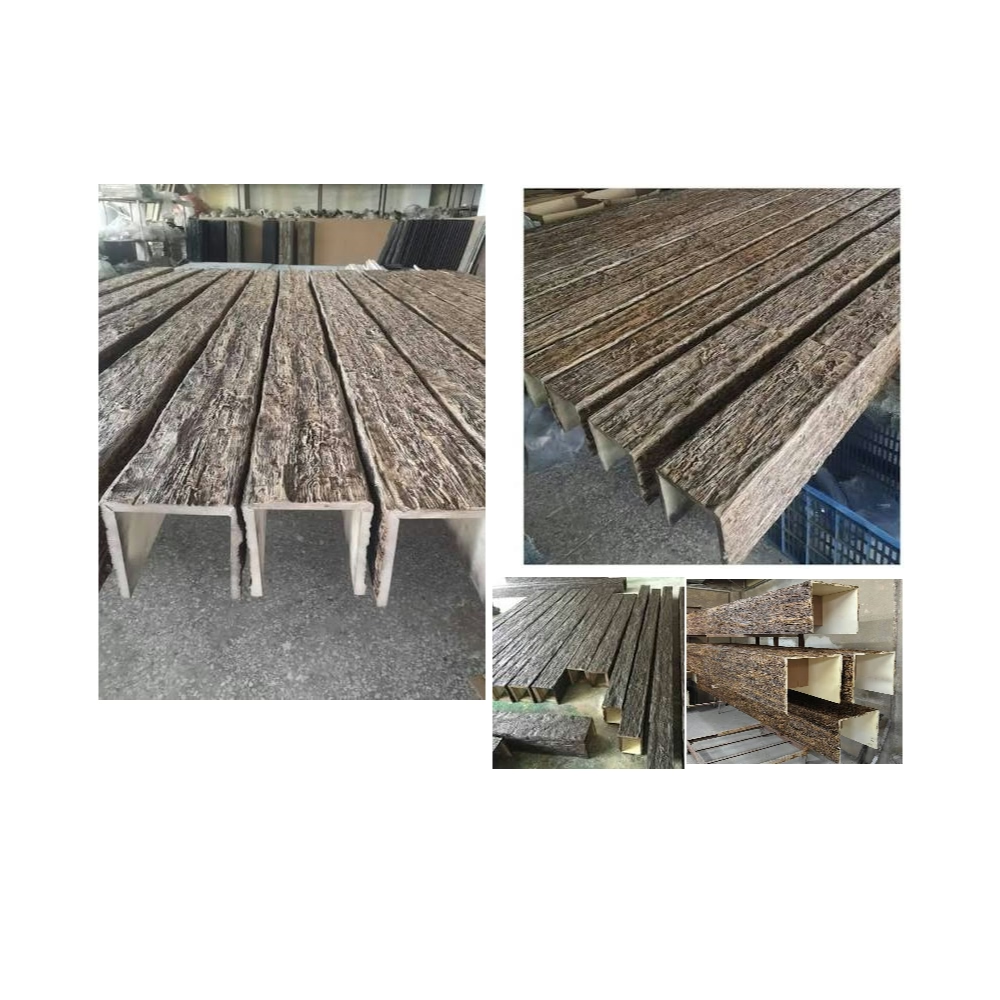
Quality control at scale requires specifications that can be verified consistently. Natural wood's inherent variability makes complete specification impossible—two pieces from the same shipment might differ enough to require different handling or produce different final appearances. Uniform faux beams enable complete specification: dimensions, appearance, weight, and performance characteristics can all be defined precisely and verified reliably at delivery.
Aesthetic Standards for Developer Projects
Developers balance aesthetic quality against cost considerations in ways that custom home builders rarely face. The goal is creating spaces attractive enough to support rental rates or sale prices while avoiding overbuilding that erodes margins. This balance requires materials that deliver meaningful design impact without demanding premium pricing or extensive craftsmanship.
Common areas in multi-unit developments benefit particularly from aesthetic investment because these spaces set first impressions and affect how residents perceive overall property quality. Lobbies, corridors, fitness centers, and amenity spaces all influence resident satisfaction and retention. Faux timber beams contribute warmth and character to these spaces without the installation complexity or ongoing maintenance that genuine timber would require.
Unit interiors may also incorporate beam elements depending on design approach. Vaulted ceilings in upper-floor units, exposed beam treatments in ground-floor lofts, or accent beams in dining and living areas all create the character that distinguishes well-designed units from commodity alternatives. Uniform faux beams provide this character consistently across whatever unit count the development contains.

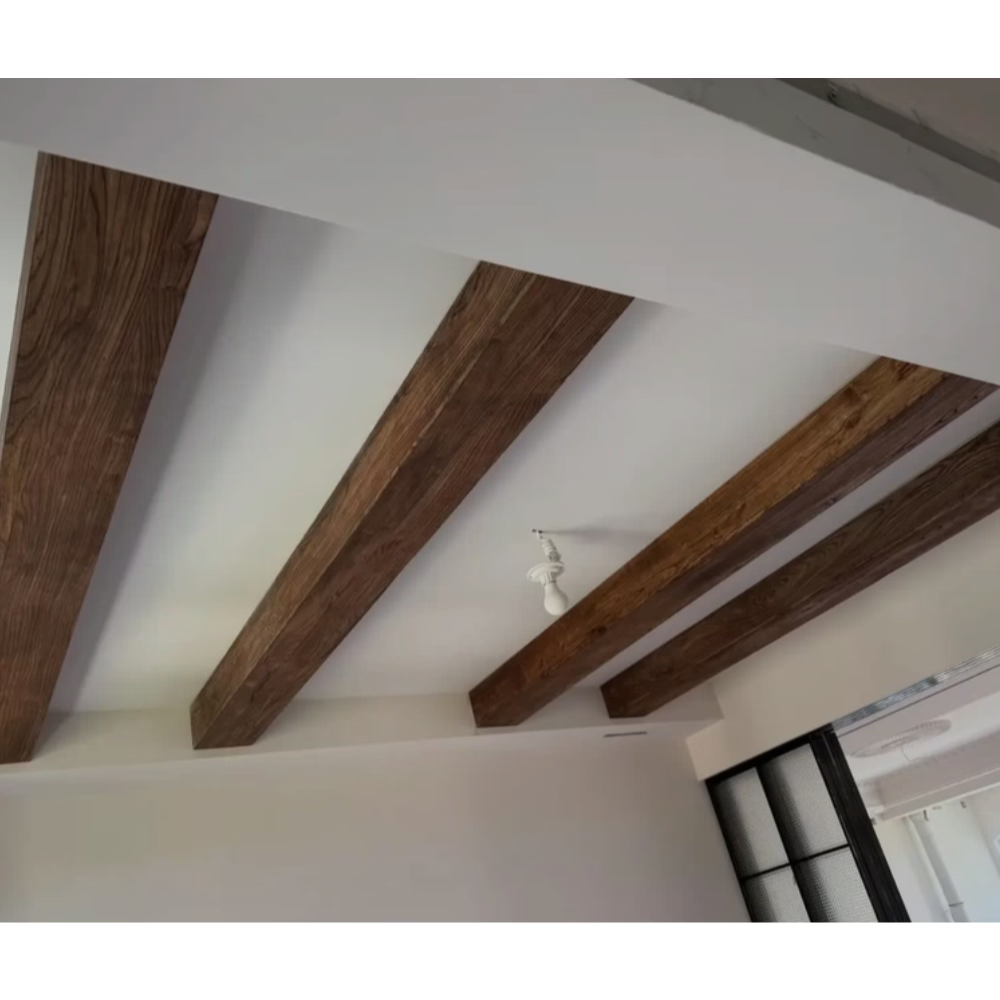
Installation Efficiency for Large Projects
Professional installers working large developments appreciate products that support efficient workflow. Uniform faux beams contribute to this efficiency through consistent handling characteristics, predictable mounting requirements, and minimal adjustment needs during installation.
Pre-finished surfaces eliminate on-site finishing labor that would otherwise require significant skilled trades time and extend schedules. Natural wood beams might need staining, sealing, or touch-up work; faux alternatives arrive with factory-applied finishes ready for immediate inspection and approval. This readiness compresses schedules by removing sequential finishing operations from critical paths.
Mounting system consistency enables rapid installation once support structures are in place. Installers develop proficiency when repeated tasks use consistent components. The learning curve that affects natural wood installations—each piece presenting unique characteristics and handling requirements—doesn't apply to uniform faux products.
Packaging and delivery for large projects benefits from standardization. Quantity takeoff becomes straightforward when products follow consistent specifications. Container loading and jobsite delivery optimize efficiently when dimensions and weights remain constant across order quantities. These logistics advantages translate into cost savings that benefit project economics.
Long-Term Maintenance Considerations
Developer decisions affect not just initial construction but ongoing property operations as well. Materials chosen today will require attention throughout the building's service life; anticipating these requirements prevents unpleasant surprises for future property managers and owners.
Durability requirements for multi-unit housing exceed single-family expectations simply because more people occupy the spaces. Occasional impacts from furniture moving, equipment handling, and everyday activities all test installed materials. Faux timber beams that resist damage maintain appearance despite this use intensity, reducing touch-up and replacement requirements.
Cleaning requirements affect operational budgets. Common area finishes may need regular cleaning to maintain intended appearance; materials that accept standard cleaning approaches without special treatment simplify these operations. Faux beams' non-porous surfaces typically wipe clean without requiring specialized products or procedures.
Replacement availability matters for buildings expected to serve for decades. When damage eventually requires component replacement, the ability to obtain matching products becomes essential. Uniform faux beam production ensures that products ordered years after initial installation will match existing installations closely enough for seamless integration.
Working with Developers and Property Managers
Successful supplier relationships with developer clients require understanding their priorities and constraints. These clients typically prioritize value over premium features, reliability over exceptional performance, and simplicity over customization.
Clear specifications prevent misunderstandings that can delay projects and damage relationships. Documenting product requirements completely—including appearance standards, performance characteristics, and delivery expectations—ensures that suppliers and developers share understanding before orders commit.
Demonstration samples allow developers to evaluate products before large commitments. Physical samples let decision-makers assess appearance, handling characteristics, and quality level directly. Reputable suppliers provide samples at modest cost that represent what orders will actually deliver.
Lead time planning accommodates the scale of developer orders. Large projects may require extended production schedules, particularly for non-standard configurations or colors. Starting supplier conversations early ensures that production capacity exists when needed and prevents the premium pricing that rush orders command.
Technical References
ASTM standards cited in every specification
Test Data
Lab results from internal testing program
Updated 2026
Reviewed against current product specs


