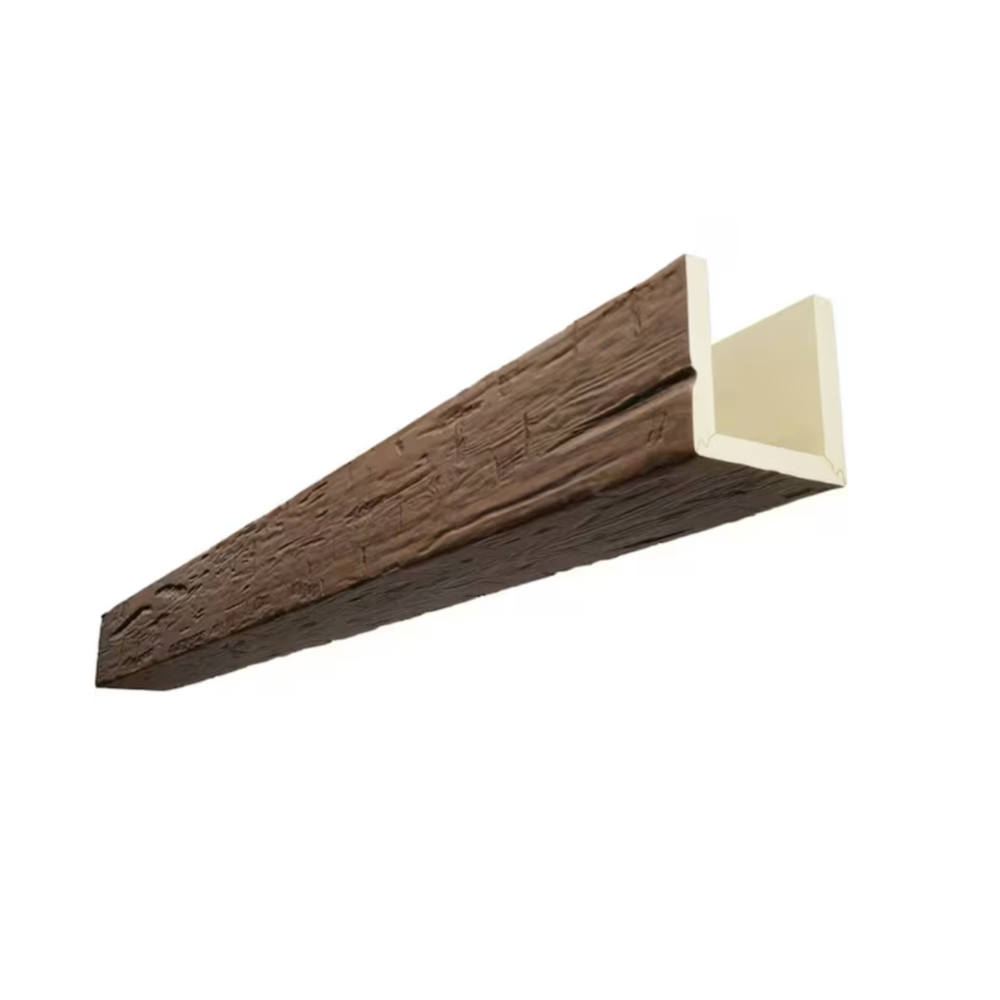
The romance of reclaimed wood derives from the stories embedded in every weathered surface. Decades or centuries of use leave marks—nail holes from abandoned barns, saw blade chatter from mills that no longer exist, color variations from oxidation and sun exposure—that no manufacturing process could deliberately create. Reclaimed timber has become precious precisely because these artifacts of history resist replication. Yet the practical challenges of sourcing, processing, and installing genuine reclaimed material keep it out of reach for many projects. Unique hodge-podge reclaimed chestnut texture faux wood beams offer a compelling alternative that captures authentic character without the complications.
The Character of Reclaimed Chestnut
American chestnut represented one of the most significant timber species in Eastern woodlots before the blight of the early twentieth century eliminated mature stands across their native range. The wood that survived—found in old buildings, salvaged from demolition, or recovered from waterlogged sites—carries characteristics distinct from contemporary species. Color ranges from warm honey tones through deeper amber, with grain patterns that reflect the relatively fast growth rates of unthinned forests.
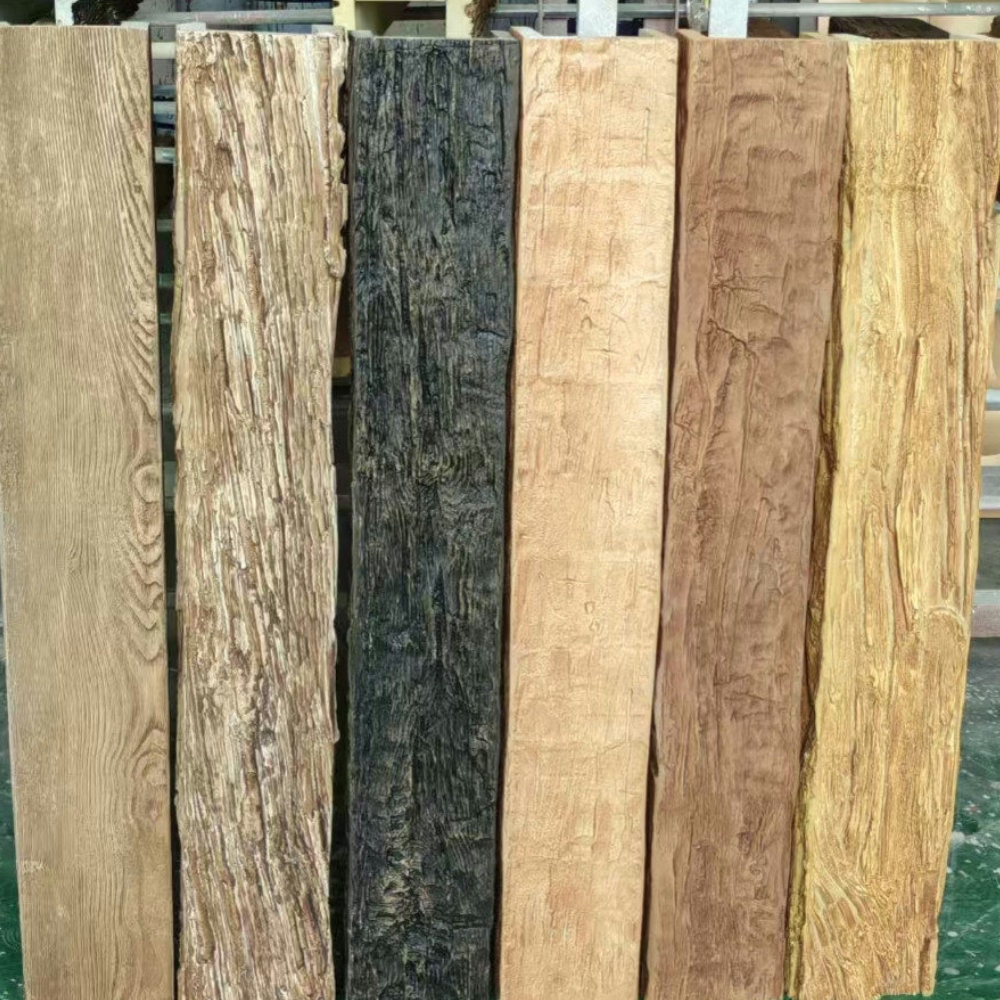
The hodge-podge character comes from the mixed provenance that genuine reclaimed chestnut typically represents. Beams salvaged from different buildings, mills, and time periods create non-uniform appearances that tell stories of their varied origins. Saw marks might run in different directions across pieces from the same load. Nail holes and other fasteners appear in patterns that reflect whatever structures previously contained the wood. This visual complexity creates interest that uniform modern lumber simply cannot match.
Patina development over extended aging creates color depth that new wood, whether genuine or synthetic, cannot replicate. Surface oxidation, UV exposure, and simple time combine to create hues that sit differently on the surface than freshly applied finishes. Reclaimed beams often appear to glow from within, with colors that seem to emanate from the wood itself rather than sitting on the surface.
Replicating Authentic Character in Polyurethane
Manufacturers seeking to capture reclaimed chestnut character must study genuine specimens extensively before attempting replication. This study reveals the specific combinations of grain patterns, surface textures, color variations, and featured marks that communicate authentic age and use. Translating these observations into manufacturing specifications requires both artistic sensitivity and technical precision.
Grain pattern development for reclaimed-style products draws from chestnut specimens while incorporating the variations that distinguish genuine reclaimed material. The goal is creating products that feel like they emerged from varied sources rather than appearing obviously from single molds. Multiple pattern variations within a single product line ensure that installations don't appear repetitively uniform.
Surface texturing addresses the weathered character that reclaimed wood develops over time. This texture differs from the surface of freshly milled timber—it includes edge wear, localized weathering, and the subtle irregularities that decades of exposure create. Achieving these characteristics in polyurethane requires careful mold making that captures weathered surfaces without creating pieces too fragile for handling and installation.
Featured marks including nail holes, saw kerfs, and knot patterns require separate treatment. These details often appear on authentic reclaimed specimens and should appear on convincing faux equivalents. However, the density and distribution of these marks must feel authentic rather than deliberately placed; random-seeming arrangements that nonetheless read as genuine history require careful design attention.
Design Applications for Reclaimed Character
Spaces seeking authentic rustic character benefit most from reclaimed-style faux beams. The visual complexity these products provide creates the sense of accumulated history that genuine reclaimed material would create, without requiring the sourcing effort and expense that authentic salvaged timber demands.
Farmhouse and country interiors have embraced reclaimed wood aesthetics extensively. Kitchen installations, living room beams, and dining area accents all benefit from the warmth that weathered chestnut character provides. The hodge-podge variety prevents these installations from appearing stage-set-fake, instead reading as genuinely accumulated over time.
Commercial spaces seeking artisanal character find reclaimed-style beams valuable. Restaurants featuring farm-to-table positioning, breweries emphasizing traditional methods, and retail spaces selling handcrafted goods all benefit from the authenticity signal that weathered wood provides. Faux beams deliver this signal without the maintenance challenges that genuine reclaimed material would present in high-traffic commercial contexts.
Historic renovation projects can incorporate reclaimed-style faux beams in locations where genuine reclaimed material might be inappropriate or unavailable. The aesthetic consistency these products provide complements historic renovation approaches without competing with any genuine historic fabric that might exist in the property.

Distinguishing Quality Reclaimed-Style Products
Not all products marketed as reclaimed-style achieve convincing authenticity. Quality varies substantially across manufacturers, with some creating pieces that read as authentic at any distance while others produce obvious fakes that undermine rather than support design intentions.
Surface depth provides one quality indicator. Authentic weathered surfaces have considerable physical depth created by weathering, wear, and gradual material loss. Shallow surface treatments that merely appear weathered without actual dimensional variation fail to convince upon close inspection. Quality faux products replicate this depth convincingly.
Color complexity distinguishes quality from lesser alternatives. Single-tone coloration reads as obviously painted rather than genuinely aged. Quality products incorporate multiple color layers that interact to create the complex appearance of naturally aged wood. These layers should be visible as variations within the surface rather than apparent as separate paint applications.
Featured mark authenticity affects overall credibility. Random-looking placement that nonetheless appears deliberate often indicates poor design. Quality products place featured marks in patterns that feel natural without obviously following any formula. The goal is creating the impression of accumulated history rather than obviously manufactured decoration.
Care and Maintenance Considerations
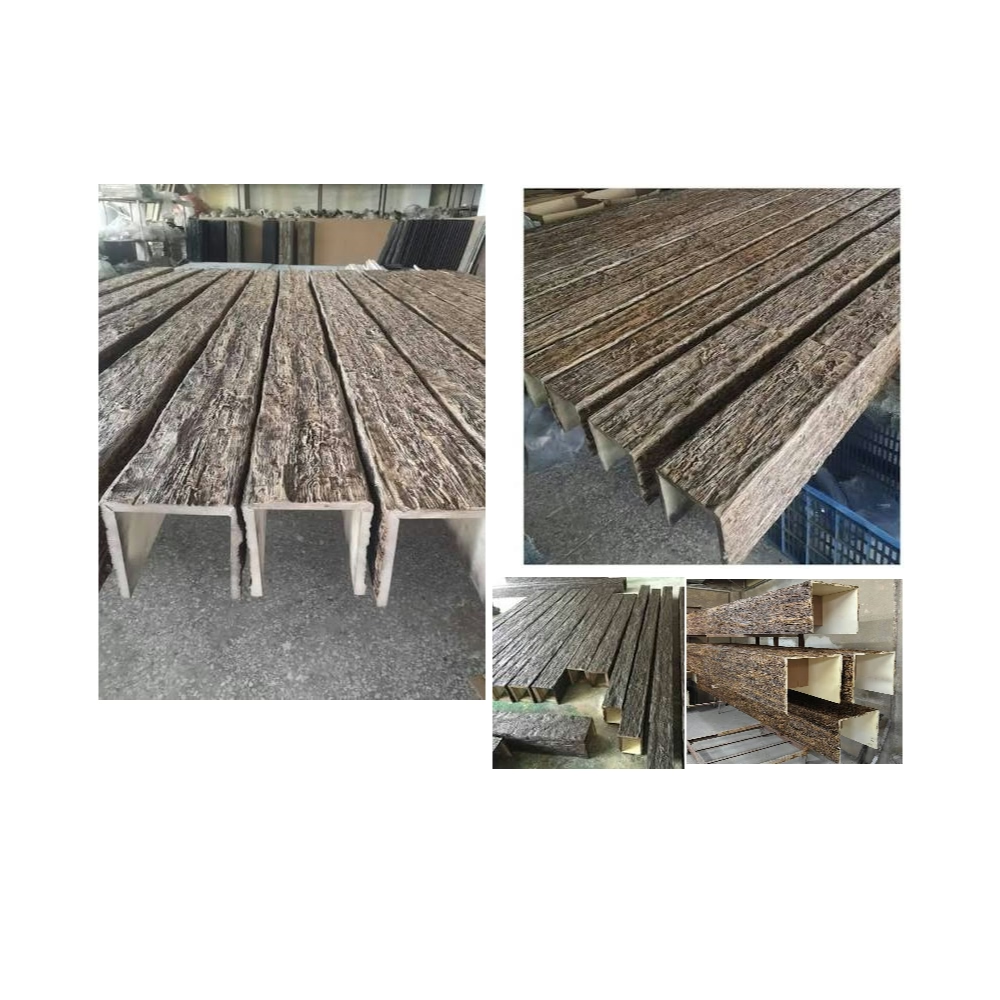
Reclaimed-style faux beams require minimal maintenance compared to genuine reclaimed material. The polyurethane substrate resists moisture absorption, insect activity, and the biological degradation that threatens authentic salvaged wood. This durability preserves the designed appearance indefinitely without the ongoing attention that genuine reclaimed material would demand.
Cleaning requirements remain modest. Dust accumulation wipes away with damp cloths; stubborn soiling responds to mild cleaning solutions without risk of damaging protective finishes. The absence of porous wood fiber means that stains cannot penetrate deeply; cleaning access the surface rather than struggling with absorption into wood cells.
Repair of any damage that does occur can address specific issues without affecting surrounding surfaces. Fillers designed for polyurethane accept color matching to blend with undamaged areas. Unlike genuine reclaimed wood where repair might require finding matching aged material, faux products enable targeted repairs that restore original appearance.
Technical References
ASTM standards cited in every specification
Test Data
Lab results from internal testing program
Updated 2026
Reviewed against current product specs