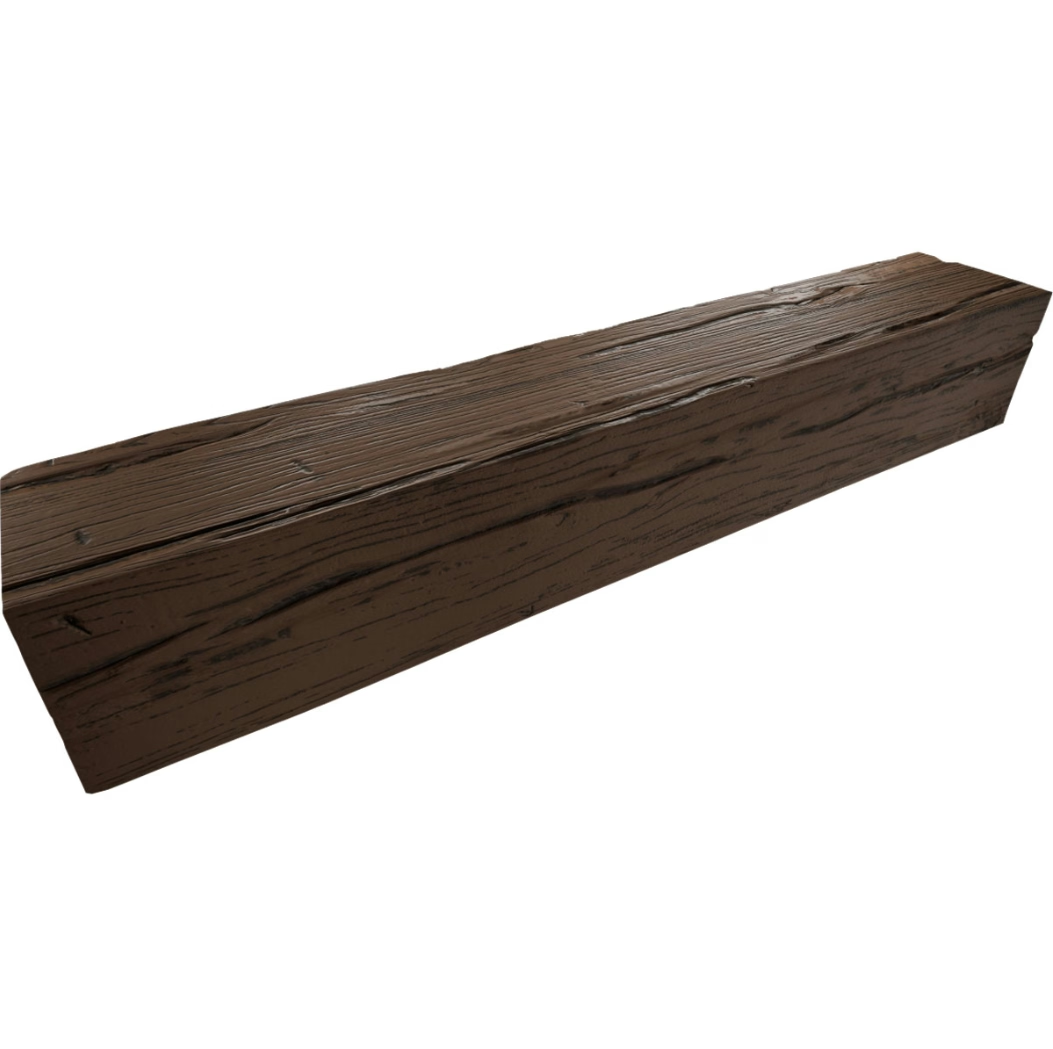
Most wood grain runs in parallel lines that create calm, ordered patterns across surfaces. This conventional grain direction provides visual predictability that suits many design applications admirably. Yet occasionally a project calls for something different—visual drama, unexpected movement, distinctive character that breaks from ordinary expectations. Unique swirl grain texture PU faux wood beams address these aspirations directly, delivering the figured grain patterns that woodworkers and designers prize for their ability to create visual excitement in otherwise straightforward applications.
Understanding Swirl and Figured Grain
The term figured grain encompasses various irregular grain patterns that develop in certain wood species under specific growing conditions. Swirl grain represents one category of figure, characterized by grain patterns that deviate from straight lines to create sweeping curves, circular patterns, and irregular interlocked arrangements. These patterns emerge from irregularities in wood growth—crooked trees, branch inclusions, burl formations, or reaction wood that develops under stress.
The visual effect of figured grain differs fundamentally from straight grain. Rather than directing the eye along predictable paths, swirl patterns create focal points, visual movement, and apparent depth that straight grain lacks. Light interacts differently with these surfaces, creating shimmer and chatoyance that changes with viewing angle and illumination direction. Spaces featuring figured grain beams become more dynamic, more visually interesting, less predictable.
Not all wood species develop pronounced figured grain equally. Some species rarely produce anything but straight grain regardless of growing conditions. Others—including figured maple, walnut with strong character, and certain oak varieties—regularly develop the conditions that create remarkable figure. Replicating these characteristics in polyurethane requires understanding which species produce which patterns and translating those patterns into convincing faux equivalents.
Manufacturing Challenge of Figured Grain
Capturing swirl grain authenticity presents greater manufacturing challenges than reproducing straight grain patterns. The irregular, non-repeating nature of figured grain means that each piece should ideally differ from every other piece. Uniform reproduction would create obviously repetitive installations that fail to convince. Yet manufacturing must somehow balance this variability with practical production requirements.
Quality manufacturers approach this challenge by creating extensive pattern libraries that capture the range of variation authentic figured grain displays. Multiple variations within product families ensure that installations don't appear obviously repetitive. The patterns themselves derive from careful study of genuine specimens, capturing not just obvious features but subtle characteristics that communicate authenticity.
Scale and proportion affect how convincingly figured grain reads in faux products. Patterns that work beautifully at small scale may not enlarge convincingly; patterns that appear dramatic at large scale may lose impact when scaled down. Quality manufacturers test their patterns across the range of beam sizes they produce, adjusting proportions to maintain visual impact regardless of dimensional variations.
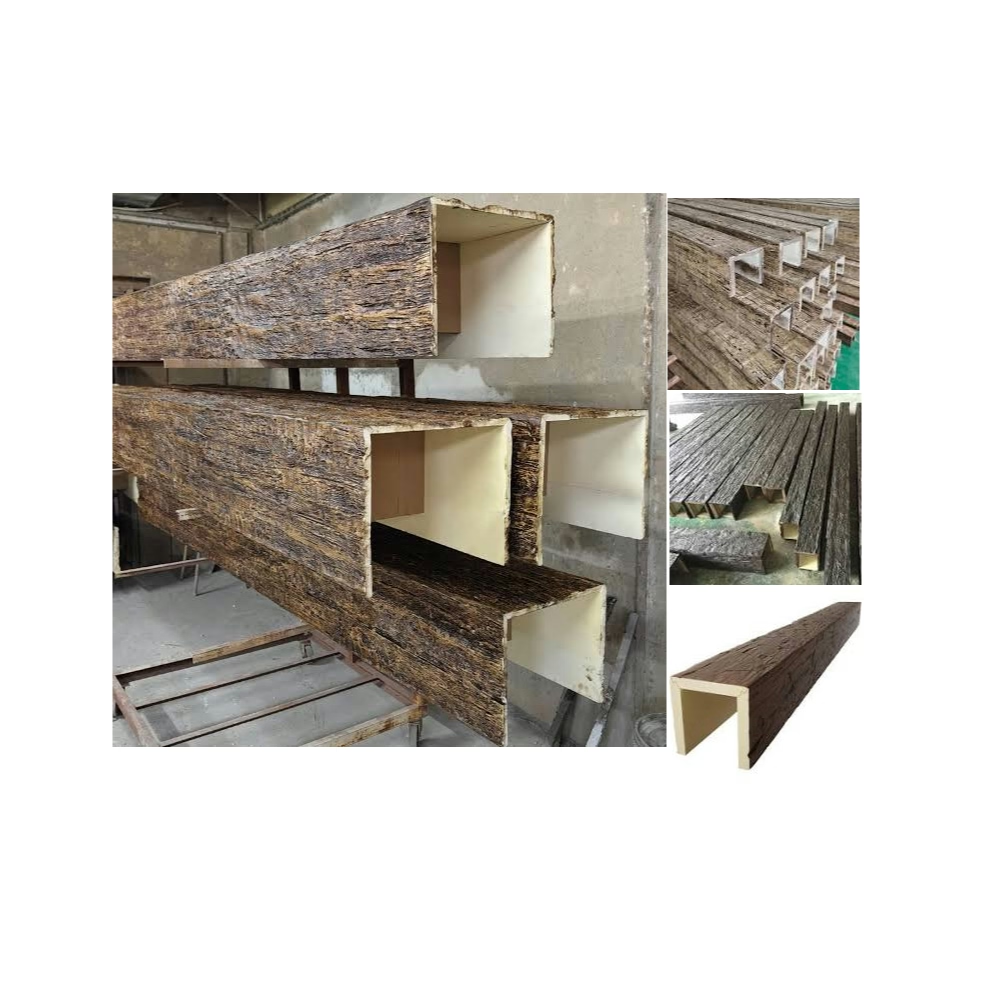
Depth and dimensionality distinguish quality figured grain products from lesser alternatives. Authentic figured grain involves three-dimensional wood structure, not merely surface decoration. Mold making that captures this dimensionality produces faux products that respond to lighting and viewing angle changes the way genuine figured wood does.
Design Applications for Dramatic Impact
Swirl grain beams work best in applications where their distinctive character can be appreciated rather than lost in visual competition with other elements. Understanding appropriate contexts helps ensure that investments in figured grain products pay returns through successful design outcomes.
Feature installations benefit most from dramatic figured grain. Single beams or small groups positioned as focal points command attention without competing with other design elements. These installations invite close inspection that reveals the pattern complexity that makes figured grain distinctive. Wall-mounted beams often suit this application better than ceiling installations where viewing distance limits appreciation of detail.
Lobby and reception areas provide appropriate scale for figured grain beams. The larger dimensions typical of these spaces accommodate beam sizes that showcase pattern complexity effectively. High ceilings and generous proportions create viewing conditions that let figured grain achieve its full visual potential.
Specialty retail environments featuring luxury or artisanal positioning can incorporate swirl grain beams as design elements supporting brand messaging. Jewelry stores, boutique clothing retailers, and specialty food shops all benefit from the premium quality signal that figured grain provides. The distinctive appearance helps these businesses differentiate themselves from commodity competitors.

Combining with Other Design Elements
Successful interior design integrates multiple elements into coherent compositions rather than featuring individual items in isolation. Swirl grain beams should relate to other design elements in ways that support overall design harmony rather than creating visual discord.
Coordinate figured grain intensity with overall design restraint. Spaces featuring dramatic swirl grain beams should maintain simpler treatments elsewhere; the beam becomes the focal point that other elements frame rather than compete with. Conversely, highly detailed environments may overwhelm the visual impact that figured grain should provide.
Color coordination affects how figured grain reads in context. Light backgrounds tend to emphasize grain pattern; dark backgrounds may subdue figure while creating dramatic atmosphere. Testing potential color schemes with samples helps ensure that intended relationships actually occur in completed installations.
Material coordination matters beyond color. Swirl grain beams that incorporate specific wood species references should relate to other wood elements in the space. Coordinating with flooring, furniture, or millwork creates design coherence; random relationship between wood elements creates visual confusion.
Selecting Appropriate Swirl Grain Products
Quality variation in swirl grain products exceeds that of straight grain alternatives because the complexity of figured patterns makes inconsistency more obvious. Careful product selection ensures that investments achieve intended design outcomes.
Requesting multiple samples for comparison reveals pattern variation and quality differences between samples. Reputable manufacturers welcome this evaluation because their products perform well under such scrutiny. Products that seem obviously inferior when multiple samples are compared together should be rejected regardless of individual sample appearance.
Pattern consistency with claimed wood species adds credibility. Swirl patterns typical of figured maple differ from those typical of walnut; products claiming specific species references should display patterns consistent with those species. Obvious mismatches between claimed source and displayed pattern suggest insufficient attention to authenticity.
Dimensional accuracy affects installation success for figured grain products as it does for any beam product. The three-dimensional character of swirl patterns makes dimensional errors more visually obvious than they would be with straight grain products. Careful measurement verification before ordering and upon delivery ensures that installation will proceed without last-minute complications.
Technical References
ASTM standards cited in every specification
Test Data
Lab results from internal testing program
Updated 2026
Reviewed against current product specs


