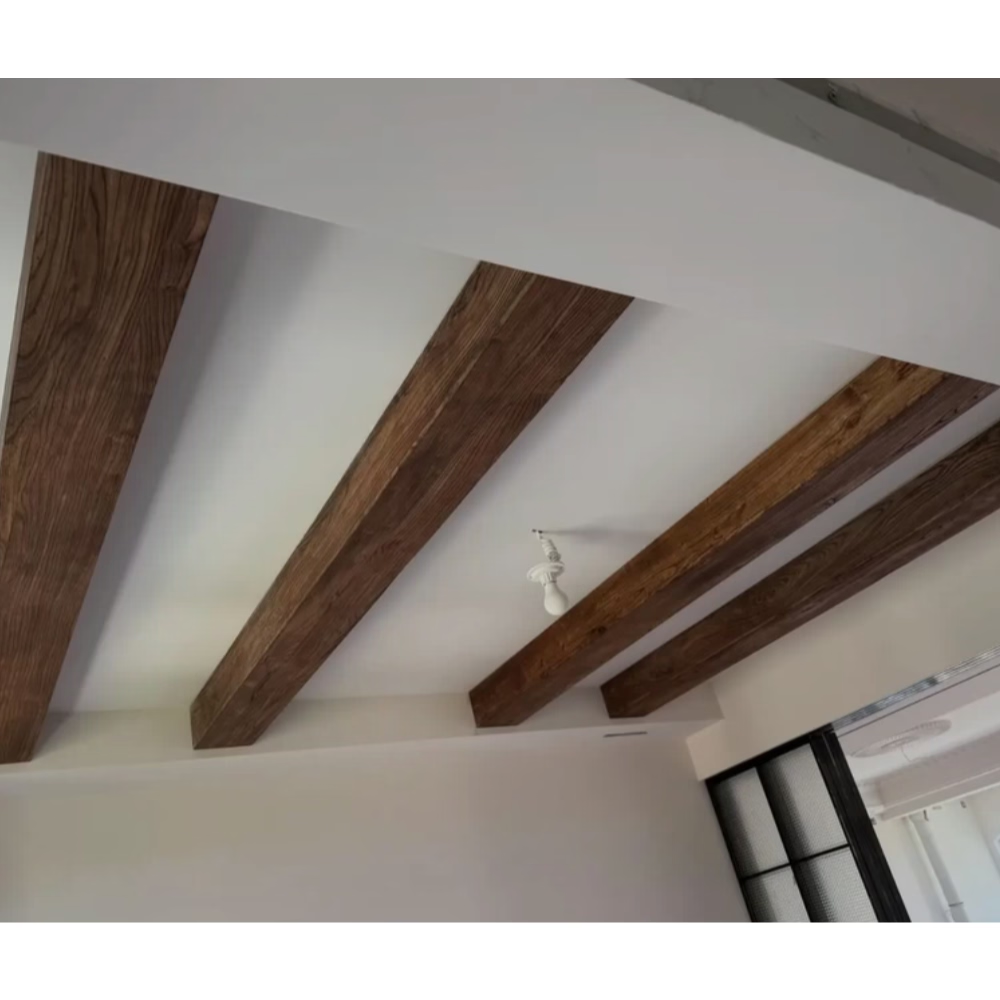
Color has always played a powerful role in interior design, capable of transforming spaces through hue selection, tonal variation, and strategic placement. Single-color treatments, while clean and cohesive, miss opportunities that color layering provides. The interplay between tones creates visual depth that flat color cannot achieve—shadows that suggest dimension, highlights that catch light, transitions that guide the eye and create focal interest. Unique two-tone finished polyurethane faux wood beams embrace this chromatic complexity, delivering surfaces that reward attention more generously than their single-color counterparts.
The Dimensional Effect of Two-Tone Finishing
Human perception interprets color in context rather than isolation. A surface containing adjacent areas of different color reads as dimensional even if the physical surface is completely flat. The eye interprets shadow tones as recessed and highlight tones as raised, creating apparent depth without any actual three-dimensional structure. Two-tone finishes exploit this perceptual tendency to create visual richness that single-color treatments cannot achieve.
The specific tonal combinations matter significantly for achieving intended effects. Colors that differ too dramatically create visual discord rather than depth; colors too similar fail to create meaningful separation. Successful two-tone finishes typically employ closely related hues—one slightly darker, one slightly lighter—that work together rather than competing. The result appears as natural variation rather than deliberate contrast.
Application technique affects how convincingly two-tone effects read as authentic wood characteristics. Genuine wood often displays color variation across its surface due to grain orientation, density differences, and differential aging. Two-tone faux treatments that mimic these natural variations achieve authenticity; treatments that create obviously artificial color boundaries fail to convince.
Design Possibilities with Two-Tone Beams
The additional design dimension that two-tone treatment provides opens possibilities that single-color beams cannot address. Understanding these possibilities helps designers leverage two-tone capabilities effectively.
Transitional spaces benefit from two-tone treatment that suggests movement and change. Entries transitioning from exterior to interior, basements ascending to above-grade levels, or any space where visual passage occurs can incorporate two-tone beams that reinforce this sense of progression. The color shift across beam surfaces creates visual narrative that supports spatial experience.
Layered interiors with multiple material types often require color bridges that connect disparate elements. Two-tone beams can incorporate colors present in both adjacent materials, creating visual relationships that unify the composition. This bridging function becomes particularly valuable in spaces with mixed material palettes that might otherwise feel fragmented.
Accent spaces calling for visual excitement find two-tone beams more effective than single-color alternatives. Media rooms, entertainment areas, feature hallways—these spaces benefit from design elements that provide more than functional performance. Two-tone beams contribute the visual energy that such spaces require without requiring complex decorative treatments.
Manufacturing Approaches to Two-Tone Effects
Quality manufacturers employ various techniques to achieve convincing two-tone finishes. Understanding these approaches helps buyers evaluate product options intelligently and select products appropriate for specific applications.
Layered application involves applying base and accent colors in deliberate sequence. The base coat provides foundational tone; subsequent applications add highlight or shadow effects in targeted areas. This controlled approach enables precise tonal placement that achieves specific design intentions. Products manufactured with this technique should display consistent color relationships across pieces.
Reactive finishing uses chemical processes to create color variation from single base applications. These techniques can produce effects that appear genuinely aged or weathered, with color development that follows natural patterns. The unpredictability of reactive processes means that each piece varies slightly from every other, creating the natural variation that characterizes authentic aged wood.
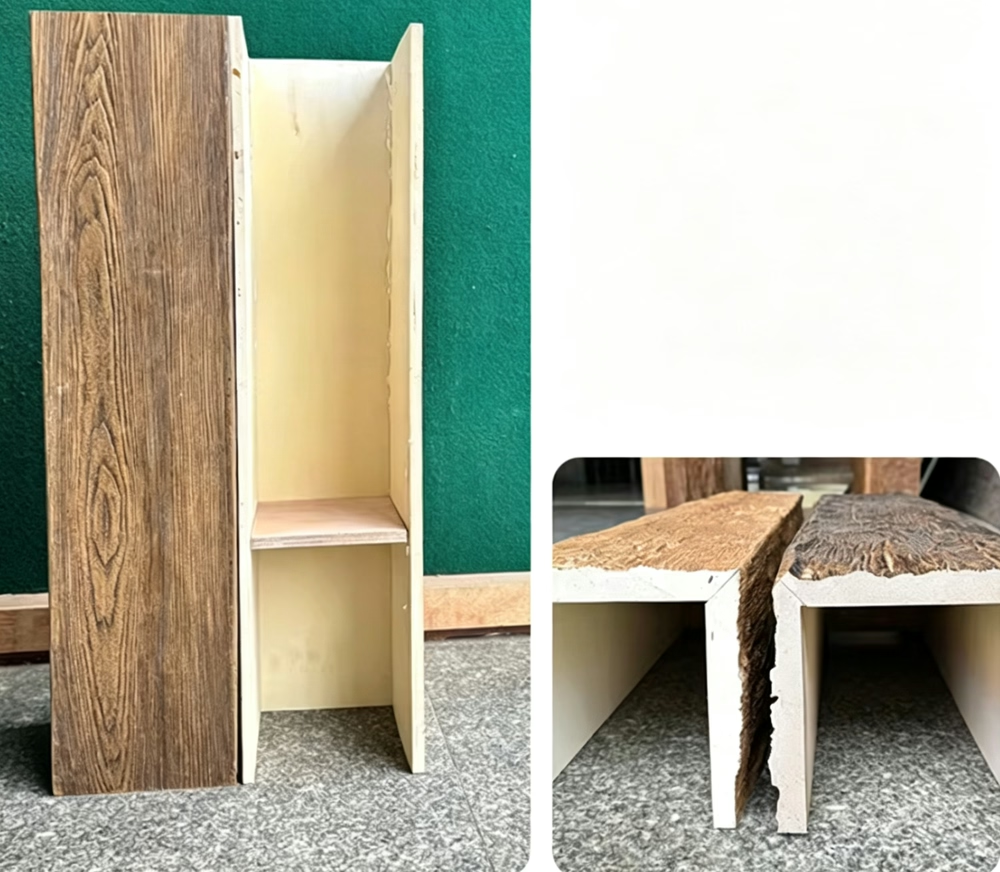
Texture incorporation affects color presentation regardless of how colors are applied. Rough textures collect darker tones in crevices while smooth surfaces present lighter highlights. The interaction between texture and color creates visual complexity that neither element alone provides. Quality two-tone products consider texture-color interaction as integral rather than afterthought.

Coordinating Two-Tone Beams with Existing Decor
Integrating two-tone beams into existing design schemes requires attention to how beam colors interact with surrounding elements. The additional color complexity that two-tone treatment provides can either enhance or disrupt existing color relationships depending on how thoughtfully coordination is addressed.
Identifying dominant colors in existing spaces helps determine appropriate beam tonality. If spaces already contain warm earth tones, two-tone beams leaning toward these hues will integrate smoothly. Spaces featuring cooler palettes might suit two-tone treatments with gray or blue undertones. The goal is creating visual harmony rather than obvious contrast.
Test placement with temporary samples helps verify how two-tone beams will actually read in specific spaces. Lighting conditions, adjacent material colors, and surrounding furniture all influence perception. What appears appropriate in isolation might seem wrong in context; testing prevents costly errors that would be difficult to reverse.
Considering color psychology enhances intentional design. Warm two-tone combinations create inviting, cozy atmospheres suited to residential and hospitality applications. Cool combinations suggest sophistication and contemporary sensibility appropriate for offices and retail environments. Matching tonality to intended use ensures that psychological effects support rather than contradict design goals.
Care and Maintenance of Two-Tone Finishes
The additional complexity of two-tone finishes affects maintenance requirements and techniques compared to single-color treatments. Understanding these considerations helps preserve designed appearance over time.
Surface cleaning must address both tonal layers without compromising either. Cleaning solutions or techniques that affect one tone but not the other would create visible uniformity that undermines the two-tone effect. Testing cleaning approaches on inconspicuous areas before applying to visible surfaces identifies any problematic interactions.
Touch-up requirements for two-tone finishes may prove more complex than for single-color treatments. Repairing a damaged area requires recreating both tonal layers in proper relationship. Manufacturer guidance regarding appropriate touch-up products and techniques ensures that repairs blend seamlessly with surrounding undamaged surfaces.
Long-term color stability affects both tones independently. If one tone fades faster than the other, the designed relationship degrades over time. Quality products incorporate UV inhibitors and light-stable pigments that maintain designed appearance despite environmental exposure. Verifying color stability specifications before purchase prevents unpleasant surprises as installations age.
Technical References
ASTM standards cited in every specification
Test Data
Lab results from internal testing program
Updated 2026
Reviewed against current product specs


