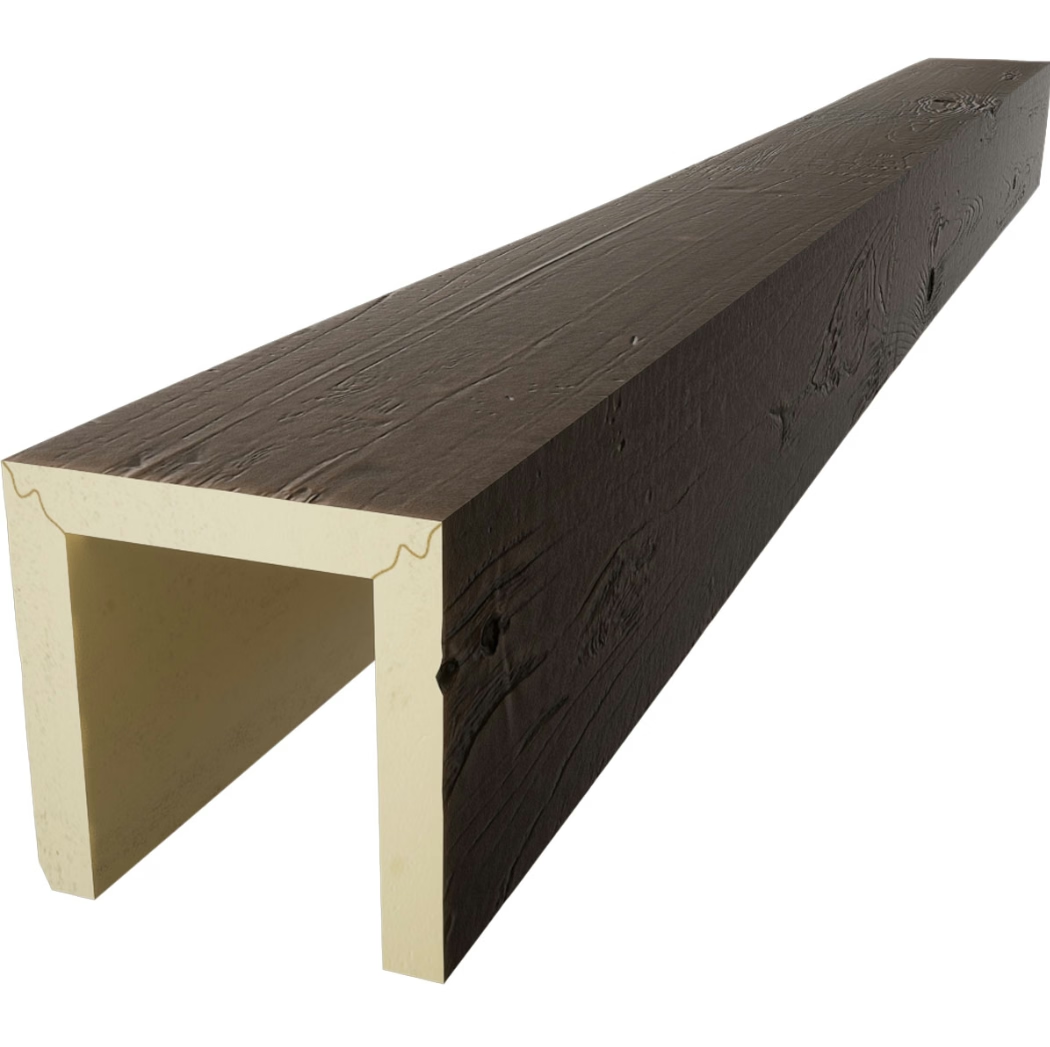
Vintage style has experienced sustained popularity across residential and commercial interiors, driven by desires for authenticity, character, and connection to history that mass production cannot provide. Yet genuine vintage materials face inherent limitations: scarcity, cost, inconsistent quality, and practical handling challenges. The distinctive appearance of wormy maple—featuring characteristic insect figure markings that developed during the wood's extended aging—represents one vintage aesthetic that synthetic replication has mastered convincingly. Unique wormy maple grain PU faux beams make this distinctive style accessible without demanding the sourcing efforts that genuine wormy maple would require.
The Character of Wormy Maple
The distinctive appearance of wormy maple develops through an unexpected source: insect activity in standing trees. Maple logs that remained unprocessed for extended periods—often due to economic conditions or storage before milling—developed the small, wandering holes that characterize the species. These galleries, created by powderpost beetles and similar insects, trace paths through the wood without significantly affecting structural integrity. When logs featuring this figure were eventually milled, the resulting lumber displayed the distinctive pattern that has since become prized for its unique character.
The figure patterns vary considerably between pieces, reflecting the unpredictable nature of insect activity. Worm tracks might run in relatively straight lines or wander extensively across the surface. Track density ranges from sparse and scattered to dense enough that the surrounding wood nearly disappears beneath the pattern. This variability creates unique appearances that no two pieces share, contributing to the sense of authentic individuality that vintage style seeks to capture.
Maple's base color—typically light cream or pale amber—provides neutral foundation for worm figure display. The contrast between this light background and the slightly darker track markings creates the distinctive appearance that identifies wormy maple. Understanding this color relationship helps manufacturers create convincing faux equivalents that capture authentic character without obvious artificiality.
Authenticating Wormy Maple Characteristics
Replicating wormy maple convincingly requires more than superficially similar surface decoration. The authentic appearance involves specific characteristics that distinguish genuine wormy maple from superficially similar alternatives.
Track morphology matters for convincing replication. Genuine insect galleries vary in width along their length, with entry and exit points typically smaller than middle sections. They wander rather than running straight, creating the characteristic meandering patterns. Sharp corners rarely appear; genuine tracks curve smoothly even when changing direction dramatically. Faux products should replicate these characteristics rather than featuring obviously drilled or carved holes.
Color contrast between worm tracks and surrounding wood affects how convincingly the pattern reads. Tracks slightly darker than surrounding wood create subtle figure; high-contrast combinations create dramatic patterns. Either approach can succeed if applied consistently and appropriately. Inconsistent contrast—some tracks dark, others light—creates obviously artificial appearance rather than authentic variation.
Pattern distribution across surfaces affects overall visual impact. Some wormy maple displays concentrated figure in specific areas with other areas relatively clear; other pieces feature more uniform distribution. Replication should consider intended application density and adjust patterns accordingly. What works at small scale may not transfer effectively to large installations.
Design Applications for Vintage Character
Wormy maple aesthetics suit various interior styles, each leveraging different aspects of the distinctive character. Understanding these applications helps specify products appropriate for specific design intentions.
Cottage and cabin interiors naturally accommodate wormy maple aesthetics. The relaxed, informal character of these spaces matches the somewhat rough appearance of genuine wormy maple. Beams featuring authentic worm figure contribute to the curated collected-over-time appearance that cottage style values. The organic variability of worm patterns supports rather than disrupts the casual elegance these spaces seek.
Vintage commercial spaces benefit from the authenticity signal that wormy maple provides. Antique dealers, vintage retailers, and restaurants emphasizing heritage positioning can incorporate wormy maple faux beams to reinforce their brand positioning. The distinctive appearance creates memorable environments that support marketing and word-of-mouth recognition.
Eclectic interiors that mix periods and styles accommodate wormy maple beams readily. The specific vintage reference that wormy maple provides creates visual anchor in spaces that might otherwise feel random or uncoordinated. When other elements reference different periods or styles, the clear identification of wormy maple as vintage creates intentional contrast rather than confusion.

Coordinating Wormy Maple with Other Materials
Wormy maple's distinctive character requires thoughtful coordination with other materials to achieve successful interiors. The pronounced figure demands respect in composition; thoughtless combination risks visual competition that undermines overall design quality.
Neutral backdrops allow wormy maple beams to command attention without interference. White, cream, or light gray surfaces provide appropriate stage for the dramatic figure to perform. Dark backgrounds may overwhelm the subtle tonal variations that define wormy maple character, reducing impact to muddy appearance.
Flooring considerations affect how room-spanning compositions read. If flooring displays similar vintage character—think worn hardwoods or antique brick—the overall effect gains coherence. Flooring materials with contemporary or high-tech associations may clash with wormy maple's vintage reference. Testing specific combinations with samples verifies intended relationships.
Upholstery and soft goods should support rather than compete with beam focal points. Solid colors in tones drawn from wormy maple palette create visual connections that unify spaces. Busy patterns risk visual confusion that dilutes both the beams and the textile interest.

Maintaining Vintage Appearance Over Time
The character that makes wormy maple distinctive should remain stable throughout the beam's service life. Quality products and appropriate care ensure that authentic appearance persists rather than degrading over time.
Dust accumulation in worm tracks creates the authentic aged appearance that characterizes genuine vintage pieces. Aggressive cleaning that removes this accumulated character undermines the intended aesthetic. Light dusting that maintains track clarity while preserving accumulated patina achieves the appropriate balance between cleanliness and authenticity.
Light exposure affects color stability of both maple base tones and worm track markings. Quality products incorporate UV stabilizers that maintain designed appearance despite typical interior lighting. However, extended direct sun exposure might eventually affect color stability even with these protections.
Physical damage to worm tracks—chips, cracks, or gouges—reveals the synthetic substrate beneath the finished surface. While polyurethane resists impact damage better than many alternatives, the complex surface of wormy maple products creates more vulnerable areas than smooth alternatives might present. Careful handling during installation and appropriate protection in service reduce damage risk.
Technical References
ASTM standards cited in every specification
Test Data
Lab results from internal testing program
Updated 2026
Reviewed against current product specs


