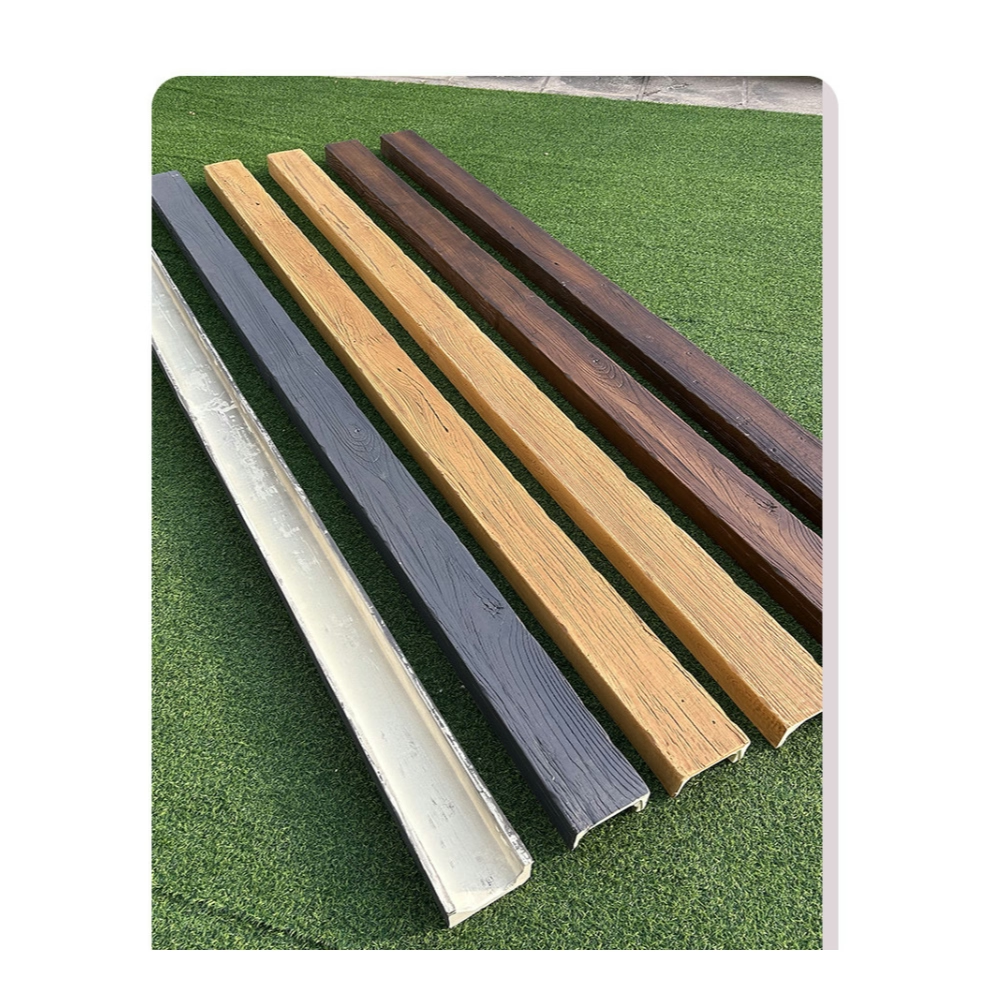
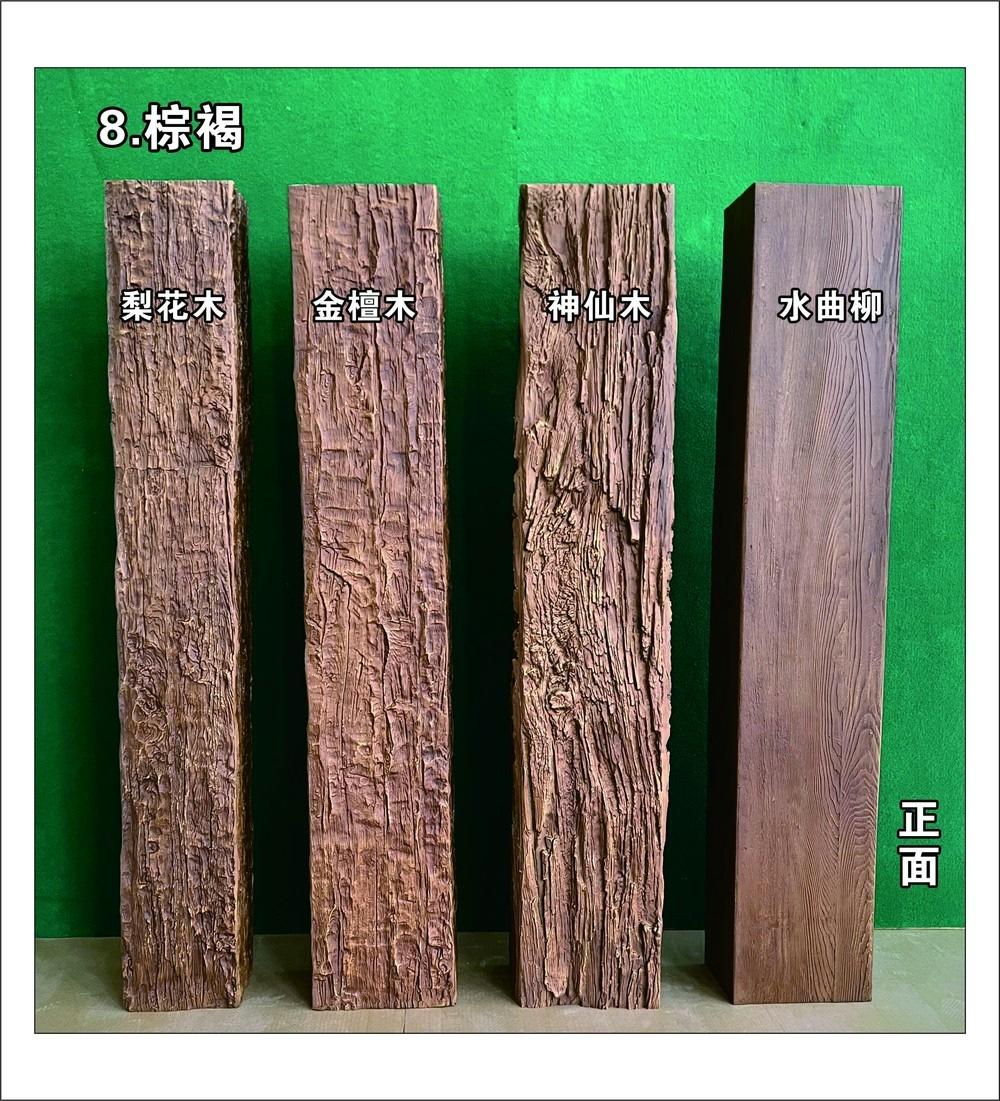
The final impression any ceiling beam installation creates depends significantly on how terminations appear. Beams that begin beautifully but end clumsily—exposed hollow cores, rough cut edges, or improvised end treatments—undermine the overall quality that visible surfaces project. Universal end-cap compatible faux timber beams address this finishing challenge through standardized systems that ensure clean, professional terminations regardless of where beams meet walls, columns, or other architectural boundaries.
The Termination Problem in Ceiling Beam Installation
Every ceiling beam installation encounters termination points where beams end against other building elements. Whether meeting walls at room edges, terminating at column faces, or stopping at ceiling height changes, these junction points require treatment that completes the beam aesthetic rather than revealing construction details that should remain concealed.
Traditional approaches to beam termination required custom solutions developed for each specific situation. Skilled carpenters could shape and finish termination points to match beam surfaces, but this craftsmanship came at premium cost and required finding workers with appropriate skills. Do-it-yourselfers faced particularly difficult challenges when attempting professional-quality terminations without specialized tools or experience.
The incompatibility between available termination options and beam products created additional complications. End caps designed for one beam profile might not fit another; universal solutions rarely achieved the seamless integration that complete finishing requires. This mismatch forced compromises—visible gaps, obvious transitions, or acceptance of unfinished appearance at termination points.
Universal Compatibility Design Principles
Universal end-cap compatibility emerges from thoughtful product design that anticipates termination requirements rather than treating them as afterthoughts. Manufacturers committed to complete finishing solutions develop product systems where components work together reliably across various configurations.
Dimensional standardization ensures that end caps and other termination accessories fit precisely regardless of beam specifics. Tolerances controlled tightly enough to guarantee fit yet loosely enough to accommodate manufacturing variation enable interchangeability without requiring impossible precision. This balance requires engineering attention but enables the compatibility that users require.
Profile matching between beam bodies and termination accessories ensures visual continuity at junction points. End caps that present the same surface textures, grain patterns, and colorations as beam bodies create transitions invisible to casual observation. The quality of this matching distinguishes professional systems from improvised alternatives.
Mounting systems designed for universal application accommodate various installation scenarios without requiring specialized knowledge or unusual tools. The goal is enabling successful completion by installers with basic skills rather than demanding expert technique for every termination.
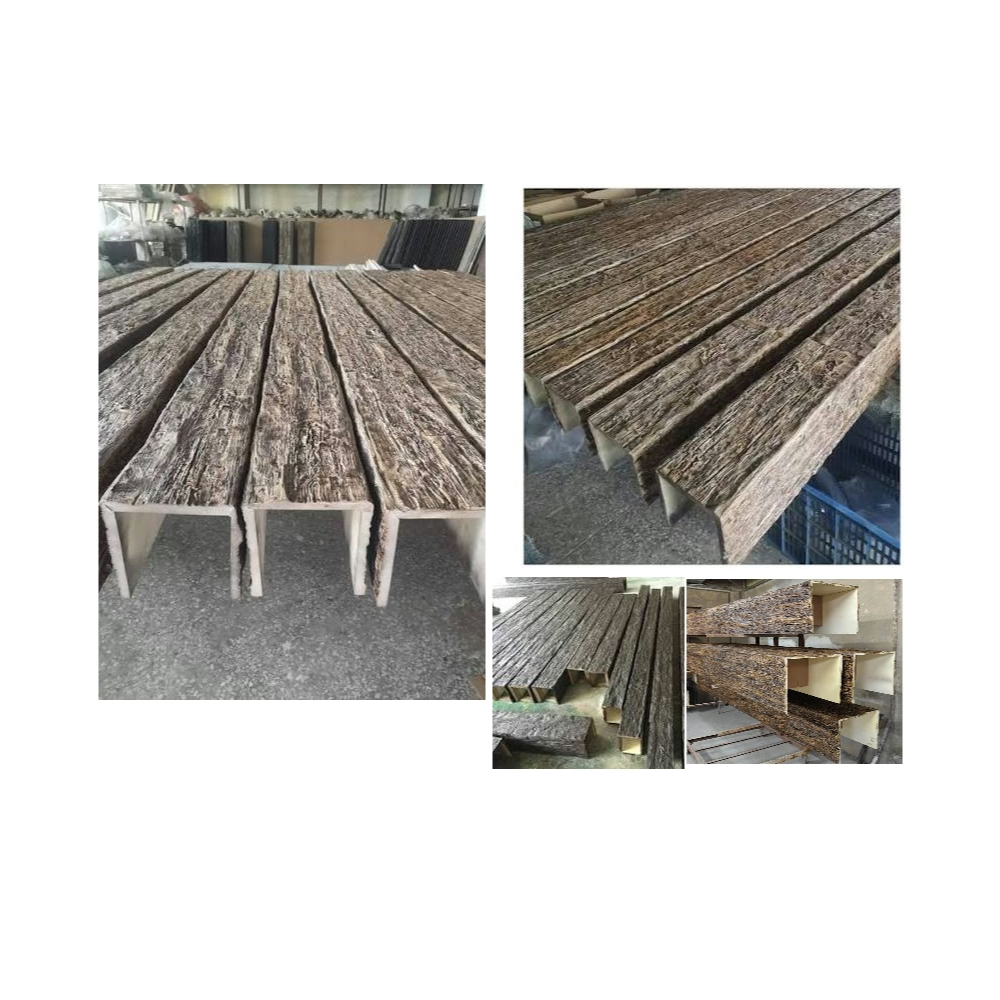
Benefits Across Installation Contexts
Universal end-cap compatibility delivers advantages that benefit all installation contexts, though the specific benefits vary depending on project type and installer experience level.
Professional contractors appreciate the efficiency that standardized systems provide. Crews can complete termination work faster when components fit predictably and mounting procedures remain consistent across projects. Training requirements decrease when new crew members encounter familiar systems rather than learning unique approaches for each project. These efficiency gains translate into competitive pricing that benefits clients.
Do-it-yourself homeowners gain confidence from systems designed for successful completion. The assurance that termination components will fit and perform as expected reduces anxiety that might otherwise discourage attempting ceiling beam projects. Clear instructions supporting standardized systems enable successful completion that builds skills and confidence for future projects.
Property managers responsible for ongoing maintenance value the simplicity that universal compatibility provides. Replacement parts stock easily when they fit standard products rather than requiring identification of discontinued or project-specific alternatives. Maintenance staff can address repair needs without specialized training or tool investment.

System Components for Complete Finishing
Comprehensive finishing systems include various components beyond basic end caps, each addressing specific termination or transition requirements that complete installations professionally.
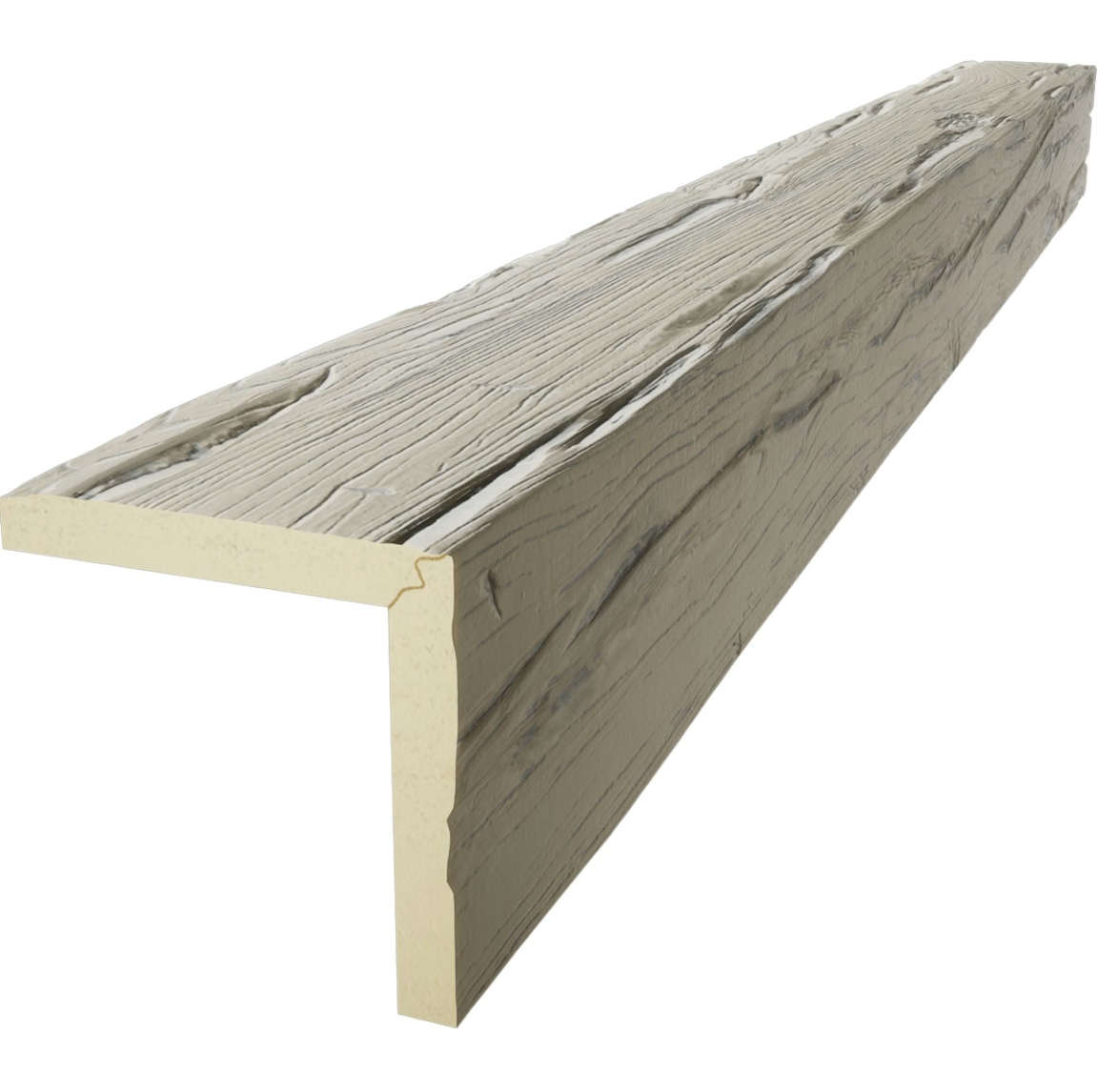
Corner accessories handle beam-to-beam junctions where installations turn corners or create box beam configurations. These components must present appropriate surfaces on multiple faces while connecting structural elements securely. Quality corner pieces should be indistinguishable from field-cut beam joints when properly installed.
Splice covers address beam splices where length requirements exceed single-piece availability. These covers bridge joints while presenting continuous surfaces that show no evidence of the connection beneath. Proper splice cover installation requires careful alignment but produces results that no one would question as anything other than continuous timber.
joist hangers and support brackets remain concealed within completed installations but play critical roles in structural performance. Quality systems include appropriately rated hardware designed to work with specific beam products. Using mismatched hardware risks structural problems that might not become apparent until failures occur.
Selection and Specification Guidance
Choosing universal-compatible products requires attention to specific factors that ensure successful integration between beam bodies and termination accessories.
Profile verification ensures that termination components match beam profiles precisely. Measurements should confirm that width, height, and any special profile features align with accessory specifications. Even small discrepancies create gaps or misalignments that compromise finished appearance.
Finish compatibility between beam bodies and accessories affects overall installation quality. If beams arrive pre-finished, accessories should match that finish without requiring additional treatment. If finishing will occur on-site, both beams and accessories should accept identical finishing approaches identically.
Load ratings for structural components matter for any application where beams will support meaningful weight. Ceiling fans, light fixtures, and similar suspended items create loads that support must accommodate. Verifying that mounting hardware and beam attachment systems carry adequate ratings for intended loads prevents structural failures.
Installation Best Practices
Even high-quality universal systems can produce poor results if installation procedures receive insufficient attention. Following recommended practices ensures that quality products deliver quality outcomes.
Dry-fitting components before permanent attachment identifies any adjustment needs before commitment. Discovering fit problems after adhesive cure creates difficult remediation decisions; identifying them before bonding allows simple corrections. Taking time for dry-fit verification almost always saves time overall.
Adhesive selection appropriate for polyurethane and specific installation conditions ensures durable connections. Construction adhesives designed for synthetic materials provide reliable performance; general-purpose adhesives may not achieve adequate bond strength with polyurethane substrates. Manufacturer recommendations regarding specific products should guide selection.
Clamping and support during adhesive cure maintains position while bonds develop. Insufficient clamping pressure allows movement that weakens bonds; excessive pressure may compress materials or create visible distortion. Following guidelines for specific products and conditions ensures appropriate pressure application.
Proper installation of universal-compatible systems delivers the complete finishing that professional results require. The investment in quality components and careful procedure pays returns through installations that perform reliably and maintain their appearance throughout extended service lives.
Technical References
ASTM standards cited in every specification
Test Data
Lab results from internal testing program
Updated 2026
Reviewed against current product specs